A deadly plant might be growing near your NC home. How to ID & get rid of it
AI-generated summary reviewed by our newsroom.
- Poison hemlock grows in 20+ North Carolina counties, including Mecklenburg and Wake.
- Ingestion or contact can cause serious symptoms, including paralysis and coma.
- Safe removal requires gloves and masks. Herbicides can be effective in fall or spring.
It might look like an ordinary weed, but a highly toxic plant is lurking in many parts of North Carolina – and it could be growing right near your home.
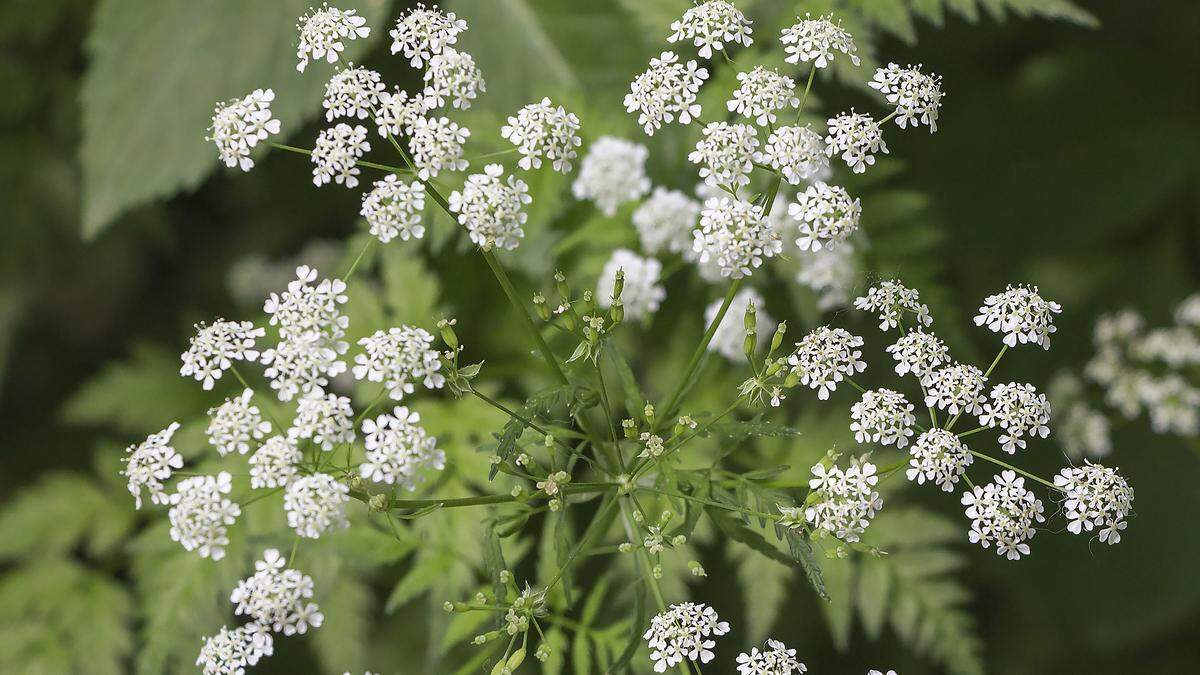
Poison hemlock can grow as tall as 9 feet (though usually 3-5 feet). It’s usually identified by its white, fleshy taproot with reddish spots that resemble a parsnip, along with hollow stems marked by small purple blotches, according to the N.C. State Extension. It also features clusters of white, umbrella-shaped flowers.
This green plant is commonly found along roadsides, fences, streambanks and in ditches.
Despite its resemblance to plants in the carrot family, poison hemlock is extremely poisonous to both humans and animals — and ingesting it can be deadly.
Here’s what to know about poison hemlock, including where it’s found, the symptoms of hemlock poisoning and how to safely remove it from your yard.
Where is poison hemlock found?
Poison hemlock has been identified in 21 counties in North Carolina, according to the N.C. Division of Parks & Recreation.
Mecklenburg
Wake
Orange
Union
Cabarrus
Stanly
Iredell
Rowan
Cleveland
Buncombe
Haywood
Mitchell
Wilkes
Surry
Alleghany
Guilford
Alamance
Lee
Franklin
Beaufort
Martin
Poison hemlock symptoms
Nearly all parts of the poison hemlock plant are poisonous, according to the N.C. State Extension. Symptoms of poison hemlock ingestion can include:
Salivation
Vomiting
Diarrhea
Muscular weakness
Paralysis
Nervousness
Trembling
Dilation of pupils
Weak pulse
Convulsions
Coma
Touching poison hemlock can also lead to contact dermatitis in people with sensitive skin, according to Cleveland Clinic. In rare cases, hemlock can enter your bloodstream through a cut or through your eyes or nose.
Poison hemlock treatment
If you think you have ingested poison hemlock, you should call your doctor or go to the nearest emergency room immediately, according to Cleveland Clinic.
There is no antidote for hemlock poisoning, but it can be treated by:
Mechanical ventilation if you’re having trouble breathing.
Antiseizure medication to control seizures
Hemodialysis for renal failure
Digestive system cleanse to get rid of the toxin
IV fluids to prevent dehydration
How to prevent poison hemlock
The best way to prevent hemlock poisoning is by removing the plant.
Experts recommend digging out the roots of the plant while wearing gloves, face masks and other protective clothing, according to Healthline. You shouldn’t burn the plants, since the fumes can trigger asthma symptoms.
You can also use herbicides to kill the plant in the late fall or spring, when they begin to grow.
This story was originally published May 27, 2025 at 3:40 PM with the headline "A deadly plant might be growing near your NC home. How to ID & get rid of it."