Can you wear a thong at NC beaches? What indecent exposure laws say
AI-generated summary reviewed by our newsroom.
- North Carolina law permits thong swimwear since buttocks aren't considered private parts.
- Local ordinances may override state law, requiring additional coverage on beaches.
- Indecent exposure in NC involves public display of genitalia and may lead to charges.
Summer is a great time to soak up the sun at the beach, but some states have laws restricting what kind of swimwear you can wear.
In Delaware, for example, it’s illegal to wear bathing suits that expose the genitals or buttocks in a way that might offend others. Indiana law also bans public nudity, defining it to include the exposure of buttocks.
North Carolina has general indecent exposure laws, but those rules came into question in 2015 when residents of a north Charlotte neighborhood called police about a neighbor who frequently stood naked outside his home in plain view. Since he was on his own property, officers said there was nothing they could do, The Charlotte Observer previously reported.
Do the state’s indecent exposure laws apply to revealing swimsuits at the beach? Here’s what you should know.
Can you wear a thong on the beach in NC?
Yes. Wearing a thong on the beach does not violate North Carolina’s indecent exposure law, according to a blog post from Shea Denning, a law professor at the UNC School of Government.
State law bans people from exposing their private parts in public, but the state defines “private parts” as male and female genitalia, meaning a person’s buttocks are not considered private parts, Denning said.
The issue was addressed in the 1998 state supreme court case State v. Fly, which involved a man who was seen “naked from his head to his feet” by a woman climbing the steps to her condominium, Denning said.
“To hold that buttocks are private parts would make criminals of all North Carolinians who appear in public wearing ‘thong’ or ‘g-string’ bikinis or other such skimpy attire during our torrid summer months,” the court explained. “Our beaches, lakes, and resort areas are often teeming with such scantily clad vacationers.”
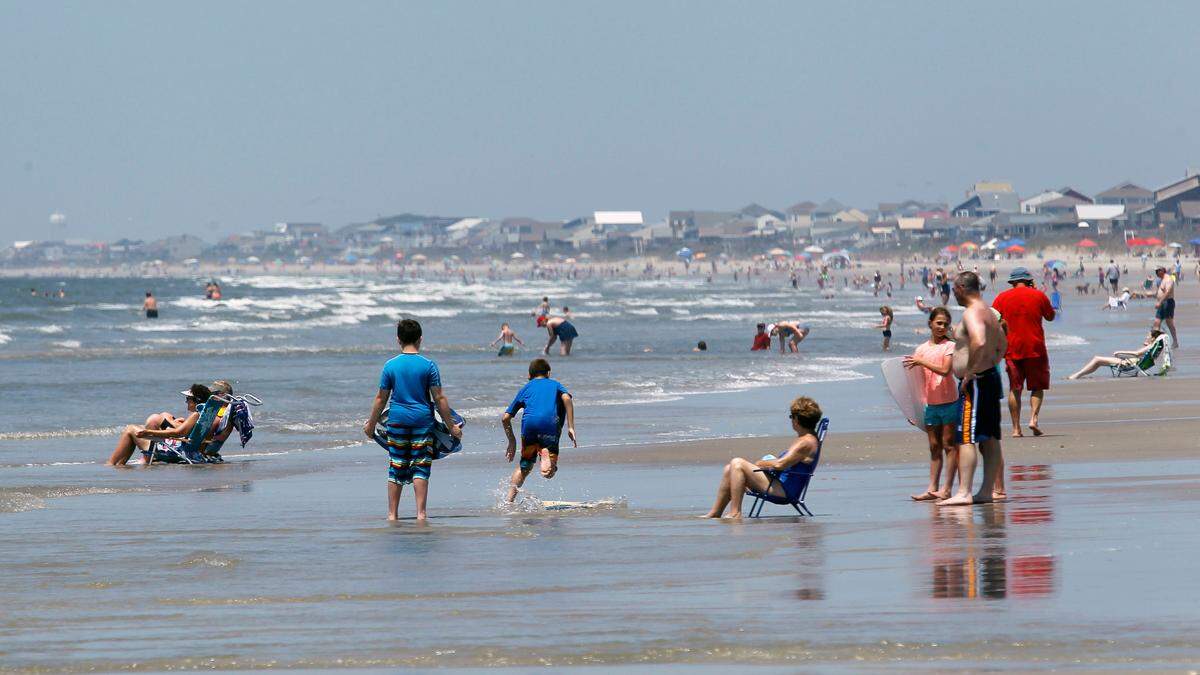
Although wearing a thong isn’t against North Carolina state law, some towns and beaches have local rules requiring the buttocks to be covered, according to Denning. Additionally, many municipalities have ordinances that mandate women wear tops, even though the same rules don’t apply to men, The News & Observer previously reported.
Other towns have more relaxed laws, such as Carolina Beach, which voted to strike the word “buttocks” from the public nudity ordinance in 2019, WBTW reported.
NC indecent exposure laws
Anyone who exposes their private parts in a public place in the presence of one or more individuals can be charged with indecent exposure in North Carolina, according to Powers Law Firm based in Charlotte.
“For example, the act of engaging in sexual acts with your spouse, girlfriend, boyfriend, or sexual partner in a vehicle parked in a public place can be considered indecent exposure under North Carolina criminal laws,” the firm says.
What is the punishment for indecent exposure in NC?
According to Raleigh-based law firm Kurtz & Blum, indecent exposure is typically classified as a misdemeanor, carrying a penalty of up to a $1,000 fine and 30 days of probation for individuals with no prior offenses.
If someone exposes themselves to a minor under 16 with the intent to arouse or gratify sexual desire, the charge can be elevated to a felony, which may result in a prison sentence of up to 25 months.
This story was originally published June 18, 2025 at 4:14 PM with the headline "Can you wear a thong at NC beaches? What indecent exposure laws say."