Here’s when & where you’re most likely to run into a copperhead in NC
AI-generated summary reviewed by our newsroom.
- Copperheads cause over 90% of venomous snake bites in North Carolina annually.
- Snakes stay active from March to October, with peak copperhead encounters in summer.
- To deter copperheads, mow tall grass and remove food sources that may attract rodents.
Copperheads likely account for more than 90% of venomous snake bites in North Carolina, according to the N.C. Wildlife Resources Commission. And the snakes are usually more active during the warmer months.
Snakes usually come out of their winter rest in March or April and stay active through October, since they need warmth from the sun to survive, according to N.C. State’s College of Natural Resources.
That means the probability of encountering a copperhead (and getting bitten) goes up during summer, but there are ways to avoid them.
Here’s when and where you’re most likely to encounter a copperhead in North Carolina.
Where are copperheads in NC?
Copperheads like wooded areas where they can find plenty of prey, N.C. Wildlife Biologist Falyn Owens previously told The Charlotte Observer — but that doesn’t mean they won’t show up in your yard.
“They do pretty well in mature suburban areas, especially if there’s a lot of very mature landscaping.” said Owens.
“Even in an urban area, there could be a parking lot that has bushes and trees and tall grass that hasn’t been mowed, so that could be good habitat for a copperhead.”
Copperheads can be found in all 100 counties across the state, N.C. Wildlife says.
What time of day are copperheads most active?
Copperheads may be active by day or night, but they are usually nocturnal in hot weather, according to N.C. Wildlife.
This means they’re most active during the late evening and early morning hours in summer. Most snakes prefer to hunt at night, N.C. State’s College of Natural Resources says.
What do copperheads look like?
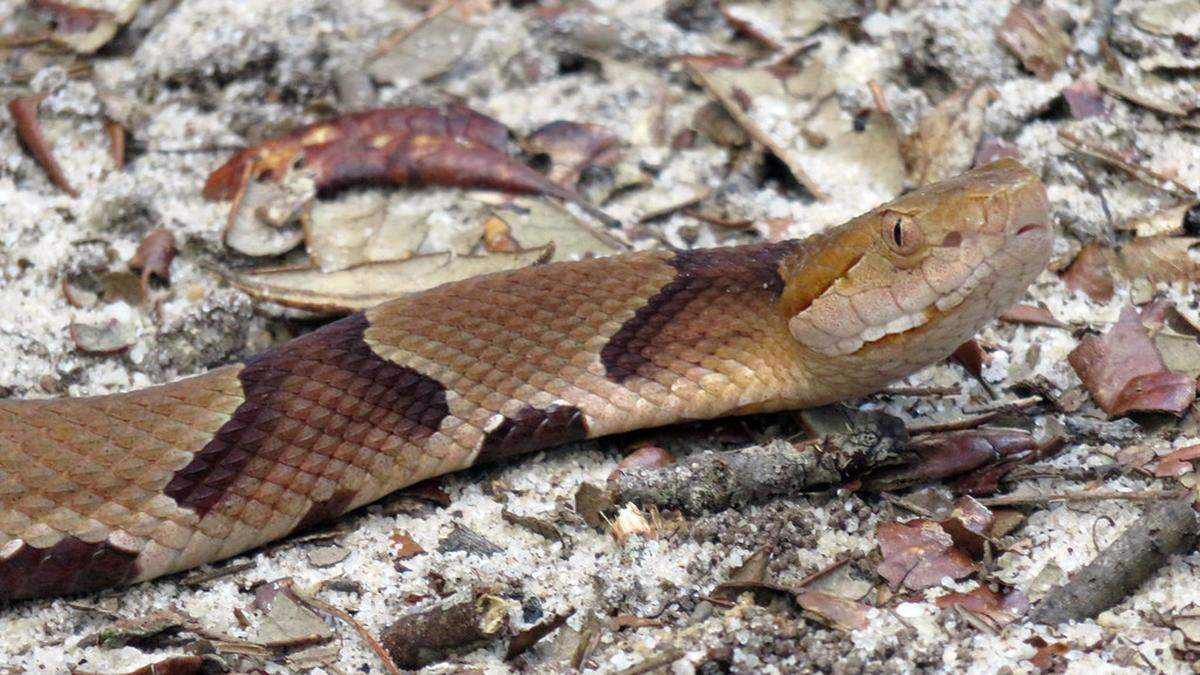
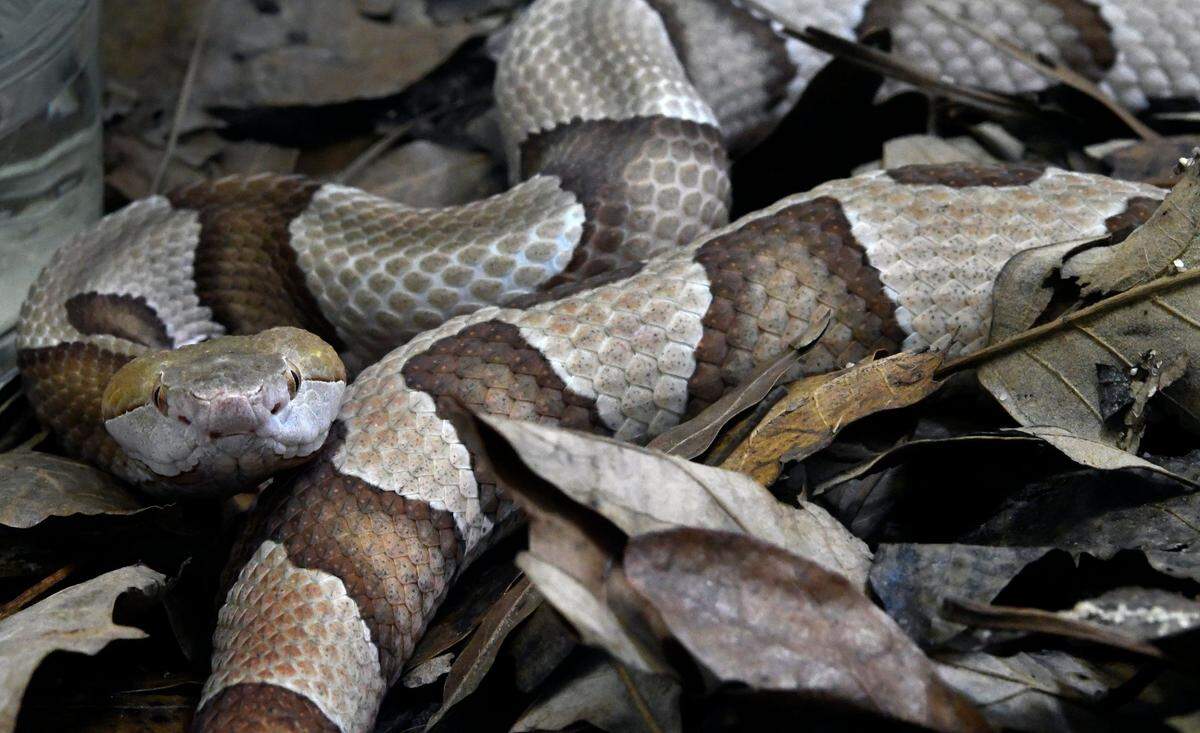
Copperheads, as described by N.C. Wildlife, are heavy-bodied snakes with an average adult length of 2 to 3 feet. They have light brown, copper or tan backgrounds with strongly contrasting crossbands described as being shaped like hourglasses or Hershey’s Kisses.
Their heads are somewhat triangular, and their pupils are vertical and elliptical.
It’s common name came from its “coppery brown head,” N.C. Wildlife says.
What should you do if you’re bitten by a copperhead?
If a copperhead bites you, seek medical attention right away, Owens advised.
“That is because you can’t tell whether or not you’re going to have an adverse reaction,” Owens explained. “You don’t want to take a risk that you assume everything is okay, and then you end up having health issues if you don’t go to a doctor.”
NC Poison Control offers the following advice for those who are bitten by snakes:
Sit down and stay calm.
Gently wash the area with warm, soapy water.
Remove any jewelry or tight clothing near the bite site.
Keep the bitten area still, if possible, and raise it to heart level.
Call NC Poison Control at 1-800-222-1222.
How to keep copperheads away from your home
Owens said the best way to keep copperheads away is to remove tall grass and shrubs and anything else that could attract rodents near your home.
“Things like pet food or bird seed can attract rodents, and then the copperheads are going to come and take advantage,” Owens said.
Though some may want to attempt to move copperheads away from their home, relocation is not safe for them.
“Most snakes don’t do very well when they’re relocated, because their home is where they need to be. That’s where they know how to survive,” Owens said.
“When you remove them from their home territory, basically they’re just going to go right back.”
This story was originally published July 1, 2025 at 6:00 AM with the headline "Here’s when & where you’re most likely to run into a copperhead in NC."