This rare wolf species only in NC just welcomed new pups. Here’s what to know
AI-generated summary reviewed by our newsroom.
- Four wild red wolf litters were born on North Carolina's Albemarle Peninsula.
- Fewer human-caused deaths and landowner partnerships aid red wolf recovery.
- An estimated 18 adults and 10-12 pups now roam freely in their native habitat.
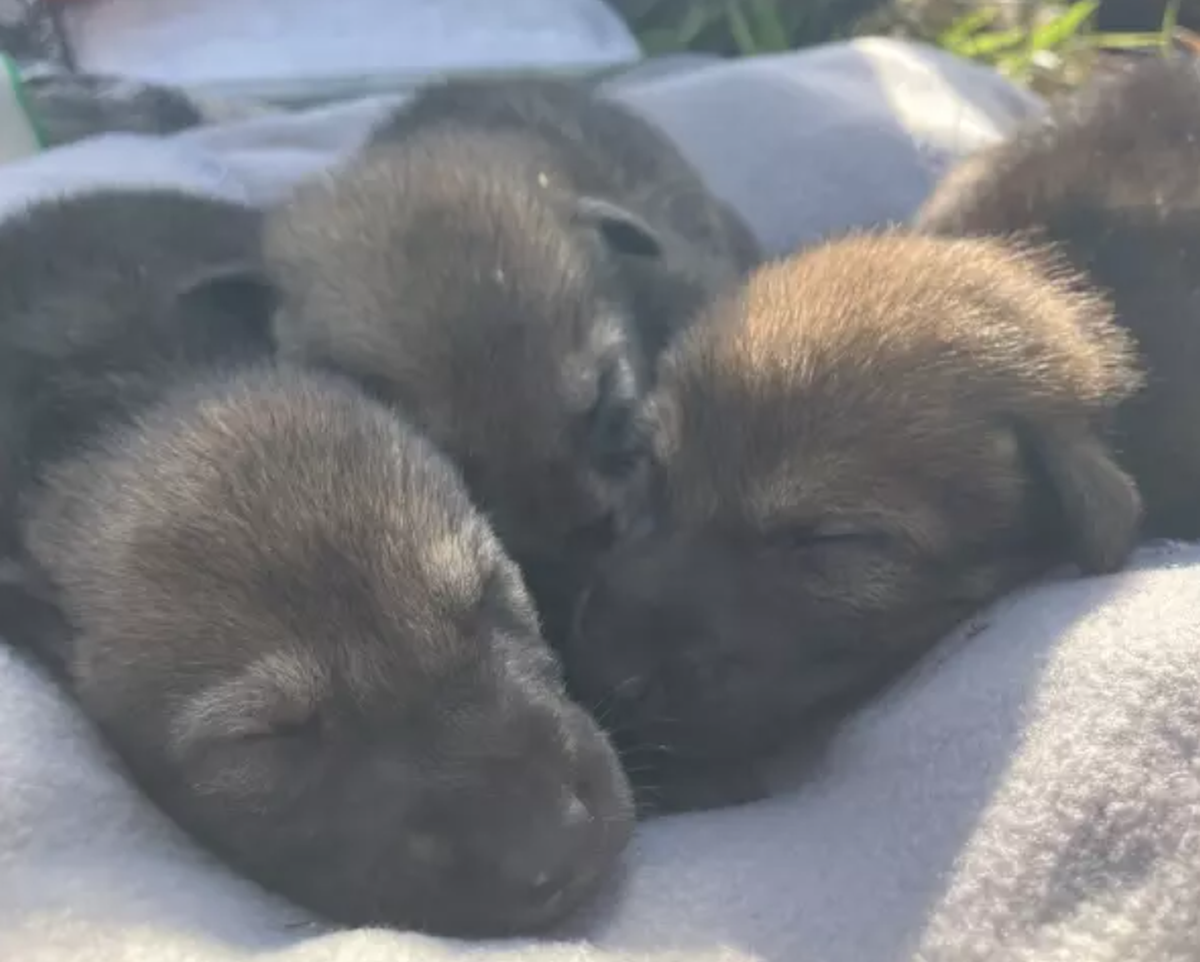
The Red Wolf Recovery Program in eastern North Carolina has confirmed the birth of four litters of wild red wolf pups on the Albemarle Peninsula
It’s the only place in the world where the critically endangered species roams free.
According to the Red Wolf Coalition, a North Carolina-based organization that advocates for long-term red wolf restoration, the animals are an ancient species closely related to the coyote.
The news marks a promising step for a species that was once extinct, according to a news release from Defenders of Wildlife, a Washington D.C.-based nonprofit conservation organization dedicated to protecting and restoring imperiled species and their habitats across North America.
It also comes just a few months after three red wolf pups were born at Durham’s Museum of Life and Science, The News & Observer reported.
Red wolves were first reintroduced to North Carolina in 1987 by the U.S. Fish & Wildlife Service, The N&O reported. Their population peaked at around 120, but has since dwindled to about 30 in the wild.
How many red wolves are left?
According to the Defenders of Wildlife, there are now about 18 adult red wolves in the wild, along with an estimated 10 to 12 pups.
“We are thrilled to hear of more Red Wolf pups born in North Carolina,” said Heather Clarkson, Southeast outreach representative at Defenders of Wildlife. “This continued growth in the wild population is a testament to the hard work and dedication of the Service and its partners, and to nature’s resilience. Red Wolves are survivors, and with public support and space to roam, they can flourish.”
Here’s what to know about the species.
What do red wolves look like?
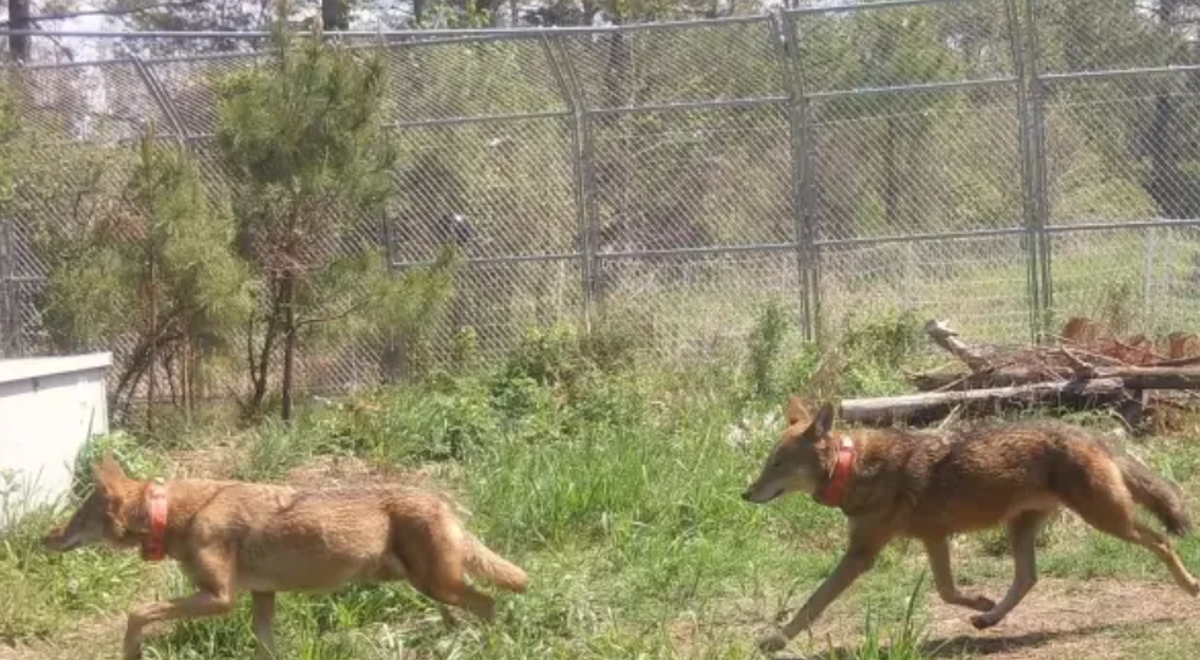
Adult red wolves typically weigh between 50-80 pounds and measure up to five feet in length, according to the Red Wolf Coalition.
They’re usually around 26 inches tall, with colors varying from dark gray to gray mixed with cinnamon, tan and black. They also often have reddish hue on their ears and on the backs of their legs.
Their habitats include forests, wetlands, mountains and coastal prairies.
Are red wolves coming back?
U.S. Fish & Wildlife (FWS) officials credit the uptick in births to stronger partnerships with private landowners and collaboration with conservation groups, according to the release. Over the past year, human-caused wolf deaths have declined, giving the population more stability.
In 2023, Defenders of Wildlife, which has been involved in red wolf recovery since the 1980s, reached a settlement requiring the FWS to implement proven management strategies, including annual wolf releases, to strengthen the wild population.
Before, the wolves were declared extinct in the wild by 1980 before captive-bred wolves were reintroduced to the Albemarle Peninsula, according to the FWS.
What do red wolves eat?
Red wolves’ diet includes white-tailed deer, marsh rabbits, raccoons and small rodents, according to the RWC.
They can eat up to five pounds of food daily, and they’re known to travel up to 20 miles per day in search of food, the RWC says.
Are red wolves dangerous?
It depends. Red wolves are “shy and elusive,” but they’re also “top predators,” according to the RWC.
The RWC says red wolves can become dangerous to humans if introduced to them, such as a person providing them with food.
“There may be wisdom in the cautionary statement that wolves should remain, to some degree at least, afraid of people,” the RWC says. “But as development erodes more wild land, wolves will be forced to live in proximity to humans.”
This story was originally published August 13, 2025 at 4:53 PM with the headline "This rare wolf species only in NC just welcomed new pups. Here’s what to know."