
Bears with ‘extreme’ appetites are on the move, so you may see more in NC
Lions and tigers aren’t top of mind for most North Carolinians — but bears are a different story.
This fall, residents should prepare to see more of them as the furry creatures search to satisfy their “extreme appetites,” the North Carolina Wildlife Resources Commission said.
This increase in feeding, called hyperphagia, occurs in late summer into fall and can stretch into early winter, state wildlife experts said. The “opportunistic eaters” travel far and wide — sometimes outside their normal range — in search of food before hibernating, upping the chance for human encounters.
Here’s what to know about increased bear activity in NC.
Where are bears in NC?
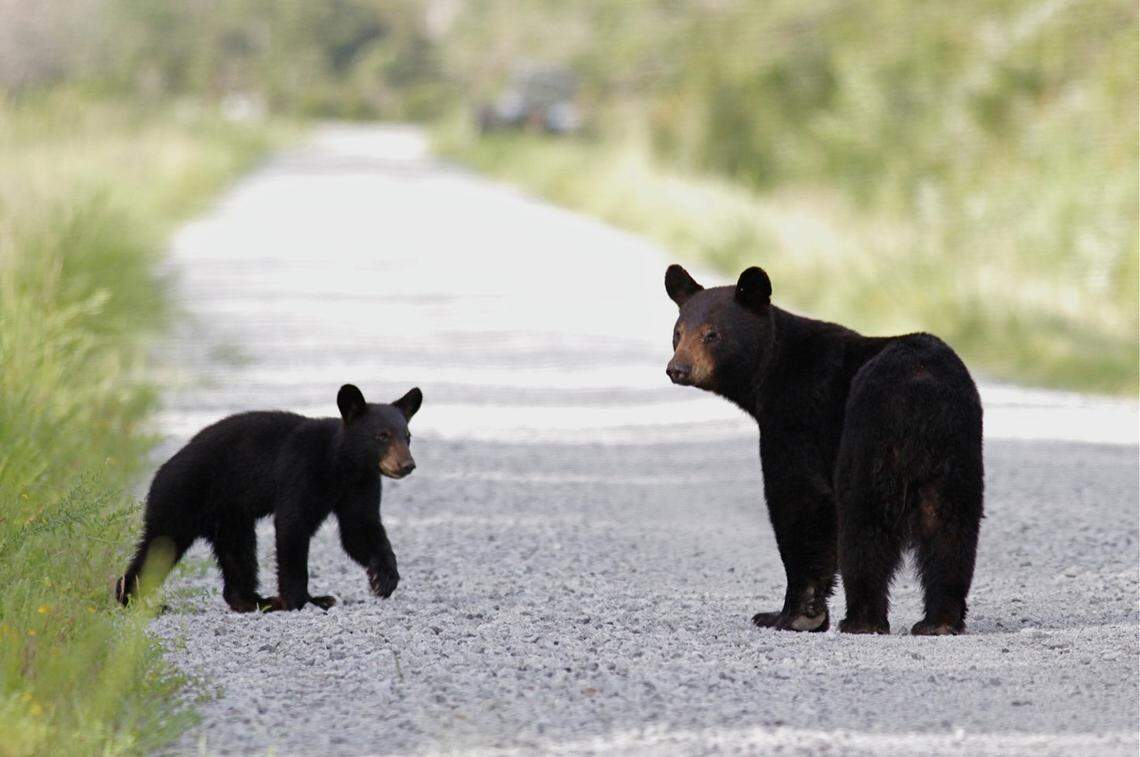
Once restricted to remote parts of North Carolina, black bears are found in approximately 60% of the state’s total land area, mostly in the mountains and coastal areas, the NCWRC’s website says.
The creatures prefer large, dense areas in the woods and wetlands. However, their insatiable appetites may cause them to roam into new areas.

This time of year, the agency said it sees an uptick in reports of bear sightings in public places, near residences, on roadways and in wooded areas.
Really, any place with an abundant food source is fair game for a hyperphagic bear.
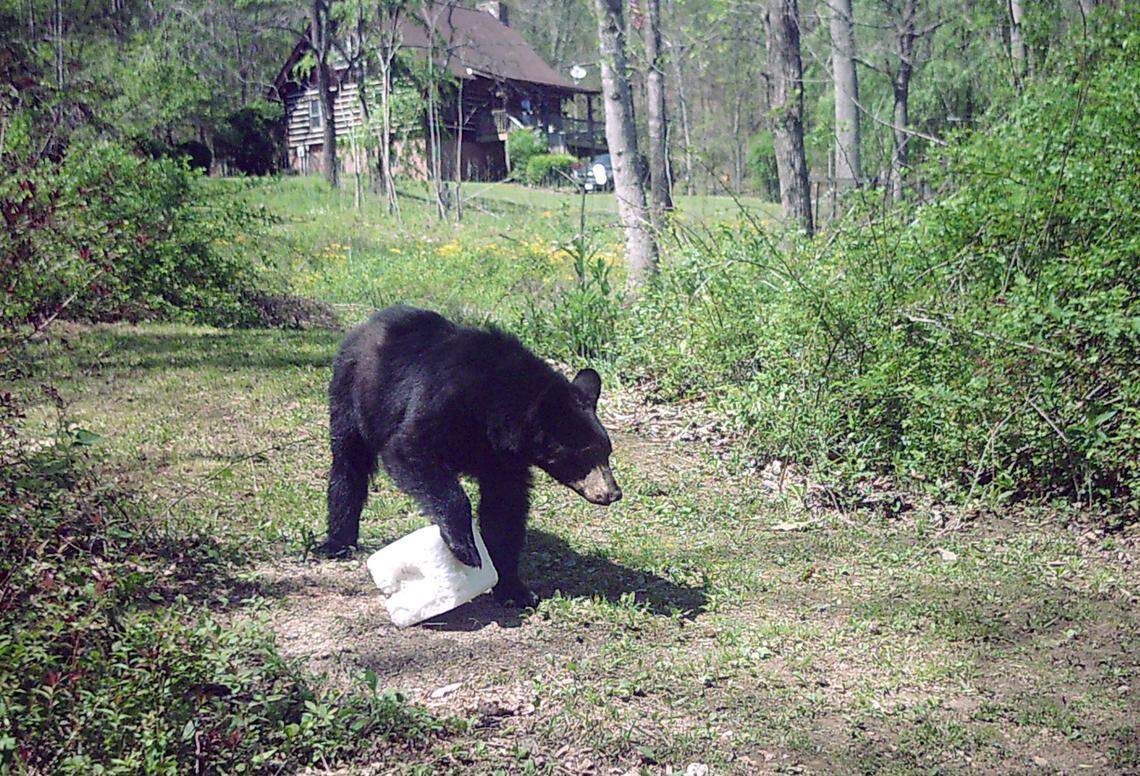
They eat “a variety of hard and soft mast species, from acorns and hickory nuts to pokeberry, cherry, grapes and black gum,” said black bear biologist Jenna Malzahn. “They’ll also take advantage of agricultural crops, such as soybeans and standing corn, as well as bird feeders and unsecured garbage and compost.”
Bears are more likely to be spotted at dawn or dusk, when they’re most active, experts said.
How to bear proof your home
When natural food sources are in short supply, human-provided foods can prove even more tempting for voracious black bears, according to BearWise.org.
“Just one bird feeder full of black oil sunflower seed or one garbage container overflowing with leftovers can reward a bear with a day’s worth of calories for less than an hour’s work,” according to the website.
Experts said there are steps you can take to keep them away:
- Don’t leave food out after grilling; be sure to remove any trash, empty cans, bottles or anything with a smell that could attract bears.
- Harvest any fruit or produce from your garden a few days before they’re ripe.
- Avoid adding smelly meats, fruit rinds or other sweet-smelling food scraps to your compost.
- Don’t put out bird feeders, as bears can sniff out birdseed from more than a mile away.
- Keep any garbage inside until its ready to be picked up, or get a bear resistant trash can.
- Feed pets indoors whenever possible.
What happens during hyperphagia?
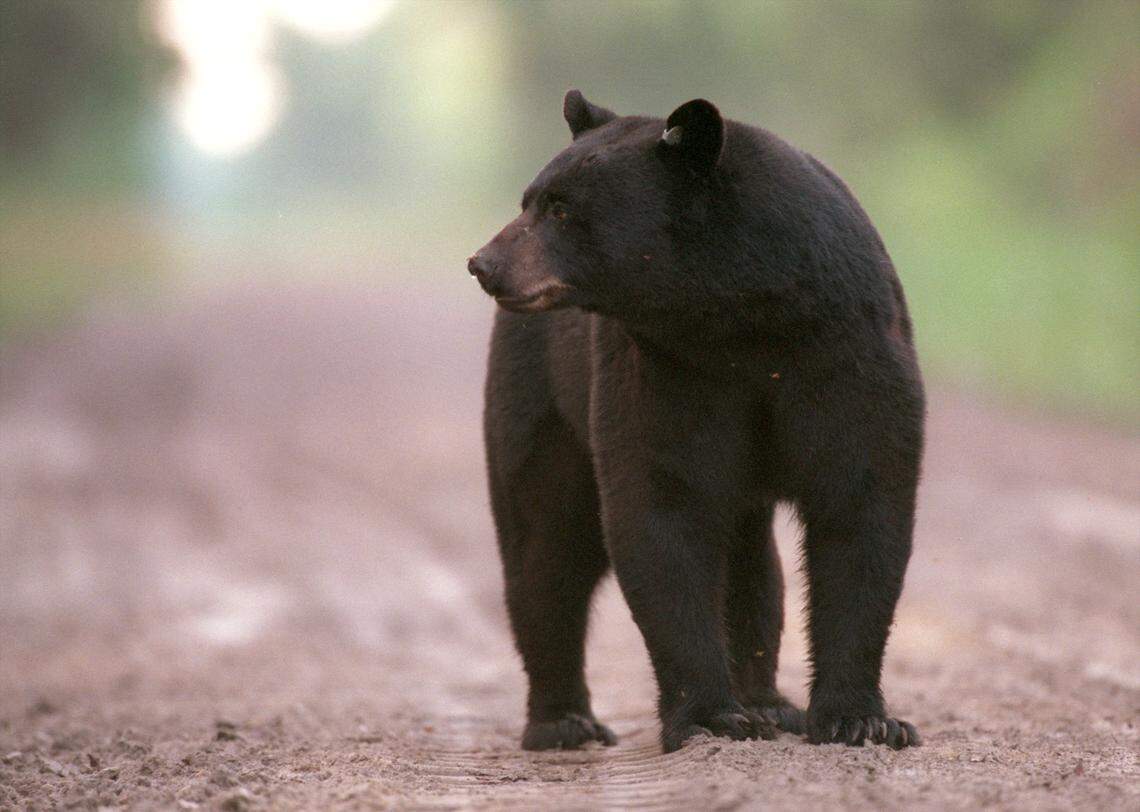
Hyperphagic bears travel great distances and can spend up to 20 hours per day hunting for food, according to the NCWRC.
“Even bears that won’t den until January or February still look for food practically around the clock and eat as much as they can find,” said Colleen Olfenbuttel, game mammals and surveys supervisor at the agency.
“However, in areas where bears have found dependable year-round supplies of human-provided foods, they may not hibernate at all but will eat as if they are going to,” she said.
Bears usually weigh somewhere between 200 to 600 pounds, according to National Geographic.
During their marathon of munchies, state wildlife experts say they can gain three pounds per day and add 20% to 100% of their summer weight.
What to do if you see a bear
Bear attacks are rare, but it’s best to be prepared in case you come across one.
According to the National Park Service, there are several steps you can take to stay safe and prevent a bear encounter from escalating into attack.
- Identify yourself: Talk calmly and slowly wave your arms. This can help the bear realize you’re a human and nonthreatening.
- Stay calm: Bears usually don’t want to attack; they want to be left alone. Talk slowly and in a low voice to the bear.
- Don’t scream: Screaming or other loud noises could trigger an attack.
- Pick up small children: Don’t let kids run away from the bear. It could mistake them for small prey.
- Hike in groups: A group is noisier and smellier, the National Park Service said. Bears like to keep their distance from groups of people.
- Make yourself look big: Move to higher ground and stand tall. Don’t make any sudden movements.
- Don’t drop your bag: A bag on your back can keep a bear from accessing food, and also doubles as protection.
- Walk away slowly: Move sideways so you appear less threatening to the bear, experts say. This also lets you keep an eye out. Do not run.
This story was originally published September 12, 2025 at 10:26 AM with the headline "Bears with ‘extreme’ appetites are on the move, so you may see more in NC."