Invasive spotted lanternflies are active in NC. What to do if you see one
AI-generated summary reviewed by our newsroom.
- Spotted lanternfly infestations confirmed in three North Carolina counties.
- Insects feed on sap and threaten crops, vineyards and beer-related hops yields.
- Residents urged to check for egg masses, use pest control and prevent spread.
An eye-catching pest has made its way to North Carolina, and experts say it could spell trouble for crops, vineyards and even the state’s craft beer industry.
The spotted lanternfly, first detected in the U.S. in 2014, according to the National Park Service, has quickly spread across several states thanks to a lack of natural predators and favorable conditions.
The Charlotte Observer spoke to Chris Hayes, an extension associate of structural pest management at NC State University who specializes in educating the pest management industry on critter habits, to find out more about the insects.
Here’s what you need to know.
What time of year are spotted lanternflies most active?
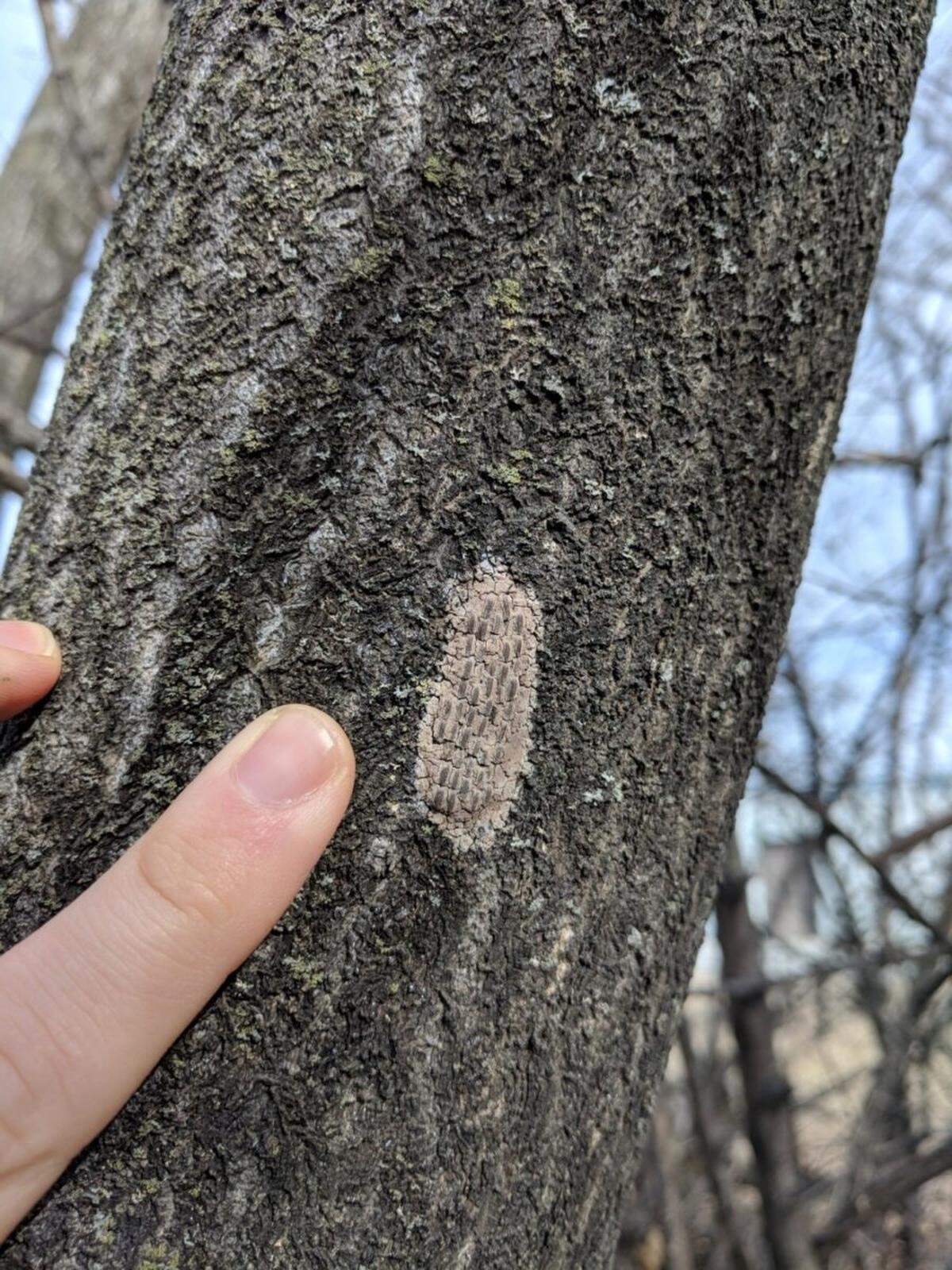
Spotted lanternflies are most active during the warmer months, Hayes said, noting that adults lay egg masses on trees, where embryos spend the winter.
What do spotted lanternflies look like?
Hayes explained that spotted lanternflies go through several striking transformations.
As nymphs, they resemble tiny black beetles with white spots before shifting to a red-and-black speckled appearance.
Though they look beetle-like, Hayes noted they’re actually more closely related to aphids (small, sap-sucking insects) and feed on plants.
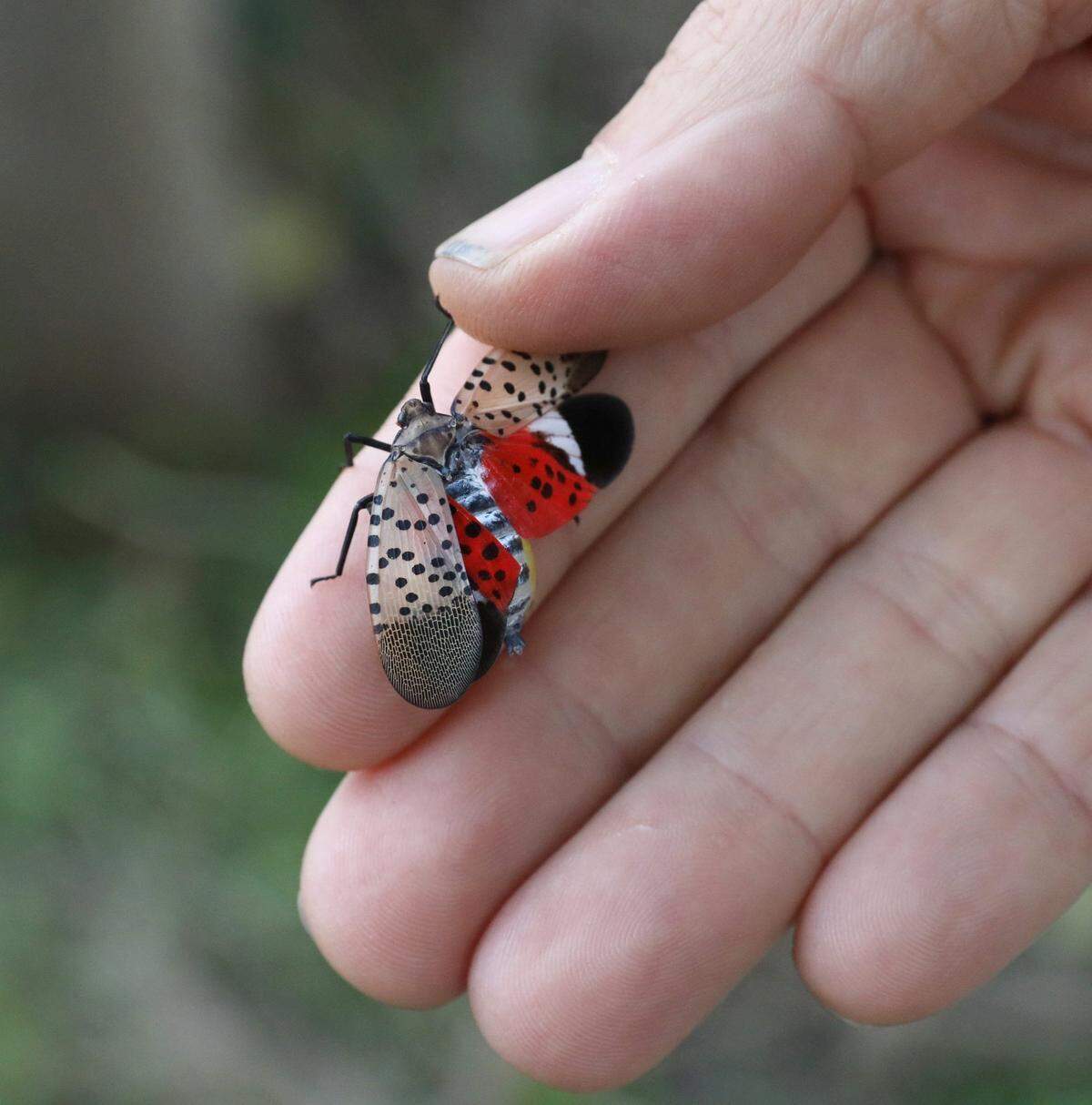
Once mature, their wings turn a dramatic white-and-black pattern, with a vivid red and black display hidden underneath.
“They actually look really cool for something that is a major concern,” Hayes said. “They’re a very distinctive, visual insect.”
Where are spotted lanternflies typically found?
Spotted lanternflies are typically found on trees feeding, Hayes said.
“Their favorite tree is called the tree-of-heaven, and some people will use it in ornamental arrangements and things like that, around structures,” said Hayes. “But they’ll feed on a variety of trees and plants and shrubs that they can pierce into with those mouth parts, and they’ll just line the trunks or the branches of those trees.”
As for their distribution across the state, Hayes advised residents to check the N.C. Department of Agriculture quarantine map to see where they are.
According to that map of spotted lanternfly infestations across the country, infestations have been reported in three North Carolina counties: Rockingham, Guilford and Forsyth.
How are spotted lanternflies harmful?
Hayes said spotted lanternflies “place an immense burden on plants” by sucking the sap from their stems, bark and leaves, which can lead to “lower production of fruits and fruiting yields” and reduced harvests.
In North Carolina, he warned, the pests pose “a major threat to the beer production industry” because of their impact on hops.
As spotted lanternflies feed, they draw out so many nutrients from trees and plants that they release a sticky, sugar-heavy liquid known as honeydew, The News & Observer reported. This residue often encourages the growth of sooty mold around the base of plants, blocking photosynthesis and creating an unpleasant appearance.
Their feeding can also cause sap to ooze from plants, sometimes giving off a fermented odor that attracts other insects like yellow jackets, bees, ants and flies, the N&O reported.
How can homeowners get rid of spotted lanternflies?
Homeowners can get rid of spotted lanternflies by killing them, Hayes said.
“The faster you kill it, the better,” Hayes said, adding that you have to move swiftly to squish them since they’re fast flyers. “We want to prevent their spread for as long as possible.”
If you notice multiple spotted lanternflies near your home, you should contact a pest control company, Hayes said, to see what their recommendations are for the best insecticide to control these pests.
How to prevent spotted lanternflies from invading your home
Unfortunately, there aren’t any effective ways for homeowners to prevent spotted lanternfly invasions.
That means once the insects arrive, they’re likely to thrive – and spread quickly.
“They’re good at spreading because they don’t have any natural predators, and they are moving into areas that are really good for them,” Hayes said. “We’ve got humidity that’s perfect for them, and we’ve got copious amounts of food and no real predators.”
However, you can use these tips from the U.S. Department of Agriculture to reduce their population:
- Check plants and trees: Look for insects or egg masses, especially on tree-of-heaven.
- Keep cars closed: Roll up windows and avoid parking under trees in areas where there are infestations.
- Inspect vehicles: Before leaving, check wheel wells, bumpers, grills and roof for bugs or eggs.
- Destroy eggs safely: Scrape them into a sealed bag with alcohol or sanitizer, then trash it.
- Watch outdoor items: Check furniture, firewood or equipment before bringing them inside or moving them.
This story was originally published September 24, 2025 at 6:00 AM with the headline "Invasive spotted lanternflies are active in NC. What to do if you see one."