Duke Energy wants coal, gas for rising power needs. Clean-energy groups object.
AI-generated summary reviewed by our newsroom.
- Duke Energy proposes new gas and nuclear plants and extends coal lifespans.
- Clean-energy groups warn plan raises bills, boosts methane use and ignores targets.
- Regulators face scrutiny as law lets Duke charge customers before plants exist.
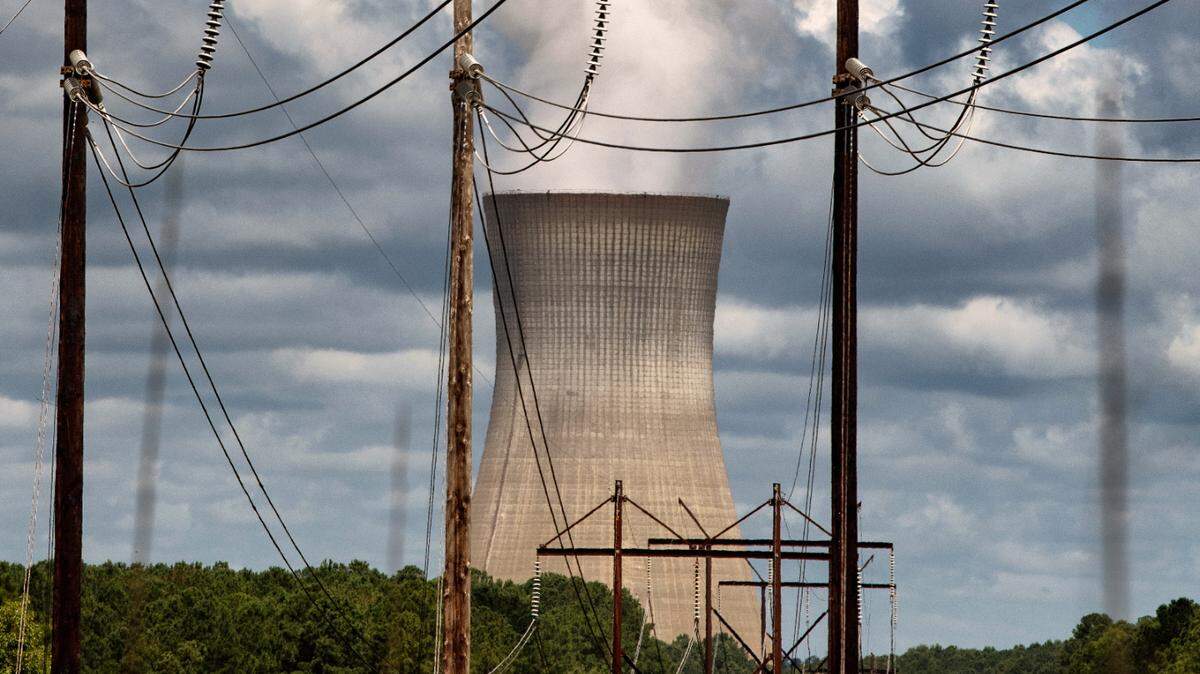
Duke Energy expects North Carolina’s electricity demands to soar over the next 15 years and says it will meet the need reliably and affordably by building new gas and nuclear power plants and extending the lives of its aging coal-fired plants.
Clean-energy advocates have assailed the company’s new “Carbon Plan” update, saying it commits the state to old-school polluting technologies or unproven designs that could cost rate-payers billions of dollars while better, cheaper options are available.
“North Carolina is the top state for business, and our focus is on ensuring Duke Energy’s low energy rates continue to support this region’s economic success,” Kendal Bowman, Duke Energy’s North Carolina president, said in a statement accompanying the plan’s release this week. “By expanding our diverse generation portfolio and maximizing our existing power plants to meet growth needs, we will ensure reliable energy while saving all our customers money.”
Gov. Josh Stein and public interest groups including NC WARN, the Southern Alliance for Clean Energy, the Sierra Club, Vote Solar and the Southern Environmental Law Center say the plan ultimately would result in higher bills for customers and make it harder for North Carolina to meet its goal of carbon neutrality by 2050.
“Duke Energy is retreating from the state’s clean energy future that can continue to bring good jobs and lower costs to North Carolina,” Stein said in a statement. “In its plan, Duke has eliminated wind, reduced solar, and delayed nuclear while increasing our dependence on price-volatile natural gas and coal. I call on the utilities commission to require significant changes to secure a clean and affordable energy future for North Carolinians.”
Jake Duncan, the southeast senior regulatory director for Vote Solar., summed up the plan this way: “Duke Energy published yet another plan that lets North Carolinians down,” said “This is the third Carbon Plan that fails to meet the moment. Instead of investing enough in low-cost, fuel-free distributed clean energy resources like solar that strengthens communities and lowers bills, Duke is doubling down on massive new methane gas plants and delaying coal retirements. The result will be higher costs for families, more pollution in local communities, and a worsening climate crisis.”
The burning of fossil fuels such as gas, coal and oil generates carbon dioxide, a greenhouse gas that traps the heat from sunlight, warming the planet. Data from the National Aeronautics and Space Administration show that global warming is resulting in the loss of sea ice, accelerated sea level rise and longer and more intense heat waves.
What is a Carbon Plan?
The Carbon Plan, also called the Resource Plan, is released every two years and updated each year in between to help North Carolina politicians, regulators and residents understand how Duke Energy — a regulated monopoly — plans to handle the state’s power demands.
The plan must be approved by the N.C. Utilities Commission, which tries to balance the need for enough power-generating capacity to attract and keep industry without putting rate-payers on the hook for building more power plants than needed or ones that don’t function properly.
The Carbon Plan is expected to be under especially close scrutiny by watchdog groups since North Carolina legislators approved Senate Bill 266 in July, overriding the governor’s veto and allowing Duke Energy to charge customers in advance for power plants, before they’re built or brought online.
This method of financing, called Construction Work in Progress, saves the utility, and by extension its customers, interest that would be charged on borrowed construction funds. But in other states it has resulted in rate-payers funding plants that were never completed or came in late and far over budget.
The bill also allows Duke Energy to miss a goal of a 70% reduction in carbon dioxide emissions from 2005 levels by 2030, which the company had agreed to but now says is unattainable.
The utility still is supposed to reach carbon neutrality — meaning that for every ton of carbon dioxide its plants produce, an equivalent amount of emissions is prevented — by 2050.
What’s new in the 2025 Carbon Plan?
In its release, Duke Energy, said its most recent calculations, the raw data for which are not made public, reflect “rising electricity demand across the Carolinas at an unprecedented pace, driven by the economic success of North Carolina and South Carolina. So far in 2025, companies have announced new projects delivering more than 25,000 jobs and $19 billion in investments in North Carolina, most of which are for new manufacturing facilities.”
“Across the Carolinas,” the release said, “customer energy needs over the next 15 years are expected to grow at eight times the growth rate of the prior 15 years. To put this in perspective, that projected increase in energy use is more than double the growth forecasted when the 2023 Carolinas Resource Plan was initially filed.”
To meet that need, Duke Energy proposes:
- New nuclear-powered plants, including a large light-water reactor and/or small modular reactors, which would not come online until 2037 at the earliest.
- The five new gas-powered plants it proposed in 2023 plus two additional combustion turbines for peak needs and additional storage for liquified natural gas to enhance reliability and guard against price volatility.
The plan includes some solar development and would increase battery storage capacity. It says that wind is “not an economically viable resource” for North Carolina customers through 2040 but says that will be reassessed at the next plan update.
The plan also calls for “maintaining an orderly exit from coal as approved by state regulators,” while extending the life of Duke’s coal-fired plants, citing the Trump administration’s plans to ease restrictions on coal.
The Environmental Protection Agency has said it wants to delay Biden-era restrictions on coal plants’ release of pollutants such as mercury and arsenic into waterways. The agency also wants to open up more than 13 million acres of now-protected federal land to coal leases, mostly in western states.
President Donald Trump’s Department of Energy also announced this week it will spend $625 million to “reinvigorate and expand America’s coal industry,” more than half of it on recommissioning and retrofitting coal-fired power plants. The administration has said coal is needed to power the data centers that support AI.
North Carolina is home to 95 data centers, according to the tracking site datacentermap.com, with 39 clustered around the Charlotte area and 16 total in Raleigh and Durham.
The Energy Department also announced this week it’s canceling $7.56 billion in funding for 223 projects in the research and deployment of clean energy and other climate-friendly technology across the country but mainly in Democrat-led states, the Washington Post reported. That’s in addition to billions of dollars in earlier cuts to programs supporting green technology and renewable energy sources, and a proposal to rescind regulations on greenhouse gas emissions.
Environmental groups question Duke Energy’s math
At the inaugural meeting this week of Gov. Stein’s N.C. Energy Policy Task Force, delegates heard from experts around the country about the importance of reliable, affordable and safe energy sources. They also heard that estimating future electrical demands is tricky, because the main drivers — growth in manufacturing, data centers and population — are hard to predict.
Even after a manufacturing plant has broken ground, plans can change; Vietnamese carmaker VinFast now says its Chatham County facility won’t open until 2028.
Watchdog and environmental groups such as the Sierra Club say that because Duke Energy gets paid a premium on construction costs, the company maximizes profits by building big centralized power plants that rely on polluting technology other utilities and countries are trying to phase out.
“Duke is a monopoly utility that has shareholders and they are guaranteed a rate of return on things that they build, so there is incentive for them to build things,” said Mikaela Curry, manager of the Sierra Club’s “Beyond Coal” campaign.
But what’s good for a company’s profits “is not always good for the families and rate-payers of North Carolina.”
Jim Warren, executive director of NC WARN, said Duke Energy also has an incentive to overestimate the amount of electricity that will be needed in the future to justify additional construction, the cost of which is passed on to rate-payers. NC WARN has challenged Duke Energy in the past over plans to add nuclear reactors at its Shearon Harris plant in New Hill, southwest of Raleigh.
Duke’s new resource plan “continues the horrible record of one of the world’s worst climate polluters,” Warren said. “Duke proposes to greatly increase methane gas for power and experimental nuclear plants while extending its burning of coal for at least 15 years. The plan slashes projections for large-scale solar and continues its suppression of rooftop solar. This would put billions into the rate system, leading power bills to double or triple over time while driving even more weather disasters that are devastating North Carolina communities.
“We call on Governor Stein and other state leaders to denounce and rein in this out-of-control corporate monopoly.”
Warren said that even if Duke’s estimates about rapid future growth in manufacturing pan out, the utility and state legislators could create incentives for companies to install solar collection and battery systems that would reduce strain on the electrical grid and provide some security against outages.
“Solar is the cheapest form of electricity ever created,” Warren said. Especially in cases where the state offers incentives for companies to locate here, Warren said, “There should be a requirement that these places use some of their investment up front to make their facilities as self-generating as possible in terms of their energy use. Why wouldn’t you? You have all these huge buildings and the roofs and walls and parking areas are empty. We should be having solar and storage put on all these places.”
What happens next with the Carbon Plan?
The N.C. Utilities Commission will schedule a public comment period and hearings on the Carbon Plan and issue and order on the plan by Dec. 31, 2026.
This story was produced with financial support from the Hartfield Foundation and Green South Foundation, in partnership with Journalism Funding Partners, as part of an independent journalism fellowship program. The N&O maintains full editorial control of the work. If you would like to help support local journalism, please consider signing up for a digital subscription, which you can do here.
This story was originally published October 3, 2025 at 7:00 AM with the headline "Duke Energy wants coal, gas for rising power needs. Clean-energy groups object.."