See the video: NC copperhead bite caught in slow motion in new study
AI-generated summary reviewed by our newsroom.
- Researchers filmed 36 venomous snake species with multi-camera high-speed setups.
- Study recorded strikes up to 9.2 ft/s and measured fang motion and venom delivery.
- Copperheads cause about 90% of NC bites; seek immediate medical care after any bite.
Scientists have captured high-speed video of venomous snake strikes, including this dramatic footage of a copperhead. Authors of the study, which was published last week in the Journal of Experimental Biology, say this footage is the first of its kind.
The slow-motion footage features video of a copperhead, revealing just how lightning-fast these attacks are, with top strike speeds of about 9.2 feet per second, according to the results of a recent study.
The study filmed 36 venomous snake species using multiple high-speed cameras to track their movements in three dimensions. Researchers used medical gel as a prey substitute, allowing the snakes to strike naturally while capturing detailed data on strike speed, fang movement and venom delivery.
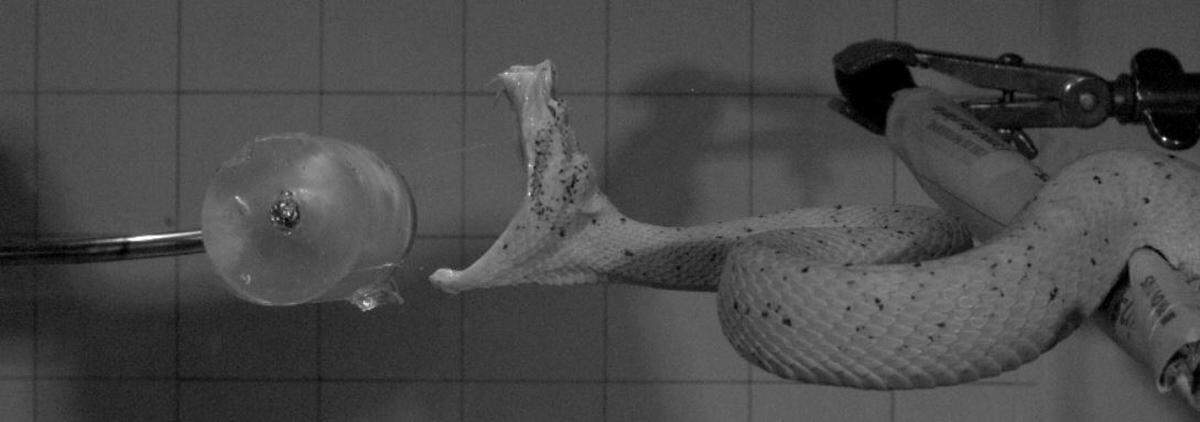
Vipers, like the copperhead, struck from coiled positions in under 0.1 seconds on average, sometimes reinserting their fangs to ensure effective venom injection.
Copperheads are particularly notable in North Carolina because they are likely responsible for roughly 90% of venomous snake bites in the state, according to the N.C. Wildlife Resources Commission.
Copperheads usually hang out in wooded areas, but they can also appear in suburban yards or city green spaces with bushes and tall grass, N.C. Wildlife biologist Falyn Owens previously told The Charlotte Observer.
If you are bitten by a copperhead, you should seek medical help right away.
This story was originally published October 28, 2025 at 3:30 PM with the headline "See the video: NC copperhead bite caught in slow motion in new study."