Charlotte hospitals limit visitors amid flu spike. Here’s who can/can’t go
Charlotte hospitals are restricting visitors due to a spike in flu cases in the state.
Novant Health will temporarily restrict hospital visitors under age 13 at its North Carolina facilities beginning Tuesday, Dec. 30, at 7 a.m., citing a rise in respiratory viruses including the flu, the company told The Charlotte Observer in an email.
Atrium Health says visitors are still allowed during cold and flu season, but with added restrictions at certain facilities to protect vulnerable patients. Visitors with respiratory symptoms are asked not to visit, children 12 and under are generally restricted with limited exceptions and masks are recommended in patient care and waiting areas.
“We’re seeing a noticeable rise in respiratory viruses including flu cases across the communities we serve,” Dr. David Priest, senior vice president and chief safety and quality officer at Novant Health, said in a news release. “These temporary visitor restrictions are another way to help safeguard our most vulnerable patients while they’re being treated in our hospitals. We appreciate our communities for taking extra care and working with us to help slow the spread.”
Data from the state backs that up. According to the N.C. Department of Health and Human Services, influenza-like illness accounted for just 1% of emergency department visits statewide during the week of Nov. 8. That share climbed steadily, reaching 5% of all ED visits by the week of Dec. 13. Over the same period, hospital admissions for flu-like symptoms jumped from 81 to 480 — a 493% increase.
Here’s what you need to know.
How is this flu strain different from others?
Current data from the Centers for Disease Control and Prevention (CDC) suggests the H3N2 subvariant — the dominant subvariant in the U.S. — is more contagious than others.
H3N2 currently makes up nearly 90% of total cases reported in the country, CDC data show.
“Clearly, it’s out-competing the other strains of flu, which is suggesting it is more contagious,” Dr. David Weber, an infectious disease specialist at UNC Health, told The Observer.
Mecklenburg County flu vaccine rates
NCDHHS data show just under 20% of Mecklenburg County residents have received a flu vaccine during the 2025-26 season. That’s a lower rate than previous years, Weber said, adding that most counties tend to be around 30-50% vaccinated by this time during the flu season.
“It depends obviously on age and risk factors,” Weber said, referring to vaccination rates. “It’s not surprising that older people who are at higher risk are more likely to be immunized.”
Weber attributed some of the drop in vaccination rates to Human Services Secretary Robert F. Kennedy Jr., who is “not a vaccine advocate,” he said.
Kennedy’s tenure as health secretary has included halting a CDC flu-promotion ad campaign and pausing meetings of major vaccine advisory groups, actions that public health journalists and experts say could affect public confidence and vaccine uptake.
“Growing hesitancy” to get vaccines hasn’t just affected immunization rates for flu, Weber said, noting that vaccination rates for measles, rubella and pertussis (whooping cough) have decreased in recent years.
How to avoid the flu
There are several ways to protect yourself from catching the flu, The Observer previously reported.
- Wear masks: The illness spreads through airborne particles, so masking is especially important indoors and in crowded spaces as cases rise.
- Get vaccinated: Though official guidance from the CDC has shifted, health professionals recommend that most people 6 months and older get the latest flu shots.. Older adults can also get a high-dose flu shot.
- Use early treatments: Oral antivirals for flu work best when started quickly — within 48 hours of symptoms for flu.
- Stick to basic precautions: Cover coughs and sneezes, wash your hands, improve airflow by opening windows and stay home when you’re sick.
Is it too late to get a flu vaccine?
No. It’s definitely not too late, Weber said.
It takes one to three weeks to build immunity after vaccination, and with North Carolina’s flu season not expected to peak until late January, Weber said there’s still time to get the shot.
Weber said cases are expected to rise further after the holidays because of increased large gatherings.
“We almost always have bumps, not only at our hospital, but in North Carolina and countrywide after Christmas and New Year’s,” said Weber. “People get together for religious observances, and obviously, family and others get together.”
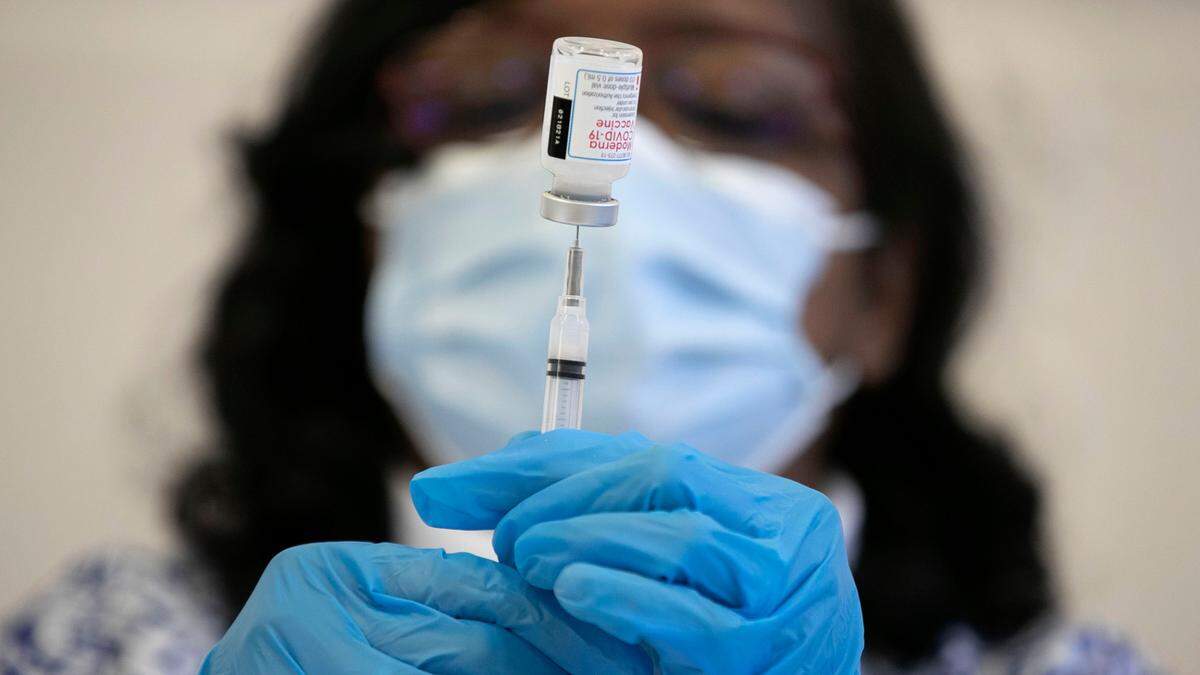
Where to get a flu vaccine in NC
Here’s where to get a flu vaccine in NC:
▪ Pharmacies: Walk in or schedule appointments at national pharmacies like CVS and Walgreens. You can also inquire with local neighborhood pharmacies.
▪ Grocery and big box stores: Walk in or schedule appointments at stores like Walmart, Target, Harris Teeter and Publix.
▪ Your healthcare provider: Of course, you can contact your doctor for an appointment.
The Charlotte Observer’s Chase Jordan contributed to this report.
This story was originally published December 29, 2025 at 12:37 PM with the headline "Charlotte hospitals limit visitors amid flu spike. Here’s who can/can’t go."