9 cold-weather tips to prepare your NC home (and car) for below-freezing temps
A major winter storm is expected to sweep across North Carolina this weekend.
Forecasters are calling for freezing temperatures and hazardous conditions in the Charlotte and Raleigh areas, plus other parts of the state. The system could bring several inches of snow and sleet, along with plenty of freezing rain that increases the risk of power outages and travel disruptions.
As the storm approaches, a few simple steps can help keep both you and your home safe. Using guidance from ReadyNC, the Centers for Disease Control and Prevention and the American Red Cross, here’s what you need to know.
1. Properly winterize and insulate your home
Weatherproofing keeps cold air out and heat in, lowering energy costs and improving comfort. Key steps include insulating attics and crawl spaces, sealing doors and windows with caulk or weather stripping, and adding storm windows or plastic coverings.
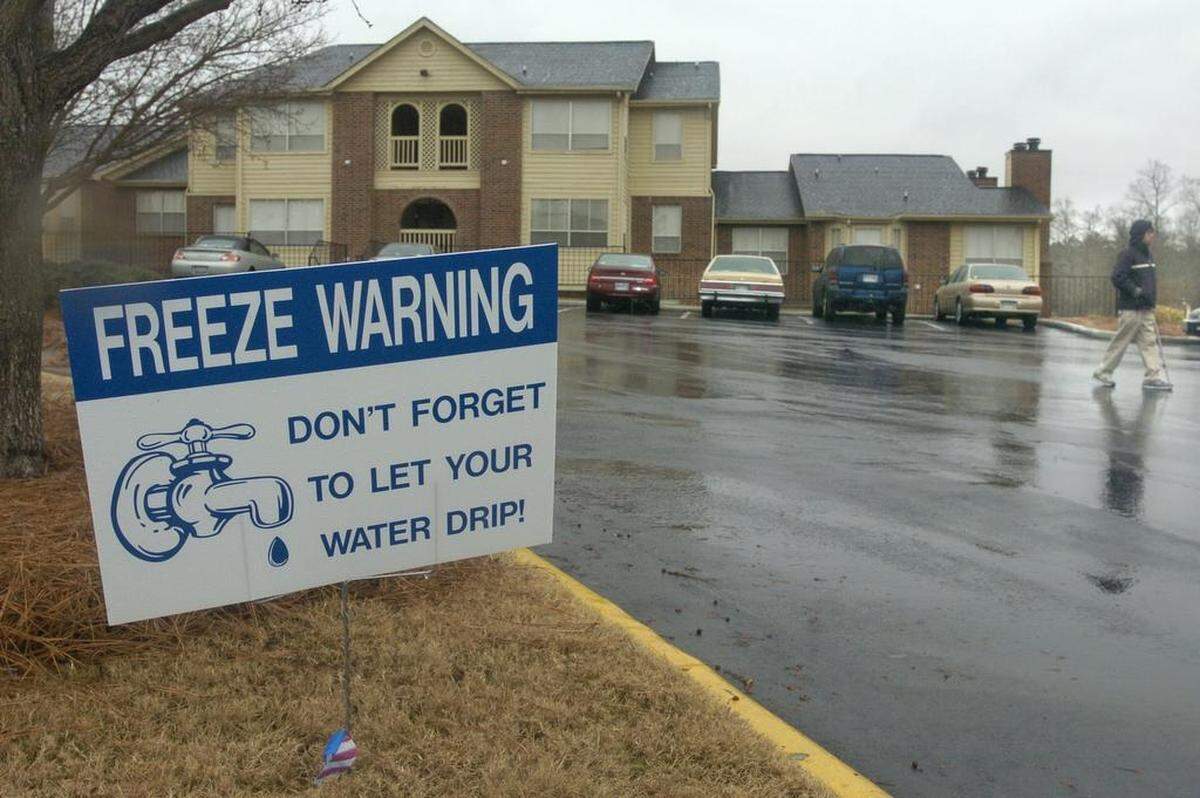
2. Properly insulate pipes, or leave faucets to drip
Extremely low temperatures can cause pipes to freeze and burst, leading to costly and widespread damage.
To prevent pipes from bursting, you should keep garage doors closed, open sink cabinets to let warm air circulate, wrap exposed pipes and let faucets drip slightly. You should also keep your thermostat steady day and night to reduce freezing risk.
3. Locate water shut-offs in your home
Know where your main water valve is and how to turn it off. If a pipe bursts, shutting off water quickly can limit damage.
4. Properly maintain heating equipment
The CDC recommends having furnaces, vents and chimneys inspected and cleaned all year, but especially when cold weather is possible. If you use a fireplace or wood stove, make sure it’s safe and ready before cold weather hits.
5. Properly maintain smoke, carbon monoxide detectors
You should test alarms monthly and replace batteries twice a year, ReadyNC says. Place detectors near heat sources, keep a fire extinguisher nearby and vent all fuel-burning equipment outside.
6. Have an easy-to-read thermostat
An easy-to-read, accessible thermostat is especially important for older adults, according to the CDC. Check it often, as sensitivity to cold decreases with age.
7. Keep a well-stocked emergency kit
Maintain a basic kit with water, food, medications, flashlights, batteries, blankets and important documents. In winter, add warm clothing, extra blankets, rock salt, sand and snow tools, and keep heating fuel on hand.
8. If you’ll be away from home during freezing weather
Leave the heat on while you’re gone. Set your thermostat no lower than 55 degrees, the Red Cross says, or higher if required by your lease.
9. Keep your car winter weather-ready
The CDC advises servicing your radiator, using winter windshield fluid, checking tires and keeping your gas tank full in preparation for a storm. Store an emergency kit in your car with items like a scraper, blanket, flashlight, water, snacks, jumper cables and traction aids.
News & Observer reporter Korie Dean contributed to this story.
This story was originally published January 22, 2026 at 9:27 AM with the headline "9 cold-weather tips to prepare your NC home (and car) for below-freezing temps."