NC has lots of alligators. Here’s where you’re most likely to see one
AI-generated summary reviewed by our newsroom.
- Biologists report rising human–alligator interactions tied to human population growth.
- Most alligator-related hotline calls come from New Hanover and Brunswick counties.
- Wildlife officials promote GatorWise outreach and urge never to feed or harass alligators.
In the last two months, alligators have been spotted sitting on a front porch, playing tug of war with police officers, walking from house to house, and on Tuesday, June 9, one was found shot to death.
North Carolina Wildlife Resources Commission Alligator Biologist Alicia Wassmer said that as North Carolina’s human population booms, biologists are seeing more human-alligator interactions in the state.
The North Carolina Resources Commission maintains a Human Wildlife Interaction Hotline staffed by four full-time biologists.
“The numbers of calls that we got just about alligators in the last few years, it’s more and more each year, and it’s definitely tied to that increase in human development, particularly places like Brunswick (county),” Wassmer said.
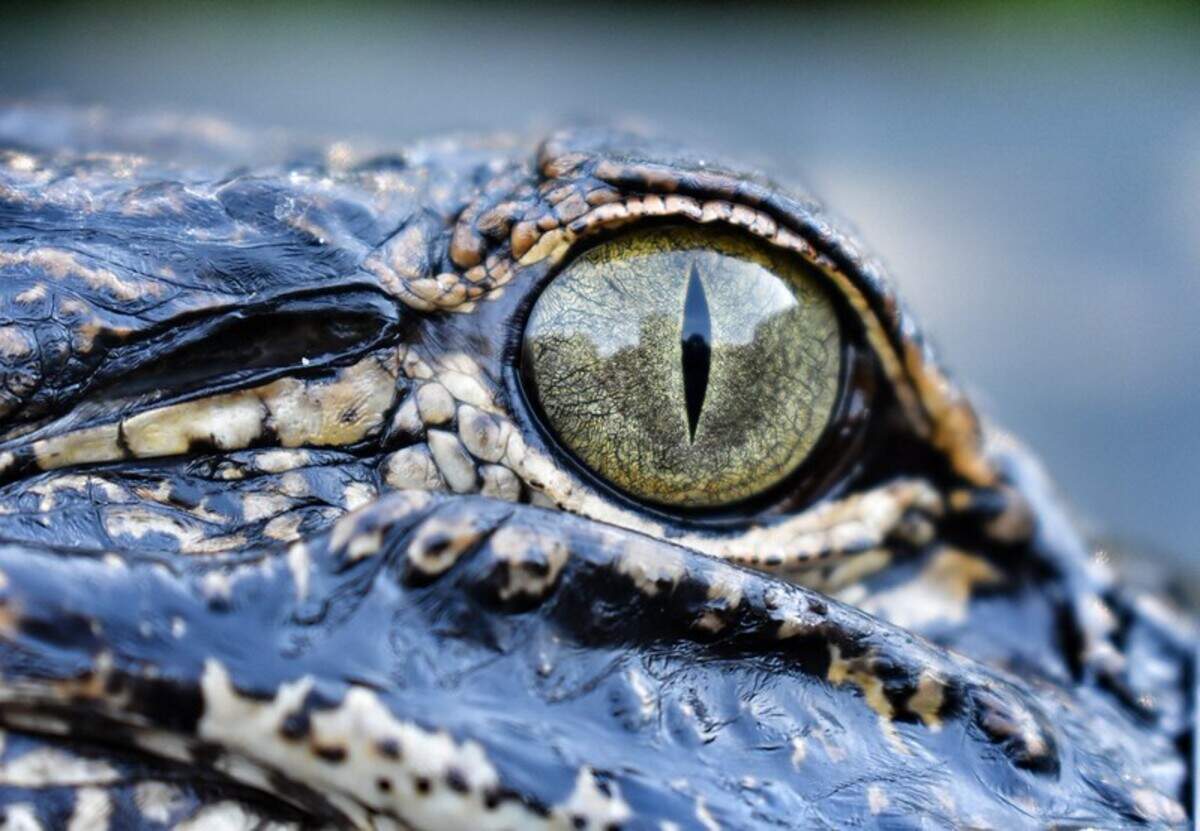
Where are you most likely to see alligators in NC?
The majority of calls to NCWRC’s Wildlife Hotline concerning alligators come from the two southernmost coastal counties of New Hanover and Brunswick, according to the commission. Human populations have doubled in New Hanover and tripled in Brunswick since the species was removed from the federal endangered species list in 1987.
North Carolina is the third-fastest growing state in the country, The News & Observer reported. Unlike people, there is no estimate for how many alligators are in North Carolina, Wassmer said. North Carolina is the northernmost edge of the range for alligators, with lower densities than locations further south.
“They’re much more pocketed in the places along the coast where they live, and so surveys to come up with a statewide population estimate would be a lot more intense and time consuming and expensive than they would be in the core of the range,” Wassmer said.
Despite naturally lower populations of alligators, Wassmer said the reptiles are very important to the coastal environment they inhabit.
“They’re just really important ecologically to the ecosystems where they live, so they are definitely a positive, have positive impact on the environment where they are, and we want to do everything we can to keep alligators wild and people safe,” Wassmer said.
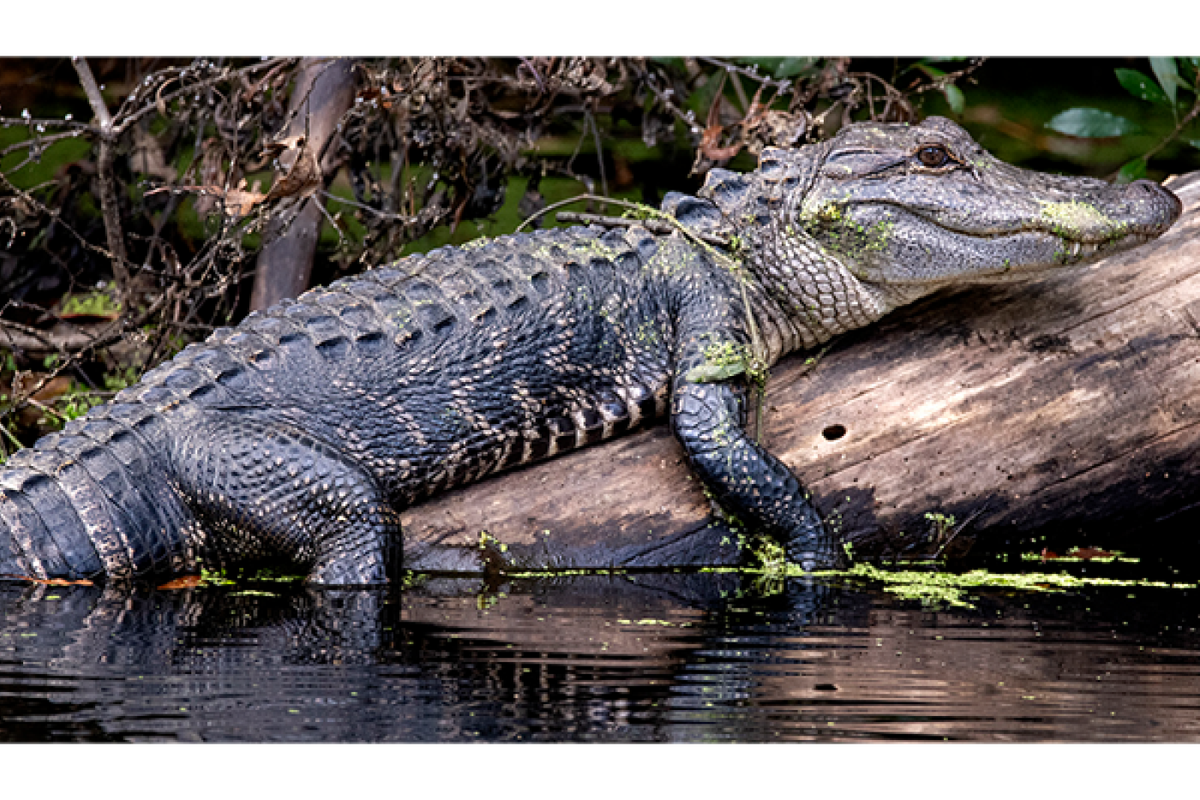
What to do if you see an alligator
Wassmer said the commission encourages people to reference GatorWise, a multistate outreach initiative modeled on BearWise, an initiative to standardize information about living safely near bears.
Wildlife agencies in each of the 11 states where the alligator is found are involved in GatorWise.
Gatorwise offers six crucial alligator basics:
- Assume alligators are present. They’re good at hiding and will likely see you before you see them. They may be places you do not expect or have not seen them before, especially following storms and floods.
- Never feed alligators. Doing so causes the alligators to associate people with food, and is illegal in most states, including North Carolina.
- Don’t dispose of fish or food scraps in water. Throwing fish scraps in the water is one of the most common ways that people feed alligators, often by accident.
- Never harass, capture, or handle an alligator. Doing so increases your risk of injury and death, regardless of the size of the gator.
- Be responsible for people and pets in your care. Leash pets and keep them away from the edge of water sources. Supervise small children.
- Maintain awareness anytime you are in or near water. Observe warning signs, and stay away from water and at least 60 feet from the alligator itself if one is spotted. Avoid swimming in dense vegetation that may disguise an alligator, and only swim in daylight. If an alligator approaches you, immediately move a safe distance away and report the situation.
Wassmer said unlike mammals, alligators won’t necessarily bolt if they see people, so you might be able to observe them — but from a safe distance.
“Envision the length of a full-size school bus, you know, have at least that far between you and the alligator, even for the really small ones,” Wassmer said. “For the really big ones, I’d say even two school bus lengths is better.”
This story was originally published June 12, 2026 at 9:05 AM with the headline "NC has lots of alligators. Here’s where you’re most likely to see one."