‘An old house:’ Why WakeMed says it needs Atrium merger to fix Raleigh campus
AI-generated summary reviewed by our newsroom.
- WakeMed’s says its 65-year-old flagship campus in Raleigh needs updating in many areas.
- WakeMed says the merger with Atrium Health is needed to fund improvements.
- Atrium pledged $2 billion to WakeMed as part of merger plan, half for Raleigh campus.
When you walk out of the visitors parking deck at WakeMed’s Raleigh campus on New Bern Avenue, you stand before the sprawling medical center’s two newest buildings containing the heart center and the children’s hospital.
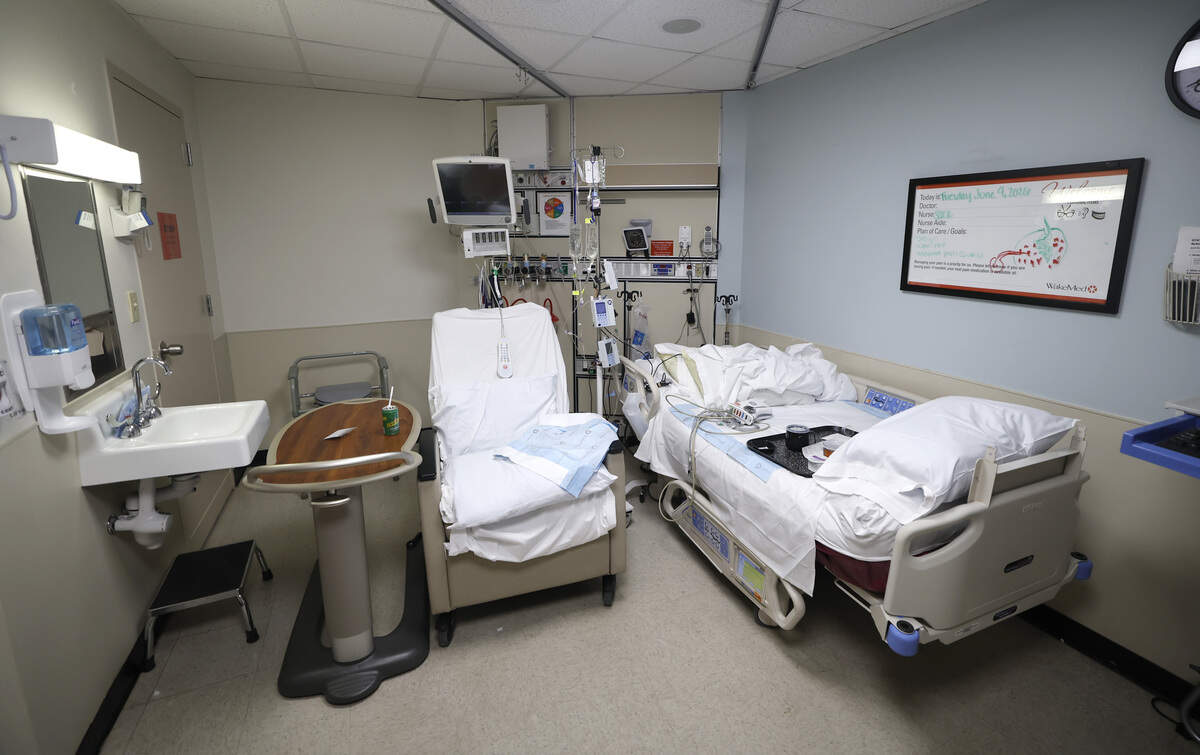
But behind the modern glass and steel is a 65-year-old medical complex that in many ways is outdated. Among the patient rooms are some without windows. The beds in one intensive care unit are separated by curtains rather than walls. And most operating rooms are too small for the latest imaging and diagnostic equipment.
“Great care goes on in the old part of the building,” says Becky Andrews, administrator of WakeMed’s Raleigh campus. “But we are limited sometimes in the types of things we can do in those spaces.”
Tom Cavender, who oversees facilities and construction, puts it this way: “It’s been painted. It’s updated. It’s clean. But it’s just an old house.”
WakeMed has plans to expand and upgrade its flagship hospital but says it needs to merge with Charlotte-based Atrium Health to make it happen any time soon. If county commissioners and federal officials approve of the union, Atrium has pledged to invest $2 billion in WakeMed, up to half of which would go to the Raleigh campus.
Donald Gintzig, WakeMed’s president and CEO, said much of the work at the Raleigh campus will replace aging facilities rather than create new capacity and revenue, making it harder to borrow money to pay for it. Advocate Health, Atrium’s parent company, would provide that money in the years following the merger, Gintzig said.
“That would be about $900 million to a billion dollars that we likely will not have unless somebody of great wealth decides to give it to us to do what we need to do for the Raleigh campus,” he said. “And the beauty is we get to start planning that today, not just have this wonderful plan that sits on a shelf.”
The Atrium merger would also provide money to expand WakeMed’s hospitals in Cary and North Raleigh, with additional patient beds at both and a new emergency department and labs for treating heart patients in Cary. It would also help build WakeMed’s planned “whole health campus” in Garner that will combine a 45-bed acute care hospital and 150-bed mental health hospital in one place.
A flagship hospital with a ‘safety net’ mission
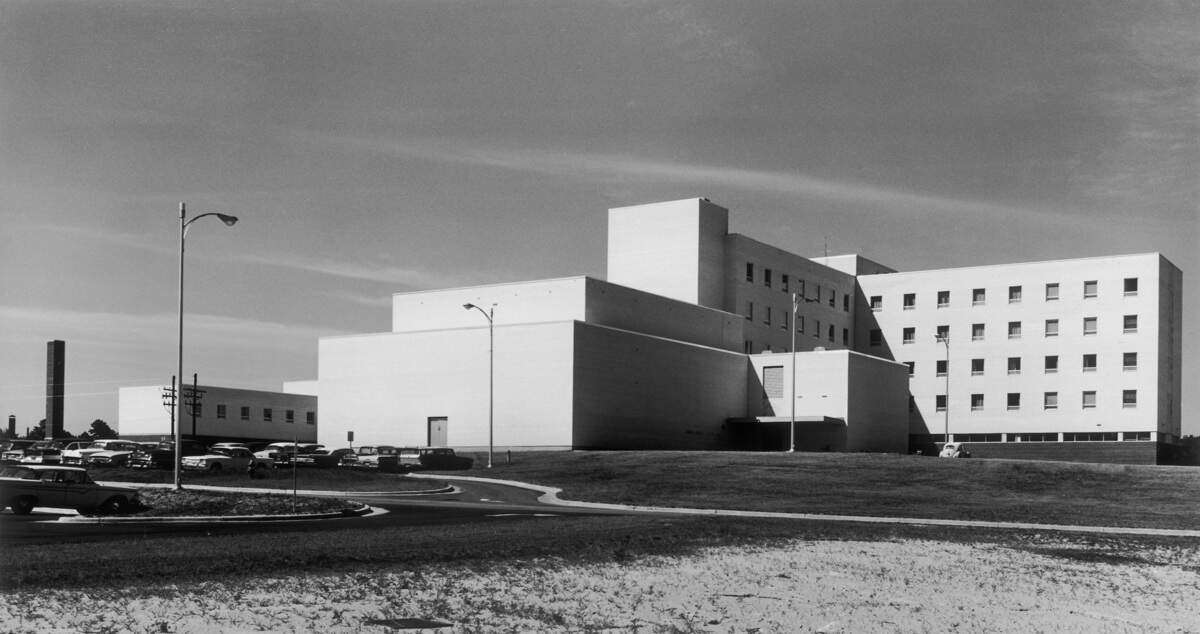
Wake Memorial Hospital opened in 1961 with a five-story patient tower and a single-story building with offices and operating rooms. That same year, the segregation-era St. Agnes Hospital for Black residents closed and all of its patients transferred to Wake Memorial, making it the first in the region to serve everyone regardless of race.
Wake County created and owned WakeMed until it became a private non-profit in 1997. It is what’s known as a “safety-net hospital,” one that treats patients regardless of their insurance or ability to pay.
WakeMed has now grown to nearly 2 million square feet over 47 acres just inside the Raleigh Beltline. It includes a 73-bed rehabilitation hospital, a 48-bed neonatal intensive care unit, and separate children’s and adult emergency departments that are the 13th busiest in the country.
WakeMed is also the county’s only Level 1 trauma center, meaning it has the staff and equipment to handle the most critically injured patients around the clock. About 36% of patients at the Raleigh campus arrive through the emergency department, said Dr. Chuck Harr, a cardiothoracic surgeon and the chief medical officer.
“We just take care of what comes through the door on any given day,” Harr said.
WakeMed’s leaders say that despite its age and safety-net mission the Raleigh hospital stacks up against others in the region and beyond. Harr says WakeMed’s heart surgery outcomes rival those of the Cleveland Clinic, one of the country’s leading medical centers, and that its neurosurgery program is “second-to-none.” About 4,900 babies are born in the hospital every year.
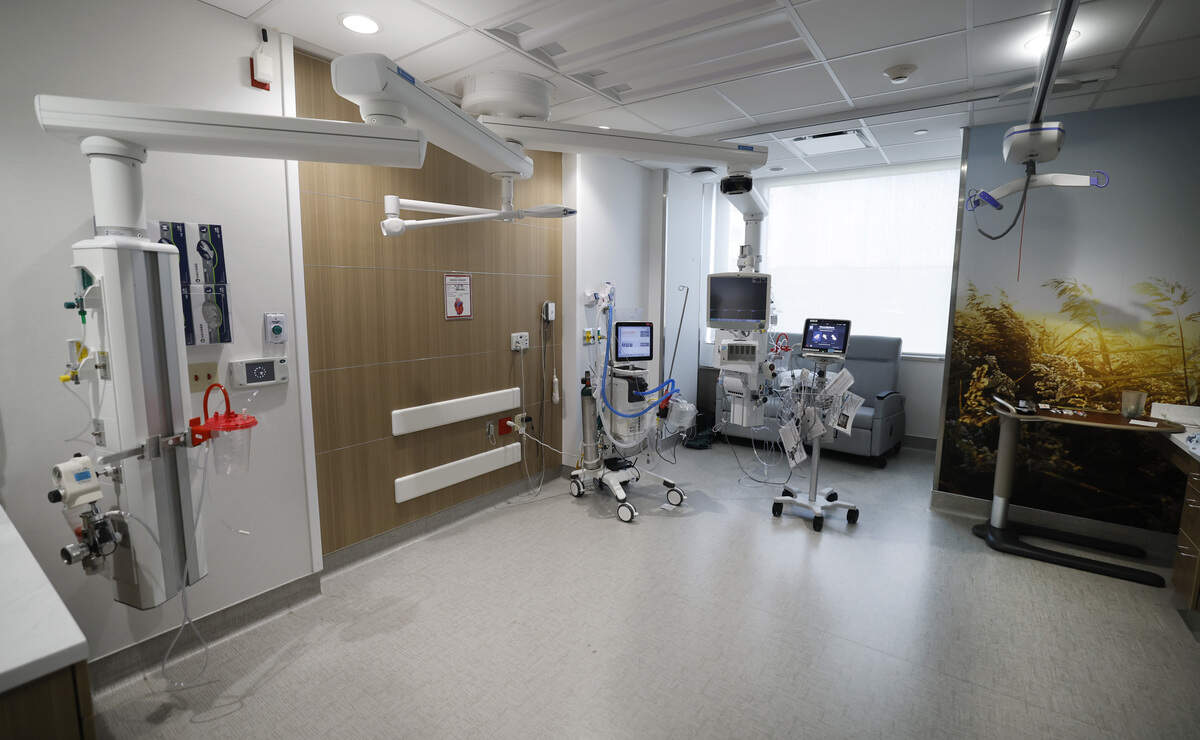
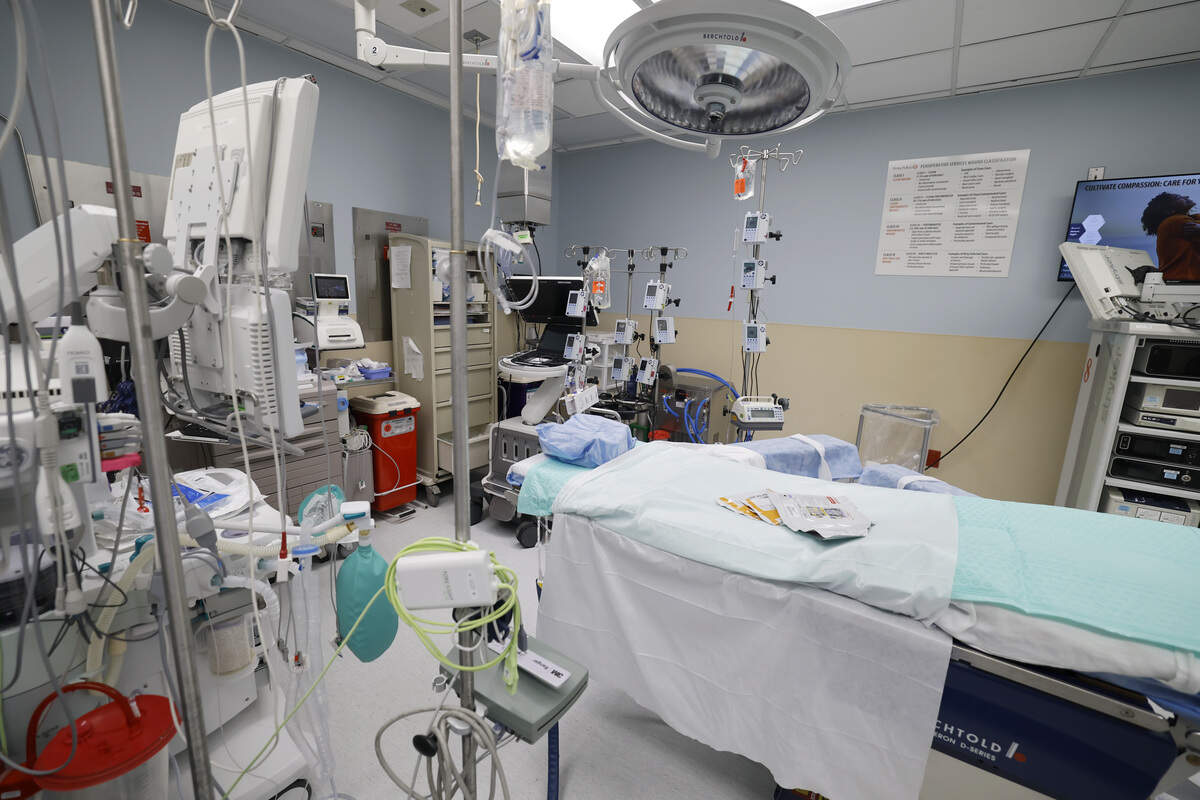
But on a recent tour of the campus, Harr, Andrews and Cavender compared some of the hospital’s older parts with its newer spaces. A modern ICU patient room in the heart center, for example, has a full window to let in natural light and is large enough for a pullout bed where a visiting family member can rest. Some older ICU rooms have neither.
“You can take care of very sick patients in here, but it’s not as convenient to do that,” Harr said in one of the smaller ICU rooms. “And it looks old, so that both patients and staff feel that. They don’t get any lesser care, but it’s hard not to feel like you are.”
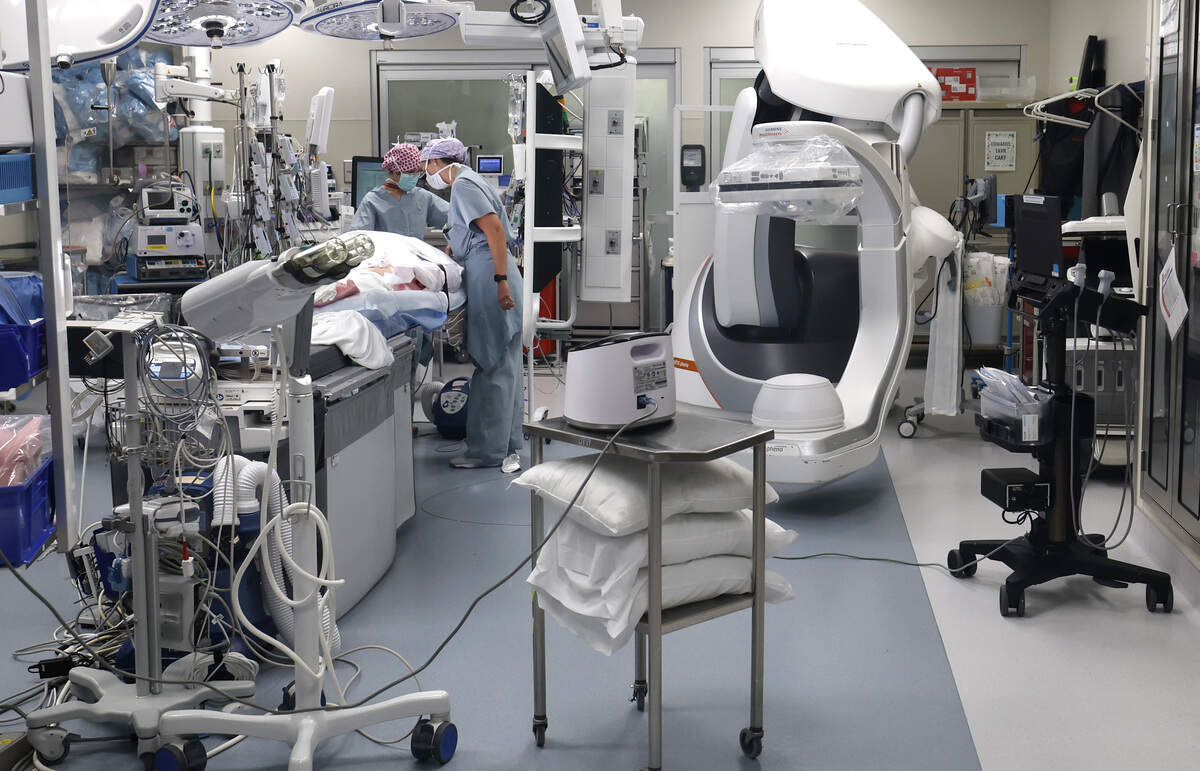
WakeMed has 21 operating rooms, most about 450 square feet. At that size, surgical teams often must wheel equipment in and out as needed, because there isn’t room for everything at one time.
WakeMed has what’s known as a hybrid operating room that’s more than twice the size of the others and includes the latest medical imaging equipment. Among them is a big, white robotic machine that provides 360-degree, high-resolution 3D images during surgeries.
WakeMed hopes to build and equip three more of these operating rooms after the Atrium merger, Harr said.
What WakeMed has planned for its Raleigh campus
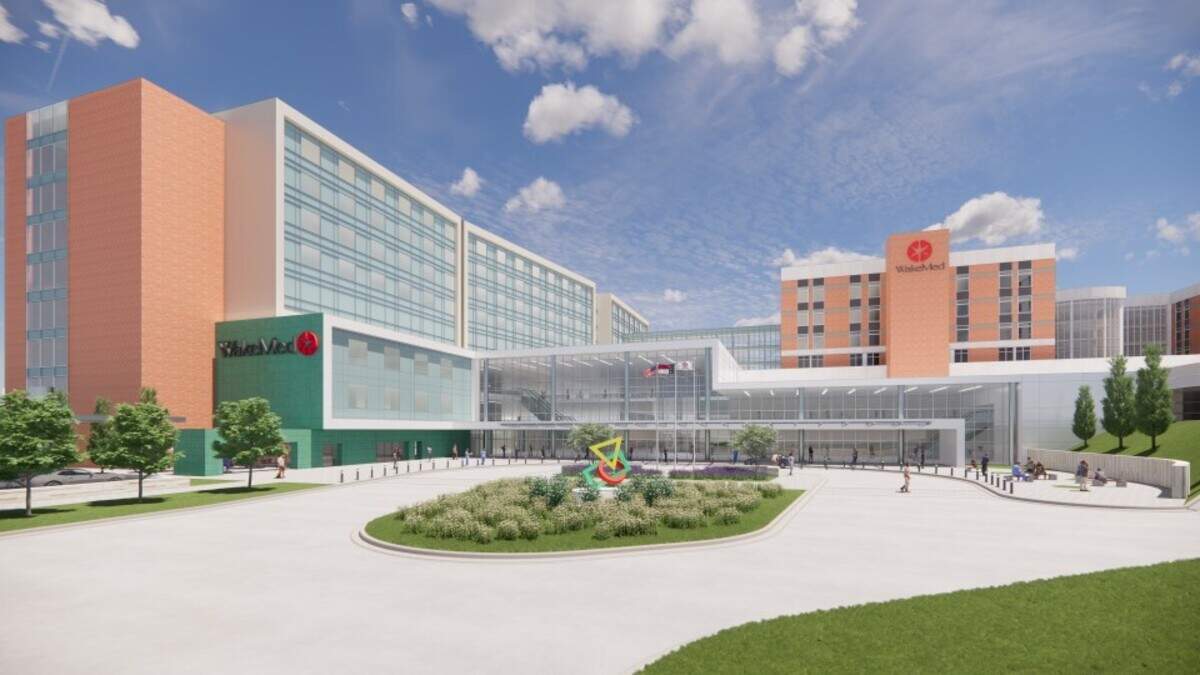
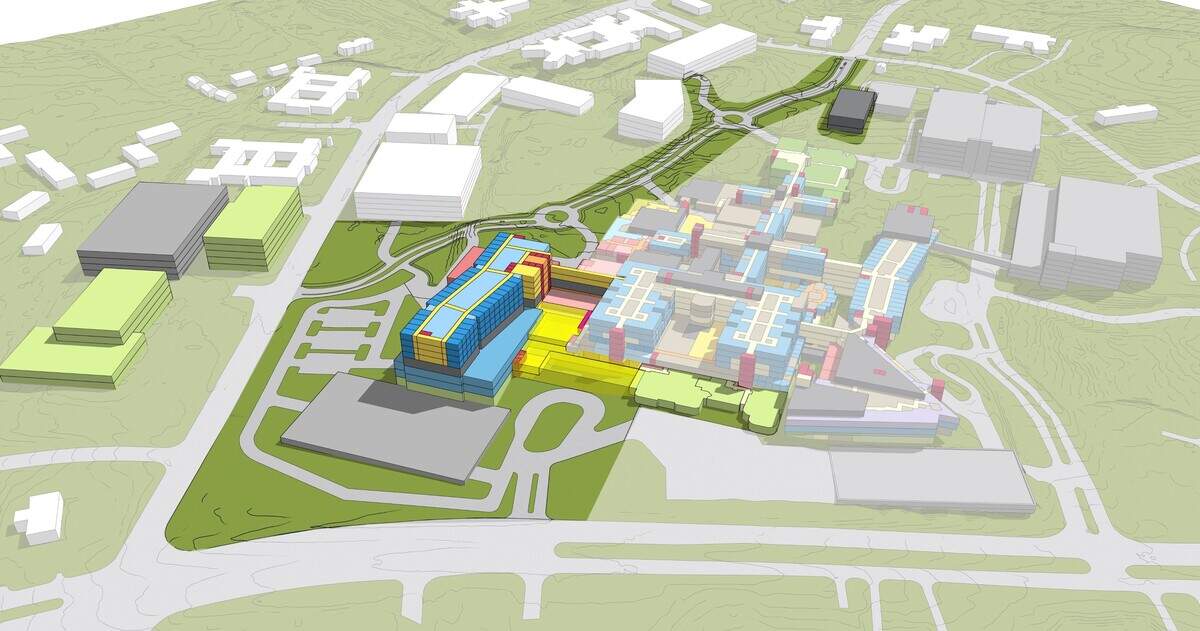
WakeMed’s modernization plan for Raleigh calls for another 600,000 square feet of space, most in a new tower near the corner of New Bern Avenue and Sunnybrook Road. The tower would include a larger adult emergency department and bring all the operating rooms, intensive care units and heart labs under one roof, a short elevator ride from each other.
“Those are our most critically-ill patients,” says Cavender, vice president for facilities and construction. “That’s sort of the epicenter when things are happening.”
To build the tower, WakeMed will demolish three buildings and relocate East Campus Drive, creating a new entrance to the emergency department from Sunnybrook Road and better pedestrian connections between the hospital and Wake Technical Community College’s growing health sciences campus.
WakeMed hopes to begin making its conceptual plans a reality later this year, Cavender said.
“It will take at least three years to design this because it’s a really challenging project,” he said. “And probably four years to build it.”
That timeline depends on the merger with Atrium, Gintzig said. Without it, he said, “We could likely add a little here and a little there but not to the scope and scale that we’re talking about. Unless somebody gives us $1 billion. So far nobody’s stepped up, other than Atrium.”
This story was originally published June 24, 2026 at 10:34 AM with the headline "‘An old house:’ Why WakeMed says it needs Atrium merger to fix Raleigh campus."