A stinging ant has invaded NC, and its bite can be deadly. How to ID it
AI-generated summary reviewed by our newsroom.
- Asian needle ants have spread across most North Carolina counties and sting residents.
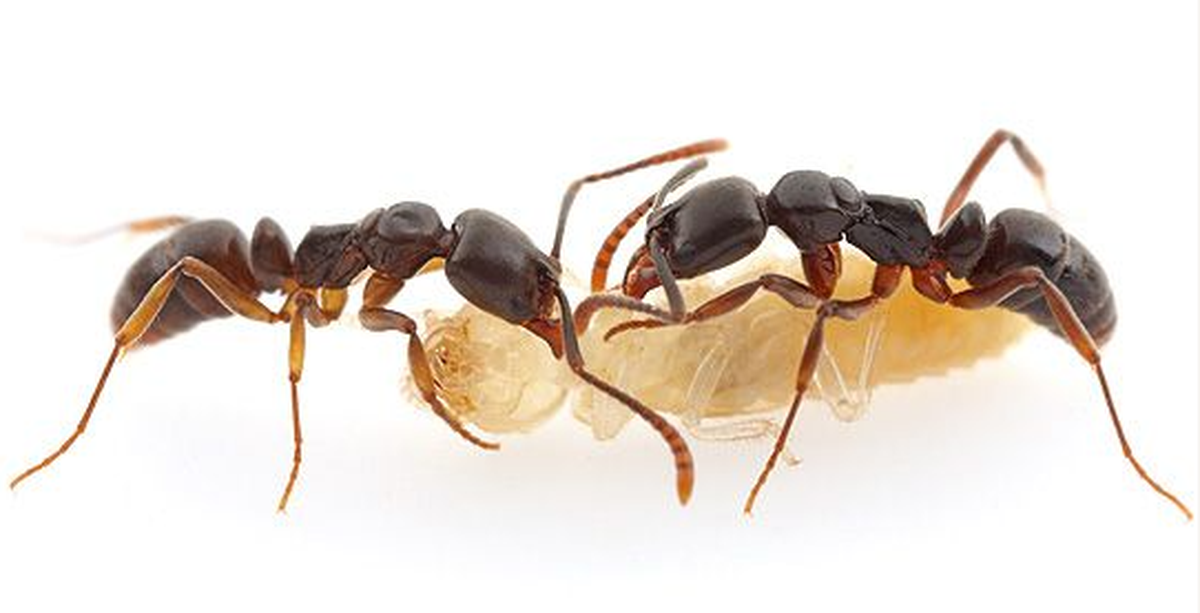
- The ants are small, dark with rusty-orange legs, about one-fifth inch long each.
- Their stings can cause lasting pain and anaphylaxis in a minority of people.
The Asian needle ant has been slowly making its way across the United States since 1932, and they’re now found painfully stinging people in most of North Carolina’s 100 counties.
The Asian needle ant is native to East Asia. Despite the intense sting and frightening name, the ants are on the smaller side. They are smaller than the carpenter ant, another ant commonly found in North Carolina, according to the NC State Extension.
“(Needle ants) have been in North Carolina probably almost for 100 years or so, about,” NC State Assistant Professor and Extension Specialist Christopher Hayes said. “I think we have hit this point of no return in terms of the population growing in size and spreading out, and now they’re throughout the state.”
What do Asian needle ants look like?
Asian needle ants:
- Have long, slender bodies
- Range from a shiny dark brown to black
- Have rusty-orange legs
- Are around 1/5 inch long
- Don’t march in lines
- Don’t make noticeable mounds
- Wander alone or in loose groups
“They wander around individually, but they are nasty, nasty, nasty ants,” Hayes said.
Sometime deadly stings
The ant’s namesake needle-like sting hurts, and it can be deadly. Hayes is often in the field as an entomologist, and he has been stung before.
“It’s not an immediate sharp pain, but it is a lasting discomfort to me,” Hayes said. “It feels a lot like fiberglass in my skin, and it will last for anywhere from 24 to 48 hours, this fiberglass discomfort feeling in that area where that single sting was.”
Hayes said the experience may vary; his young son has also been stung. For him, the pain was searing, but dissipated much more quickly.
If someone comes in contact with fire ants, they may get many stings. Asian needle ants only sting when they feel threatened, or when someone presses against them, which can make stings harder to avoid.
“It very easy to avoid fire ant mounds, they’re very visible, easy to see, and I would say the vast majority of the time, you don’t have to worry about being stung,” he said. “You can avoid them. Asian ants, not so much, because they’re in the mulch, they’re in this woody debris.”
Asian needle ant stings cause anaphylaxis, an allergic reaction involving multiple bodily systems. In a study done in the native range of the needle ant, about 2% of people stung exhibited anaphylaxis, according to the USDA.
Some people develop hypersensitivity to ant stings that raise the rate of anaphylaxis, but it is unclear how many people in the United States are hypersensitive to Asian needle ant stings. However, people who are hypersensitive to other stinging insects are at higher risk of anaphylactic response to Asian needle ant stings.
Comparatively, about 0.5% of people have anaphylactic responses to fire ants.
Should you be worried about Asian needle ants?
Hayes says there’s no reason to worry.
“I think there’s a lot of beautiful nature in North Carolina, a lot of spaces you can spend time in, and a lot of reasons to do some gardening and yard work,” Hayes said. “Don’t be afraid, just be aware, right? Look at what’s out there, be aware where you’re placing your hands, and just be safe.”
How to get rid of Asian needle ants
Hayes said the ants have proven hard to eliminate. Many native ants have single colonies with one queen, but Asian needle ants can live in supercolonies with multiple nests and multiple queens, sharing resources and moving between nests. This habit also makes the ants hard to eradicate.
The NC State Extension recommends:
- Eliminate potential nesting sites. Keep your yard free of debris, such as leaf litter, stones, rocks, logs and woodpiles.
- Seal entry points. Caulk cracks around the foundation, windows and doors to prevent ants from entering your home.
- Remove attractants. Clean up food spills and ensure food is stored properly.
- Reduce moisture. Address plumbing issues that create standing water.
Portions of this story were previously reported in The Charlotte Observer.
This story was originally published June 26, 2026 at 8:00 AM with the headline "A stinging ant has invaded NC, and its bite can be deadly. How to ID it."