The Carolinas have 6 kinds of venomous snakes. Here’s how to avoid them
There are 38 kinds of snakes around the Carolinas, and most of them you don’t have to worry about. In fact, they’re good to have around to control pests.
But there are six kinds of venomous snakes to avoid, wildlife officials say.
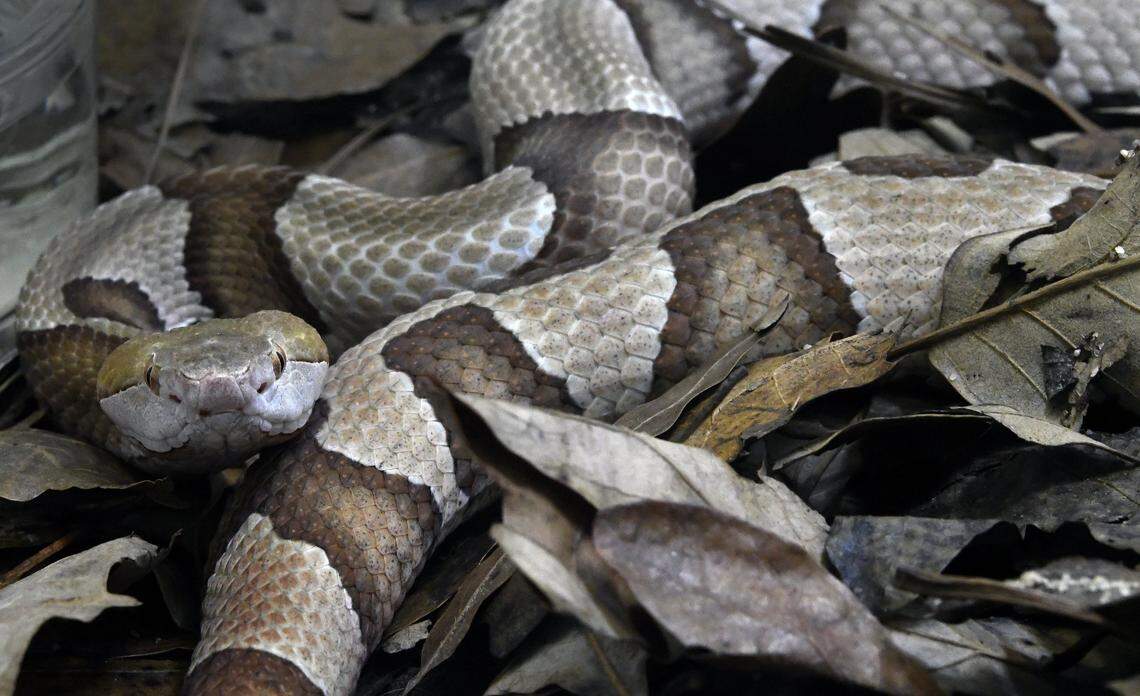
North and South Carolina share most of the same snake species. The venomous species are “coral snake, pigmy rattlesnake, cottonmouth (aka water moccasin), copperhead, timber rattlesnake, and the eastern diamondback rattlesnake,” according to the South Carolina Department of Natural Resources.
Cottonmouths are only found in the eastern plains of the Carolinas, wildlife officials say. “Though they can be found far from water, cottonmouths are usually associated with aquatic environments, preferring swamps, canals, and slow-moving streams and rivers,” according to the Herps of NC online snake guide.
The other venomous snake species in the Carolinas are less common, wildlife officials say.
Advice for avoiding snake bites
SCDNR’s advice for dealing with snakes, venomous or not, is this: “What should you do if you find a snake? Leave it alone and enjoy it from a safe distance.
“Like most wild animals, snakes have a natural fear of humans. The saying, ‘they are more afraid of you than you are of them,’ is 100% true for snakes and they will do their best to avoid interactions with humans,” according to SCDNR.
“To a snake, humans are one of numerous predators they will encounter. Like any wild animal, if a snake feels threatened, it will defend itself. This shouldn’t be confused with showing aggression though. If the snake is left alone, it will eventually leave,” SCDNR said in a recent press release.
Other expert advice on avoiding snake bites can sound like common sense: “watch your step and your reach,” the University of Georgia advises.
UGA’s herpetology program says:
- “Never place your hands, arms, feet or legs where you can’t see them when outdoors. Even reaching under the house for something blindly can cause you to disturb a hiding snake. While venomous snakes generally do not strike when approached or even stepped on, they almost always do if you grab them and/or pick them up whether intentionally or accidentally.
- “Always wear closed shoes and long pants when walking through woods or places where you won’t have clear views of where you step.
- “Walk around logs instead of blindly stepping over them. Some snakes are rodent specialists and feed along logs.
- “Use a flashlight so you can see the ground at night in areas where venomous snakes might be present.”
The program advises clearing wood and brush to keep snakes away from your home.
“Snakes use debris for remaining cool during hot months, or to find prey. Keeping yards clear of debris and structures keeps them from using these areas. Use gloves and remove firewood from wood piles carefully and during daylight hours,” UGA says.
Learning snake identification and teaching children how to spot venomous snakes is important too. “This knowledge empowers your child to know which species are potentially harmful and which are acceptable to stand back and observe,” according to the UGA program.
What if you get a snake bite?
According to the North Carolina Museum of Natural Sciences, here’s what you should do if you get bitten by a snake:
- “Stay calm. Call 911 or Carolinas Poison Center 1-800-222-1222 immediately.
- “Try to identify the snake by sight only. Look for color, marking, and head shape.
- “Do not try to kill the snake; it could bite again.
- “Keep the patient calm and immobile (preferably lying down).
- “Keep the affected limb at an even level with the rest of the body.
- “Do not use a tourniquet. Do not cut the wound. Do not try to suck out the venom. Do not pack the wound in ice.
- “Bites from nonvenomous snakes should be washed with warm soapy water; a tetanus shot may be needed.”
“Usually, after a bite from a poisonous snake, there is severe burning pain at the site, within 15 to 30 minutes. This can progress to swelling and bruising at the wound, and all the way up the arm or leg. Other symptoms include nausea and a general sense of weakness, as well as an odd taste in the mouth,” according to the Mayo Clinic.
“Some snakes, such as coral snakes, have toxins that cause neurological symptoms, such as tingling, difficulty speaking and weakness,” the Mayo Clinic says.
Venomous snakes are not to be confused with poisonous animals.
“There are no poisonous snakes. A reptile that is venomous, such as a venomous snake, injects venom into other animals using its fangs . . . A poisonous herp, such as poison frogs, have to be eaten or touched in order to deliver their toxins,” according to Reptile Magazine.
This story was originally published April 26, 2019 at 11:42 AM with the headline "The Carolinas have 6 kinds of venomous snakes. Here’s how to avoid them."