Watch where you step! These are 7 of the most dangerous critters in South Carolina.
When people think of the Palmetto State, the first things that could come to mind may be history, architecture, white sand beaches or hiking — but would dangerous critters be on that list?
With South Carolina’s variety of regions, ranging from coastal marshes and wetlands to dense forests and mountainous terrain, each of these ecosystems come with their specific dangerous critters.
Yet, many of these dangerous critters can be found anywhere throughout the state regardless of the region.
Here are seven of the most dangerous creatures to watch out for in South Carolina.
American Alligator
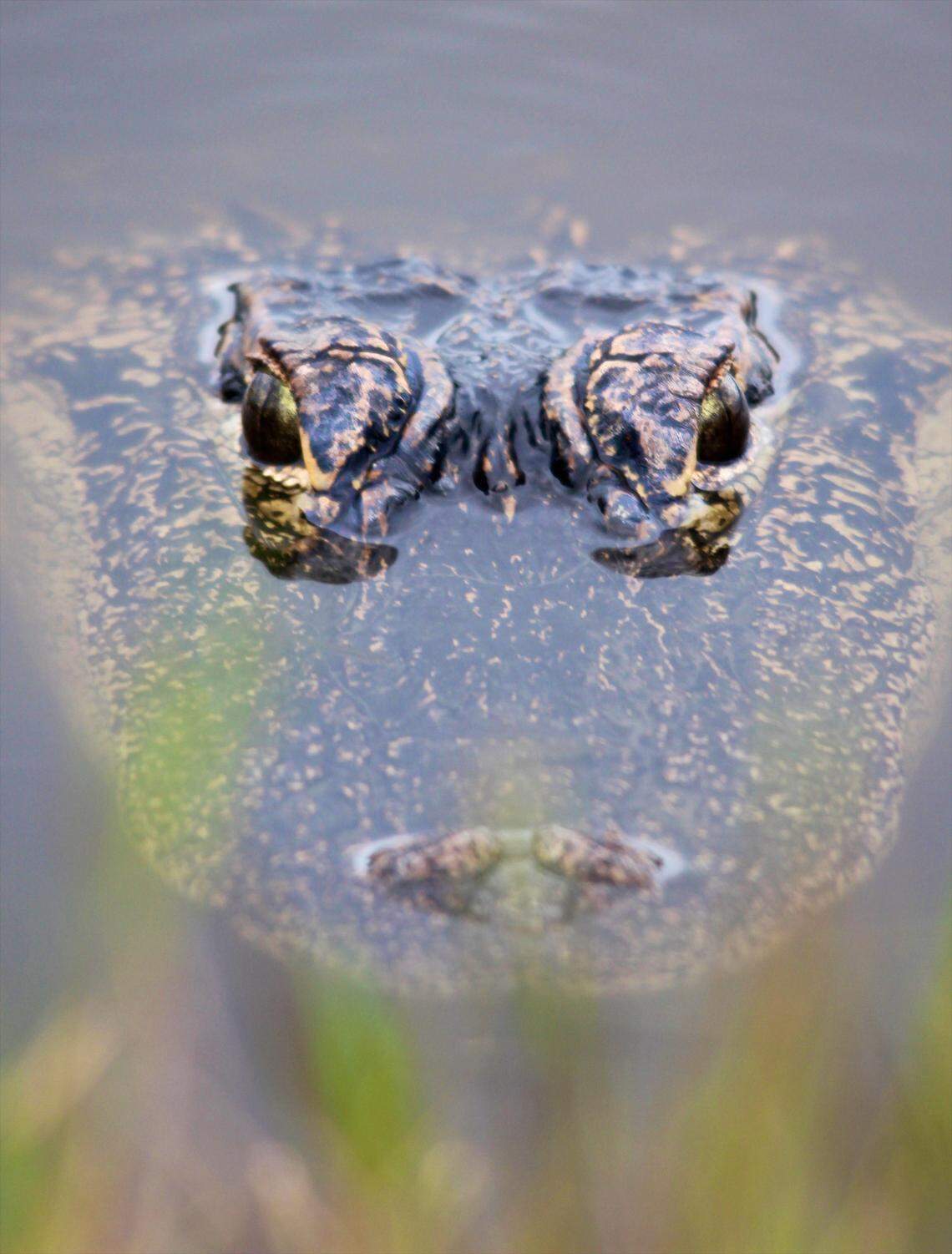
American alligators are large reptiles that are generally non-aggressive towards humans, especially if an adequate distance is kept between the two, and can be seen in different areas throughout the state. Observing them in their natural habitat ranks high on the list of South Carolina’s many attractions but may also startle an unsuspecting visitor.
American alligators can live to be more than 60 years old, grow more than 14 feet and even weigh up to 1,000 pounds. The largest ever reported in SC was 1, 025 pounds and if you’re curious the largest in Florida was 1,043 pounds, per the South Carolina Department of Natural Resources.
Despite their normally relaxed demeanor, these reptiles can attack in an instant, stalk their prey and can be deadly if they choose to attack. Alligators within the Palmetto State are at their most aggressive between the months of April and June during their breeding season.
In general, anytime during the year it is important to remember to never feed or harass an alligator. This is for the safety of the alligators themselves as well as any person who may come across one of these large reptiles during a walk or afternoon bike ride. When an alligator is fed by a person, this triggers the reptile to associate people with food, which can lead to dependency, lack of fear towards people, and potentially dangerous and deadly circumstances for both the alligator or person.
Cottonmouth
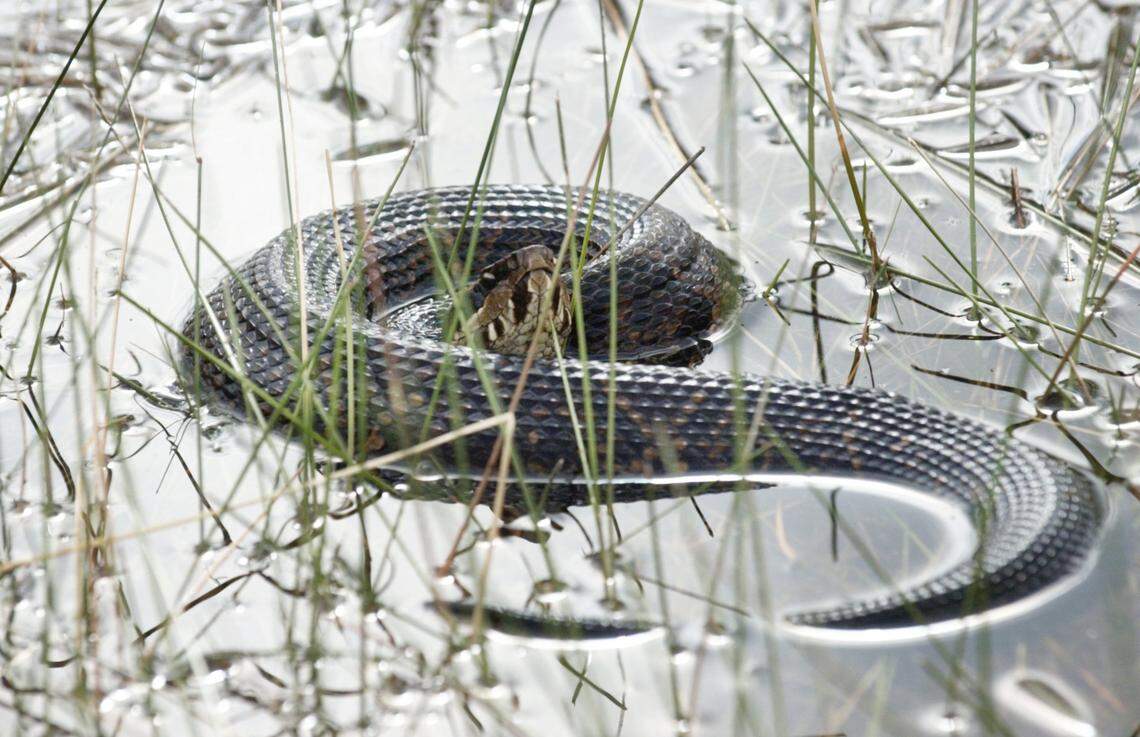
Cottonmouth snakes are venomous, semi-aquatic snakes that are strong swimmers and live near water. These snakes also go by the nickname “water moccasin,”which comes from its ability to swim and dark brown or black coloring. They have large, triangular heads and wide jowls due to their venom-filled glands. These snakes are large and typically range 24 - 48 inches in length, according to the University of Georgia’s Savannah River Ecology Laboratory.
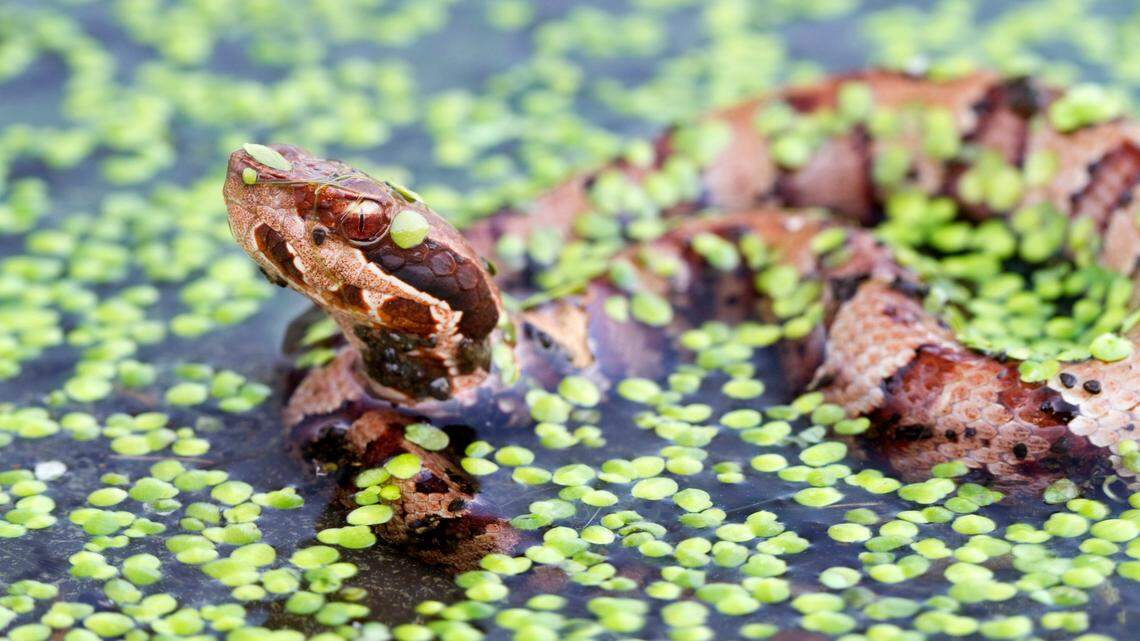
These pit vipers are generally found in or close to a body of water, which is where their prey resides. More mature snakes appear to be darker in color as their distinctive markings fade. Cottonmouth heads will be considerably thicker than its neck and have thick, short tails. Additionally, the males are larger than their female counterparts. The older adult snakes are often dark and solid-colored. The juveniles are more brightly patterned than adults with a sulfur-yellow tail tip, which they use to wiggle to attract and trick their prey.
Brown Recluse Spider
The brown recluse spider is a venomous arachnid, but bites are relatively uncommon. Adult brown recluse spiders can vary in their measurements and are generally the size of a U.S. quarter when their legs are extended. These spiders are nocturnal and tend to avoid human interaction unless provoked or spooked as they prefer to reside in warm, dark and dry environments, which include areas like basements, closets, sheds or woodpiles.
Poison Control states that a brown recluse bite is often not felt when it happens, but that the complex venom causes necrosis, to the surrounding and potentially deeper tissues. However, there is no antidote and treatment includes treating the wound and preventing any infections from taking place.
“The bite of the brown recluse can arguably be worse than that of the black widow. The venom causes skin cells to die and decay in the area around the bite. This can lead to nasty infections and sometimes death. If you happen to see a brown recluse spider, consider yourself lucky and then call an exterminator immediately,” according to Cramer Pest Control.
The venomous black widow spider can also be found within South Carolina.
Eastern Diamondback Rattlesnake
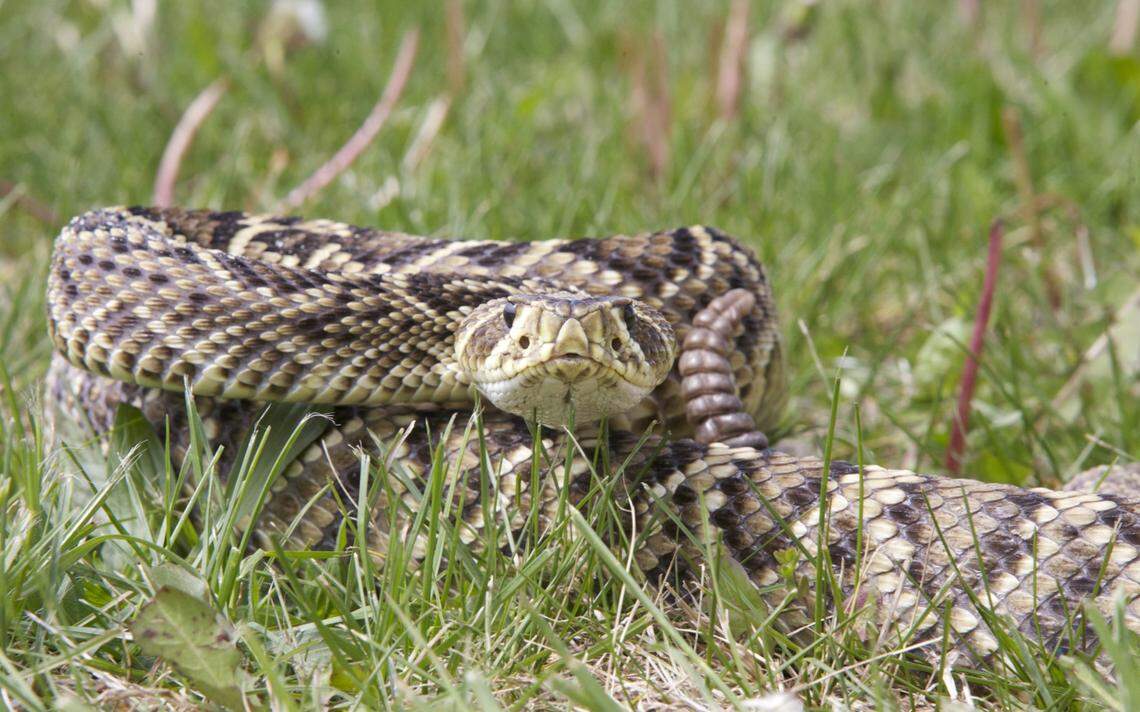
The Eastern Diamondback Rattlesnake is the most venomous snake in North America and the largest of its species in the world. This snake has a distinct color pattern, which consists of dark, diamond-shaped dorsal blotches that are defined by a border of yellowish scales, reports SCDNR. Some of these snakes can reach up to 8 feet in length and are most active during the day and at dusk. A bite from this rattlesnake is extremely painful and can be fatal if not treated quickly with the proper antivenom.
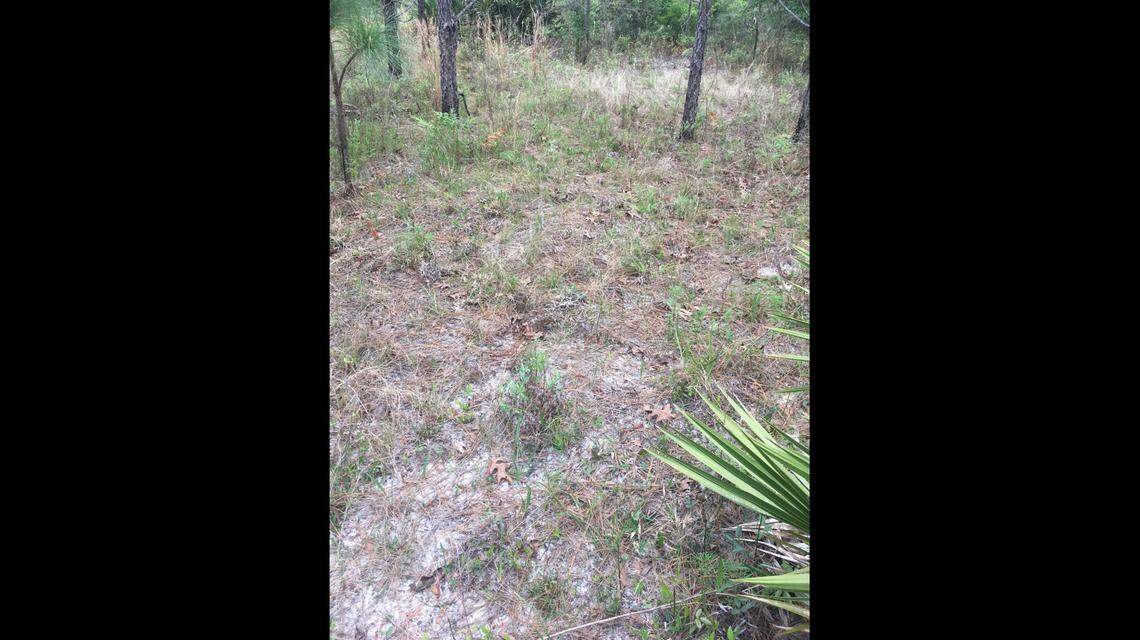
“Eastern diamondback rattlesnakes are well known for their rattle and painful, venomous bite, which can be fatal to humans. The toxin in their venom, called hemotoxin, kills red blood cells and causes tissue damage. That said, human deaths from rattlesnake bites are rare, because the antivenom is available throughout its range,” according to the Smithsonian’s National Zoo and Conservation Biology Institute.
Copperhead
The copperhead is South Carolina’s most common venomous snake. Copperheads can be found throughout the state, and watching where you step is extremely important when dealing with these snakes, as they tend to blend in with their surroundings, usually in nearby pine straw and other forested or rocky areas in the state.
Their coloration can vary from pinkish or grayish in color to a coppery-tan with dark brown hourglass or Hershey Kiss-shaped bands with its head typically being a copper color and triangular in shape. Copperheads can reach a length of 4 feet, but the average adult generally reaches between 2-3 feet in length.
These pit vipers generally behave nocturnally during the warmer, summer months, but are more active during the daytime hours throughout the spring and fall as these are their courting and mating seasons. Females can birth up to 20 live young during the late summer or early fall, according to the North Carolina Wildlife Resources Commission.
Copperheads have fangs that release a hemolytic venom, which causes the breakdown of red blood cells and is used to subdue their prey. The length of the snake’s fangs is related to its size, meaning that the longer the snake is, the longer its fangs. Even if it looks young and possibly even harmless, newborn copperhead snakes have fully functional fangs capable of injecting venom that is just as toxic as an adult’s venom, detailed the Smithsonian’s National Zoo & Conservation Biology Institute.
Other venomous snakes in South Carolina include the Coral Snake, Pigmy Rattlesnake, and the Timber Rattlesnake.
Bull Shark
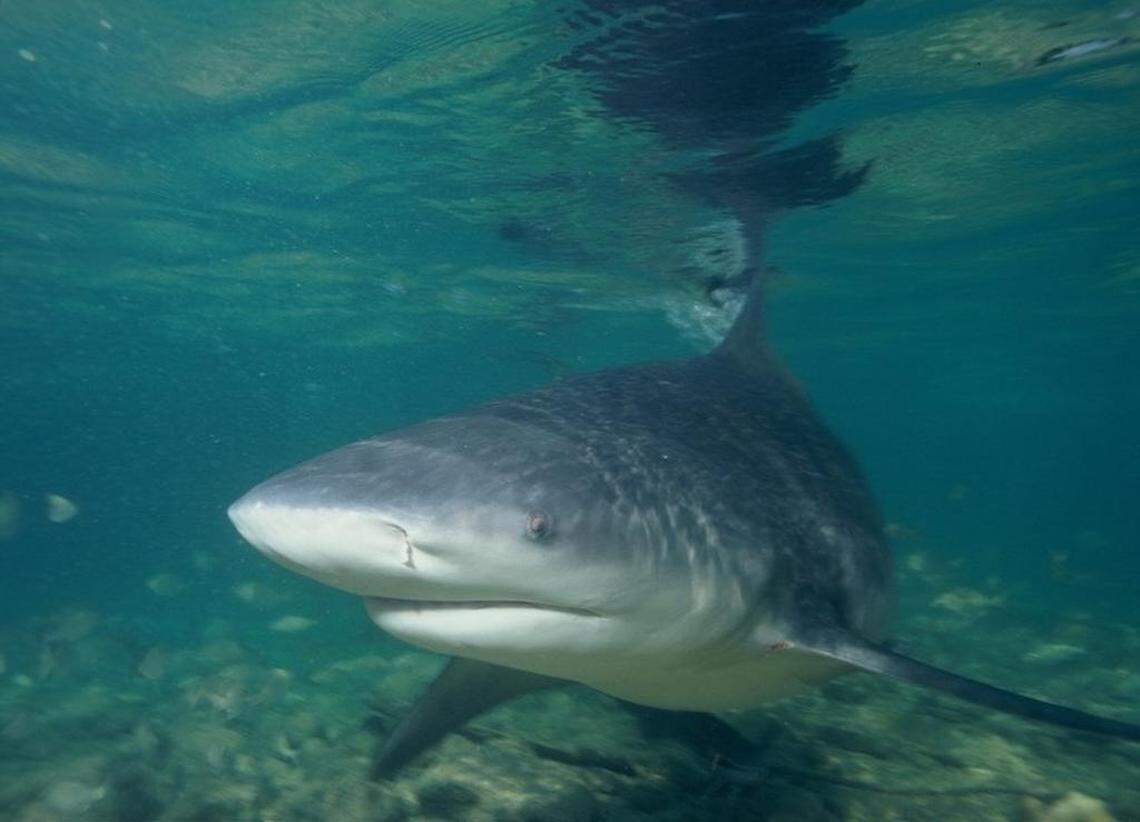
Bull sharks are highly aggressive sharks and are vastly considered by experts to be the most dangerous sharks to humans due to their aggressive tendencies and impressive ability to adapt and migrate up rivers, according to the National Wildlife Federation.
These sharks live and migrate along the coast of South Carolina in the summer months generally between the months of May through October. They may even begin as early as March and be more active between July and August. Luckily, people are not generally on the menu for bull sharks, but they have been reported to attack out of curiosity or misunderstanding thinking the person is a distressed animal.
Bull sharks are generally between 7 and 11 feet in length and can weigh between 200 to 500 pounds.
South Carolina waters also see another large and aggressive shark such as the great white shark.
Black Bears
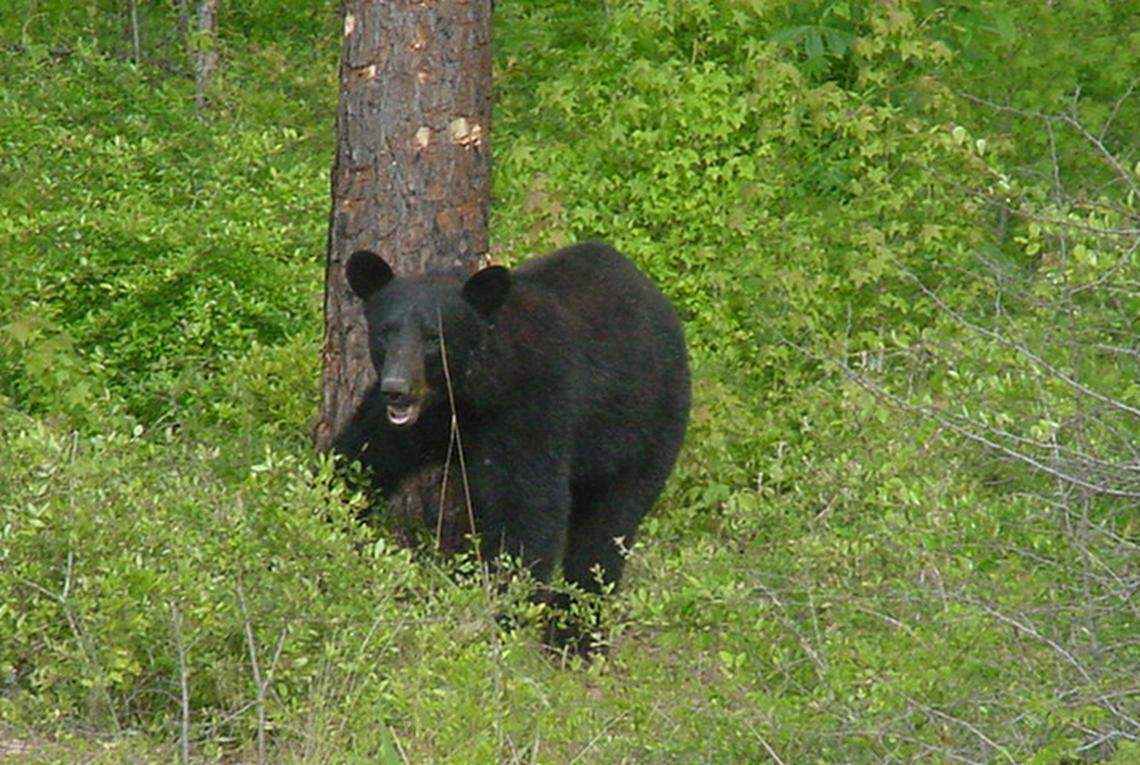
Black bears are the largest land mammals in South Carolina and can generally be found in two resident populations in the state, one being in the mountains and upper piedmont and one in the coastal plain, as detailed by SCDNR.
Black bears are covered in long thick fur that tends to be black or dark brown in color with a light brown snout. Each foot on a black bear has five curved claws, about 1 inch long, that do not retract. They also have good eyesight and sense of smell with the additional ability to climb and swim.
“Bears are massive, strong animals” and luckily they generally avoid humans. However, they have attacked people, but encounters are rarely fatal, reported SCDNR. It’s best to keep a safe distance from these animals and, if a bear starts to approach, shout and wave your arms to try to scare off the animal.
This story was originally published June 17, 2023 at 12:59 PM with the headline "Watch where you step! These are 7 of the most dangerous critters in South Carolina.."