
‘Dramatic’ change transforms island off South Carolina, state learns. What caused it?
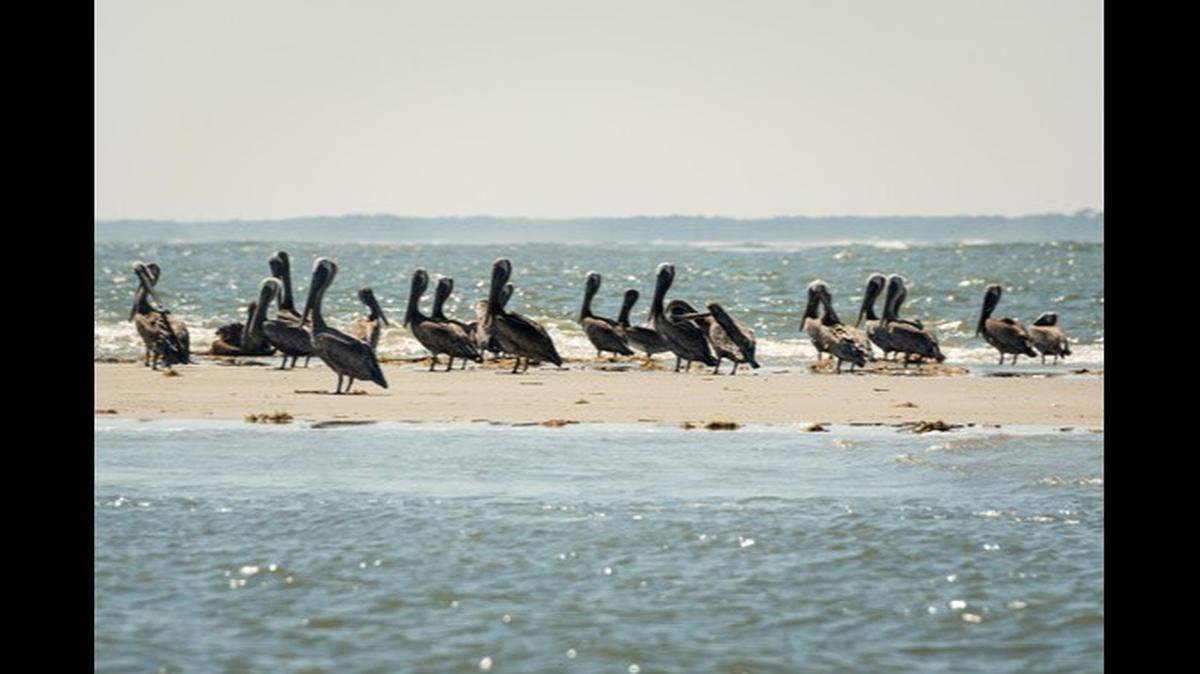
A 215-acre island off the South Carolina coast is now largely under water and state officials blame Tropical Storm Idalia.
The island, known as Deveaux Bank Seabird Sanctuary, is a protected seabird rookery about 25 miles southwest of Charleston.
Tropical Storm Idalia reached South Carolina’s coast Aug. 30, at the same time higher-than-average king tides were occurring, state officials say. The combination “made dramatic impacts.”
“Two-thirds of the island is now under water from mid-tide to high tide due to overwash and erosion caused by the storm,” the S.C. Department of Natural Resources said in a Sept. 14 news release.
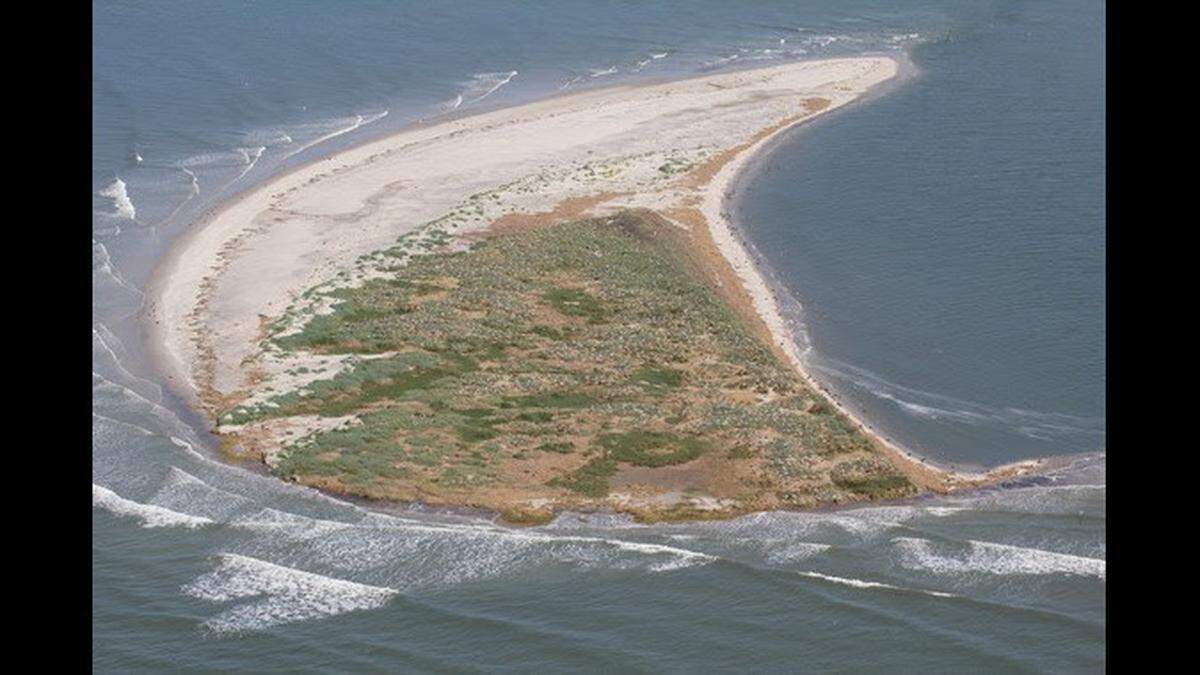
“The western tip of the island, closest to Edisto Island, and the stretch of beach along the oceanfront bore the brunt of the storm’s impacts, while the dune ridge along the northern edge of the island, facing Seabrook Island, remained dry and intact.”
The isolated island is considered to be one of the most important nesting sites on the East Coast for migrating seabirds and shorebirds, experts say.
However, it is highly vulnerable to flooding and erosion during cyclones.
By luck, Tropical Storm Idalia hit when many chicks were capable of escaping, officials say.
“Fortunately, the brown pelicans that nested along the side of the island facing Edisto Island had mostly fledged (could fly), so we expect not many young birds perished,” Coastal Bird Program biologist Felicia Sanders said in the release.
An estimated “500 downy pelican chicks remain” on what is left of the island, which is closed to boat landings until Oct. 16.
Hurricane Idalia exited South Carolina on Aug. 30, and the timing coincided with a full moon high tide that proved to be the fifth highest on record (9.2 feet), the state says.
History suggests the island will recover, but it could take years. Erosion from Hurricane David destroyed the island in 1980, but it reemerged within three years to host nesting, the state says.
This story was originally published September 15, 2023 at 7:21 AM with the headline "‘Dramatic’ change transforms island off South Carolina, state learns. What caused it?."