
Shark’s 2,000-mile journey from South Carolina to Mexico makes history, experts say
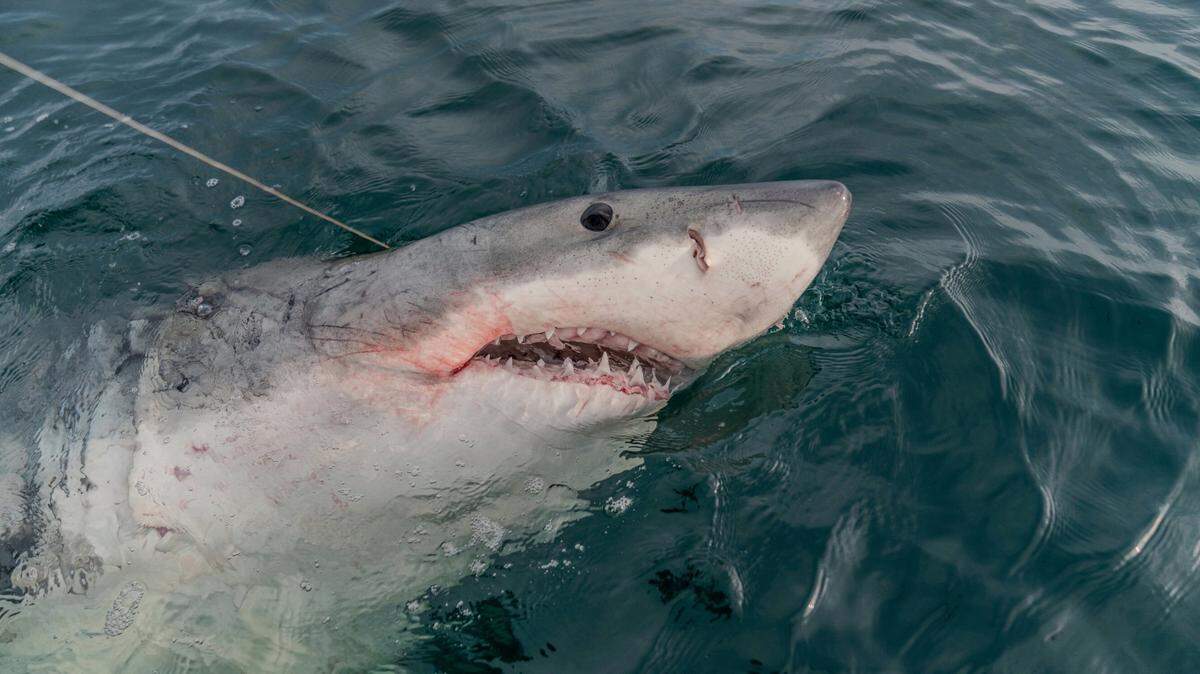
A 14-foot shark tagged off the South Carolina coast in December has made an unyielding 2,000-mile journey to Mexico, experts say.
And in doing so, the nearly 3,000-pound fish named LeeBeth has “made shark science history,” Atlantic White Shark Conservancy said in a Feb. 29 post on Facebook when the shark reached Matamoros, Mexico.
“This is the furthest west a white shark has ever been tracked into the Gulf of Mexico,” the Massachusetts-based group said.
LeeBeth was tagged Dec. 8 off the coast of Hilton Head Island, and a scientist affixed new technology on the predator that made her the first great white to have a camera on its dorsal fin, The Island Packet reported.
The technology — similar to that of a GoPro — has allowed people to view LeeBeth’s activity through the app called Sharktivity.
“This is a fish who has seen some things,” Megan Winton of the Atlantic White Shark Conservancy told The Island Packet of the shark, believed to be in her mid-to-late 20s.
During her three-month journey, LeeBeth traveled around Florida to the Gulf of Mexico, where it continued its swim off the coasts of Alabama, Mississippi, and Louisiana. Then, it traveled toward the southern tip of Texas, coming near South Padre Island.
She eventually traveled into foreign territory when she reached Mexico in late February.
“Most stopped around the Mississippi River, but LeeBeth kept going,” Capt. Chip Michalove, who tagged the shark, told HigherCalling.net. “She’s traveled 2,000 miles since we caught her off Hilton Head.”
Michalove, of Outcast Sport Fishing, tagged LeeBeth for research purposes with the conservancy. The tag, The Island Packet reported, gives scientists useful data such as sharks’ preferred water temperatures and how many miles they’ve traveled.
Research of great white sharks is vital, as the predators “play a critical role in maintaining a health and balanced marine ecosystem,” the conservancy said on its website.
LeeBeth has caught the attention of others, including Dr. Kelsey Banks, an associate research scientist for the Sport Fish Center at Texas A&M University-Corpus Christi.
She told KVUE that LeeBeth’s pinging off the Texas coast is the second time he’s confirmed a shark in the Western Gulf of Mexico in the past decade.
“She’s been a groundbreaking shark in a lot of ways,” Winton told WBUR.
This story was originally published March 5, 2024 at 3:17 PM with the headline "Shark’s 2,000-mile journey from South Carolina to Mexico makes history, experts say."