
Frequent reports of ‘ghost’ light in South Carolina may be more than myth, study says
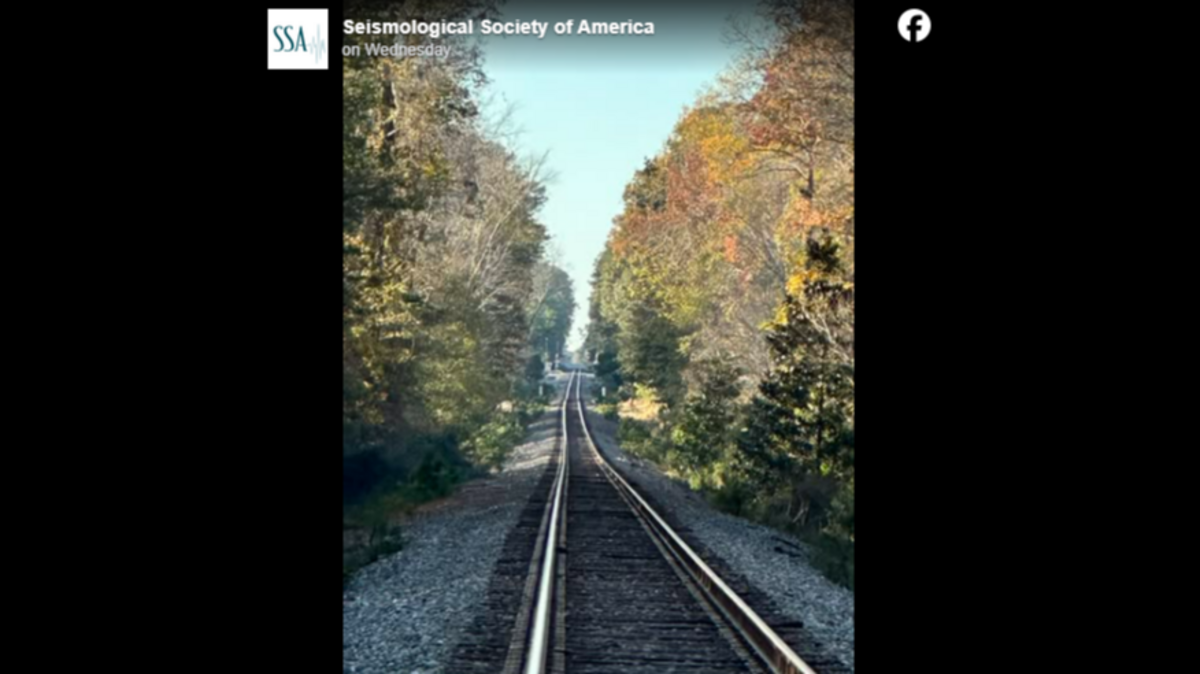.png "Railroad tracks and even scrap metal could have been a catalyst for the sparks identified as the Summerville Light, the report states.")
Enduring folklore of “ghost lights” haunting a Lowcountry town in South Carolina may be more fact than myth, a new study suggests.
However, the so-called “Summerville Light” isn’t the work of a ghost, according to Susan E. Hough, a geophysicist with the U.S. Geological Survey.
She suspects it’s a real, but little-understood phenomenon known as earthquake lights, which flash, glow or spark when “deep earth gasses” rise and become electrically charged.
“Lore holds that a strange light sometimes seen in a remote area is a lantern carried by the ghost of a woman who once waited hours for her husband to return,” Hough wrote in a Jan. 22 article in the Seismological Society of America.
“I suggest that many if not all of the anecdotal observations can be most readily attributed to natural phenomena, including earthquake lights from earthquakes that were too small to be felt.”
Summerville is about a 25-mile drive northwest of Charleston, and her theory comes at a time when small earthquakes continue in the region. The U.S. Geological Survey reports there have been 158 documented earthquakes around Charleston since Jan. 1, 2000.
Some scientists believe the continued shaking stems from aftershocks of a devastating 6.7- to 7.3-magnitude quake that hit Charleston 139 years ago.
Tales of Summerville’s ghost light or ghost lantern “began to circulate in the 1950s to 1960s,” Hughes said.
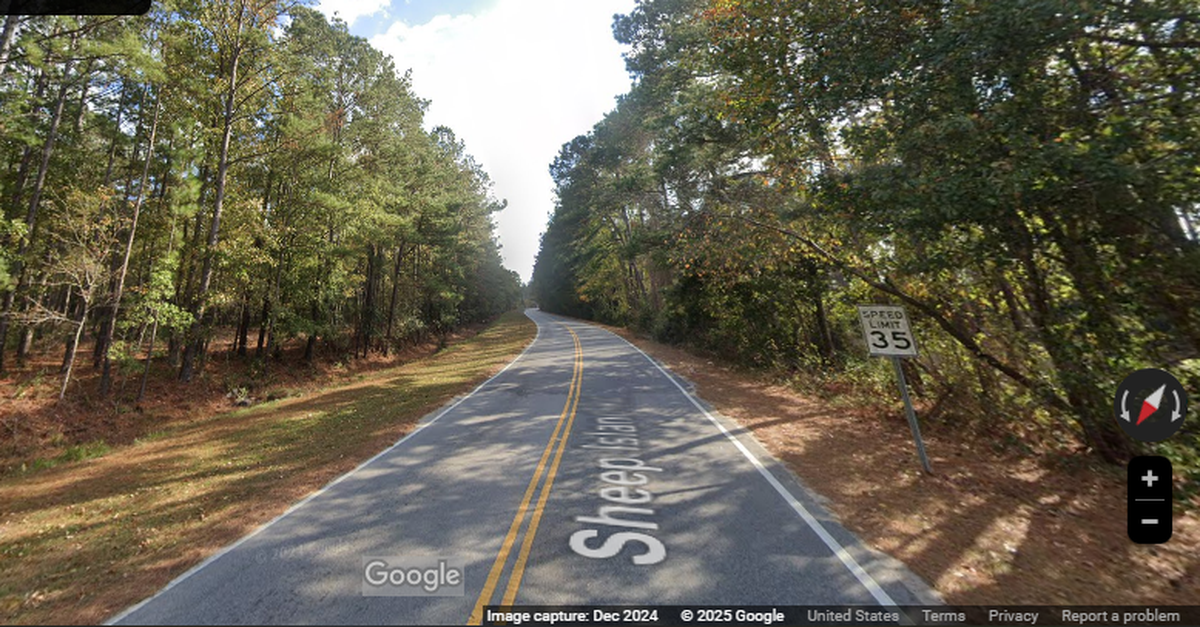
“So pervasive was the lore that (Old) Sheep Island Road became known among local residents as Light Road, with a local stretch of road known today as Old Light Road,” she noted.
Hughes theorizes shallow earthquakes in the Summerville area could be releasing “a water-soluble gas like radon or methane that was then ignited by a spark of static electricity or rock movement.”
Abandoned railroad tracks and even scrap metal could have been a catalyst for the sparks, she said.
Earthquake lights were largely ignored by scientists until photo evidence began to show up in the 1960s.
Even now, the USGS says no one is sure what causes the phenomenon, known as EQL.
“Geophysicists differ on the extent to which they think that individual reports of unusual lighting near the time and epicenter of an earthquake actually represent EQL,” the USGS says.
“Some doubt that any of the reports constitute solid evidence for EQL, whereas others think that at least some reports plausibly correspond to EQL. ... Some reports of EQL have turned out to be associated with electricity arcing from the power lines shaking.”
This story was originally published January 27, 2025 at 7:47 AM with the headline "Frequent reports of ‘ghost’ light in South Carolina may be more than myth, study says."