What can you do if ICE comes to your door? Know your rights in SC
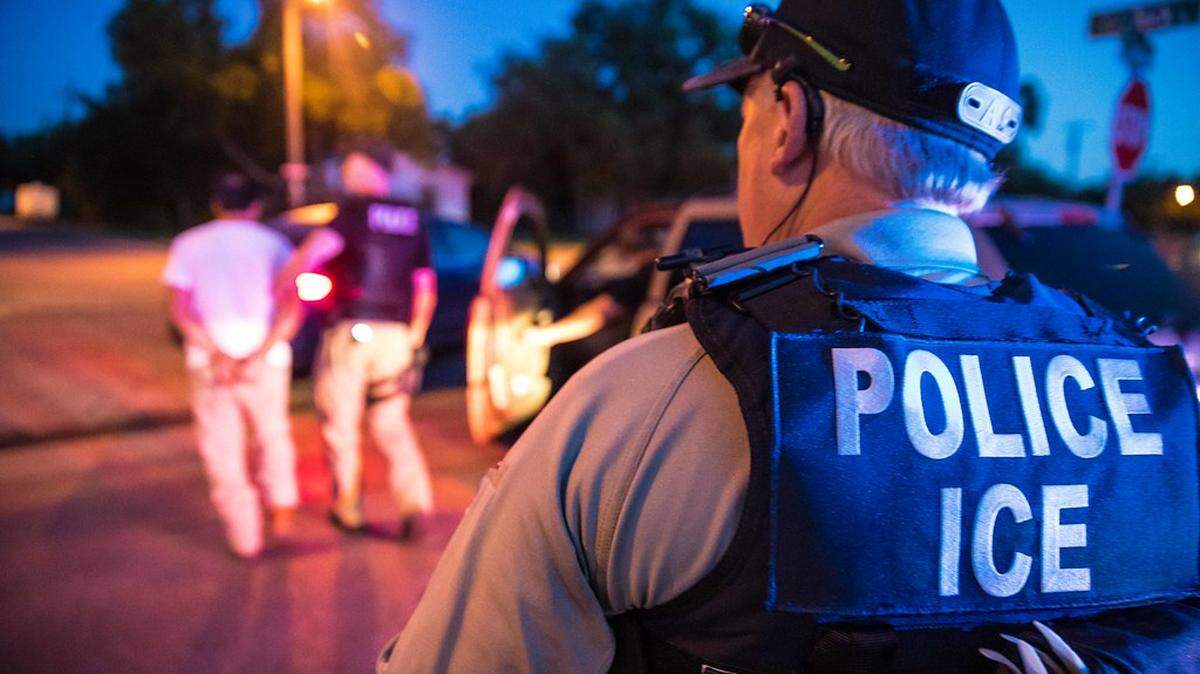
As immigration and deportation policies swiftly change under President Donald Trump, it’s crucial to understand your rights in South Carolina and how you can support others.
South Carolina has strict immigration laws, but immigrants still have fundamental rights, regardless of status.
The American Civil Liberties Union of South Carolina (ACLU) states that everyone, regardless of their citizenship status, has the right to remain silent when questioned by immigration agents, including ICE.
This means you do not have to provide information about your immigration status or that of others. According to the ACLU, all citizens and immigrants, including those living or entering the country illegally or without legal permission, are guaranteed fundamental rights and civil liberties under the U.S. Constitution.
Know your rights
You have the right to remain silent
Immigrants in South Carolina have the right to remain silent when questioned by law enforcement or immigration officials. This right is a fundamental protection under the U.S. Constitution that applies to everyone, including undocumented immigrants.
You have the right to legal representation
In South Carolina, you have the right to a government-appointed lawyer if you cannot afford one.
The American Immigration Council advises that there are free or low-cost alternatives available:
Legal Orientation Program (LOP): This program offers legal education and referrals for free or low-cost legal counsel to immigrants in detention.
The National Qualified Representative Program (NQRP): This program provides counsel to detained immigrants with serious mental disorders.
The Office of Refugee Resettlement (ORR): They offer some legal services to certain populations.
If you are detained, here’s what to do
Say you wish to remain silent and ask for a lawyer immediately.
If you have been arrested by police, you have the right to make a local phone call or call a lawyer.
You have the right to humane treatment
The U.S. Constitution guarantees fundamental rights and civil liberties to every person in the United States, regardless of immigration status.
This includes the right to due process and protection from discrimination.
This means you have the right to:
Right to challenge detention: Immigrants can contest their detention and potential deportation before an immigration judge.
Right to apply for immigration benefits: Detained immigrants can apply for asylum or Temporary Protected Status.
What should I do if the police are at my door?
You do not have to let the officer into your home
You have the right to ask an officer for identification. You do not have to let them in unless they can show you a warrant signed by a judicial officer that lists your address as a place to be searched.
You can ask the officer to slip the warrant under the door
An officer can also hold it up to the window so you can read it. A search warrant allows police to enter the address listed on the warrant, but officers can only search the areas and items listed. An arrest warrant has the name of the person to be arrested.
Even if officers have a warrant, you have the right to remain silent
If your rights have been violated
Write down everything you remember, including the officers’ badge and patrol car numbers, which agency the officers were from and any other details.
File a written complaint with the agency’s internal affairs division or civilian complaint board. In most cases, you can file a complaint anonymously if you wish.
What you can do if you’re a bystander
Stand at a safe distance
As long as you do not interfere with what the officers are doing and do not stand close enough to obstruct their movements, you have the right to observe events that are visible in public spaces. If possible, you can use your phone to record a video of what is happening.
You can record what’s happening
Police officers do not have a reasonable expectation of privacy when performing their jobs, but the people they are interacting with may have privacy rights that would require you to notify them of the recording.
Police officers may not confiscate or demand to view your photographs or video without a warrant
Officers cannot delete your photographs or videos under any circumstances. If an officer orders you to stop recording or orders you to hand over your phone, you should politely but firmly tell the officer that you do not consent to doing so, and remind the officer that taking photographs or video is your right under the First Amendment.
Whether or not you can record, make sure to write down everything you remember
Note down as much as possible, including officers’ badge and patrol car numbers, which agency the officers were from, how many officers were present, what their names were, any use of weapons and any injuries.
Other ways you can help protect your neighbor or loved one
As a U.S. citizen and resident of South Carolina, there are several ways you can help protect and preserve Constitutionally afforded rights.
Here are a few organizations where you can donate or volunteer your time with:
- International Rescue Committee (IRC): The IRC offers various volunteer opportunities and activities for marginalized groups.
- Asian Americans Advancing Justice: AAAJ protects the civil rights of Asian Americans, Native Hawaiians, Pacific Islanders (AANHPI), Arab and Middle Eastern people.
- Kids In Need of Defense (KIND): This organization specifically represents minors and unaccompanied children in immigration cases.
Call your representatives
Find out who represents you and reach out to them to examine unfair or unethical legislation and to support policy initiatives.
The website for the U.S. Congress can assist you in finding your members.
Law Enforcement and immigration laws in South Carolina
Federal government agencies work with local authorities to manage immigration laws.
The Immigration and Nationality Act (INA) Section 287(g) explains that local law enforcement officers have the authority to perform some of the functions of immigration agents. Local governments help identify immigrants with criminal charges.
These are the 287(g) participating offices in South Carolina:
Horry County Sheriff’s Office
Lexington County Sheriff’s Office
York County Sheriff’s Office
Meanwhile, the following are some of the government entities that handle immigration matters all over the United States:
The Department of Homeland Security (DHS): The DHS manages immigration enforcement, border security and emergency response coordination. It also handles immigration-related issues.
U.S. Citizenship and Immigration Services (USCIS): USCIS oversees the immigration of people to the United States. USCIS processes citizenship, green cards, visas and other immigration benefits.
U.S. Immigration and Customs Enforcement (ICE): ICE is in charge of the enforcement of immigration laws. It also conducts investigation and detention of those who violate these laws.
Federal Bureau of Investigation (FBI): The FBI works to combat criminal acts in the country. This includes crimes related to immigration, such as smuggling, human trafficking, visa fraud and more.
Employment checks in South Carolina
South Carolina law in the Illegal Immigration and Reform Act (SCIIRA) requires all employers in the state to enroll with the DHS’s E-Verify system. It is mandatory for all public and private employers in South Carolina.
The E-Verify system checks the employment authorization of workers. The system compares the employee’s information with the database and examines their eligibility to work in the United States.
An employer who fails to enroll with E-Verify could face sanctions, the loss of their business license or probation.
The Department of Labor, Licensing and Regulation (LLR) of South Carolina investigates employment complaints. They do conduct random audits to ensure employers follow verification laws.
Driver’s License & ID requirements
All applicants for driver’s licenses in South Carolina must show proof of identification. The following are some of the acceptable documents:
U.S. passport
Birth certificate
Social Security number
Proof of current address
Evidence of name change (if applicable)
For non-U.S. citizens in South Carolina, designated DMV branches can process their applications. There is a separate checklist for non-citizens.
Immigrants without proper documentation in South Carolina can’t get a driver’s license.
Stay updated & educated
Although it may feel overwhelming to stay plugged into the news, it is important to stay informed about current immigration laws and policies.
Share and read fact-checked, vetted information to avoid misinformation and be mindful of what you share on social media.
This story was originally published February 5, 2025 at 6:00 AM with the headline "What can you do if ICE comes to your door? Know your rights in SC."