
Black bears are out in Myrtle Beach area and they’re hungry. What to do if you see one
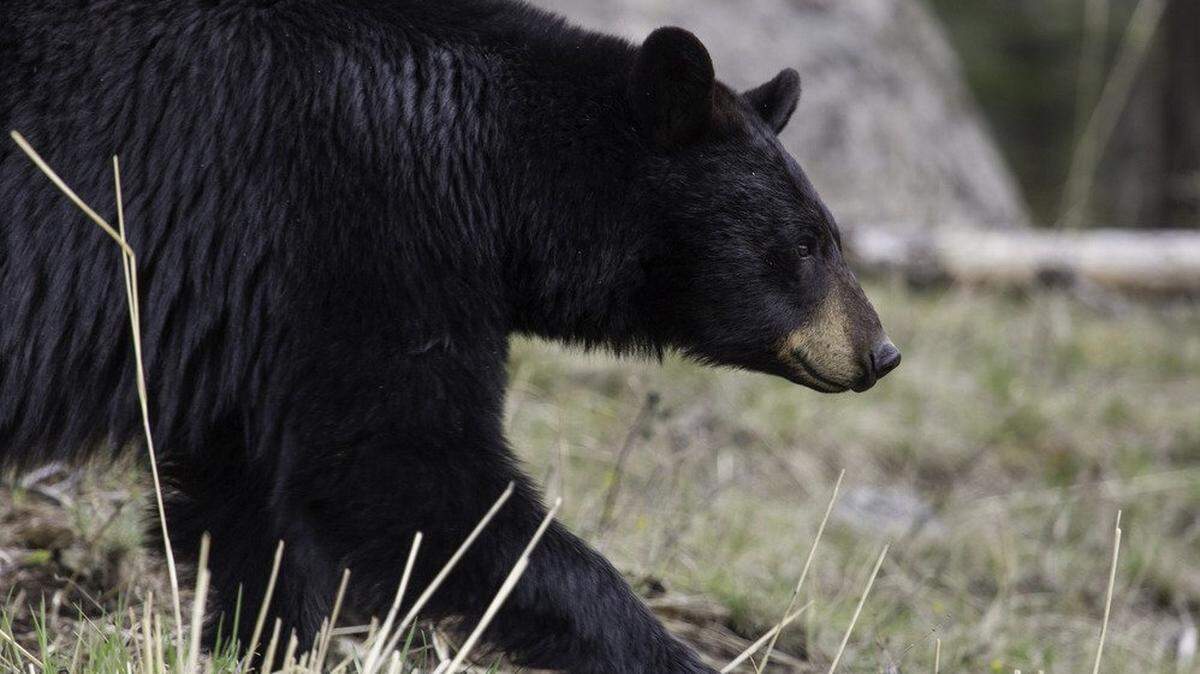
Bird feeders allow for the sights and sounds of a long awaited spring, but they might also attract a hungry black bear.
As temperatures are steadily warming, South Carolina Department of Natural Resources wants residents to be on alert for black bears searching for food.
Most black bears are found in the western, mountainous part of the state and along the coastal plain, according to SCDNR’s website. Horry and Georgetown counties have a healthy population compared to the southern and middle regions.
The SCDNR has reported previously that the Myrtle Beach area has a number of black bear sightings as more housing developments continue to happen.
They are opportunistic eaters, meaning they will find whatever is available. It’s often trash, bird feeders or other accessible food sources, according to SCDNR.
“Bears that have access to human-provided foods often become dependent upon people, leading to destructive behavior and may lead to the bear’s demise,” SCDNR Black Bear Biologist Tammy Waldrop said in a press release.
According to SCDNR’s website, there were 112 reported human encounters with black bears in 2024 within their coastal range.
Tips to reduce nuisance bear activity
Black bears are native to South Carolina, and seeing a bear in proximity does not necessarily mean there is a problem. SCDNR offered six “BearWise Basics” for residents to better co-exist with black bears.
- Remove bird feeders when bears are active. Birdseed and grains have lots of calories, so they are attractive to bears. Removing feeders is the best way to avoid creating conflicts with bears.
- Secure food, garbage and recycling. Food and food odors attract bears, so do not reward them with easily available food, liquids or garbage.
- Never feed or approach bears. Intentionally feeding bears or allowing them to find anything that smells or tastes like food teaches bears to approach homes and people looking for more.
- Never leave pet food outdoors. Feed pets indoors when possible. If you must feed pets outside, feed in single portions and remove bowls afterward. Store pet food where bears cannot see or smell it.
- Clean and store grills, smokers. Clean grills after each use and make sure that all grease, fat and food particles are removed. Store clean grills and smokers in a secure area that keeps bears out.
- Alert neighbors to bear activity. See bears in the area or evidence of bear activity? Tell your neighbors and share info on how to avoid bear conflicts.
For more information on living responsibly among black bears, visit bearwise.org.
What to do if you encounter a black bear
Black bears are generally shy and non-aggressive toward humans, according to SCDNR, but they are still wild and should be respected.
According to BearWise, there are ways to safely scare a bear off if it is hanging around an area it shouldn’t be, including when it is eating trash or other human food sources.
Safe practices include asserting your dominance, making noise and using motion-activated lights, alarms or water-sprinklers to deter the bear. Keep in mind not to approach, corner or chase the bear. Stand in a safe place, and bring kids and dogs inside. Be sure the bear has an escape route away from you. Stop hazing when the bear runs away or climbs a tree. If the bear approaches, do not run, and instead use bear spray.
If you see a black bear, report it to SCDNR’s black bear sighting form.
For black bear emergencies, call 1-800-922-5431 or 911.
This story was originally published May 13, 2026 at 7:00 AM with the headline "Black bears are out in Myrtle Beach area and they’re hungry. What to do if you see one."