
Chiggers are out in force across SC. Here’s what they are, how to deal with them
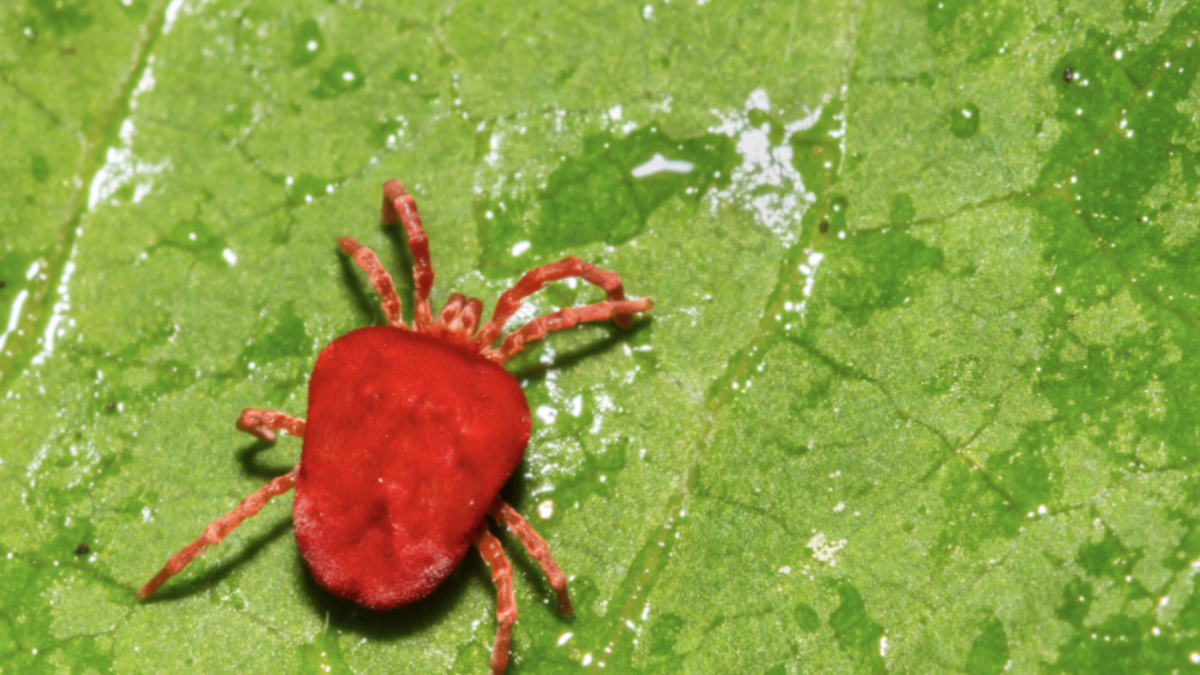
Summer in South Carolina brings plenty of joys — and chiggers, the tiny red larvae that leave behind a maddening itch. Here’s what Clemson researchers and a longtime SC naturalist say about how to spot them, avoid them and treat the bites.
FULL STORY: These SC critters are small, red & pack a mean itch. Here’s how to fight back if attacked
Here are key takeaways:
- Chiggers aren’t insects. They’re immature mites more closely related to ticks and spiders, according to SC Naturalist. Also called redbugs, they can be red, orange, yellow or straw-colored.
- Clemson researchers say adult female mites lay one to five eggs a day in leaf litter, damp soil or overgrown weeds. The chiggers hatch in five to seven days, then wait on vegetation near the ground — drawn to the carbon dioxide you exhale.
- They don’t burrow or drink blood. Clemson says they pierce skin around hair follicles, release skin-dissolving saliva and feed on the liquid — usually where clothing fits tightly, like around belts and socks. Itching starts a few hours later and can last for days.
- The good news: chiggers are not known to transmit disease, and they leave people alone once they molt into nymphs and adults.
- Naturalist Dennis Chastain, in an essay for the Greenville Journal, shared a remedy from his aunt Edna: a witch hazel rubdown after coming in from outside. “The effect was pure magic,” Chastain wrote. “I have been using that hack for 60 years and it has never failed me.”
The summary points above were compiled with the help of AI tools and edited by journalists. The full story in the link at top was reported, written and edited entirely by journalists.
This story was originally published June 23, 2026 at 6:00 AM with the headline "Chiggers are out in force across SC. Here’s what they are, how to deal with them."