
Swimming in Columbia waters riskier after heavy rains as germs up chance of illness
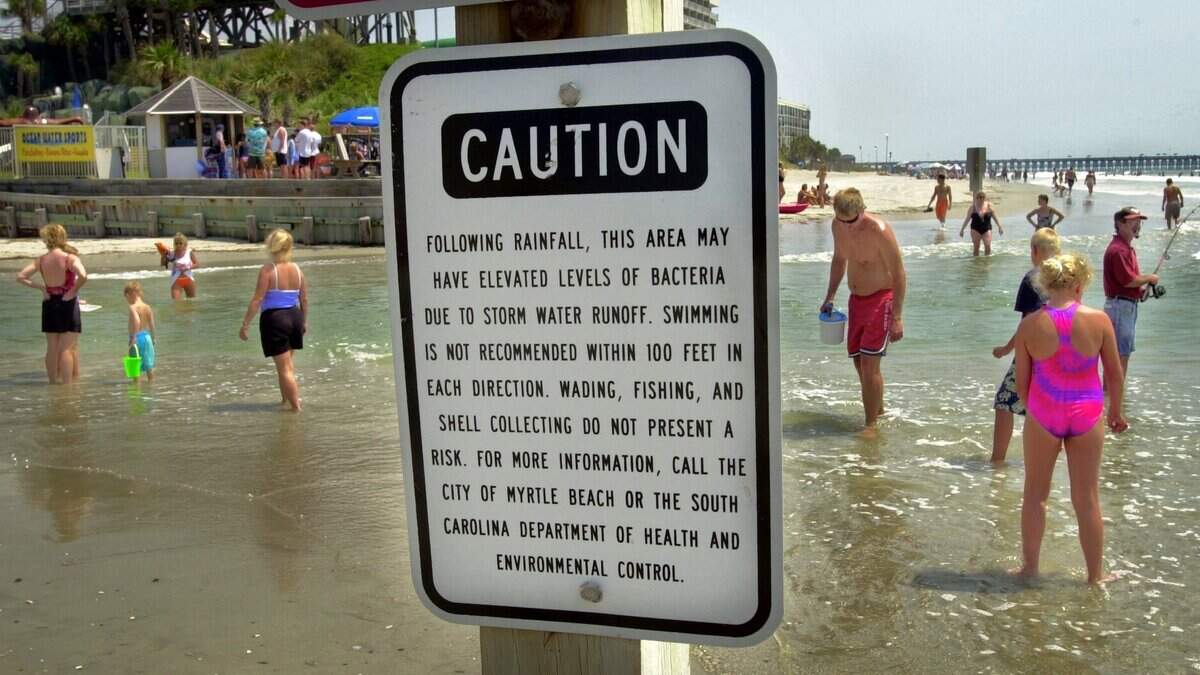
Nine of 11 testing spots on Columbia’s major rivers recently showed bacteria levels high enough to trigger swimming advisories after heavy rainfall. Health officials warn that swimming after storms poses illness risks at rivers, lakes and beaches across South Carolina.
FULL STORY: Disease-carrying germs soar at beaches, popular swimming holes after heavy rains
Here are key takeaways:
- Congaree Riverkeeper Bill Stangler said stormwater rushing into rivers like the Congaree, Broad and Saluda raises bacteria counts and can indicate germs that make swimmers sick. He urged people to avoid swimming after rain or when advisories are posted, noting muddy water can signal a problem.
- The Saluda River just above Riverbanks Zoo, one of the most popular local swimming spots, tested at more than twice the safe bacteria standard on June 18, according to the riverkeeper’s results posted at howsmyscriver.
- Charleston Waterkeeper spokesperson Cheryl Carmack-Smith said some sampling areas, such as Shem Creek, have high bacteria levels half the time even in dry weather, with septic tanks believed to be the cause. “When we have dry periods and then we get heavy rain, it’s really bad,” she said.
- State officials recommend waiting at least 48 hours after heavy rain before swimming in natural waters. Swallowing contaminated water can cause upset stomachs or fever, and open cuts can become infected.
- The S.C. Department of Environmental Services tests ocean water at 122 beach monitoring stations from North Myrtle Beach to Hilton Head Island. Grand Strand communities have spent decades replacing beach drainage pipes with longer pipes that discharge stormwater beyond the breakers.
The summary points above were compiled with the help of AI tools and edited by journalists. The full story in the link at top was reported, written and edited entirely by journalists.
This story was originally published June 27, 2026 at 6:30 AM with the headline "Swimming in Columbia waters riskier after heavy rains as germs up chance of illness."