
Triple-Digit Temperatures and a Dead AC: How to Navigate an HVAC Emergency
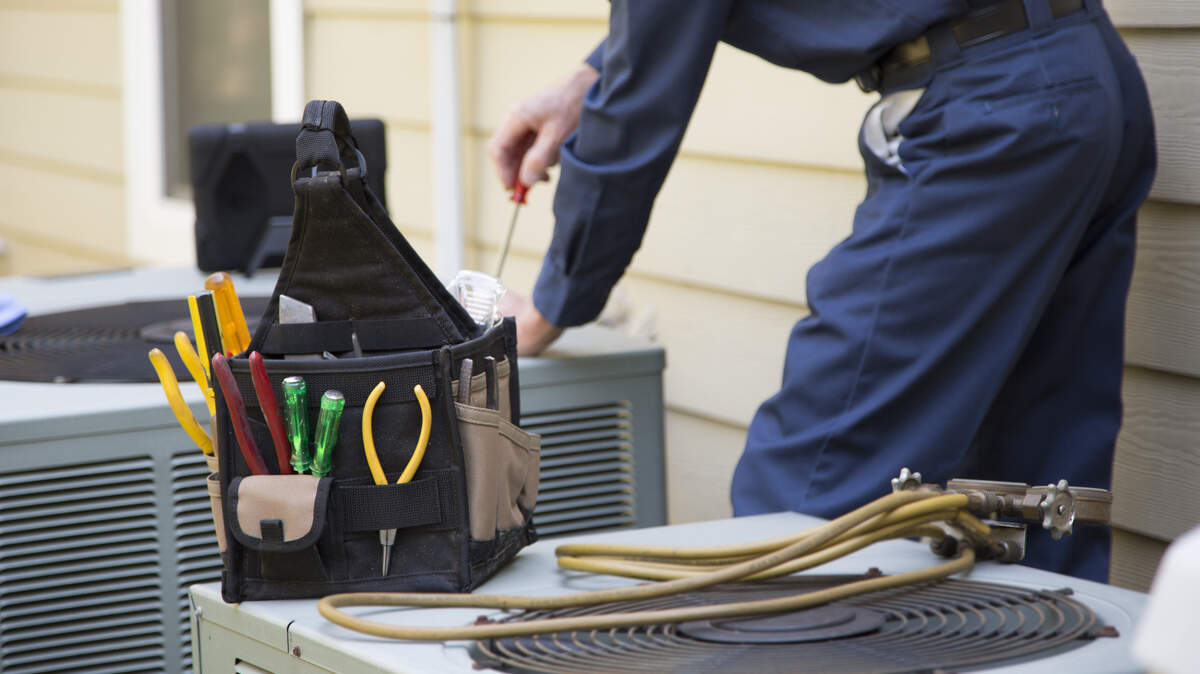
If it feels like it’s getting hotter, it’s not just you. According to the National Oceanic and Atmospheric Administration (NOAA), 100+ degree days are becoming more common. Triple-digit temperatures can strain home cooling systems, making it difficult to stay comfortable.
If your air conditioning (AC) system suddenly stops working, knowing what to do and how to determine if it’s a true HVAC emergency can help keep your family safe.
Key Takeaways
- A broken AC can be an emergency if you have vulnerable people in your household.
- Before calling an emergency HVAC repair technician, check simple issues like thermostat settings, breakings, and filters.
- For an emergency HVAC repair, expect to pay anywhere from $75 to $200 for a technician to troubleshoot and diagnose the problem.
Steps to Take in an HVAC Emergency
Not every AC issue requires immediate help, but there are some cases where it’s warranted. Here’s what to do to assess the problem, and what actions to take next:
1. Determine If It’s a True Crisis
No one wants to be stuck in a home without air conditioning when the AC breaks. But for many people, a broken AC is just inconvenient, not hazardous. The first question to ask yourself is, “Is anyone in danger?”
A broken AC can be an emergency in the following situations:
- You’re experiencing extreme weather conditions (100+ degrees)
- An elderly person or child lives in the home
- Household members have health risks, such as heart disease
- There is no airflow coming from the vents
- Water or refrigerant leaks near electrical components
- The HVAC system is making buzzing or grinding noises
- There is a burning smell
In those scenarios, calling a 24/7 HVAC repair company is a smart decision. For other issues, such as weak airflow or uneven cooling, you can call a regular repair technician and schedule an appointment.
“If a customer is calling with a need and they’re in distress because their system is broken — and let’s say that it’s 105 degrees outside — they need somebody there right now,” said Josh Conder, division operations manager for ARS Central Division. “We can’t say, ‘All right, we’ll get out there next week. Just sweat for the next week.’ That doesn’t work well. So I think that capacity and urgency from the company is a big part of it.”
2. Complete Basic Checks
Before picking up the phone, complete a few basic checks. Sometimes a simple fix can resolve the problem (without the hefty fee!) and prevent further damage. For example:
- Check your thermostat: Make sure your thermostat is set to cool, and, if timers are set, that the lower temperatures are programmed for when you’re home. Replace the batteries, if needed, and check the Wi-Fi connection.
- Inspect the circuit breaker: AC units draw a lot of power, and the HVAC breaker may have tripped. You can try resetting it to see if the AC restarts. If it trips again, there may be an electrical issue.
- Replace the air filter: Dirty filters can reduce airflow and cause performance issues. Check the filter and, if it looks dirty, replace it. Going forward, make checking the filter a regular part of HVAC maintenance to prevent future issues.
- Check the unit outside: Inspect the outdoor unit. There may be debris or dirt buildup that affects airflow, leading to system failures or malfunctions.
For larger problems, professional service providers are necessary.
3. Contact an HVAC Repair Company
Once you’ve ruled out basic problems and decided whether the situation is a true emergency, you can contact an HVAC repair company. Many emergency HVAC services offer same-day repairs and 24/7 service calls.
4. Wait for Help
As you wait for the HVAC technician to arrive, take some steps to keep everyone in the house comfortable:
- Close blinds and curtains to limit the amount of sun that enters the home
- Turn on fans, including ceiling fans
- Drink lots of water
- Use ice packs on the back of neck or wrists to get some relief
- Keep an eye on vulnerable family members and pets
- If the heat gets too overwhelming, visit cool indoor places, such as libraries or shopping malls.
Call-out: Signs of heat stroke
Triple-digit temperatures can cause serious health issues. If a family member displays any of the following symptoms, they may have heat exhaustion or heat stroke:
- Confusion
- Rapid pulse
- Heavy sweating
- Seizures
- Nausea
- Dizziness
How Much Does an Emergency HVAC Repair Cost?
An emergency HVAC repair is typically more expensive than a standard repair. After-hours calls will have a premium. Here is what to expect in terms of common HVAC repair costs:
Your actual cost will vary based on your location, your system’s age, the availability of parts, and the brand and model of your unit.
FAQs
Is a broken AC considered an emergency?
A broken AC can be an emergency if there are vulnerable people in the home who may be susceptible to heat-related complications.
How long can I safely stay in a house without AC?
There’s no one-size-fits-all answer. How long you can safely stay in a home depends on the indoor temperature, the humidity level, airflow, your age, and your health.
How fast can emergency HVAC help arrive?
With an HVAC emergency repair company, you can usually get help the same day you call, and you may get assistance within a few hours. How quickly a company can respond depends on area demand.