The FDA has restricted the J&J COVID-19 vaccine. What you need to know about side effects
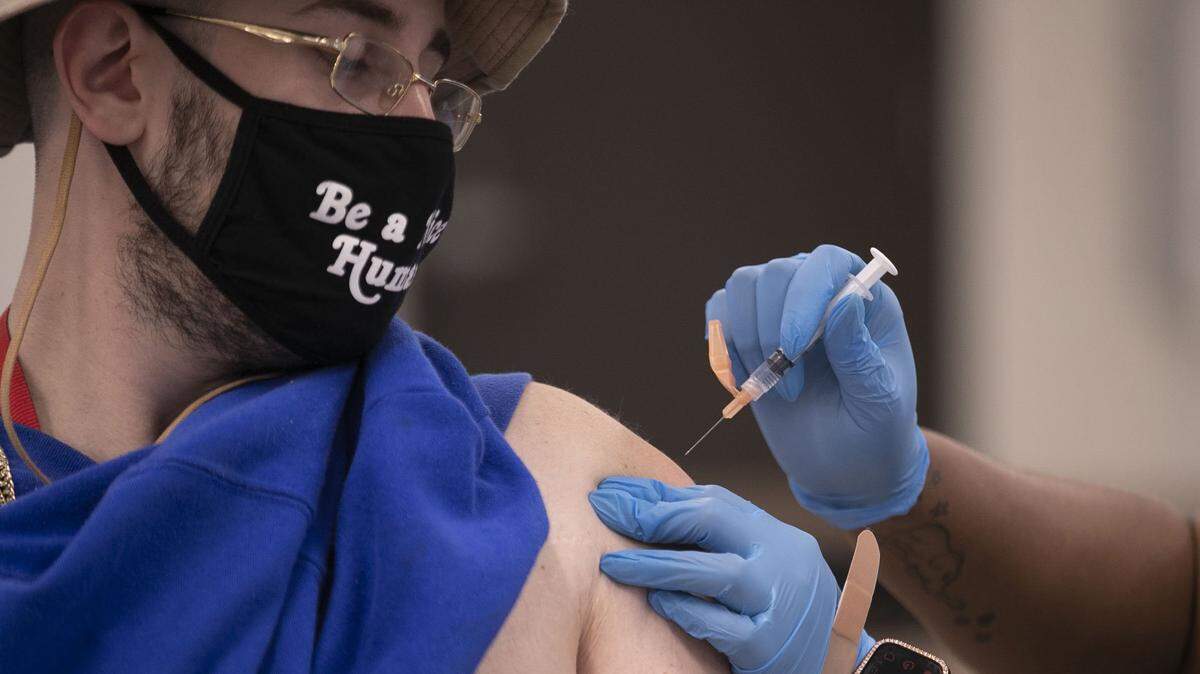
The US Food and Drug Administration recently announced it is limiting the use of the Johnson & Johnson COVID-19 vaccine due to a rare blood clotting disorder reported in patients after receiving it.
The FDA determined that the risk of thrombosis with thrombocytopenia syndrome (TTS), a syndrome that involves potentially life-threatening blood clots, warrants limiting the use of the vaccine, according to a statement from the agency.
Through March 18, the FDA and Centers for Disease Control and Prevention identified 60 cases of TTS, including nine deaths, according to the statement. The CDC says that the disorder is extremely rare since approximately four cases of TTS have occurred per 1 million doses administered.
Last April, less than two months after the vaccine was authorized for emergency use, the FDA and CDC announced they were pausing administration of the vaccine to investigate six cases of TTS. The pause was lifted 10 days later after a safety evaluation, where nine more cases of TTS were identified.
What are the symptoms of TTS?
According to the American Society of Hematology, the symptoms of vaccine-induced TTS, which require urgent medical attention, include:
Headache
Visual changes
Abdominal pain
Nausea and vomiting
Back pain
Shortness of breath
Leg pain or swelling
Bruising or bleeding
Who should get the Johnson & Johnson vaccine?
According to the CDC, the Johnson & Johnson vaccine can be considered for those 18 and older who:
Had a severe reaction to an mRNA vaccine dose (Pfizer or Moderna)
Have a severe allergy to an ingredient in the Pfizer or Moderna vaccines
Would remain unvaccinated against COVID-19 due to limited access to the Pfizer and Moderna vaccines
Want to get the vaccine despite safety concerns
Johnson & Johnson vaccine effectiveness
The Johnson & Johnson vaccine was 66.3% effective in preventing COVID-19 infections during clinical trials, and it prevented most hospitalizations and deaths in people who did get sick, according to the CDC.
For comparison, the Pfizer and Moderna vaccines were around 95% effective in preventing COVID-19 infections, according to Yale Medicine.
This story was originally published May 7, 2022 at 6:00 AM with the headline "The FDA has restricted the J&J COVID-19 vaccine. What you need to know about side effects."