Cardiac Pack’s NIL lawsuit against NCAA survived. But will it advance?
Players from N.C. State’s 1983 national championship men’s basketball team kept their 2024 lawsuit against the NCAA alive Thursday when judge denied a motion to dismiss it, weighing the group’s claims that their names, images and likenesses are being used without permission or compensation.
Judge Mark A. Davis presided over the N.C. Business Court hearing in Raleigh, which took place in Raleigh. He heard arguments from both sides and will determine the next steps.
“I think Judge Davis asked tough questions from both parties. He’s very thorough,” said Stacy Miller, one of the attorneys on the case. “Clearly, he had read all the materials and all the case law. We were impressed with the court’s preparedness.”
Plaintiffs listed in the case, according to the most recent documents, are former Wolfpack players Thurl Bailey, Alvin Battle, Walt Densmore, Tommy DiNardo, Terry Gannon, George McClain, Cozell McQueen, Ernie Myers, Walter Proctor, Harold Thompson and Mike Warren. Martha Mobley is a plaintiff on behalf of Quinton Leonard’s estate.
The NCAA is the sole defendant.
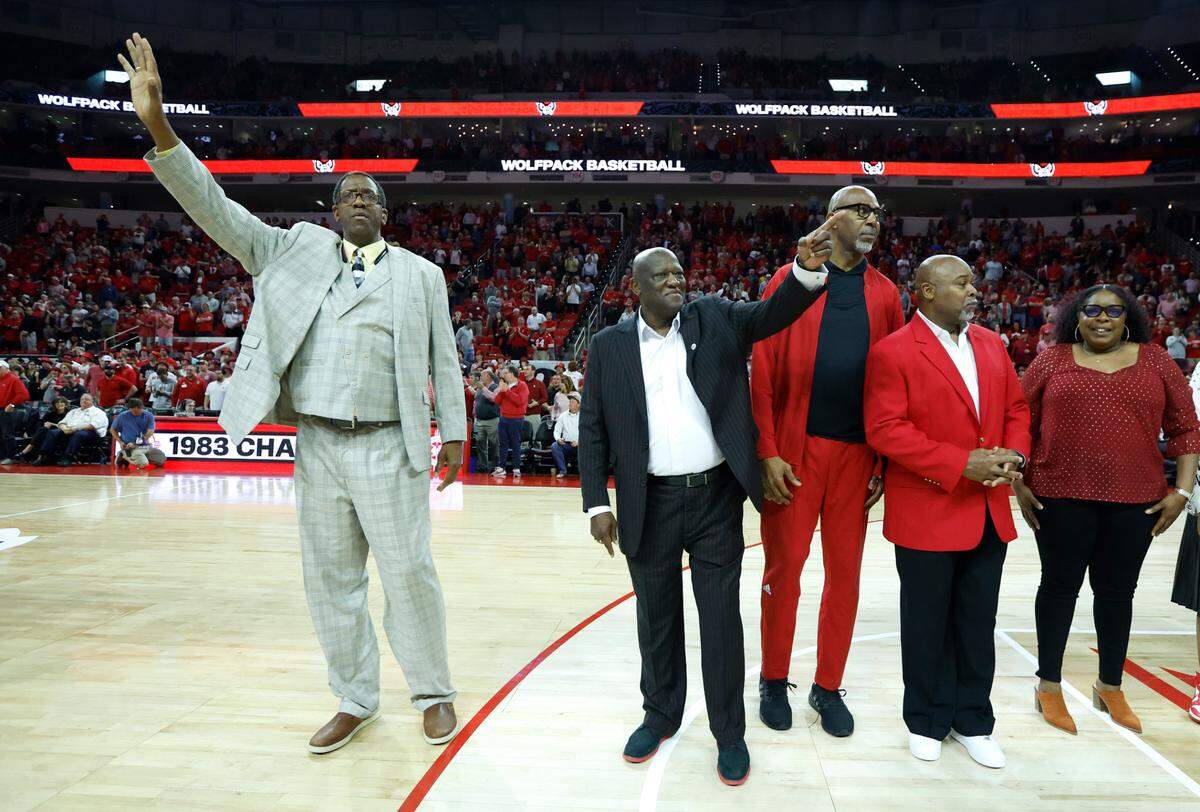
Battle, Densmore, McClain, McQueen and Warren attended all or part of the hearing. Myers also attended but said he is in fact not a plaintiff, despite being listed as one, and that his presence was to support his teammates. Myers works with the Wolfpack’s radio broadcast team.
Miller, the plaintiffs’ attorney, summarized the case by saying the NCAA “usurped their NIL rights, and they’re using them in perpetuity for 41 years, and that’s fundamentally against the law, we believe.”
Hamilton argued that the plaintiffs did not receive relief through the 2015 O’Bannon or 2021 Alston cases because those addressed current student-athletes. Meanwhile, the NCAA still financially benefits from the “Cardiac Pack” footage and members of the team do not receive compensation.
The NCAA filed a motion on Oct. 18, 2024, to dismiss the case, citing a four-year statute of limitations on antitrust claims. It also cited a three-year statute of limitations on the plaintiffs’ claims of invasion of privacy and unjust enrichment. It also states the plaintiffs have failed to prove claims of antitrust and infringement of legally enforceable rights.
In their response to the motion to dismiss, the plaintiffs cited North Carolina law they believe supersedes the statute of limitations claims.
But their counterargument also cites the state constitution, which says citizens have an inalienable right to “reap the reward of [their] endeavors.”
Miller said on Thursday that the plaintiffs are only seeking damages from the last four years, after current NIL rules went into effect.
On Monday, New York judge Paul A. Engelmayer dismissed the Chalmers v. NCAA case brought by former Kansas men’s basketball star Mario Chalmers and 15 other plaintiffs, citing a four-year statute of limitations. The lawsuit argued the law continues to be broken by the NCAA’s ongoing use of the players’ NIL by its March Madness promotions.
In a court filing, the NCAA suggested that court decision should impact the “Cardiac Pack” case.
“Judge Engelmayer’s opinion & order in Chalmers dismisses with prejudice nearly identical claims as here; indeed, plaintiffs here are members of the putative class pleaded in Chalmers,” the petition says.
Davis did not follow Engelmayer’s ruling and opted to move forward.
“Thank you all for the good arguments today. You’ve given me a lot to think about,” Davis said before adjournment. “I’ll get something out as soon as possible. This is an important case, and I’m not going to rush through it.”
Abrams expects proceedings to last one or two more months. The initial complaint seeks a jury trial.
“As you saw today, there’s a lot of different cases, a lot of law to sift through,” Eliot Abrams, one of the Pack’s attorneys, said. “This is a particularly unique situation. You have to take cases addressing other circumstances, and apply it to one where the actual folks who provided the value weren’t paid. I think that will take some time to sort through.”
Lawsuit background
The group filed the lawsuit last June for using their names, images and likenesses without permission or compensation. It said the NCAA uses images and videos of the “Cardiac Pack” to advertise the NCAA Men’s Basketball Tournament, among other commercial uses, the lawsuit states. The plaintiffs, however, have neither ever received any form of compensation, nor did they consent to the uses.
The lawsuit cites the 2021 Alston ruling, which allowed for student-athletes to receive financial incentives.
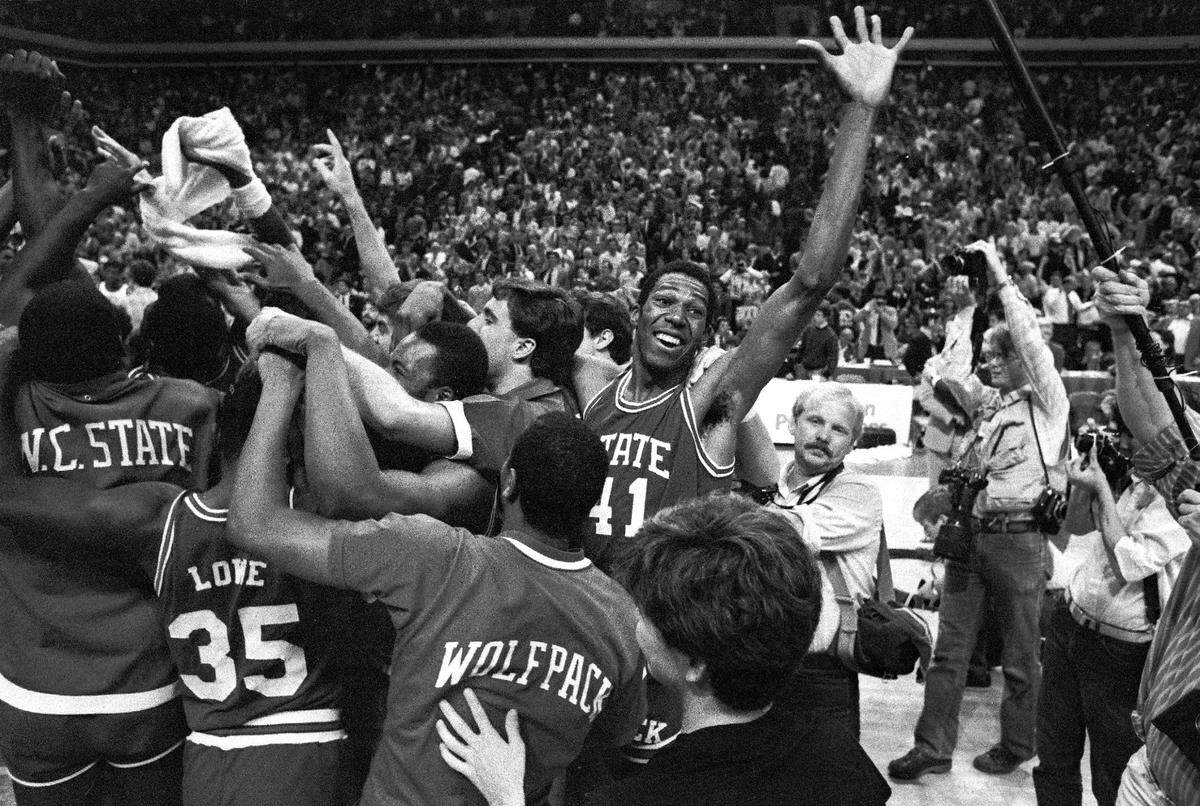
N.C. State men’s basketball earned the “Cardiac Pack” nickname after winning the ACC tournament and then six NCAA Tournament games. Its run included a 54-52 upset of Houston in the championship game on Lorenzo Charles’ buzzer-beating dunk, a moment that is often replayed during the NCAA Tournament.
The plaintiffs say there are two parts to their argument.
First, the NCAA generates $1 billion in revenue annually from March Madness and is set to receive $20 million in broadcast rights over the next decade, and use footage from their game to promote the annual tournament.
They also list the NCAA website’s use of videos from the team’s postseason run, which only play after advertisements. The lawsuit states the NCAA has “never paid one cent” to the plaintiffs and used its power to exploit student-athletes.
CBS Broadcasting, CBS Sports, TNT Sports, Turner Sports Interactive and Collegiate Licensing Company were previous defendants. CLC was removed as a defendant on June 25. The television broadcasters were removed last Sept. 20.
This story was originally published May 1, 2025 at 6:57 PM with the headline "Cardiac Pack’s NIL lawsuit against NCAA survived. But will it advance?."