
Indigenous Bowl taught this Rock Hill receiver and Catawba ‘how different life could be’
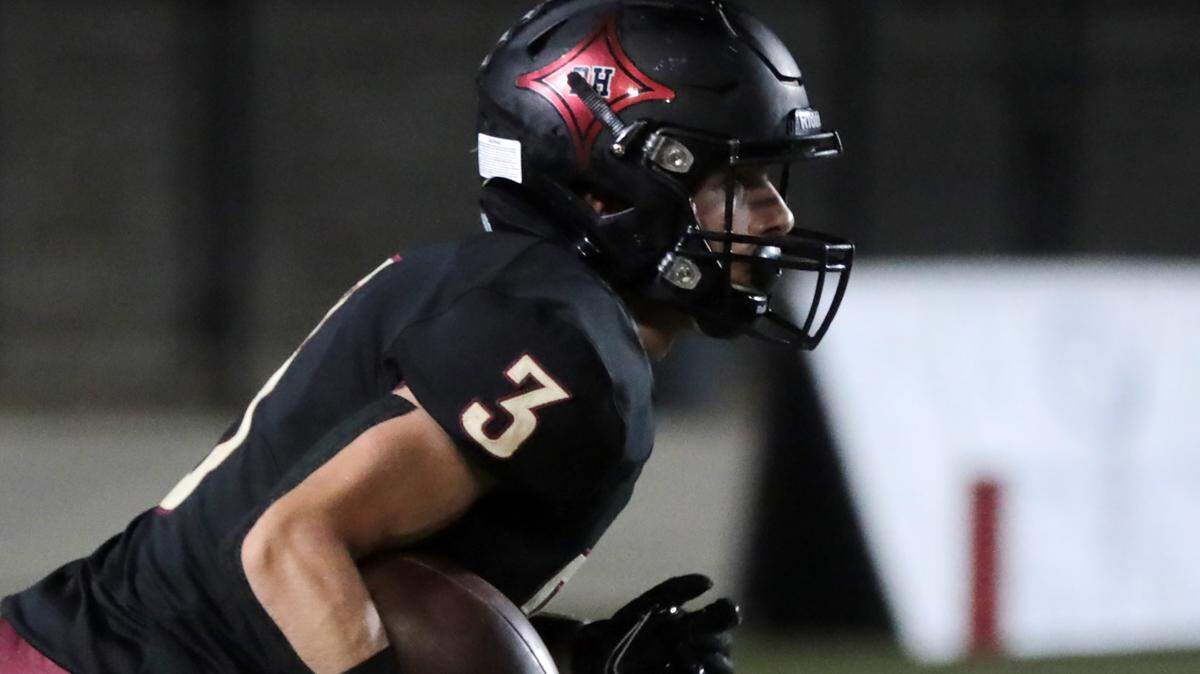
There was a moment, late in a game he never thought he’d be playing in, when Nathan Bruce just looked around.
He rarely does that. Bruce has a way of tunneling his vision, he says. The fans, the band, the noise — the rest of the hoopla fades into a background blur while he’s busy running around tacklers or blocking a defensive back or barking out encouragement from his team’s sideline. The Rock Hill High School wide receiver and kick returner did that at District Three Stadium this year, he said. He’d done it all his life.
And yet, in the fourth quarter of an all-star game in U.S. Bank Stadium in Minneapolis, home of the Minnesota Vikings, Bruce let his mind run a bit.
“It was a lot different than D3 (stadium),” Bruce told The Herald, chuckling at his understatement. “I guess walking into that place, you don’t understand how big it is at first glance.”
The game Bruce was recalling was the 2021 Indigenous Bowl, a national all-star game played by high school seniors of American Indian descent across the country. He was the first member of his Catawba tribe to be selected to play in the event, he said.
And participating in the fourth-annual Indigenous Bowl meant spending a week in Minneapolis. It meant shuttling to and from state-of-the-art practice facilities, yes, but also spending time in a new place. (“I’m not really a big-city person,” Bruce said.)
It meant meeting new people, like his teammates who hailed from Michigan and Arkansas and Canada and all these places this kid from Rock Hill had never been.
And it meant looking beyond the football field, broadening his view. It meant “sitting down and just looking up,” as Bruce so aptly said in the fourth quarter of what might have been the last game of his football career.
“It showed me,” Bruce said, “how different life could be.”
The Indigenous Bowl began in 2017. It’s a premier event for the 7G foundation, a collection of tribal leaders whose mission is to build on the “strength of our ancestors to mold the next seven generations of Native leaders.” This year was the most extravagant iteration of the game yet, Bruce said: NFL Films recorded the game. Cameras were everywhere. Announcers commentated. The game was played on an NFL field with NFL-quality replays and graphics flashing on an NFL videoboard.
“It was sweet,” he said.
Bruce attended the event with his mother, Donna. His family learned of the opportunity through his tribe. And the 18-year-old, who was a leader on the Rock Hill High School football team this past season, jumped at it.
Bruce grew up in Rock Hill, a city known by many as “Football City USA” because the outsize share of high-level college and NFL talent it has produced. He got into playing football originally because of his brother, Logan — someone who loved football, Bruce said, but had to stop playing in the fifth grade because of a medical condition.
“I have two older brothers, and me being the young one, you always pay attention to the two of them. And my middle brother Logan always played football,” Bruce said. “I wanted to take my brother’s shoes. He was a really big motivation for me, seeing him love the game of football, and then seeing it get cut short from him just like that.”
It turned out that Bruce was quite good at football, too. He got picked for the Rock Hill youth All-Stars in second grade — a big deal to Football City USA — and his ascension never stopped, from Lesslie Elementary to Castle Heights Middle to Rock Hill High.
“Just really proud of him, proud of the person that he’s become,” Rock Hill head coach Bubba Pittman told The Herald of his senior wide receiver. Bruce may only be 5-foot-10, but “he’s physical” and fast and “isn’t afraid to get in there and compete,” Pittman said. He was an explosive threat on kickoffs and punt returns and was a go-to receiver in 2021.
“He’s always looking out for others, always wanting to lift up other people,” Pittman said. “And he never wants to be a burden on anybody. He always wants to be a supporter, and I think that comes from his tribe.”
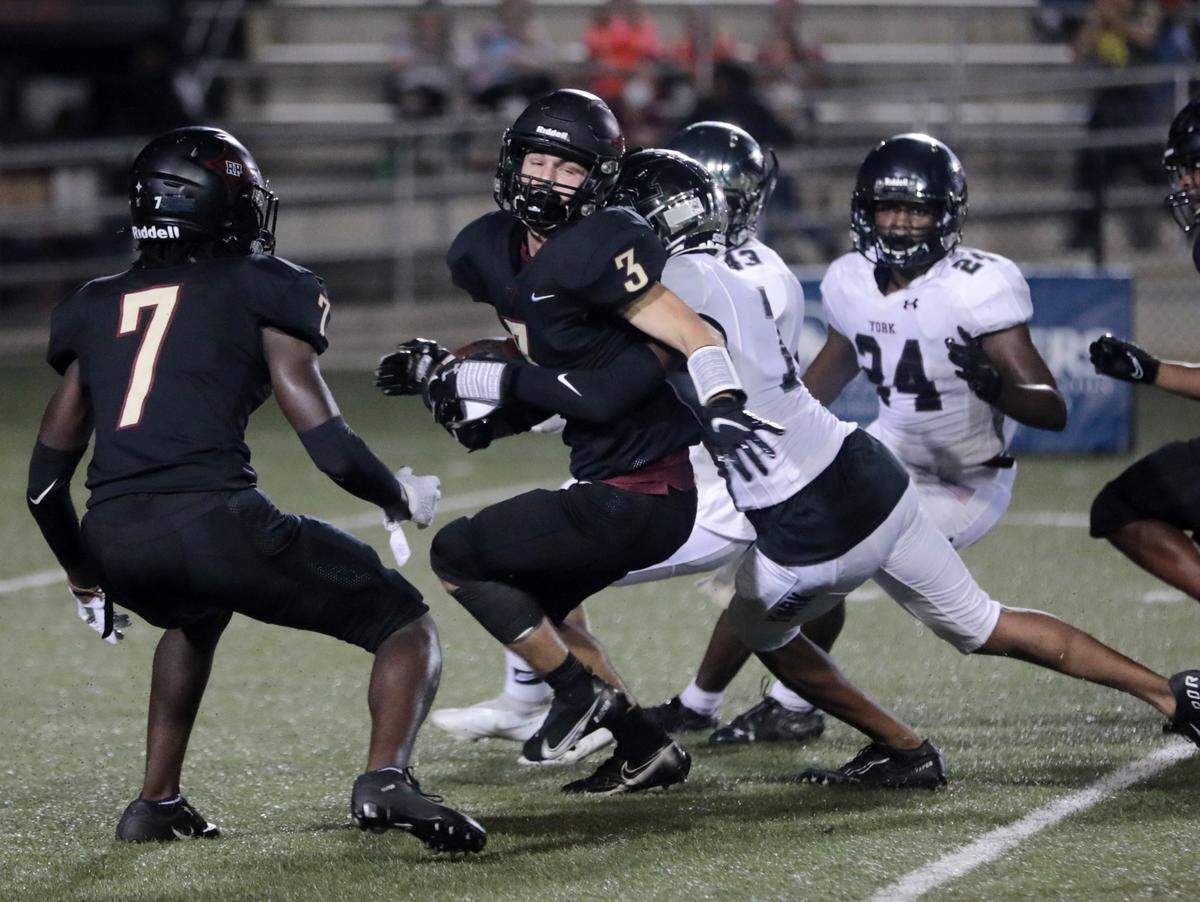
Nathan said he was compelled by the opportunity to play in the Indigenous Bowl for a variety of reasons.
“For me, (playing in the Indigenous Bowl) was really to represent the youth, you know what I mean?” Nathan said. “To let kids know that stuff’s out there: You just gotta go get it. And that’s just how life works. You gotta work for it.”
Nathan grew up having a ton of interests that still persist today. He’s on the Rock Hill shooting sports team. He loves fishing. He prefers working with his hands. He one day wants to be a welder because, he says, “everywhere you go you see them working.”
And he loves to hunt. He remembers first learning how to squirrel hunt with his father, Jason, and his older brothers, Logan and Taylor.
If you don’t interrupt him, Nathan can talk a while about hunting — waxing poetic about it like it’s more than a sport. Like it’s an art. A lifestyle.
Part of what he loves so much about it, he says, is the fact that it represents how, in this new and old way, he’s living off the land like his ancestors once did.
“It’s a connection. You really feel something,” he said. He added, “One thing I was always taught, not only from my parents but others too, is if you’re going to take from something, give back more than what you take.”
The same could be said about what was special about playing in that Indigenous Bowl game, or about wanting to represent his Rock Hill hometown and Catawba tribe and own family well — things he’s always done.
“That’s a really big saying for me: If you’re going to take from something, give back to it,” he said. “Give back more.”
This story was originally published January 19, 2022 at 5:00 AM.
.jpeg)