What is vibrio? Deadly flesh-eating bacteria migrates to odd place in Carolina waters
READ MORE
Danger Beyond the Beach: Climate change and its toll on health in the Carolinas
In North and South Carolina, sea-level rise is most noticeable in counties along the coast, where beaches shrink, dunes disappear and homes crumble, but the effects of climate change reach well inland. “Beyond the Beach” is a seven-part series examining the health toll that climate change is already taking on the people who live and work in the Carolinas.
The project is a partnership of The News & Observer in Raleigh, North Carolina, The State in Columbia, South Carolina, Columbia Journalism School and the Center for Public Integrity. Funding support for “Beyond the Beach” came from the Pulitzer Center on Crisis Reporting. Columbia Journalism Investigations, an investigative reporting unit at the Columbia Journalism School, also contributed to the project. Funding for CJI comes from the school’s Investigative Reporting Resource and the Energy Foundation.
Expand All
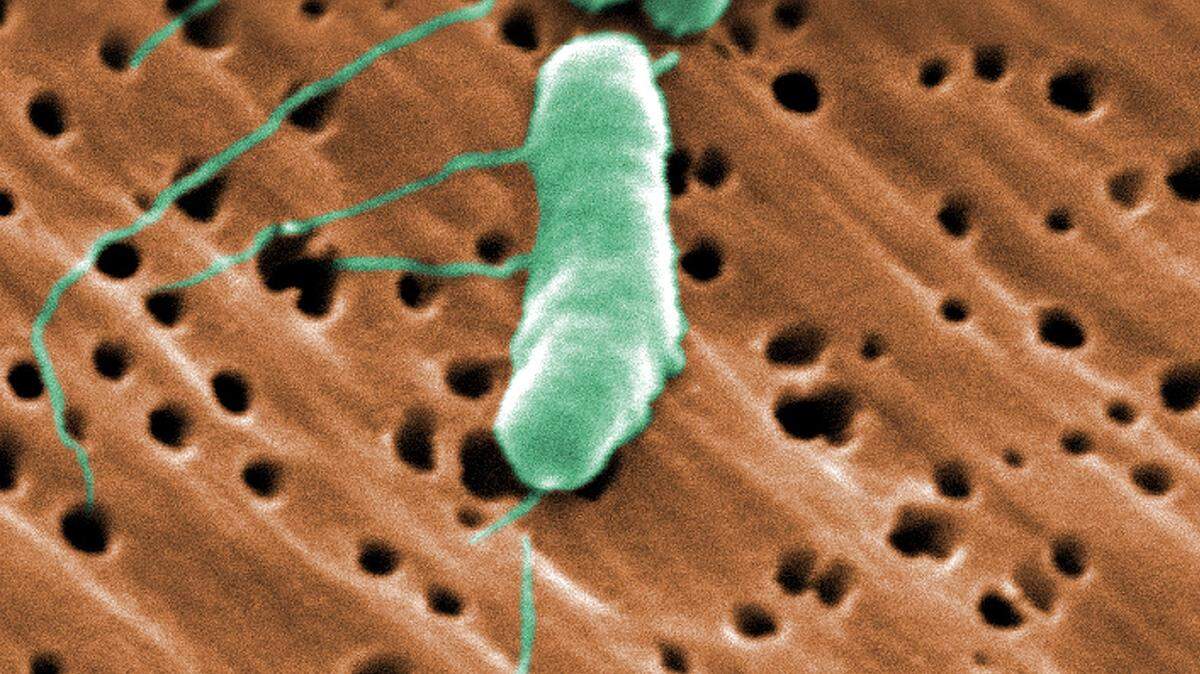
A microbe so dangerous it can strip the flesh from a person’s arms and legs showed up in the Waccamaw River eight years ago, in some places more than 20 miles away from the ocean and the brackish marshes where it thrives.
It was a chilling discovery for scientists at the University of South Carolina. After six months of sampling river water, it became clear that the nasty germ, known as vibrio, had worked its way into a place not known to harbor the bacteria.
“I originally thought we would not hardly find anything,’’ said USC researcher Geoff Scott, one of the scientists involved with the study. “Those numbers are low but the bottom line is it is moving that far up and we are seeing measurable concentrations.’’
Today, those findings are referenced in research papers that continue to document the spread — and threat — of vibrio as the earth’s changing climate shifts the balance of nature in the Carolinas and the southern United States.
In the past decade, scientists have learned that vibrio germs sometimes explode in growth after hurricanes. The microbes appear to be getting more toxic and are threatening to make swimmers ill years after they were first exposed. And certain antibiotics may not be working as well on people sickened by contact with vibrio, researchers say.
A key part of the scientific effort is developing a warning system so people will not swim or fish in areas where pathogenic vibrio outbreaks occur. A climate, oceans and health center that Scott directs at USC is working with University of North Carolina-Chapel Hill scientist Rachel Noble and others on the forecast system.
Vibrio growth is occurring at the same time the number of people infected by vibrio is rising across the country and in the Southeast. Since 2007, more than 500 people have been sickened by vibrio in the Carolinas, state statistics show.
During that time, the number of annual confirmed cases rose in South Carolina from 8 in 2007 to 29 most recently; the number in North Carolina has grown from 21 to 41, according to an analysis by Columbia University Investigations. Experts say the numbers are likely much higher, in part because many cases aren’t reported or diagnosed.
While the number of vibrio infections compared to some diseases are low — the U.S. has had 7.8 million coronavirus cases since early 2020 — scientists say the increase in vibrio infections represents a worrisome trend.
“The number of people who die each year from vibrio infections is quite small, but due to the change in climate, we’ll see more issues in the future,’’ said South Carolina researcher Alan Decho, who has a three-year grant to investigate vibrio.
Perhaps no study highlights the expansion of dangerous vibrio better than the USC study that found two strains of the microbe far up the Waccamaw River.
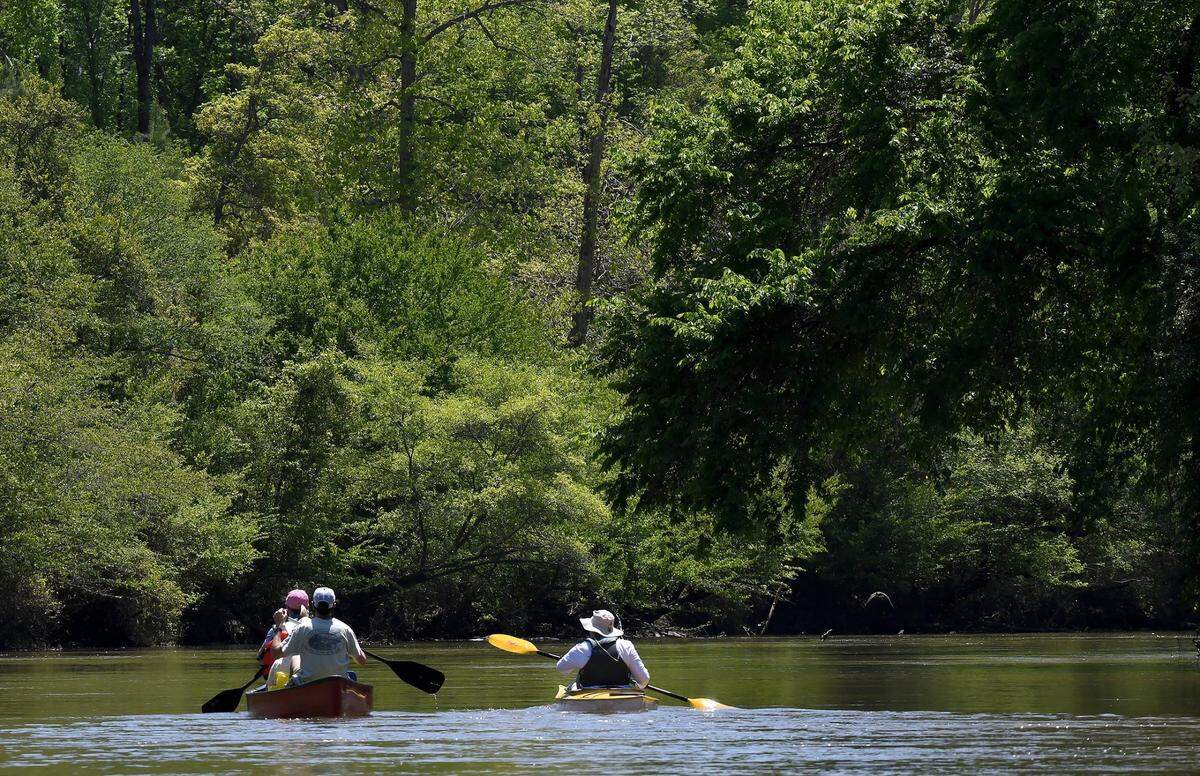
The mostly freshwater river runs from Columbus County, North Carolina, into South Carolina, emptying in the Atlantic at Georgetown between Myrtle Beach and Charleston. For much of its path through South Carolina, it is within five to 15 miles of the coast, running roughly parallel to the beaches.
In April 2012, a team of researchers from USC, curious about the potential for vibrio away from the immediate coast, began sampling water and mud from the Waccamaw River at nine locations between the ocean and the Sandy Island area southwest of Myrtle Beach.
Over the next six months, researchers would pull samples from a boat anchored in the water, put the samples in two-liter containers and then rush them to a federal laboratory in Charleston for analysis before the samples spoiled.
Each time a result came back, researchers learned more about vibrio.
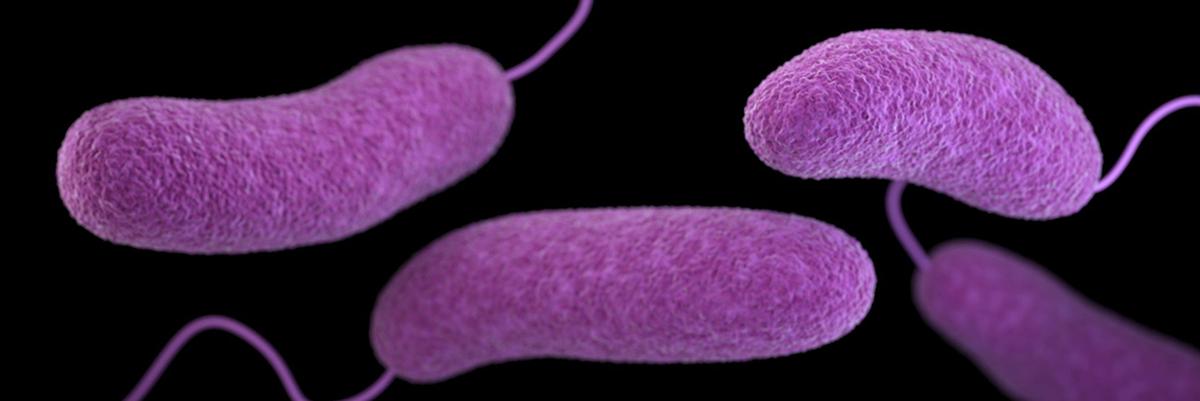
The tests verified that two of the nastiest types of vibrio — strains known as vulnificus and parahaemolyticus — were present in all of the samples and at all of the nine study sites in the Winyah Bay-Waccamaw River system from April to October 2012.
Finding vibrio vulnificus was particularly notable because it is the most menacing of the vibrio species.
For swimmers or fishermen exposed to brackish water, vibrio vulnificus can work its way into an open cut and cause the wound to rapidly worsen, expanding and eating away at the flesh of infected people. People with underlying health conditions can die in days as vulnificus-induced infections take root in their blood streams.
Like parahaemolyticus, vulnificus also can infect shellfish and make people sick who eat raw oysters. Vibrio vulnificus is responsible for more than 95 percent of the seafood-related deaths in the United States, researcher Craig-Baker Austin says.
Dan Tufford, a retired USC professor involved in the research project, said the vibrio that his team found in the river was in a “viable’’ state, or in a form that is infectious. Sometimes, vibrio can lie dormant in a non-viable state, meaning the microbe is less of a threat.
“Seeing viable critters was a surprise,’’ he said.
But why was vibrio showing up in places it was never known to have been documented before?
The warm, normally freshwater Waccamaw River showed signs of saltwater in places where it wasn’t expected, a potential result of rising sea levels or storm surges tied to climate change. That made a perfect habitat for vibrio, particularly vulnificus, which prefers brackish water over freshwater and pure ocean water, researchers said.
Researcher Reem Deeb, a USC graduate student who worked with Tufford, wrote an extensive thesis chronicling the findings and predicting that vibrio outbreaks will become more of an issue in the Waccamaw River as the climate warms, glaciers melt and sea level rises.
Deeb’s paper, later highlighted in a 2018 article in the scientific journal Estuaries and Coasts, used a computer model to predict conditions are becoming more favorable for vibrio in the river where fishermen, boaters and swimmers spend time.
“There likely will be a much greater exposure (to vibrio vulnificus) during recreational activities’’ in the Waccamaw River, the Estuaries and Coast’s report said. The report said vulnificus “will occur more frequently throughout the year’’ because of increases in salt water in the areas upriver that were studied.
“The results of the study clearly suggest the large, perhaps dominant, role of salinity in the prevalence’’ of vibrio vulnificus, the Estuaries and Coasts article continued. “There may be significant range expansion in the Waccamaw River due to upriver increases in salinity.”
The Waccamaw River study is believed to be one of the few papers to document vibrio in a South Carolina river. Other research is focusing on where else it appears to be growing, and one of those places is along the Neuse River estuary in North Carolina.
Gang warfare
In a cutting-edge study, UNC scientist Noble found a significant increase in overall vibrio concentrations in the estuary from 2004-2014.
Her research attributed the increase more to nitrogen and carbon than salinity and temperature, prompting a call for more study. But the research was notable because it is believed to be the first long-term study of vibrio’s growth in North Carolina waters. The study said vibrio appears to be increasing worldwide.
More recent checks have found the trend continuing, Noble said.
“Five years after the last sample of the study was taken, four additional samples were collected at the same location using the same methodology,’’ Noble’s study said. “All four samples contained vibrio .... concentrations that were greater than the average from the same time during the 10-year study.’’
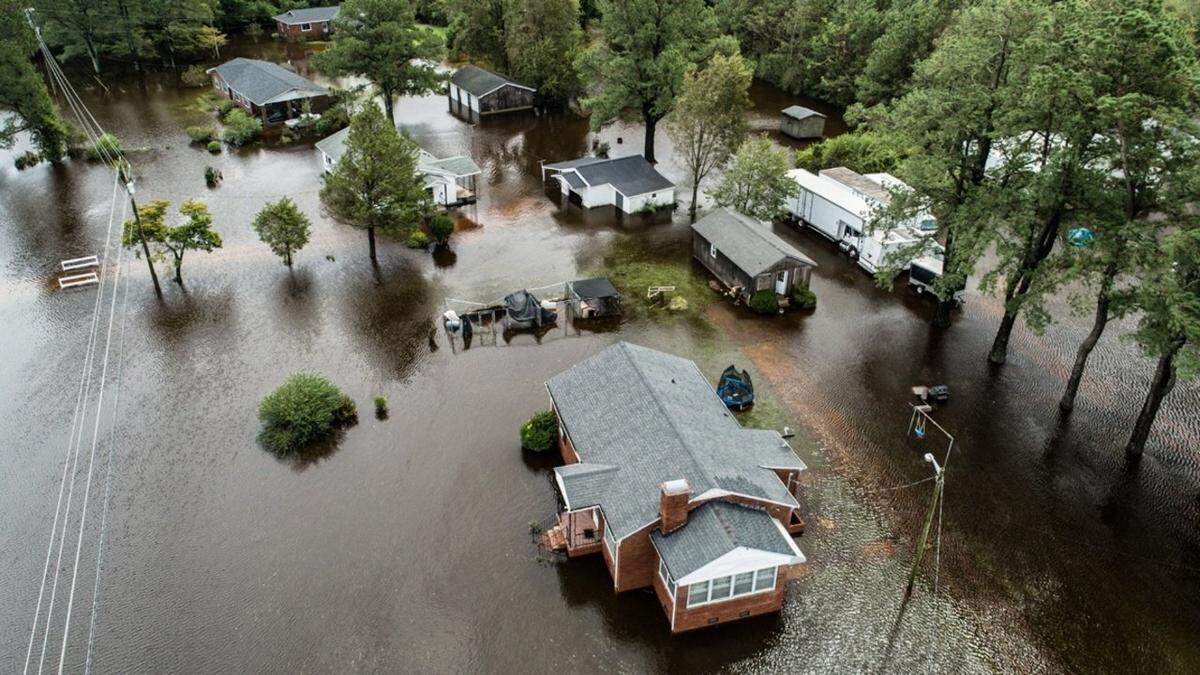
Now, Noble is researching what types of vibrio are increasing, and how many of those strains are dangerous to people. In addition to the long-term study, Noble looked at vibrio levels after Hurricane Florence. She found them rising in some North Carolina coastal waters for months after the September 2018 storm.
Other places vibrio has been documented are in headwaters tidal creeks of North and South Carolina. Toxic strains of vibrio were thriving in 18 tidal creeks across the length of the South Carolina coast and into North Carolina when College of Charleston graduate student Brian McHouell looked in 2014 and 2015.
McHouell said runoff pollution had made the most toxic form of vibrio — vulnificus — more of a factor in creeks and inlets surrounded by development, as opposed to those in forested areas.
Fresh water washing off parking lots and rooftops in developed areas was heating up the creeks and lowering the salinity content, which makes conditions prime for the growth of vibrio vulnificus, said McHouell, a Raleigh resident. More intense rains are a sign of the changing climate, scientists say.
Shem Creek near Charleston and Murrells Inlet south of Myrtle Beach were among the tidal areas with the highest vibrio vulnificus levels, according to his research. But he found the microbe in creeks as far south as the Hilton Head Island area and as far north as Wilmington.
In addition to studies documenting increases in vibrio in coastal waters, USC’s Decho is finding clusters of vibrio microbes in the briny waters of the Southeast coast, making them potentially more of a threat to swimmers and fishermen.
When vibrio germs get together, they communicate through chemical signals that may be changing them into a more toxic state.
Scott, who directs USC’s multi-university center for human health and climate change, likened vibrio gangs, known as biofilms, to mounds of fire ants, stinging insects that swarm across the southern United States.
“If I have one fire ant, it doesn’t do much damage,’’ Scott said. “If we put it all together, you’ve got a different ecological force. Essentially, that is what we have with biofilms. It’s these organisms together and the sum of their whole is a little more than their individual part.’’
Drugs ineffective
Scott said one of the key parts of the climate and health center’s research is looking at how metals in marine sediments may be triggering the growth of vibrio and making the microbe more resistant to antibiotics.
Metals that naturally occur in the mud of coastal waters are being released at different rates as climate change increases temperatures. In turn, that is making bacteria like vibrio more antibiotic resistant, which makes treatment of infections more difficult, Scott said.
USC’s Saurabh Chatterjee, a national liver disease expert who formerly worked at Duke University, said many people suffer from relatively minor liver conditions that can trigger dangerous reactions to toxic organisms, such as vibrio and harmful algae.
So far, Chatterjee’s research has found a connection between a condition known as “non-alcoholic fatty liver disease’’ and the increased risk people face from toxic marine organisms. He’s finding evidence of danger to people from toxic algae if they have fatty livers, often caused by poor eating habits rather than alcoholism.
The threat can cause health problems years later in people exposed to certain marine toxins, Chatterjee said.
““Exposure may cause more damage to susceptible populations who have underlying systemic inflammation and/or low lying liver disease,’’ he said. “The combination is deadly.’‘
This story is part of the Pulitzer Center’s nationwide Connected Coastlines reporting initiative. For more information, go to pulitzercenter.org/connected-coastlines.. The Center for Public Integrity and Columbia Journalism Investigations contributed to this story.
This story was originally published October 20, 2020 at 6:03 AM with the headline "What is vibrio? Deadly flesh-eating bacteria migrates to odd place in Carolina waters."

.JPG)