Business leaders know what Indian Land has to do with all this growth — shape it
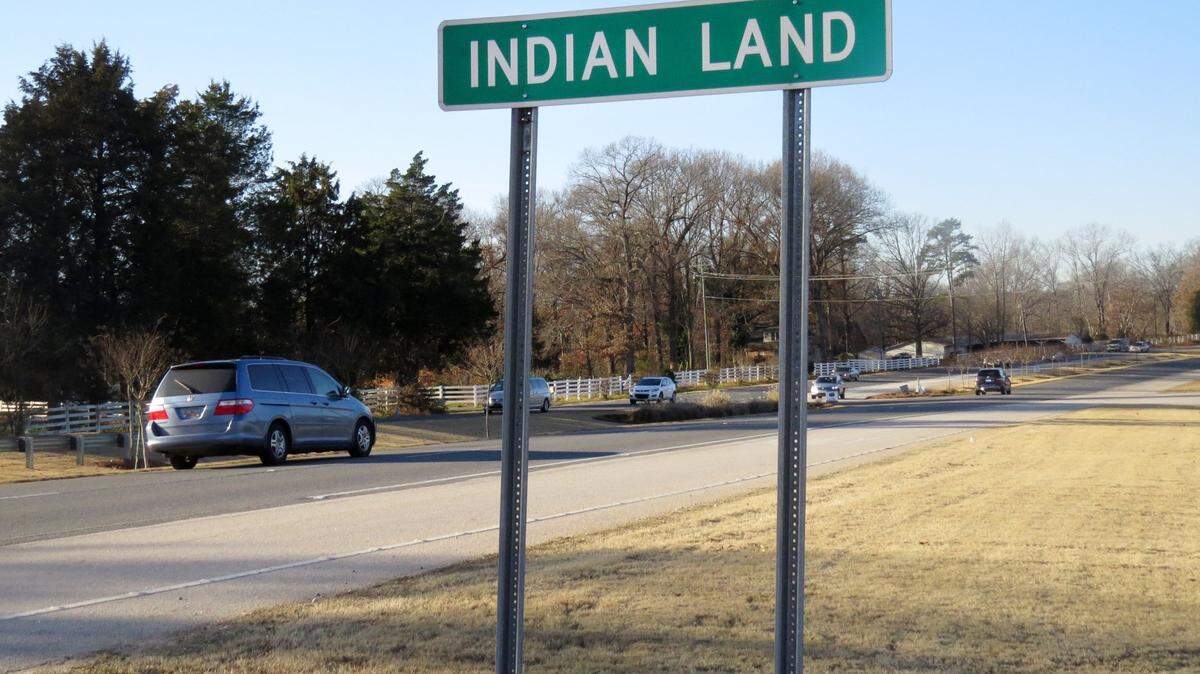
Indian Land growth can’t be just new homes, or even new businesses. Growth worth having, locals say, has to be progress toward a better place to call home.
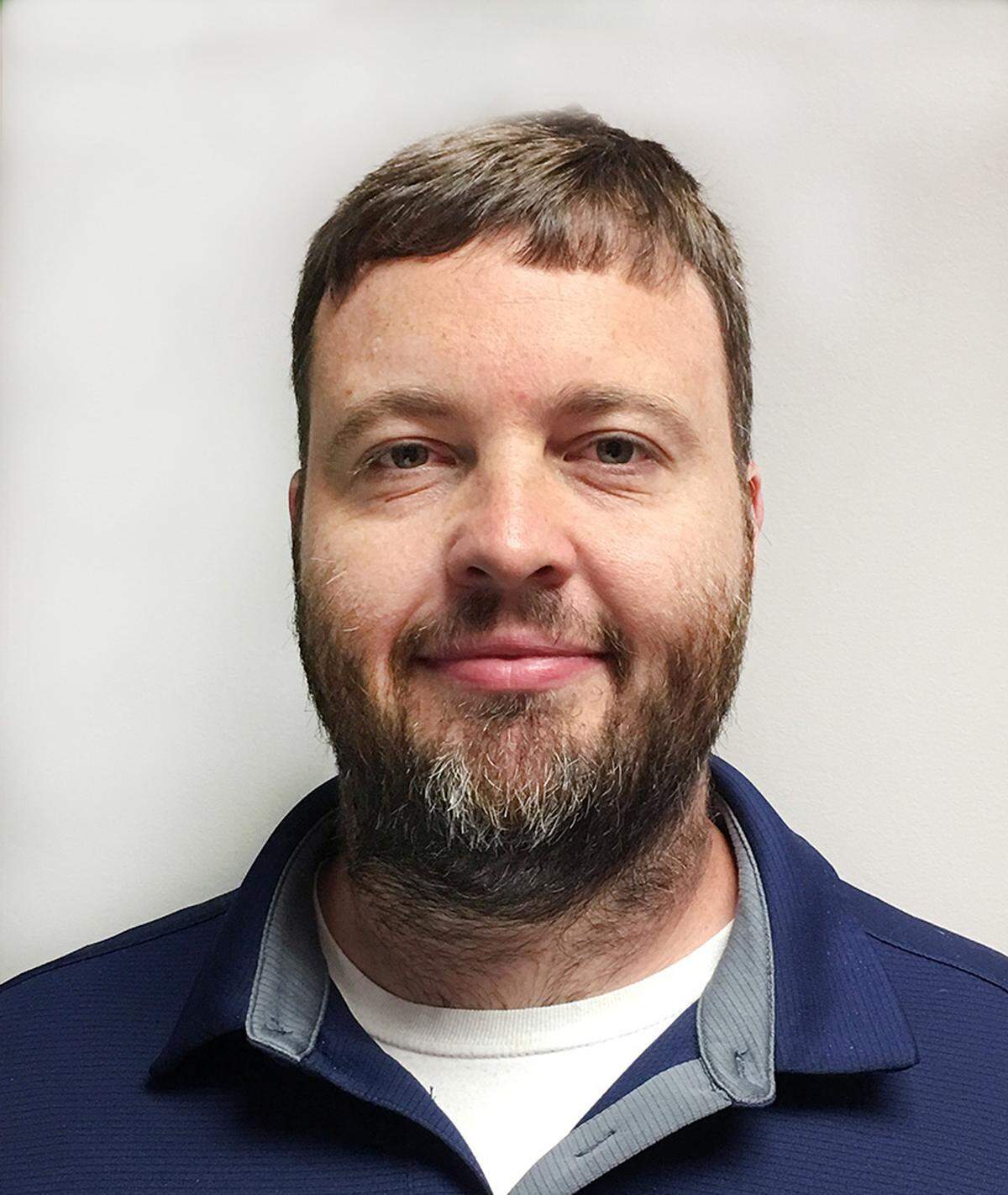
“Indian Land is unique,” said Mike Neese, president and CEO of the Greater Indian Land Chamber of Commerce. “Tell me one place, not in South Carolina but across the Southeast, that has a story like ours. I don’t think it’s out there.”
The chamber formed earlier this year. On Thursday about 100 people turned up for its annual meeting. People who will be critical, Neese said, in decisions that will form the community in the coming decade. Even the new chamber name is meant for inclusion, in a panhandle area where a two-mile drive could put someone in any of four counties across two states.
Not that anyone present has to go anywhere to find more people.
Neese said Indian Land would be a top 10 city in South Carolina, by population, if it were incorporated. School enrollment is up more than 150% in a decade, similar to figures for fire, police and EMS calls. State legislative districts designed a decade ago to even out by population are now 60% higher in Indian Land.
“I would say it’s hyper growth,” Neese said. “I would almost argue it’s explosive growth.”
In the same way growth is both good and expensive for businesses, there are costs to a larger community. The county needs more people to serve all those police, fire and EMS calls. Anything from planning and development to morgue space is impacted by higher population.
Dennis Marstall, hired this fall as the new Lancaster County administrator, outlined some of those challenges Thursday. Yet, he said, there is optimism.
“Being in a county that people want to be in is exciting,” he said.
A key asset
Marstall sees an alluring mix and diversity of economy in Lancaster County. It has everything from manufacturing and warehousing to corporate headquarters and rural businesses. That diversity played a large part in bringing him back to the area after a long tenure with the City of Charlotte, then a move to Kansas.
“All the ingredients were there for me,” Marstall said.
Bob Morgan is president and CEO of the South Carolina Chamber of Commerce. He also led the Charlotte Chamber of Commerce for more than a decade. Morgan sees great opportunity in Indian Land with the hiring of Marstall, a colleague from when both worked in Charlotte.
A government interested in economic growth, Morgan said, is a key asset.
“If my local government is more entrepreneurial than yours,” he said, “I’m going to win most of the time.”
Morgan noted Thursday there are larger organizations in larger areas of South Carolina that would’ve had trouble turning out the crowd Indian Land did at its annual meeting. While traffic, infrastructure and other issues accompany growth, Morgan said other issues like workforce development thrive in it.
“Growth is wonderful,” he said. “Growth brings challenges. But let me just say, don’t take it for granted.”
“Shape it to your advantage, and you’ll do well.”
Area remains unincorporated
Neese said the challenge is to shape what Indian Land can be. A new county comprehensive plan effort needs Indian Land stakeholders, he said. His group needs close relationships with elected and county officials. Indian Land stands to gain political representation with redrawn county council and state districts, an ongoing process spurred by the 2020 Census.
After a failed 2018 attempt by some residents to incorporate, Indian Land remains an unincorporated area. Significant demographic differences exist between the high population and business growth panhandle and more rural parts of the county. Yet the county council is the most local legislative body to give voice to Indian Land concerns.
Neese said he believes his community can work well with county officials. Yet part of any effort to maintain what sense of community exists in Indian Land falls to the people who live there. Neese’s group plans a job fair every six months. There are more than 100 events on its calendar the next 12 to 18 months, from barbecue to black tie.
The chamber wants a strong business climate, Neese said, but also strong schools, parks and trails. Without a town structure his group could play pivotal roles, along with county officials, in asking for quality developments or land set aside within them to meet public needs.
Those goals fit in line with many already in the county, where Marstall and others have sights set on airport, recreation center and regional park improvements.
“You can’t get there if you don’t know where you’re going,” Neese said of what Indian Land may become. “So we have to sit down and look at, what are the things that are important to us?”
Officials agree Indian Land needs to control growth, because it won’t soon stop. Marstall points to a residential moratorium or similar discussions in parts of neighboring York and Union (N.C.) counties. Lake Wylie and Rock Hill both have voted for temporary restrictions while those communities evaluate their development standards.
When other area communities face growth pressures, Marstall said, it puts focus on Indian Land.
“That really has put the bullseye more on Lancaster County moving forward,” he said.