Rock Hill ‘dumbfounded’ by county Costco deal. Officials voted for it anyway
Despite a frosty relationship with York County and the economic deal in front of them, Rock Hill City Council unanimously agreed to the terms that will bring a $240 million Costco distribution site to the city.
City officials painted the county-altered incentive agreement as a rash decision that will unnecessarily cost Rock Hill millions of dollars, while the York County Council member who pushed for it believes it could be a model for future deals.
Ultimately, the Costco deal was too good to pass up for the city on Monday night. Even if it cuts the $750,000 Rock Hill would get each year in taxes without an incentive to $181,000 for the next 17 years with it.
“That’s nothing to sneeze at,” Mayor John Gettys said of the reduced tax revenue the city will receive. “That can pay for a lot of improvement on the south side of Rock Hill, and I’m very excited about that.”
Costco’s plan for Rock Hill
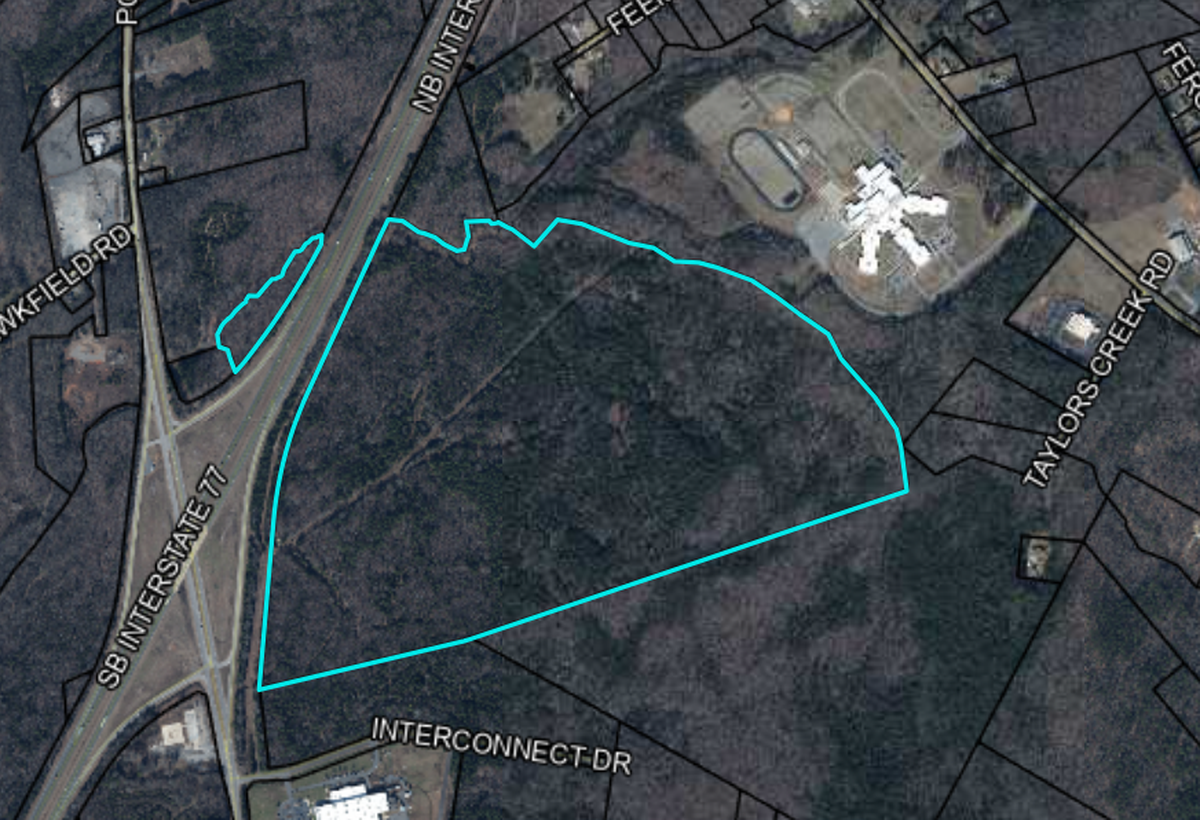
Costco plans to open a distribution site at Interstate 77 and Porter Road in 2027. The project would bring 165 jobs, as the 168-acre site would serve 20 Costco stores in the region.
York County approved a $25 million infrastructure credit on Dec. 1 that reduces how much the city, county and Rock Hill School District will collect in taxes for the project.
A last-minute change by the county to increase the city’s credit and reduce the amount from the school district will cost the city about $2.7 million over 20 years. That change means, in total, schools will forego $12.8 million in taxes compared to $8.2 million for the city and $4 million for the county. Schools give up the most total in credits because they receive the most in property taxes.
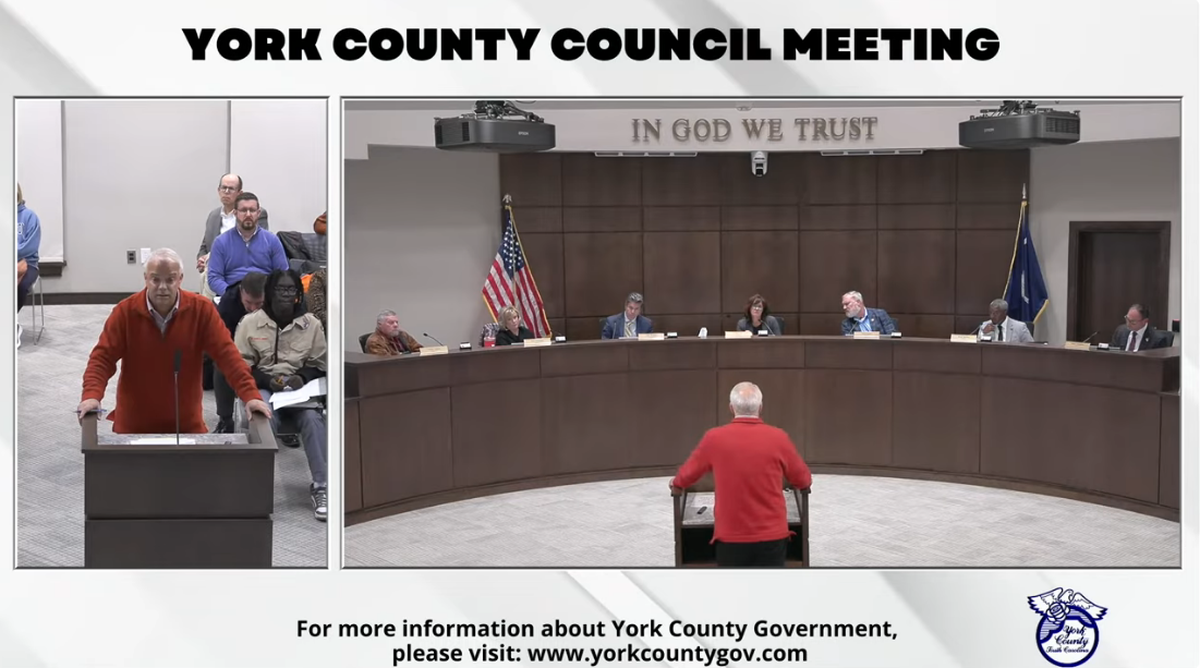
York County Councilman William “Bump” Roddey said the city should give more and the school district less because Rock Hill makes money selling water, sewer service and power to the development. The city approval Monday night confirms the deal helps the city even if officials don’t like the change, Roddey told The Herald.
“It just made sense,” he said. “It didn’t make sense for them to turn it down.”
Rock Hill officials take a different view.
“They didn’t make a fair deal for the city,” said City Councilman Brent Faulkenberry. “They took a disproportionate amount of tax dollars.”
Unfair to Rock Hill, or the future of tax deals?
City Council members expressed confusion and concern when they voted in favor of the Costco deal. The company had set Dec. 11 as a deadline to have a tax deal in place, county officials said.
Councilman John Black doesn’t follow the reasoning that the city can make up for losses through utility sales. Taxes, not utility charges, pay for services needed to cover the project, like police or fire protection.
“Our general fund where the property taxes go and the utility (revenue) is a completely separate fund,” Black said. “We don’t mix dollars back and forth.”
There’s also been an unwillingness by the city and county to give tax incentives to warehouse and distribution projects. They typically pay less and bring few jobs compared to manufacturing companies. Rock Hill had an agreement in place for the property prior to Costco that wouldn’t have foregone taxes, officials say.
“I sit here tonight almost dumbfounded that the County Council gave a $25 million incentive for warehouse and distribution,” said City Councilman Kevin Sutton.
The idea of taking from the city to support local schools doesn’t work either, City Council members said. South Carolina tax law sends revenue for schools to Columbia, where it’s then distributed to counties.
Some school districts get more back than their area generates, and some — like Rock Hill —get less.
“Not only did the county increase what we pay,” Faulkenberry said, “but they actually now are sending more money back to Columbia and taking more money out of our county.”
Rock Hill schools get 37.6% of their nearly $280 million budget from local property and other taxes, according to the South Carolina Revenue and Fiscal Affairs Office. That’s about $6,600 per student. The Rock Hill district is No. 13 statewide for how much local tax revenue it gets from Columbia. Per student funding from local taxes is $129 higher statewide than it is in Rock Hill.
“The schools need help, there’s no doubt about it,” Gettys said. “They just gave help to the people in Chester, Clarendon, Horry and Richland (counties). Congratulations. Think through your policies before you pass them, would be my suggestion.”
Still, more local tax revenue for schools means more total money for local schools. If schools get 70% of that school tax revenue back like Faulkenberry stated Monday, the last-minute county change to put a higher cost on the city would generate $1.9 million for schools over 20 years.
“The goal here is to not cripple and hurt our school system,” Roddey said. “(The city) should give a little more, because they are going to be the beneficiary of any deal we do.”
Strained city and county relationship
Outgoing City Councilman Perry Sutton campaigned several years ago, in part, on improving the relationship between Rock Hill and York County. Those groups constantly work in tandem on large economic development projects.
“When Rock Hill looks good, York County looks good,” Perry Sutton said. “I have failed. According to this (Costco incentive deal), I have failed. And I’m not happy about that.”
Several City Council members took issue with how the county handled the Costco deal.
Councilman Kevin Sutton was stunned by the county’s decision, he said, from incentivizing a distribution center to the change on which group would give up the money. His vote was in favor of Costco, not the incentive arrangement.
“I don’t necessarily want to penalize them for the dysfunction of the city and council relationship right now,” Kevin Sutton said.
The Costco deal isn’t likely to be the last time the city and county work together on an economic incentive project. York County Council voted 4-3 to take more of the Costco credit from the city than the school district, then 6-1 on the deal itself. Roddey sees that approach working for future deals, too.
“That needs to be the standard,” he said.
Rock Hill wins from Costco deal
Even if they voted through gritted teeth, Rock Hill officials see major wins for the city in adding Costco.
City Councilman Perry Sutton, who worked off the Port of Charleston in his time with the U.S. Coast Guard, sees a new presence for the city at a place that drives the state economy. The port approved $1 million for Rock Hill to spend along Interstate 77 as part of the Costco deal, Gettys said.
The city had several agreements with Costco, the mayor said, even without committing incentives to the warehouse plan. The property owner agreed to pay the city $3 million when a certificate of occupancy is issued, and deed the city 2.8 acres on the opposite side of the interstate valued at about $200,000.
Costco agreed to donate land, a building pad and access drive for an electrical station that will serve growth in and around its project. Those commitments combine for about $1.4 million. The city negotiated a business license fee for the project at $125,000 per year, with a $1.5% annual increase.
The company even agreed to pay the city $2.3 million after York County made its decision to offset the loss of city revenue, Gettys said.
On this year’s tax bill without Costco, Rock Hill gets $55 of a $250 total tax bill for the farm use property, Gettys said. Costco will create a property with an assessed value close to $130 million. Though the final deal isn’t what the city spent more than a year negotiating with Costco, it’s still one that benefits the city, Gettys said.
“The city of Rock Hill, by negotiating professionally, by negotiating properly, has about $2 million more in value add than what we have paid for Costco,” he said.