
SC attorney general asks York County to explain itself on Silfab Solar decisions
S.C. Attorney Gen. Alan Wilson, a candidate for governor, wants answers on how York County allowed Silfab Solar to operate in Fort Mill.
Wilson sent a letter to York County Council on Tuesday asking many of the same questions residents have posed in years of public debate related to Silfab. The letter comes one day after a Move Silfab Solar protest before Council’s meeting in York.
“I trust you agree that citizens deserve answers to these questions about the zoning of Silfab’s facility,” Wilson wrote.
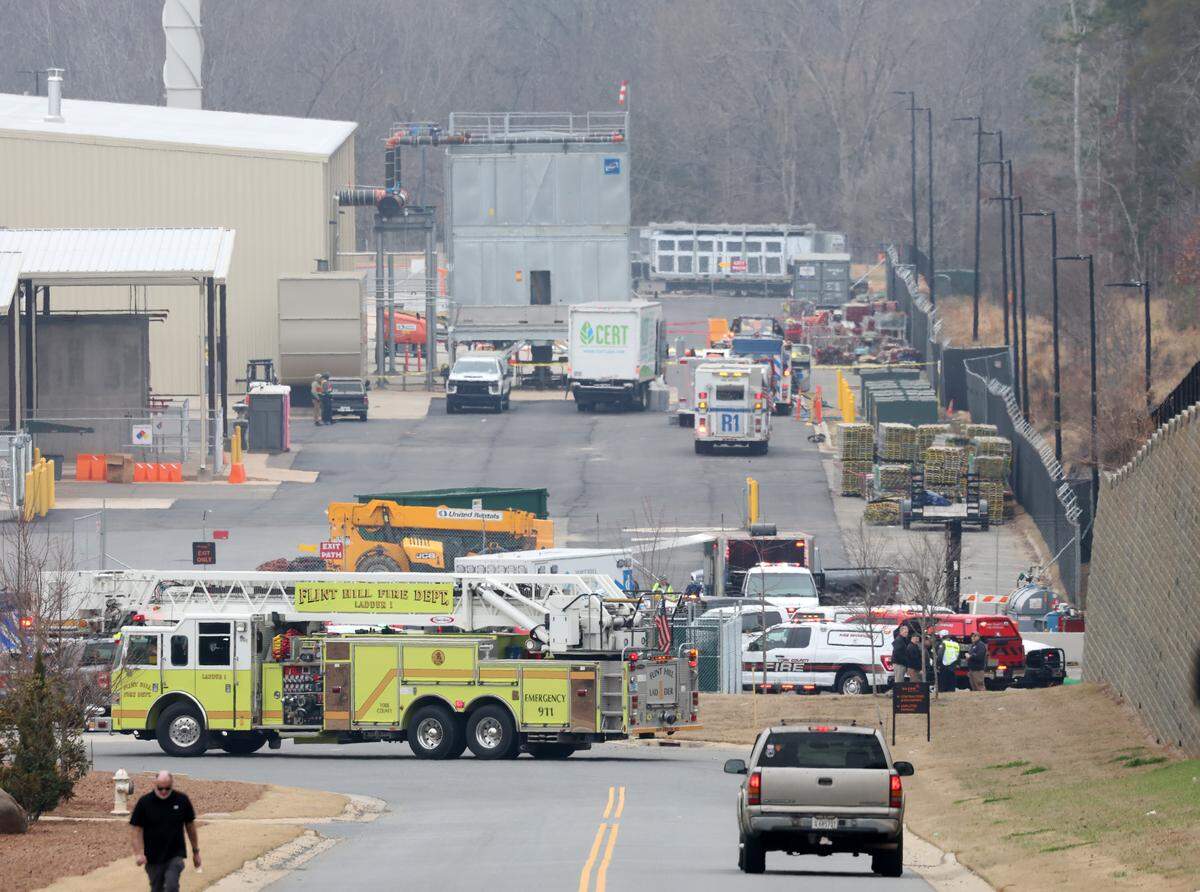
Silfab Solar is a Canadian solar panel manufacturer. It’s been controversial in the Fort Mill community for several years due to chemicals used in manufacturing and the company’s location beside Flint Hill Elementary School. Two chemical release incidents this month fanned more protests, as Flint Hill closed for two school days.
York County approved a tax incentive agreement three years ago to bring the Silfab to 7149 Logistics Lane in unincorporated Fort Mill. The company projected a $150 million investment and 800 jobs created.
The county notified Silfab that its operations would be allowed at its Logistics Lane site that is zoned for light industrial use. The York County Zoning Board of Appeals would later rule solar panel manufacturing should only be allowed in heavy industrial areas.
York County took the position that the appeal ruling should apply to any new solar panel manufacturers, but not Silfab since that project was underway.
Silfab questions from SC Attorney General Wilson
Wilson’s office continues to get questions from citizens, he wrote.
Due to confusion on how Silfab can operate with its zoning, Wilson asked whether the county followed standard permitting procedures for Silfab, whether the company sought a zoning permit, whether the county formally agreed that Silfab should be allowed in a light industrial district and, if so, who made that decision.
Wilson also wanted to know whether Council ratified that decision, whether Silfab ever requested a zoning variance, what effect the Board of Zoning Appeals decision had and whether the county issued additional permits to Silfab after that appeal decision.
An ongoing lawsuit in York County Circuit Court is creating much of the confusion, Wilson wrote. Silfab contends in that case that the county verified solar cell and panel manufacturing was allowed in light industrial areas.
Another Silfab protest
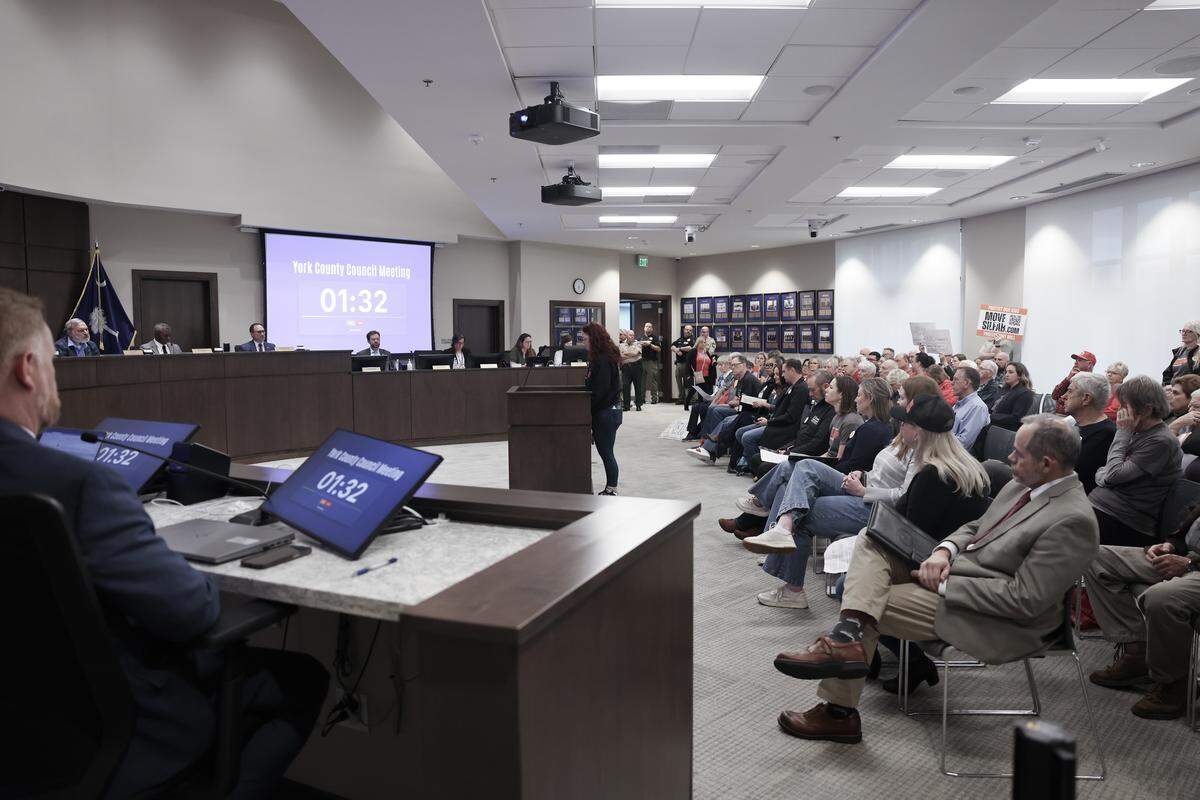
Dozens of people from Fort Mill protested at the county government center in York on Monday, many of them asking Council in open session to revoke the certificate of occupancy that York County issued to Silfab last month.
“York County Council has the authority to act, and the community is demanding that they use it,” Move Silfab member Scott Jenson said.
Council met for more than six hours Monday and early into Tuesday morning, with about two hours of that time in an executive session that included legal updates on Silfab. The county didn’t vote on anything related to Silfab’s ability to operate in Fort Mill.
Council did approve two assistant county attorney positions. Council also voted an an agreement with the existing county attorney, and added a special advisory council government liaison role for an attorney.
“These two positions are unrelated to any specific legal issue,” county spokesman Greg Suskin told The Herald on Tuesday, “but are intended to address staffing needs in a rapidly growing county.”
Agendas for future meetings haven’t been set, he said, so there aren’t any scheduled county decisions related to Silfab.
Compliance agreement with Silfab
Silfab released a statement during the meeting Monday stating it reached a compliance agreement with the state environmental department that includes “conditions that Silfab has agreed to meet.” Silfab would continue to update state, county and school officials on work being done at the site, according to the statement.
The agreement requires Silfab to submit a written report detailing its March 3 spill and confirm to the state there are no additional leaks.
Silfab will review its emergency notification procedure and submit findings to the state. Silfab isn’t to bring in or use and chemicals listed as “regulated substances” until several similar requirements are met, and inform the state at least 72 hours before resuming work that involves the chemicals.
County officials have largely spoken in prepared statements since the early March chemical incidents.
Councilwoman Debi Cloninger, who represents the area where Silfab and Flint Hill Elementary are, issued a statement this weekend asking the county to be transparent on permitting questions similar to the ones posed by Wilson, and on county notifications related to safety compliance.
The legal interpretation of zoning decisions, still wrapped up in court, hasn’t been fully resolved yet, Cloninger said.
This story was originally published March 17, 2026 at 1:51 PM.