
York County eyes new data center rules. Neighbors ask what took so long.
Lake Wylie neighbors know they can’t stop a massive data center from being built beside them. But they’re sounding off in the data center debate anyway, in hopes of helping others across York County.
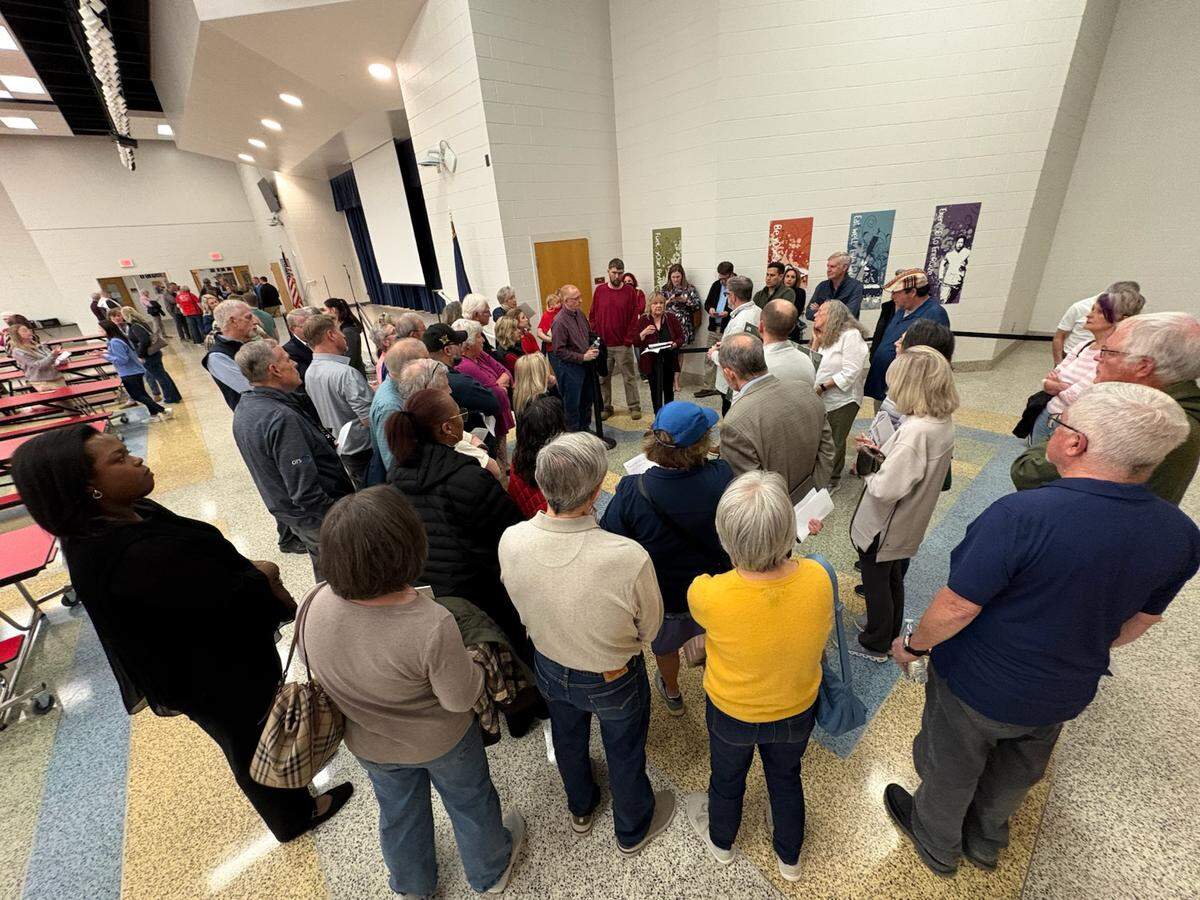
Nearly a dozen residents spoke up during several hours of York County Council debate on data centers Monday. New rules would impact where they go and how they’re approved, but neighbors of the county’s only current data center project warned of water, air, noise and health concerns.
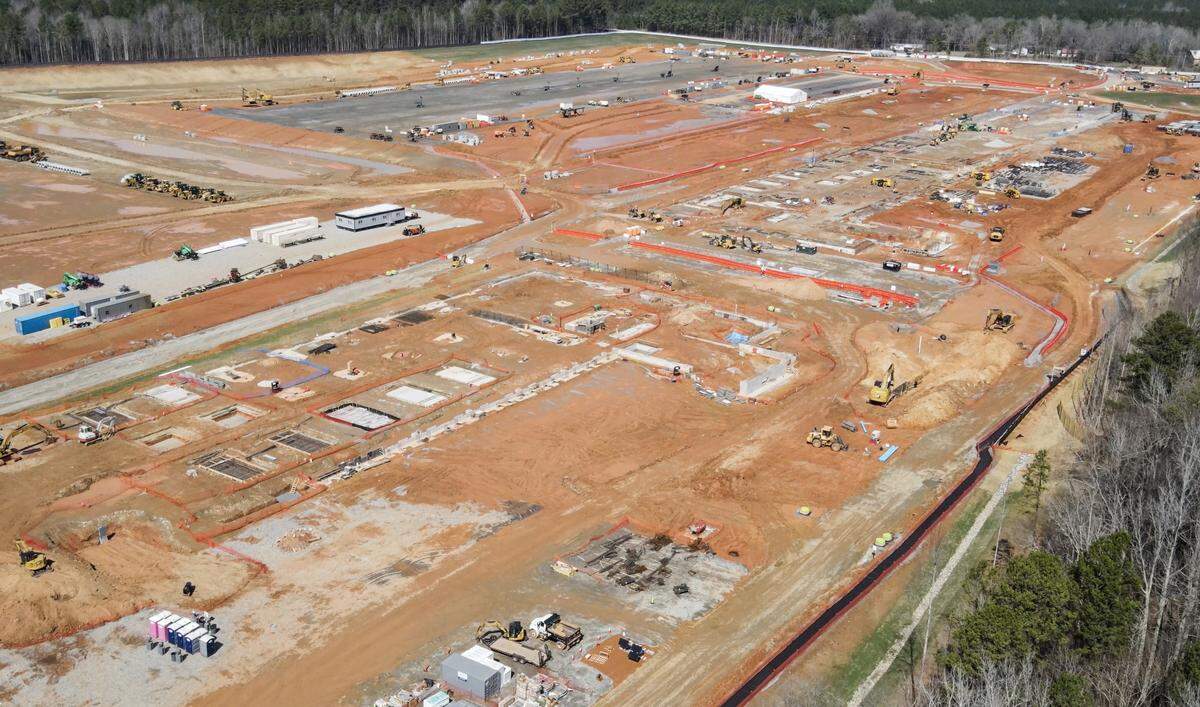
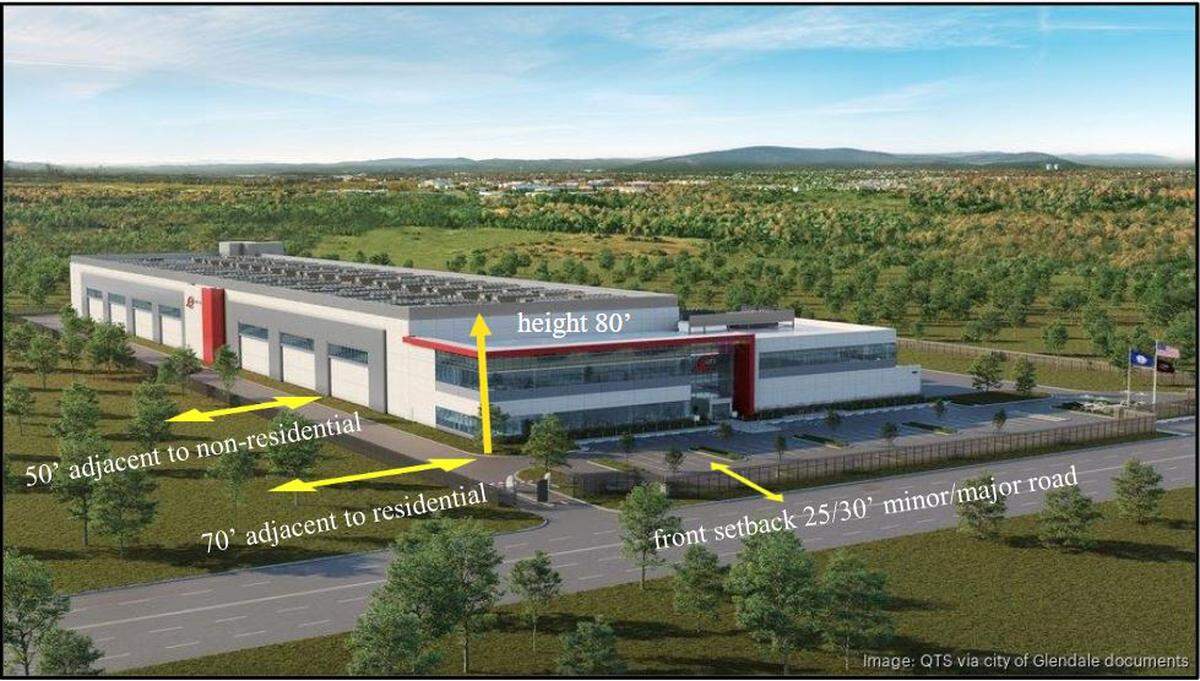
The $1 billion QTS data center is going along Hands Mill Highway and Paraham Road.
“No other neighborhood should have to ask the questions our community members are asking today,” said Lake Wylie resident Ashleigh Thompson.
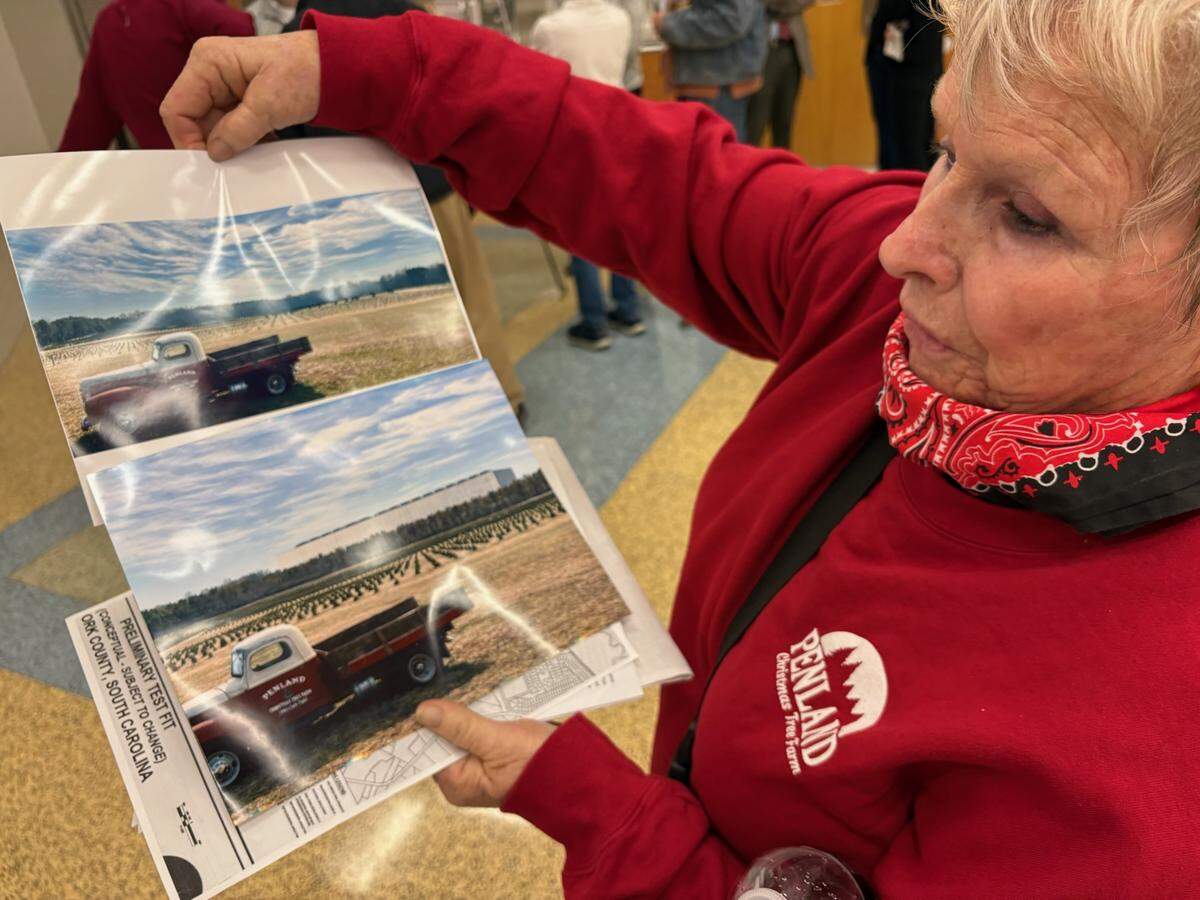
Communities built around data centers may work, residents told Council. It’s a challenge when data centers come into area where homes and businesses already exist.
The county taking a closer look at data centers is encouraging, residents say. But it’s devastating, York resident Julie Ferraro said, that changes aren’t retroactive to the QTS project.
“If these changes are considered needed now to protect the citizens, the environment, the health, the ecosystem—then why weren’t they considered upon the original (QTS) plans?” she asked.
Where are data centers allowed?
Today, data centers are allowed on York County properties with light industrial or industrial zoning. The development still has to follow building codes and development regulations, but there’s no question as to whether the data center is allowed to be built there.
Fewer than 200 properties countywide, at less than 4% of the total land area, fit those industrial zonings. Many of them, like Catawba Nuclear Station and Silfab Solar sites, are already developed. Other properties are interspersed countywide.
Data centers also are allowed in a new business or technology park zoning, but no properties have that zoning. Rezoning for that listing would require a planned development approval from the county.
None of the cities or towns in York County have data center regulations by zoning district except Clover, which allows them in four business of zoning districts.
“We are in a situation that is evolving nationwide, where jurisdictions are having to confront data center uses that have never been proposed in their jurisdictions before,” said county Planning and Development Services Director Jonathan Buono.
Which data center rules is York County changing?
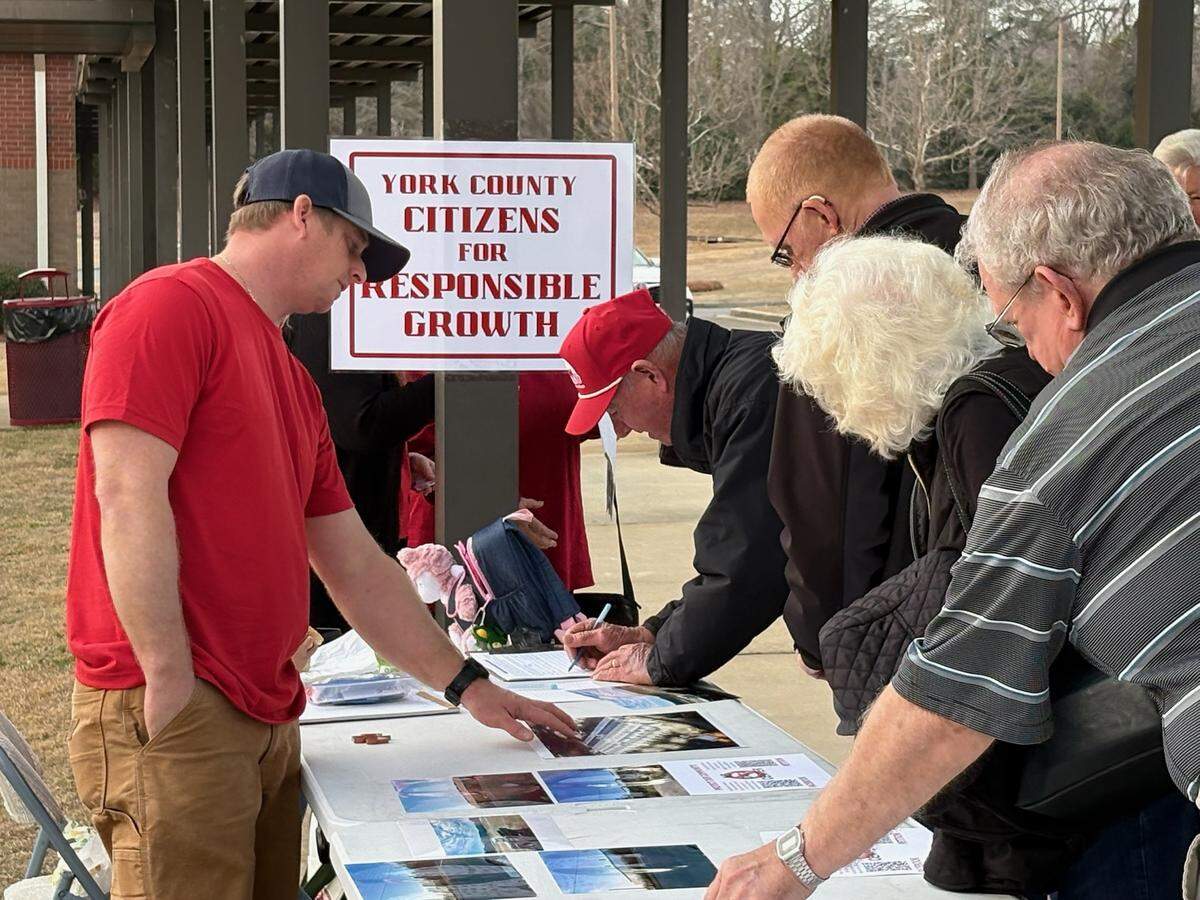
County planning staffed pitched new rules that would require a special exception for data centers in the industrial zonings, and make it a conditional use in technology parks.
That means a developer would need approval from the county Zoning Board of Appeals for industrial properties, or from York County Council on technology park property. Both those routes would require public hearings.
Moving data centers in the zoning code also would impact buffers.
They’re listed now with uses like banks, offices and hospitals which can require buffers as small as 25 feet from neighboring properties. New rules would triple buffer requirements, listing data centers along with manufacturing, salvage yard and warehousing uses.
More proposed rule changes limit noise and vibration from data centers, require minimal water use and set lighting standards. Even paint colors are included, to make data centers better fit into the surrounding landscape.
Pushback on data center rule changes
Pushback on rule changes has been widespread, from QTS arguing they go too far to residents arguing they should go further.
Though the QTS project is approved and under construction, the company bought more than $26 million of nearby property in late December, The Herald reported. At more than 400 acres, that property more than doubled the QTS land holdings in Lake Wylie.
The company hasn’t announced expansion plans specific to that new property. That purchase appears to be the reason York County started looking at changes, said longtime York County attorney Dan Ballou, who now represents QTS.
The data center company opposes the new rules, Ballou said. QTS came to a site that’s been zoned for industrial development for decades, and creates less traffic or environmental impact compared to other manufacturers, he said.
“The scene was set for this particular area to be developed in this way, and when my client came to York County it was welcomed with open arms,” Ballou said. “And rightfully so. It was called the right kind of development.”
Council members have their own issues with the new rules.
One common concern for several members involves the special exception, which sends data centers to the Zoning Board of Appeals for a decision. Council members are elected to make critical decisions and get the political blowback they can create, Council members said Monday.
“I want it to be our decision,” said Councilman William “Bump” Roddey.
Council members want full disclosure of water usage, cooling system details, a letter securing the availability of water and power, restrictions on groundwater use and decommissioning plans for the possibility of a data center closing.
Councilman Tom Audette doesn’t want data centers as an option for light industrial property, a zoning sometimes found near schools or homes.
“To me, I think it’s unacceptable,” he said. “We need to avoid any other situation such as a Silfab.”
Silfab impact on data center decisions
Silfab Solar, at 7149 Logistics Lane in unincorporated Fort Mill, has been a contentious topic in the community for three years. The Canadian solar panel manufacturer operates on a light industrial property beside Flint Hill Elementary School.
Two chemical release incidents this month further stoked debate.
York County planners told Silfab the company could go there before the Zoning Board of Appeals ruled solar panel manufacturing should only be in heavy industrial areas, not light industrial ones.
If data centers become special exceptions, the Zoning Board of Appeals of appointed citizens would hear them and make final decisions.
“That is a process that is rife with subjectivity and when we’re talking about economic development, it’s not a good way to proceed with these kinds of projects,” Ballou said.
What happens next in York County on data center rules?
Council voted Monday to send the new rules to its Planning and Zoning Committee for review. Council also passed the second of three votes to finalize changes. So, the rules could come back as early as next month and be finalized.
There isn’t consensus yet on the details.
Councilman Andy Litten, for instance, wants whatever rules come from this review extended to other industrial users beyond data centers. The review and rule changes, Roddey said, aren’t indications that the county did anything wrong in approving QTS.
“It’s just that we recognized some things that we can do better,” Roddey said.
Councilman Watts Huckabee points to Catawba Nuclear Station for perspective on neighbors’ concerns. The power plant on Lake Wylie has been billowing steam for decades, since the only residences nearby were sparsely placed river cabins.
“Some of the most expensive homes in York County exist on Lake Wylie,” Huckabee said, “and they all came about after the nuclear power plant.”
QTS is the only data center company that’s submitted plans in York County, but rule changes are needed in expectation that more will follow.
“As the demand for data goes up,” Buono said, “of course the facilities that need to process these things and to house them is also likewise going to go up.”
Reality Check reflects the Rock Hill Herald’s commitment to holding those in power to account, shining a light on public issues that affect our local readers and illuminating the stories that sets the Rock Hill region apart. Email realitycheck@heraldonline.com