‘Sense of pride.’ Inside a Charlotte-area company’s bet on American manufacturing
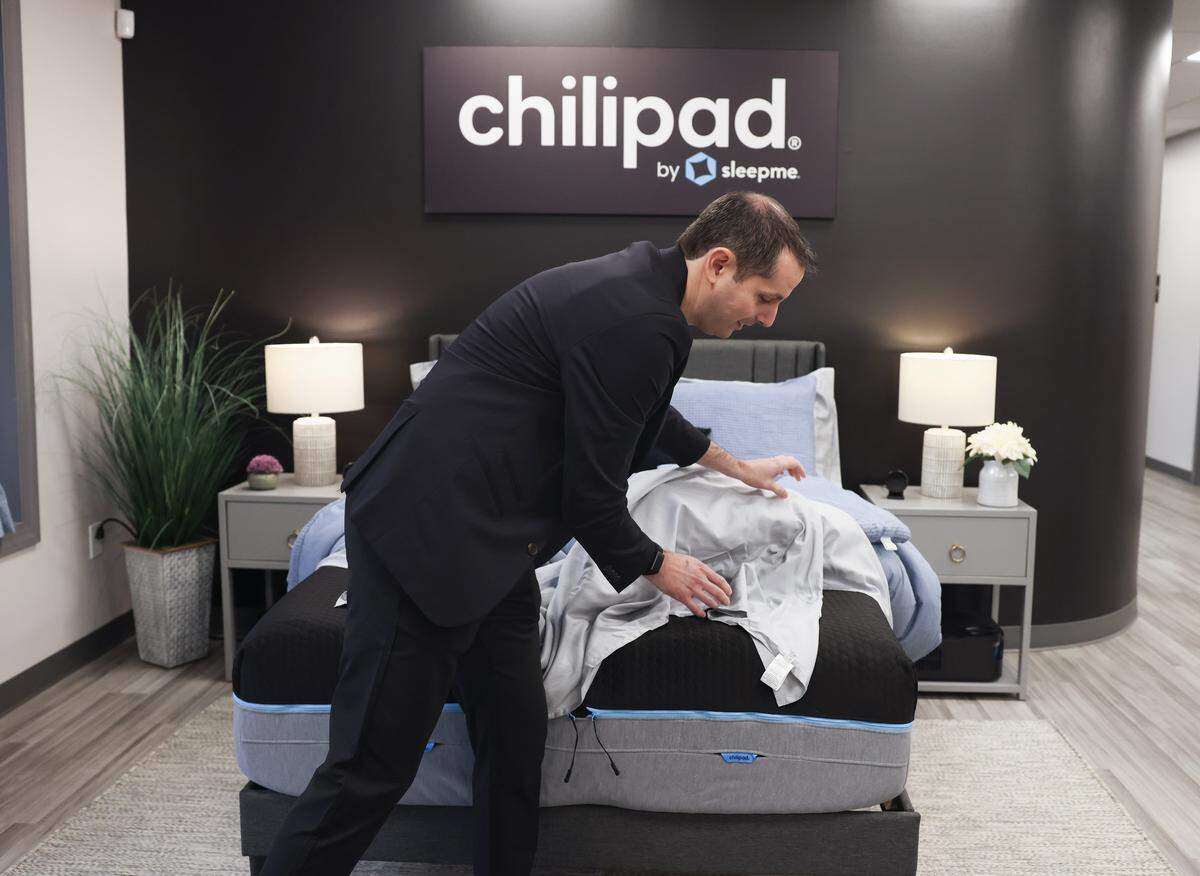
Ann O’Hara, senior soft goods product manager at a company called Chilipad by Sleepme, unzips the top sheet covering a bed to show a visitor just what the Mooresville company does. She displays a thin pad with embedded channels developed in the company’s lab that will keep people cool or warm in bed by circulating water.
O’Hara and company officials were eager to show off their new operations at home in North Carolina after moving operations from more than 8,000 miles away.
Chilipad by Sleepme recently moved manufacturing and assembly operations home, aiming to mitigate global supply chain risks and tariffs by shifting production from southern China.
In April, Chilipad by Sleepme moved into Raceway Drive with operations at its new 18,283-square-foot facility ramping up last month, not far from North Carolina Auto Racing Hall of Fame. The Chilipad is a hydro-powered mattress cover that circulates water to cool or heat a bed, depending on preferred sleep temperature.
The Charlotte region is a great fit for recruiting employees, Trey Robinson, company chief technology officer recently told The Charlotte Observer, because of the existing talent pool in manufacturing and racing industries.
The move home means adding 25 to 30 jobs within the first year to fill technologically-advanced assembly positions, such as building electronics and solder technicians. The company has 45 full-time workers in Mooresville and expects to hire about 20 more by the end of the year.
The shift also fosters local partnerships. For example, the aluminum ring for the remote product is cut by a partner in Mooresville, Robinson said.
On Tuesday, The Charlotte Observer toured the new site to get a behind-the-scenes look into Chilipad by Sleepme and the launch of its latest product, Chilipad 2.0.
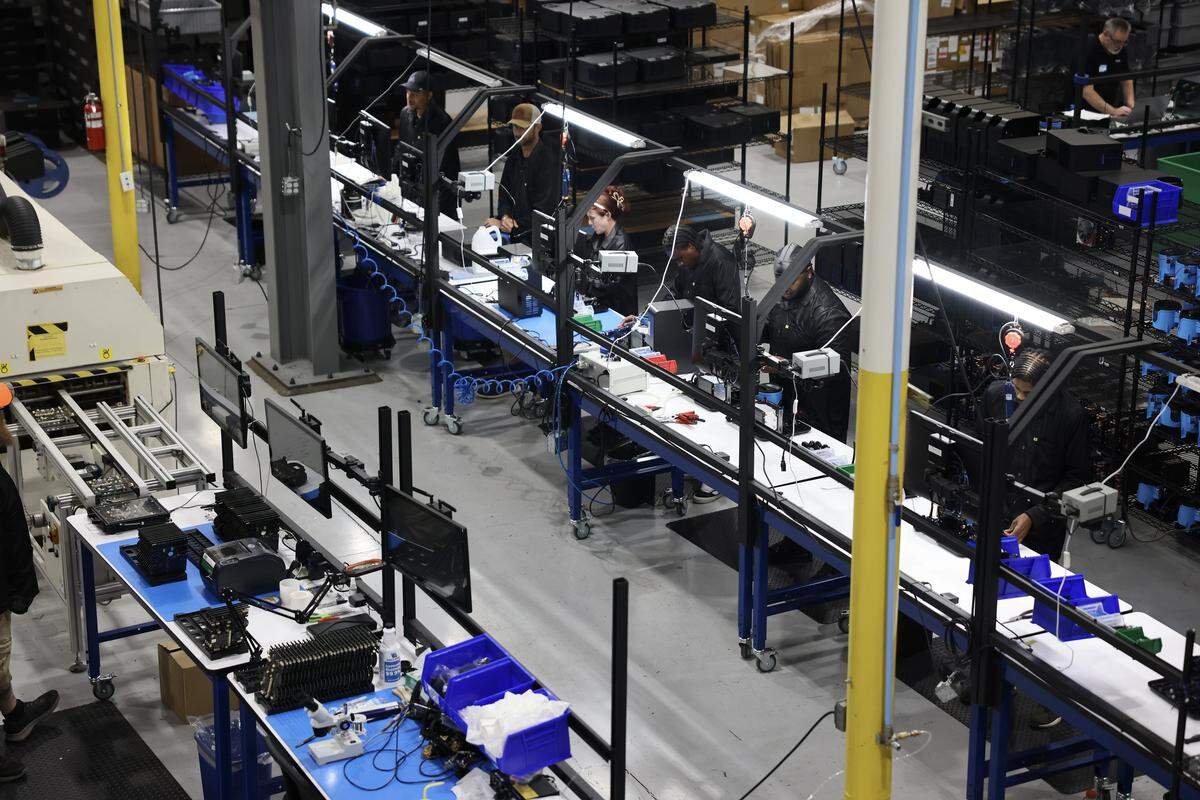
Inside Chilipad by Sleepme in Mooresville
Chilipad company launched in 2014. Chilipad by Sleepme develops technical products that use a hydrolayerpad on the mattress to regulate temperature. The company recently rolled out Chilipad 2.0.
The system allows users to set temperatures from 55 to 115 degrees Fahrenheit. Features include a mobile app, cloud technology and a “warm wake function” designed to make mornings less jarring.
Previously relying on a contracted manufacturer in Guangzhou since 2017, the company transitioned to in-house manufacturing and turned on the assembly line a few weeks ago. Moving operations to the United States was essential to address the global supply chain pressures and tariffs the company was facing, Robinson said.
Robinson said the company’s original assessment was that the cost would be the same or better, even before tariffs, by moving manufacturing to the U.S. Technical roles in China don’t necessarily pay less, he said, and contracted production lines may not proactively automate, which then requires more workers than in the U.S.
The company “knew we couldn’t build the kinds of products we wanted to build” with its partners in China and wanted complete quality control, Robinson said. Still, he noted the challenges of moving all manufacturing to the U.S. with so many components made with global partners.
But manufacturing in-house also provides significant internal benefits, including faster feedback for improvements. “There’s a different sense of pride building it, seeing it, touching it,” Robinson said.
While manufacturing of the hydrolayerpad and cover materials are still done overseas, all the core electronics are now assembled in Iredell County near Lake Norman.
Inside the manufacturing side of the building is a mezzanine where there’s some storage and the testing lab. Mechanical and electrical engineers test software and development ideas using a 3D printer. Three different styles of beds in the lab provide real-life application testing.
Downstairs was bustling with half of the warehouse used for production and the other half for storage shelves and shipping.
The line starts with making the circuit board that will attach the electronics to the product.
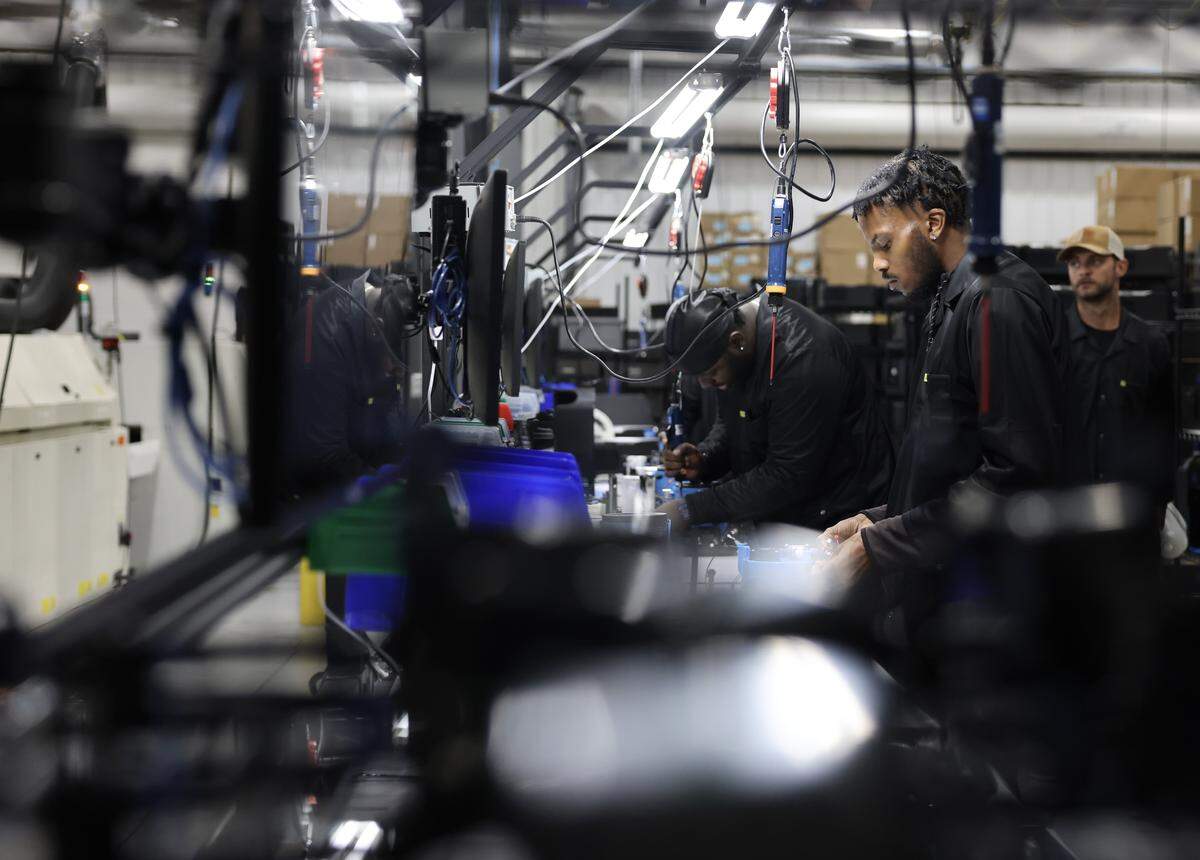
Automated machines, with assists from a couple of workers, will solder the components onto the metal circuit board in about three minutes, Mark Lyle, director of product development, said. It’s then tested and assigned a serial number by an employee.
Next it goes to a dock assembly line. The dock is the control unit machine that sits bedside or under beds that holds water and regulates the Chilipad temperature. The assembly line of about eight stations handle different jobs, like installation of a water reservoir, heat exchanger and control board.
Next to the assembly line is where the metal control rings are made for the updated remote that customers use to control the temperature. A large machine with window views hums loudly as planks are cut in the spinning tool, similar to a drill bit, into the correct shape and size.
Managing the supply chain for the 400 components required to build the Chilipad was challenging, Robinson said. Having production in-house is an opportunity for more direct quality control and familiarity with the product.
Chilipad by Sleepme sees growth in Mooresville manufacturing
Chilipad by Sleepme is seeing double-digit year-over-year growth, said Robbie Falls, chief marketing and product officer. The privately-held company declined to disclose revenue figures. The company, with online only sales, can ship about 200 orders a day.
“It’s not a gadget you buy, you’re sleeping on it every night,” he said.
People think about light when it comes to sleep, Dr. Chris Winter, a neurologist and sleep specialist, said during Tuesday’s media tour. But people often don’t think about temperature, which can help with transitioning into sleep and awake, and provide better quality of sleep.
“For sleeping better my one tip would be thermal manipulation,” Winter said.
Chilipads start at about $1,300, according to the company website.
Chilipad by Sleepme isn’t done expanding. Up next is new software applications and using AI, Robinson said, including wearable sleep-tracking devices, initially for human detection when a person lies down on the pad.
The company also is prepping for international sales and distribution expansion into Mexico and South America later this year.
“We felt like when we moved in it was a big, empty building but guys, it’s tight back there,” Robinson said. “The warehouse is moving at some point to make way for production.”
This story was originally published June 3, 2026 at 5:15 AM with the headline "‘Sense of pride.’ Inside a Charlotte-area company’s bet on American manufacturing."