‘Because we’re good people’: How Rock Hill is living out MLK’s dream, and what’s next
For a community with plenty to celebrate on Martin Luther King Jr. Day, it’s time to take the next step.
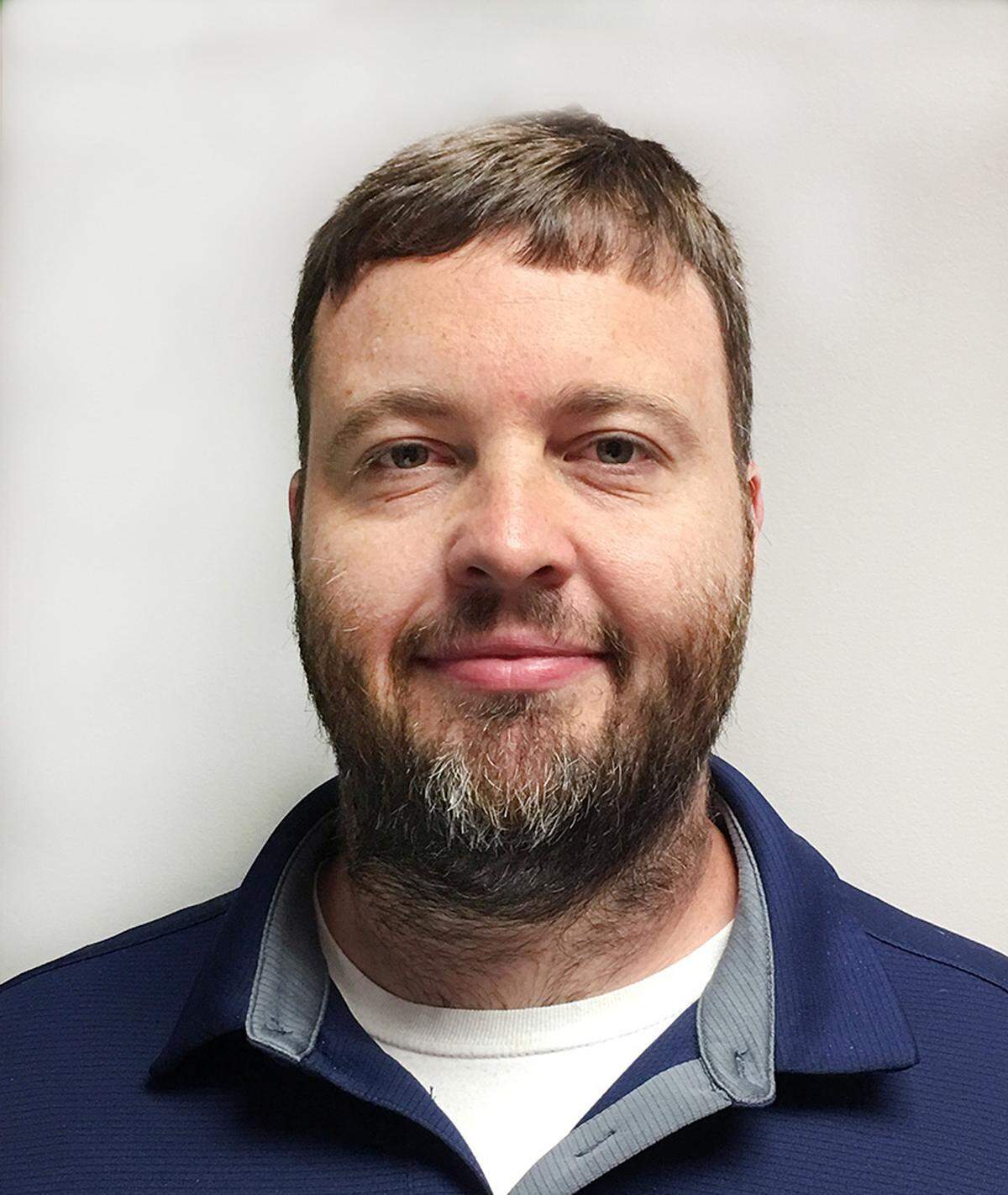
That message resonated Monday morning when hundreds gathered to First Baptist Church in Rock Hill for the 17th annual interfaith prayer breakfast honoring the late civil rights icon. Mayor John Gettys challenged that crowd to do its part to improve education for all Rock Hill children, a key to unlocking a more equitable community for all.
“It is more than meeting in the morning and trying to become inspired,” Gettys said. “It is more than meeting in the morning of MLK Day and trying to take full stock and measure of who we are as a people.”
After breakfast leaders with Rock Hill Reads held a volunteer training. Rock Hill Reads is a grassroots program to bring literacy to lower-income parts of the city. Gettys said he believes it’s critical young children receive whatever help they need with reading to prepare them for school. He’s been promoting Rock Hill Reads since he became mayor.
“You can help us make the transition from a community of servant leadership to a community of servant citizenship,” Gettys said.
Faith Rivers James, assistant provost for leadership at The Citadel and keynote speaker Monday morning, offered similar educational concerns common today both to King and larger society.
“A child’s mind is crippled by inadequate educational opportunities,” James said. “And that would be a great pain carried for generation after generation. We can do better.”
James spoke of leaders with South Carolina and Rock Hill ties who worked tirelessly to end school and societal segregation.
“Sadly, 50 years later, many of our children and grandchildren attend schools that are neither officially segregated, nor integrated either,” she said. “Our neighborhoods continue to bear the burden of racially restrictive covenants of the past, and economic division in our present.”
Schools today often fail to fund the strategies educators know will best help students become successful, James said. And teachers often are asked to make great sacrifices. Working to improve education for all, she said, is a way to honor so many civil rights workers who gave their lives for the betterment of community.
“All of them had given their lives to transform the footings of our nation from the murky waters of a watered-down constitution to a firm footing that could stand together,” James said. “A firm foundation where we could be one nation, not two societies, under God.”
City leaders on Monday made their case for next steps, but also celebrated all Rock Hill has done in recent years toward creating the type of community King might have envisioned. Pathways Community Center organized to bring dozens of social service groups together under one roof in service of homeless, jobless or other needy clients. Miracle Park, a place for people of all levels of physical ability to play together, is under construction.
Another key accomplishment came last year with the routing of a free bus service, My Ride Rock Hill.
“We’re making sure that all of the people of Rock Hill have access to jobs, have access to the hospital and can get where they need to go in and around Rock Hill,” Gettys said.
Those programs and others led to the city’s designation last year as an All-America City. Gettys said he sees it daily, where community members volunteer time and talent to help others. He sees a city ready to move from servant leadership, he said, to servant citizenship.
“We make the claim that we’re better than any other city not because we’re smart, not because we’re pretty, but because we’re good people,” Gettys said. “Good people believe in a world better than the way we found it.”