How Lancaster County leaders plan to push school, road bonds after voters rejected them
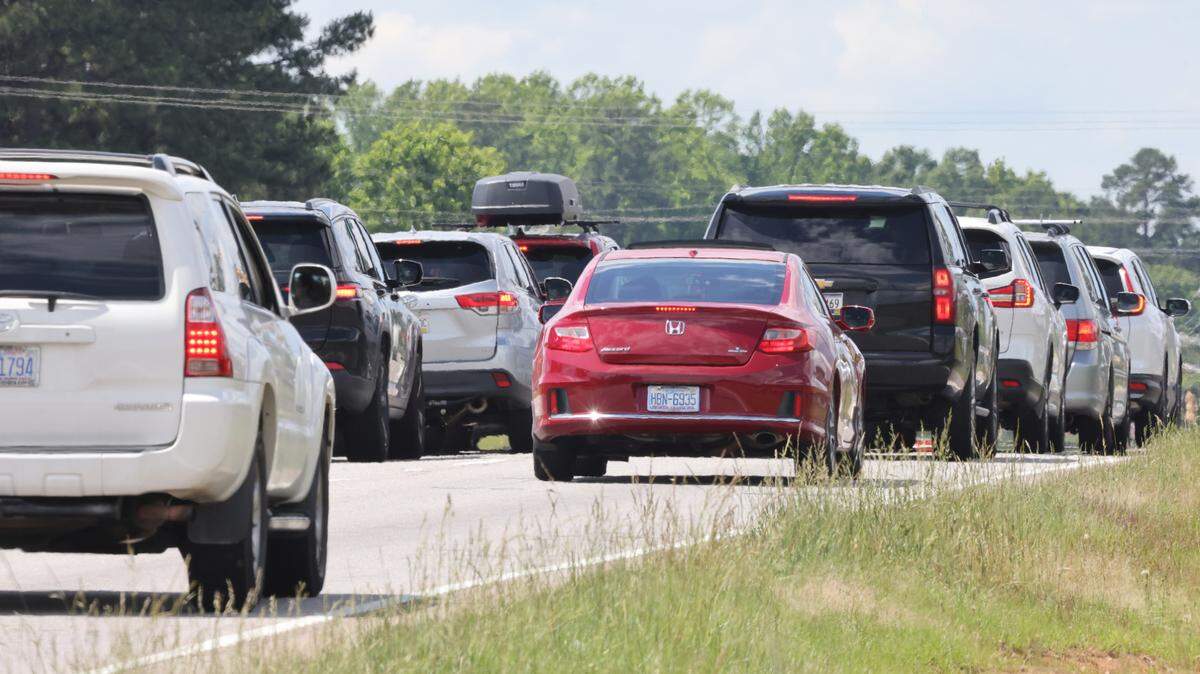
Lancaster County voters who rejected a school bond referendum and a new road improvement tax last fall are likely to see new plans for both — and soon.
Lancaster County Council aims to develop a new road tax proposal by the general election in November. The Lancaster County School District is discussing a new school bond vote in March or April of next year.
Both groups propose changes, including more community input, before setting lists of improvements on a ballot. Both votes could be for smaller amounts than the failed ones last fall.
“We think that we need to plan better for it, and I think that we are all starting to move in that direction,” said Council Chairman Brian Carnes.
Council and the school board met Thursday to determine where they should go next.
Failed public votes in November
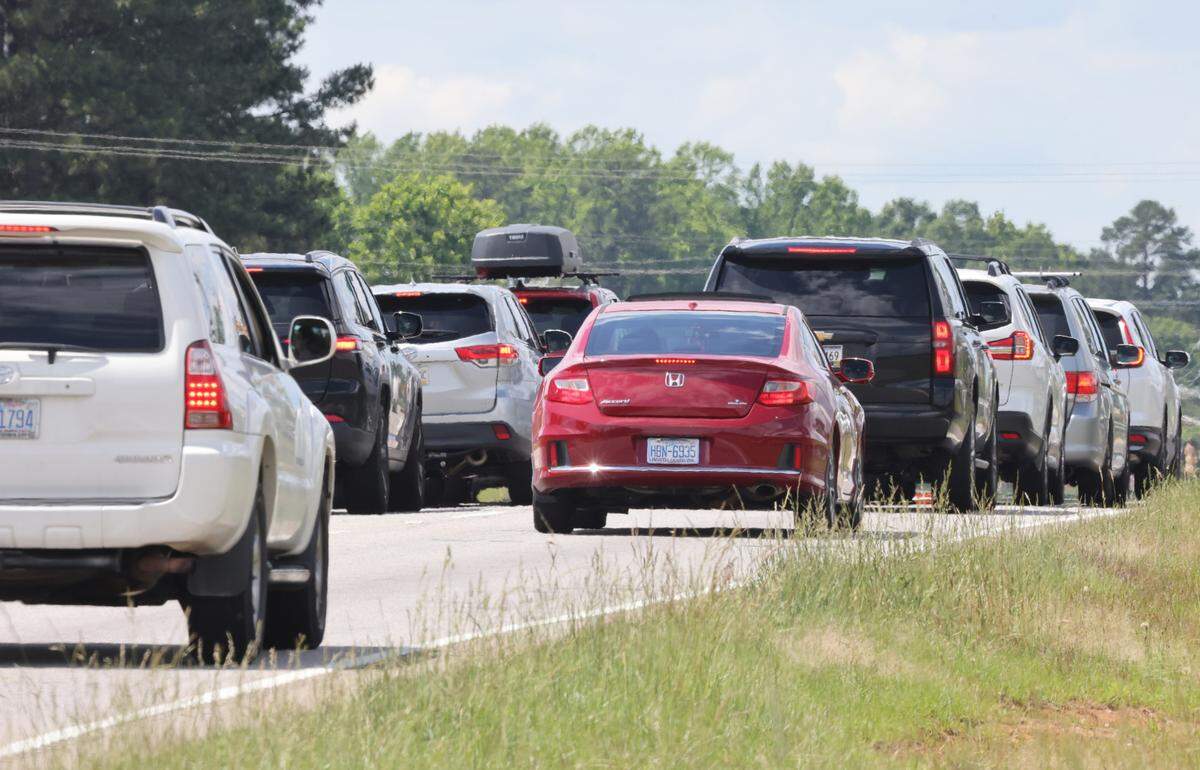
Voters narrowly turned town a new transportation tax in November. More than 52% of them opted not to set up a 1% sales tax to fund roads. It would’ve generated an estimated $405 million and lasted up to 15 years.
Money from that vote largely would’ve gone to improve intersections along or widen U.S. 521, or Charlotte Highway. A list of road jobs the county released ahead of the vote showed $165 million for major road widening projects.
Also on election day, nearly 60% of county voters cast their ballots against a school bond referendum.
The $588 million proposal would’ve built a new high school and elementary school in Indian Land. Two more new elementary schools would’ve consolidated facilities in more rural parts of the county.
Because both votes were held during an election for president, they drew far greater numbers than typical school bond or tax questions that are often held across the region as standalone contests. The school and road tax votes each drew more than 50,000 ballots, at a voter turnout rate of nearly 80%.
What’s different in new votes?
The county and school district are still working through what will be on new ballot requests. The votes won’t be copies from last November.
The county appointed a transportation committee that will meet March 27 to review roads, said County Administrator Dennis Marstall. County Council could have a recommendation list by the end of April or first of May.
“They’re looking at a smaller package, maybe in the range of $250 million, and for a shorter timeframe,” Marstall said. “Maybe 10 years.”
Council asked county staff for more information on the ballot to explain which roads will be done, and when, but it will be a challenge. Roads aren’t easily checked off a list, Marstall said.
“It’s hard to prioritize and then move on,” he said. “If you’re doing a 521 widening that’s a 10-year project. So a lot of the projects have to move simultaneously.”
The school board will appoint a 45-member citizen review committee. They’ll visit every county school and provide bond recommendations to the school board in November or December. Monthly meetings will be open to the public, and community forums will be scheduled.
“The more people we get involved,” said board Chairman Melvin Stroble, “the better we hope the product will be.”
Timing concern with new public votes
County Council and the school board, for the road tax and school bond respectively, will make the final decision on whether to hold public votes. They’ll also decide what items will go on the ballots.
Some elected officials have concerns about holding votes so soon after the failed ones last November.
Councilwoman Charlene McGriff spoke with constituents who believe it’s too soon for the school or road votes to return, she said. Councilman Steve Harper shares those concerns. “If we immediately turn around one year later and send it back to the public,” he said, “we could get turned down.”
Other elected officials say schools and roads are already behind where they need to be to keep up with a growing community. Listening to the community on what they want and developing smaller plans to build trust within the community are the factors officials need to focus on, said Councilman Jose Luis.
Other school and road options for voters
Some officials say voters could’ve been better informed about last fall’s votes. Specifically, that involved what other options would be from additional mobile classrooms in schools to continued traffic on area roads.
Some voter told Carnes the county already has money for roads, he said, but may not understand it can cost $800,000 per mile just for resurfacing. The road plan last fall had more than 125 roads.
The county doesn’t have a direct funding source for large road projects, officials say. The similar 1% sales tax in York County, Pennies for Progress, has grown since voters there narrowly passed the first campaign in 1997. The fifth Pennies campaign passed last fall with more than 70% approval.
“It keeps reoccurring because citizens in that county understand that’s how they fund roads comprehensively,” said Councilman Stuart Graham. “Not just this road and that road and then this road.”
Officials have to be careful in assuming the “no” votes were all about information, Luis said. He wants the county and school board to come up with better plans, not just better communication.
“There are some folks who may not have understood things, but the vast majority of folks that I’ve spoken to did understand, they just didn’t like it,” Luis said.
Both the county and school board will rely on public feedback to help them create proposals that same public will pass. As the county grows, they don’t have much choice.
“We have to be upfront and honest and say, this is the way it gets done,” Carnes said. “This is the only way it gets done. There’s not a mechanism to be able to do it any other way.”