‘When people tell you no’: What’s next for Lancaster County after sales tax fails?
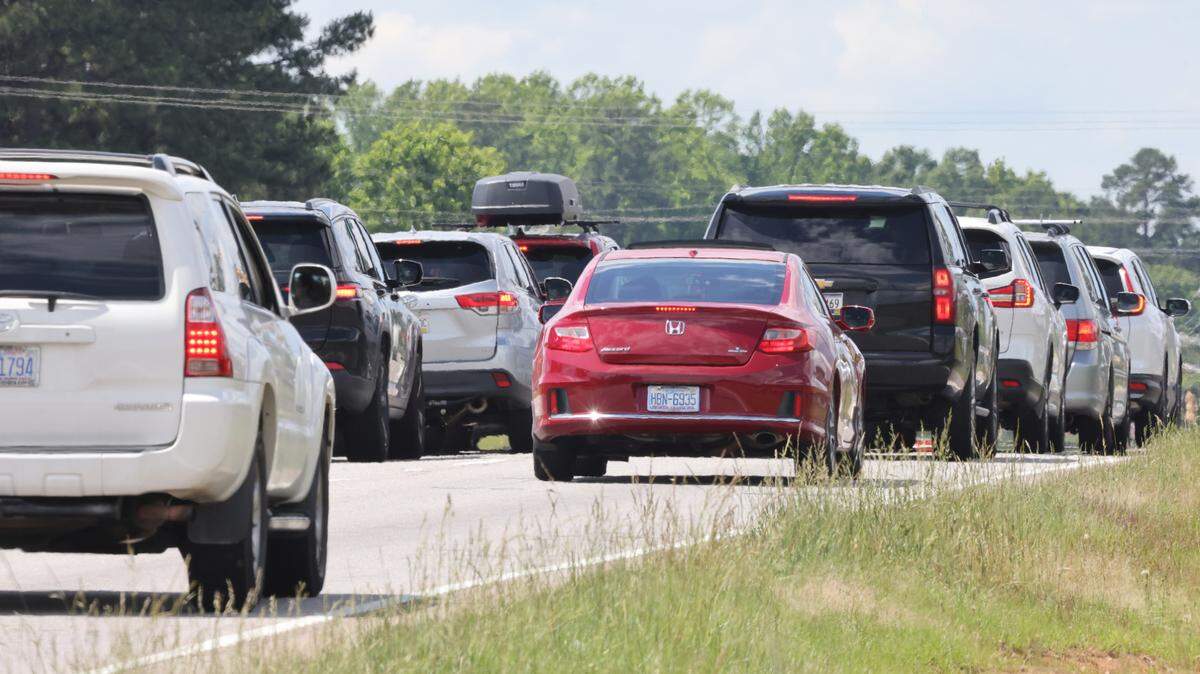
For the second straight year, Lancaster County voters turned down a new 1% sales tax intended to widen, repave and realign congested roads. This year’s vote wasn’t even as close as the one last year.
So, what happens now?
“I don’t anticipate it coming back next year,” Lancaster County Councilman Brian Carnes told The Herald Wednesday morning. “We may try somewhere down the road, but you have to learn something every once in a while when the people tell you no.”
Carnes, who represents the high-growth Indian Land area and sits on the Rock Hill-Fort Mill Area Transportation Study regional road funding committee, still sees a way forward using a state transportation grant to fund improvements on the county’s busiest road, U.S. 521. But Tuesday’s referendum result could limit that work, and leave other jobs throughout the county in question.
Widening of Henry Harris, Harrisburg and Barberville roads would’ve happened with the road tax, but aren’t funded now. It’s the same for 31 miles of county or state roads that would’ve been paved, along with city and town streets.
“There was a groundswell of opposition,” Carnes said. “I think there is a big lack of understanding on the public’s part on how roads are funded in South Carolina.”
Sales tax for roads referendum results
Last year, Lancaster County put a $405 million sales tax question to voters. That was the expected amount to be generated if the county charged 1% more in sales tax for 15 years.
That campaign focused heavily on widening U.S 521, or Charlotte Highway, along with major thoroughfares in Indian Land. Cities, towns and rural areas all had roads on the list for improvement.
In a presidential election year that saw record early voting and overall turnout of nearly 80% in the county, nearly 53% of voters opted not to approve the new tax.
County officials decided to scale back the plan and try again this fall.
The tax would only last 10 years, creating an estimated $253 million for roads. The plan largely kept projects in rural and southern Lancaster County, where more opposition was expected due to the overall focus of road work on the U.S. 521 corridor.
On Tuesday, nearly 68% of voters chose not to start the tax, according to unofficial results. Only two of 31 precincts supported the plan.
Apart from the massive Sun City senior living community that voted 68% in favor of the tax, the rest of Lancaster County voted against it at a 74% rate.
On an election day mainly focused on municipal races, South Carolina had a 4% voter turnout. York County had 12%. Lancaster County, with fewer municipal races than York County and no contested race in its largest city, turned out at 28%.
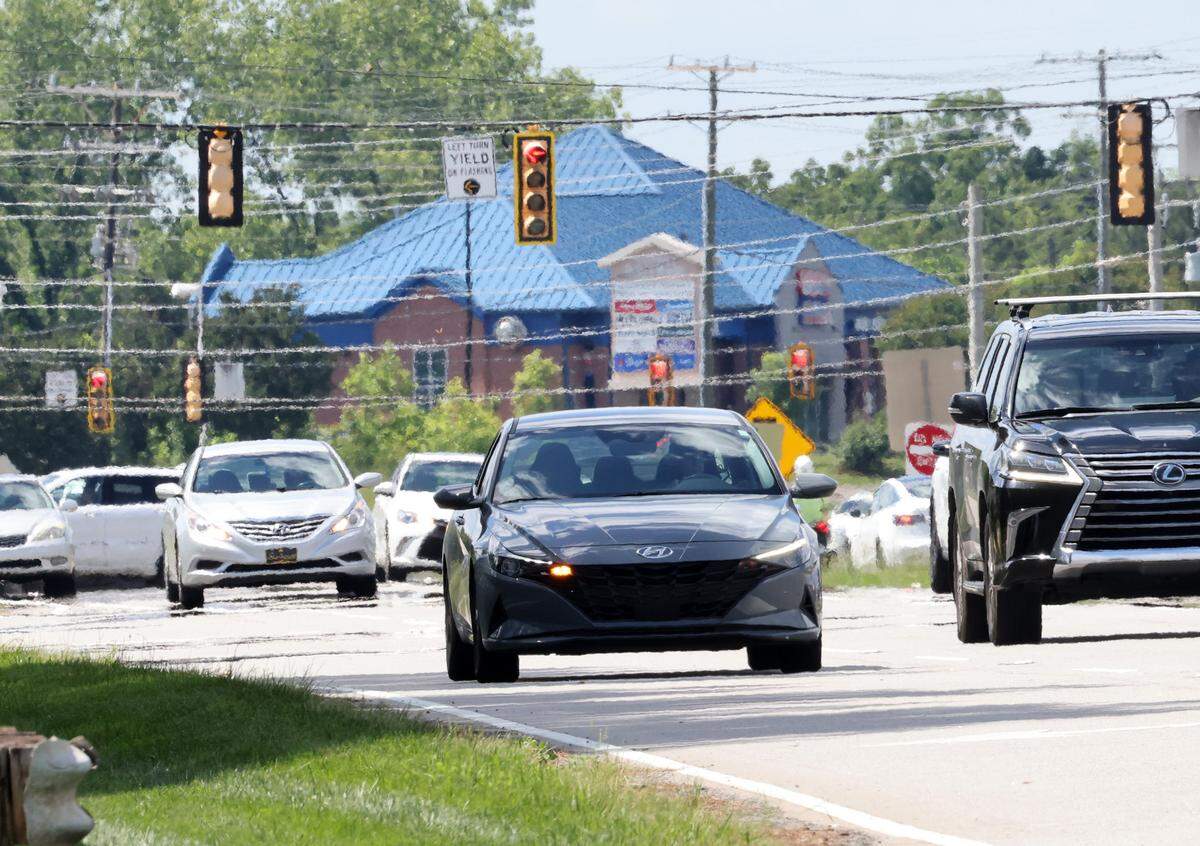
Developer, state, federal road responsibility in SC
Carnes often hears community feedback that developers ought to pay for road improvements. Or, he said, that it’s the state or federal government that should be responsible for state or federal highways.
Developers bringing new projects to the area do pay for road improvements, but state law determines how far those requirements can go.
Developers often add turn lanes into and out of their properties, or at nearby intersections. For a large project like the recently opened Costco in Indian Land, Carnes said, those improvements could cost millions of dollars.
But when so many projects come in so short a time, larger fixes are needed. It’s unrealistic, Carnes said, to have a developer widen long stretches of Charlotte Highway that already needed widening after years of being passed over from federal or state funding sources.
”The state is not in the business of making a developer come in and pay for all the sins of the past,” Carnes said.
While the state is responsible for its roads, areas like Lancaster County are growing faster than road work can keep pace. Lancaster County is the third-fastest growing county in South Carolina and the fastest growing in the Charlotte region since 2020, according to the U.S. Census Bureau.
A recently updated statewide transportation plan focuses on interstates, bridges, safety projects and some repaving. The only widening on that list involves interstates, something Lancaster County doesn’t have.
”They’re not doing any expansion on anything other than the interstates,” Carnes said. “We don’t really have very many options.”
Federal money in the region is tied up for the next five years or so, he said, due to large ongoing Interstate 77 interchange projects in York County.
At up to 31,100 vehicle trips per day, Charlotte Highway ranks alongside roads like S.C. 160 and U.S. 21 in Fort Mill, Celanese Road in Rock Hill and S.C. 49 in Lake Wylie among the busiest non-interstate roads in the Rock Hill region, according to state traffic counts.
South Carolina infrastructure bank funding
A regional transportation study on Charlotte Highway recommended a series of widening, turn lane and intersection improvements. Like ongoing interchange jobs off Interstate 77 in York County, the Lancaster County work could cost more than $100 million.
The county has $10 million left over from a prior capital sales tax.
The county applied for more than $40 million this summer from the South Carolina Transportation Infrastructure Bank, a state agency that helps finance large transportation projects. Half a dozen or so communities applied for $250 million in total funding for a rural project program.
“I spoke with them in early September, and they did not have a timeframe then, as to when they would announce the grant recipients,” Lancaster County Administrator Dennis Marstall said Wednesday.
Marstall expects to hear something by the end of the year. The infrastructure bank reached out multiple times with questions or clarifications on the application, which Carnes takes to mean the infrastructure bank is seriously considering it.
Still, infrastructure bank funding only covers a portion of a project’s cost.
As of the end of last year, the infrastructure bank had $139 million allocated to Interstate 77 exits at Carowinds Boulevard, S.C. 160 and Celanese Road in York County. Those allocations were based on project costs of $174 million. York County had to come up with nearly $35 million in matching dollars to get the infrastructure bank money.
Those approvals also happened before construction costs skyrocketed in the past few years, meaning the interchanges are likely to cost much more.
Charlotte Highway work will definitely cost more than the infrastructure bank would allocate, Carnes said. The $10 million in hand would work as matching funds. The thought was, a new transportation tax would further sell the project to the infrastructure bank by showing county commitment and available match funding.
Without the tax, Lancaster County will see how far the funding in hand will stretch and what help the infrastructure bank may provide. The project may have to scale back without a revenue stream for the work.
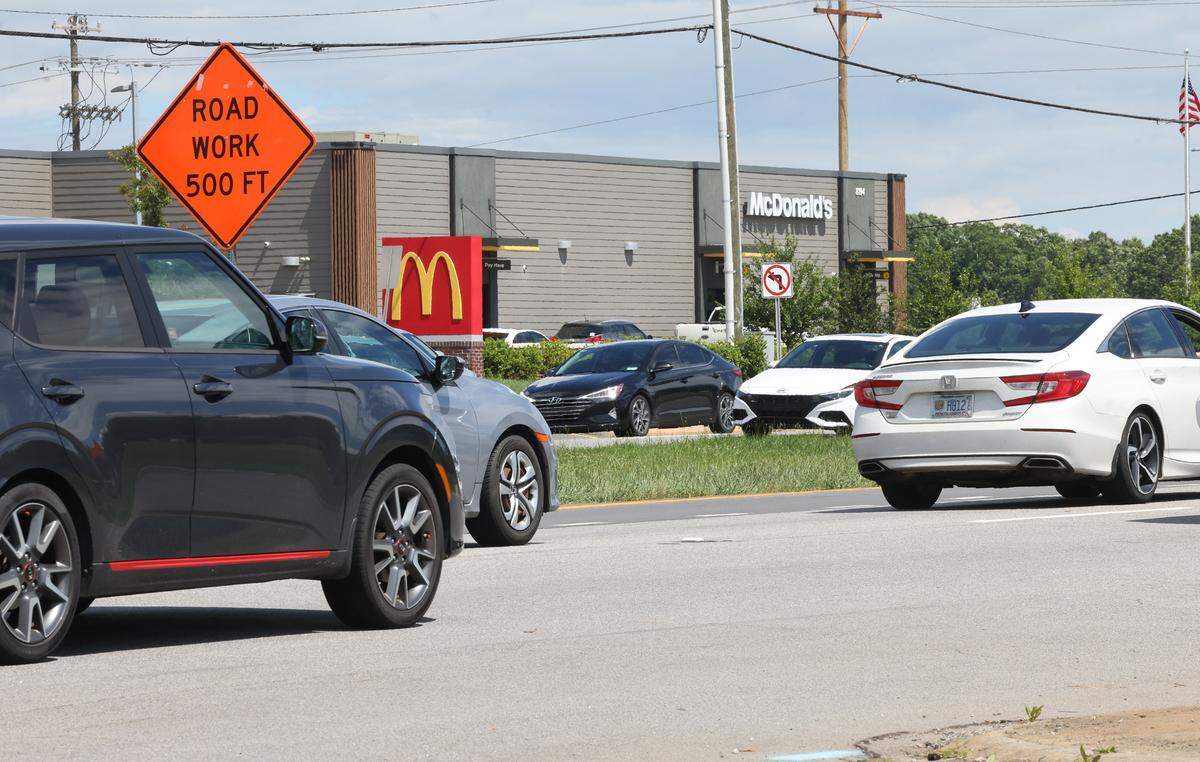
Growth unlikely to stop in Lancaster County
Precinct voting from Tuesday’s decision shows it was closer in some areas to the north, but overwhelmingly against the new tax to the rural south. For more than a decade, growth pressures have largely been limited to Indian Land.
Yet several massive subdivision projects are underway south of the county panhandle.
The city of Lancaster has multiple areas set to bring thousands of homes. County officials had hoped a new sales tax for roads would help Indian Land catch up to the growth its residents have seen, but also prepare for growth in new areas.
That continued growth is why Carnes calls Tuesday’s sales tax defeat and the county’s response a “developing issue.” The going rate just to resurface a road is about $650,000 per mile, he said. So fixing roads is going to take a big vision.
”That’s just resurfacing,” Carnes said. “If you start widening, then that cost just goes astronomical.”