
Nest of invasive hornets found in York County for first time. Beekeepers are wary
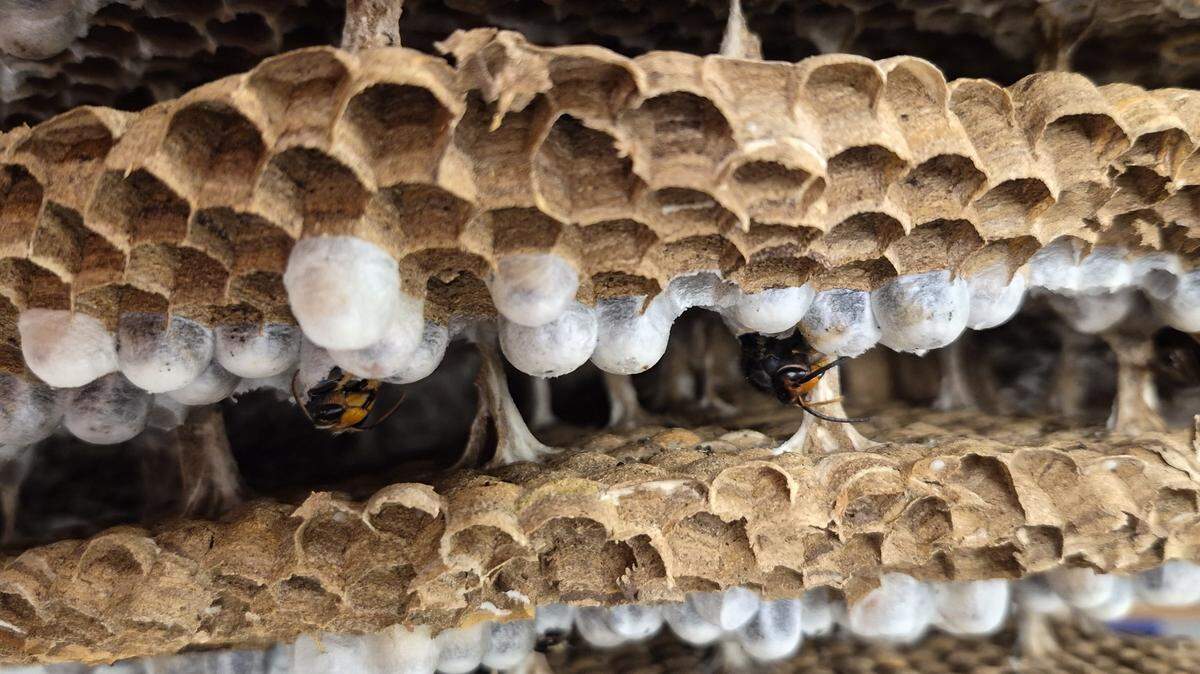
An attentive York County beekeeper may have prevented more than 1,000 invasive queens, drones and “half-queens” from spreading across the area.
In December, Clemson University experts located and removed a large yellow-legged hornet nest from York County after a beekeeper reported a hornet preying on honeybees. It was the first time a nest of that species has been found in South Carolina outside of the Lowcountry, according to Clemson.
The yellow-legged hornet, sometimes called an Asian hornet, hadn’t been found anywhere in South Carolina before 2023.
The insect can ravage honeybee populations, in turn hurting crops in areas where it’s found. It’s different from the larger Asian giant hornet, another invasive species sometimes called a “murder hornet.”
Murder hornets were found in Washington state seven years ago, but haven’t been observed in South Carolina or any other state.
What Clemson found in the York County hornets nests
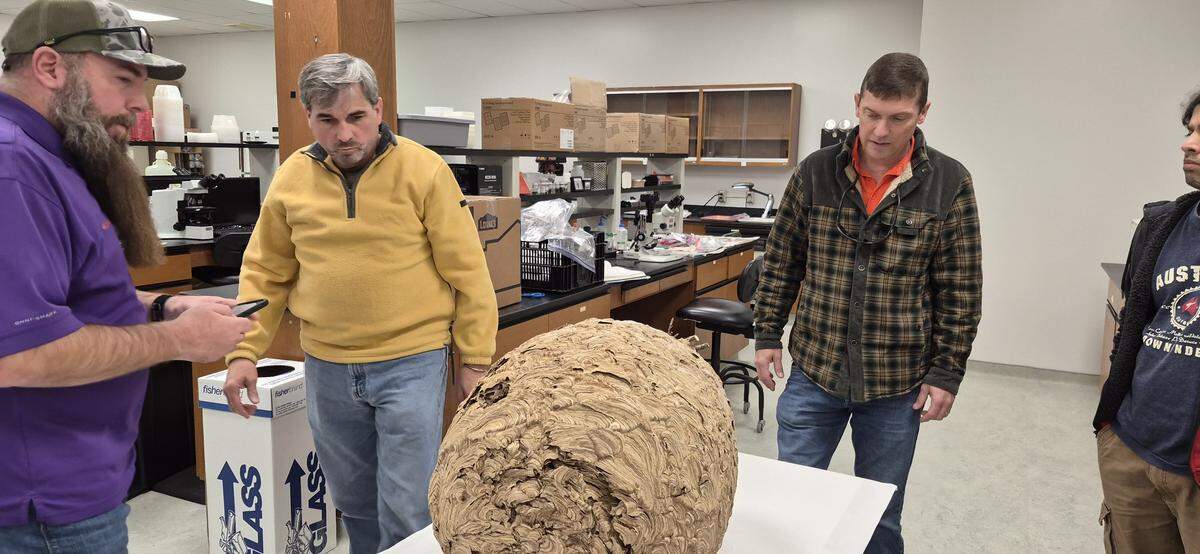
Workers with Clemson’s Invasive Species Program cut into the York County nest and found 1,517 adult hornets and 600 unemerged pupae, according to a Facebook post Thursday that’s been share more than 1,400 times.
The colony had entered its reproductive phase, according to the post, but the hornets were still in the nest when it was contained.
The invasive species group counted 313 adult queens, 543 drones, 661 workers and about 600 pupae that were possibly half-queens.
Dealing with the hornets nest
The nest was injected with insecticide to kill the colony, then cut from a tree using a 25-meter lift, according to a comment from the Clemson Apiculture program. It was then frozen.
Nests removed in other places have been dried in an over for long-term storage and analysis.
“Hornet teams will be working intensely this spring to eliminate any new nests in the York County area and need beekeepers to watch colonies for hornet ‘hawking,’”(preying on bees near their hives) the group posted on Facebook.
More than 330 comments on the Clemson post come from people throughout a several-state region. Lots of those comments come from beekeepers, but some are from property owners concerned that they might have nests, too. Many come from York County or nearby, often with pictures of other nests asking for identification.
“I’m in York and I’m pretty sure we had a lot of these around my yard this summer,” Elizabeth Green posted.
The public is encouraged to report any suspicious nests, too. They can call the invasive species program at 864-646-2140.