Is Lake Wylie safe to swim? Here’s the latest after that North Carolina sewage spill.
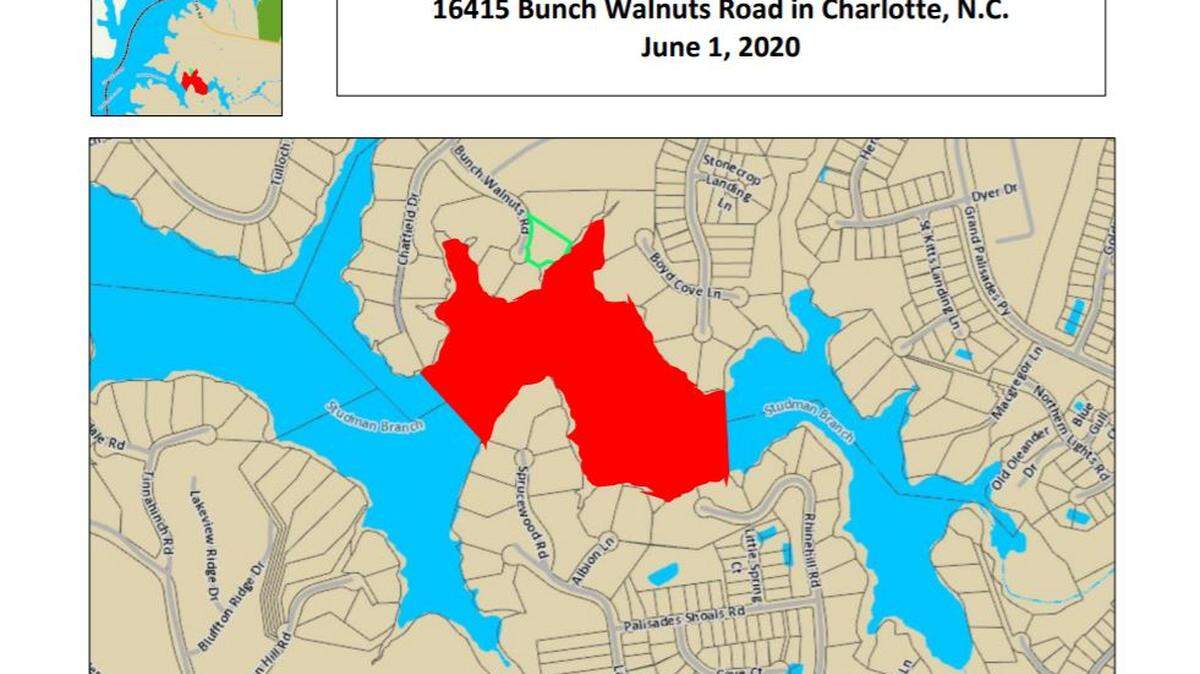
A Lake Wylie cove impacted by a June 1 sewage spill is now safe for recreation, according to North Carolina officials.
A no swim advisory was issued for part of Boyds Cove after a private septic system spill on Bunch Walnuts Road in Steele Creek. The North Carolina address is in the Palisades and Red Fez Club Road area, on the Charlotte side of the lake. It’s across the main channel from the South Carolina side of Lake Wylie.
The property was vacated and the discharge stopped, according to a Charlotte-Mecklenburg Storm Water Services release. Mecklenburg County Health Department staff continue work with the property owner to repair the system before it resumes operation.
Neither the no swim advisory June 1 nor the notice to lift it three days later lists an amount of sewage that discharged into the lake. North Carolina law requires various public notification measures of spills when they come from wastewater systems. Typically notice comes at 1,000 gallons or more of sewage, or if the sewage reaches public waters.
Following the sewage spill, health department officials tested the cove until water samples revealed bacteria levels within limits considered safe for swimming and recreation. Sewage spills into Lake Wylie or other public waters typically become safe for recreation with time as spilled material dissipates with water flow.
Wastewater spills are relatively uncommon but can have significant environmental impact. South Carolina Deparment of Health and Environmental Control lists seven York County spills since the start of 2019. They span Rock Hill, Fort Mill, Tega Cay and York.
By far the largest spill in that span came Feb. 22 of 2019 when almost 335,000 gallons spilled after a manhole was exposed during construction on Red River Road in Rock Hill. The most recent spill also came in Rock Hill, when an estimated 50,000 gallons of wastewater spilled in the Manchester Creek area during heavy rain and flooding on Feb. 6.
Those seven York County spills all had an estimated 1,000 or more gallons of wastewater, with the spill average at more than 60,000 gallons. Larger spills typically come from larger wastewater systems, while smaller or private setups like the septic system that failed in Mecklenburg County tend to have smaller estimates.