How to watch funeral for SC Friendship 9 civil rights icon on Saturday
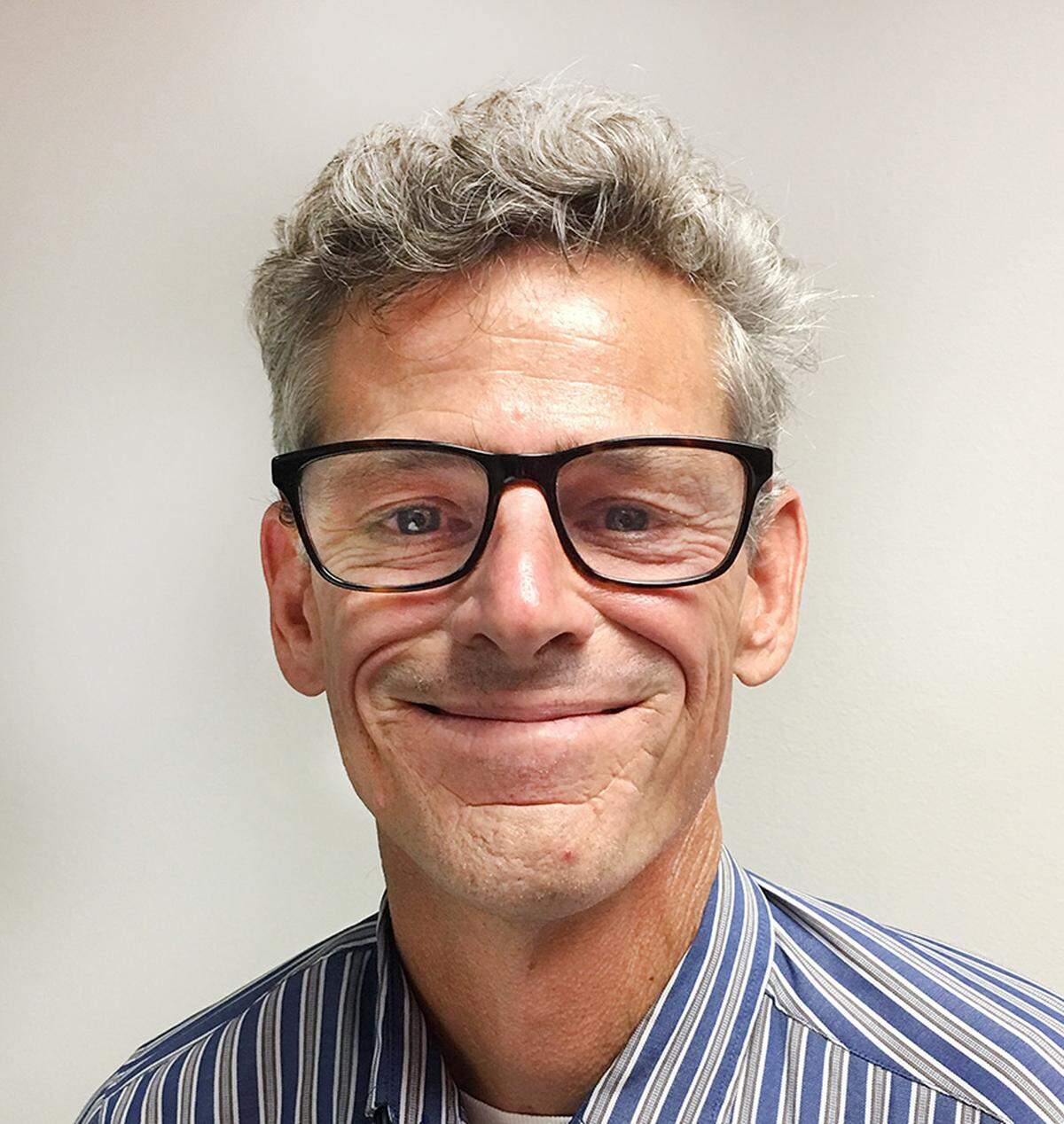
The funeral of South Carolina civil rights icon Willie McCleod will be streamed online so people can see the service during the COVID pandemic.
The funeral is Saturday at 1 p.m. at Pineville AME Zion Church in Rock Hill, according to McCleod family members and Robinson Funeral Home. The service will be held outside the church with social distancing, so people can attend in person if they choose, said Ra’Ronisha McCleod, one of Willie McCleod’s daughters. Burial will be in the church cemetery.
Robinson officials will broadcast the funeral live on Facebook so people who have concerns during the COVID pandemic can watch the service from home or on mobile devices from their vehicles, said Ra’Ronisha McCleod.
The family will receive friends Friday from 3 p.m. to 7 p.m. at Robinson Funeral Home, said funeral home co-owner Monique Ramseur. Social distancing will be enforced at the visitation, and masks must be worn for any in-person attendees at both the visitation and funeral, Ramseur said.
“We know many people in Rock Hill, around South Carolina, and across the country want to commemorate Mr. McCleod’s important life,” Ramseur said. “We want to do it all safely.”
McCleod, 78, died New Year’s Eve at home in Rock Hill.
To watch the funeral on Facebook Saturday, click here. Prompts can be followed to watch the service.
1961 jail protest changed South Carolina, America
McCleod was a member of the all-Black Friendship Nine civil rights group. The men spent a month in the York County jail on a chain gang in 1961 after being convicted of trespassing because they sat at an all-white lunch counter in Rock Hill. The sit-in was a protest of segregation at Rock Hill restaurants during the Jim Crow era when racial segregation was legal in South Carolina.
The “Jail, no Bail,” movement by the Friendship Nine was a spark for the civil rights movement across the South and led to the repeal of legal segregation and other civil rights actions. The convictions of the protesters were vacated in 2015 when South Carolina prosecutors apologized for the treatment of the African-American protesters.
The Friendship Nine were eight teenage male African-American students at all-Black Friendship Junior College in Rock Hill, and a civil rights organizer. The men have been honored in recent years by the State of South Carolina and City of Rock Hill. The S.C. General Assembly and former Gov, Nikki Haley unanimously enacted a resolution in 2014 that honored the men and their role in the national civil rights movement.
McCleod is the fourth member of the Friendship Nine to pass away. Robert McCullough, James Wells, and Clarence Graham died previously. The other members Friendship Nine members are David Williamson Jr., John Gaines, Mack Workman, Willie “Dub” Massey and Thomas Gaither.
The lunch counter where the men protested remains at a downtown Rock Hill restaurant. Stools honoring the Friendship Nine and two other protester leaders remain at the counter.
This story was originally published January 7, 2021 at 2:46 PM.