Think you know how much Lancaster County has grown? See if these numbers surprise you
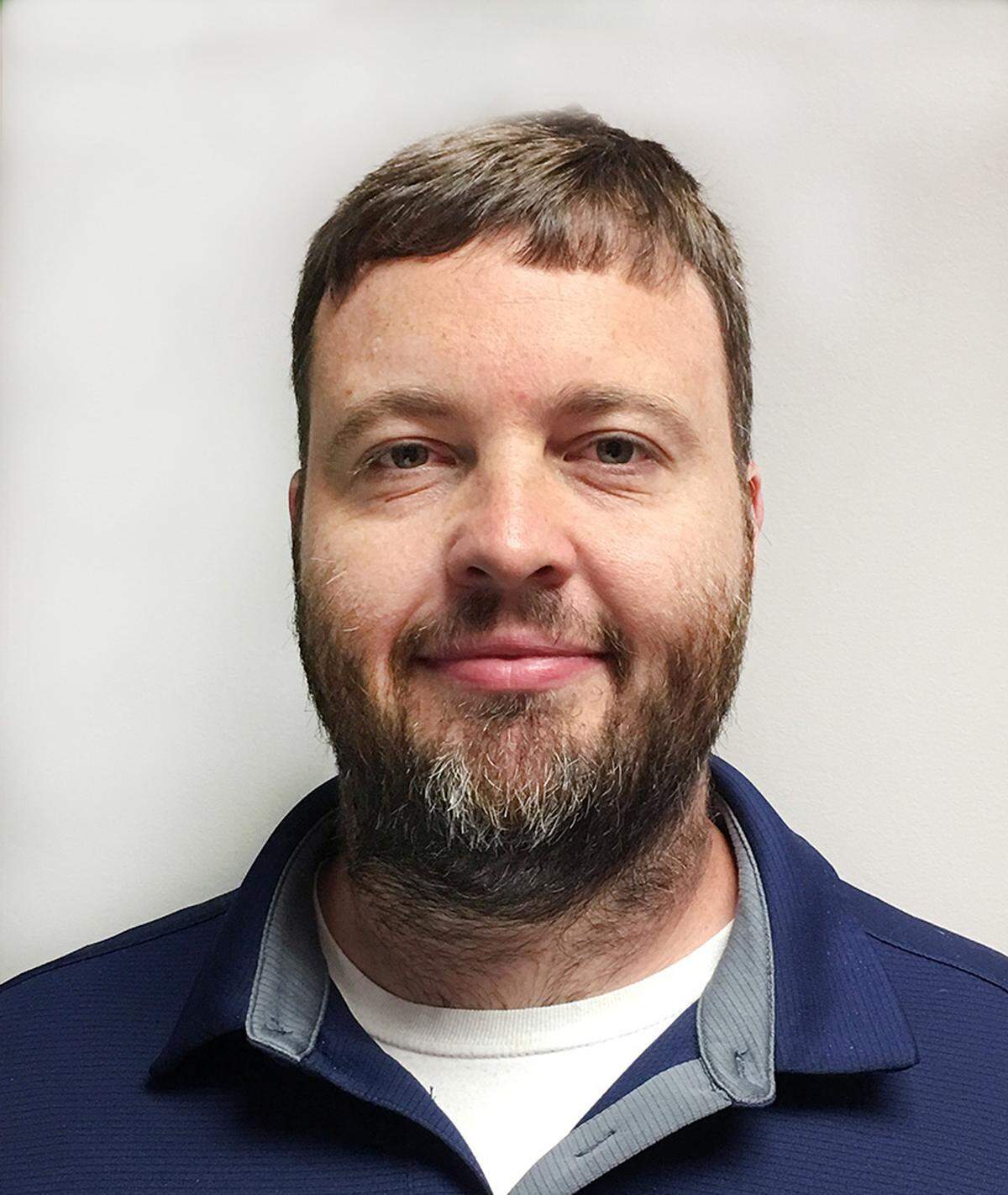
Dennis Marstall knew what to expect when he signed on with Lancaster County. He wasn’t wrong.
“I’ve been here, what, maybe 10 weeks now,” the county administrator said Wednesday. “And as I said from the very beginning, growth has been the overriding issue.”
Marstall asked departments countywide to show just how much growth they’ve seen the past decade or more. He presented those figures to a county subcommittee Wednesday to start a conversation that will last through a January retreat and 2022 budget planning.
Indian Land is far and away the highest-growth area, but the impacts stretch county line to county line. They span law enforcement, emergency response, roads, traffic and other areas. Marstall says his or any county official’s time is a blip, but decisions made on growth issues can well outlast them all.
“What we do today, now, will impact the long-term trajectory of the county going forward,” he said. “And so we really do in my mind have a one-shot opportunity to get a lot of this right. Otherwise we’re going to be paying for the mistakes for years and decades to come, and for future generations.”
Marstall notes water and sewer issues that limit some growth in neighboring Union County, N.C. In York County, Rock Hill and Lake Wylie have temporary residential construction moratoria while planners in both places look at new development guidelines.
“That really puts the bullseye on Lancaster County,” Marstall said.
Lancaster County has a choice in who decides which projects come to the area.
“Lots of people have lots of big plans for us,” Marstall said. “And so how we address that is going to be on us.”
Lancaster County growth quiz
Marstall’s data covers new homes and subdivisions, tax revenue, department services and other metrics that aren’t always shown together. Information Councilwoman Charlene McGriff saw as eye-opening on Wednesday.
“Data drives action, and that’s what we’ve got to go by,” she said.
The Herald created a quiz with some of the highlights from that data. Residents can see how well they know the growth in their own area, here:
Growth planning
There are, Marstall said, tools in the toolbox to guide growth. The county has to decide its focus, whether through economic, a revenue-based goal, overall quality of life or something else.
Councilman Brian Carnes represents part of Indian Land. Disincentivizing growth there through tougher building regulations or more requirements would be a way to bring more growth to rural areas, a stated goal of several council members Wednesday.
“Growth is very linear,” Carnes said. “If you look back 40, 50 years at Charlotte, Charlotte was slowly marching down this way and it’s still marching down this way. What we have to do is figure how we can incentivize growth to make a jump, to get in areas where we think we can handle it.”
Some residential growth leaks out of the panhandle already, and more space in other parts of the county lend to potential business additions.
“Indian Land is done,” McGriff said. “To me, it is done. We need to work on growth below (Hwy.) 5, central Lancaster and the southern part of the county if that’s possible. We need to drive the growth if we can in the southern areas.”
Though, just south of Charlotte and Ballantyne at the North Carolina line, Indian Land and the path U.S. 521 cuts through it remains appealing for development.
“I’ve been trying to do that for the last four years,” Councilman Terry Graham, who also represents part of Indian Land, told McGriff.
Sheriff’s office, fire, EMS and others services are a concern where most of the county population lives outside a town or city. Population increase means greater need for service. Councilman Larry Honeycutt believes the county needs to look at pay and other incentives to keep people from training in Lancaster County but leaving for better jobs in the area.
“We need to pay these people, and keep trained people here,” he said.
Marstall said growth isn’t entirely good or bad. It’s a challenge, he said, but there also is something positive about living in an area where so many people want to be. It’s up to leaders here now, though, to make sure that trend continues.