Police have DNA match to killer in notorious Kim Thomas murder, NC attorney says
READ MORE
Who killed Kim Thomas?
A young doctor’s wife was slashed to death in her Charlotte home in 1990. The case remains unsolved, though new evidence may be coming out. The Observer dug deep with these stories in 1995 and 2003.
Expand All
This story was updated Friday, Dec. 9, with a statement from Charlotte-Mecklenburg Police.
A prominent Charlotte defense attorney claims police have uncovered evidence that could finally solve one of the city’s most notorious criminal mysteries: Who committed the gruesome 1990 murder of Kim Thomas?
Now, David Rudolf wants a judge to order the Charlotte-Mecklenburg Police Department to release what it knows about the case.
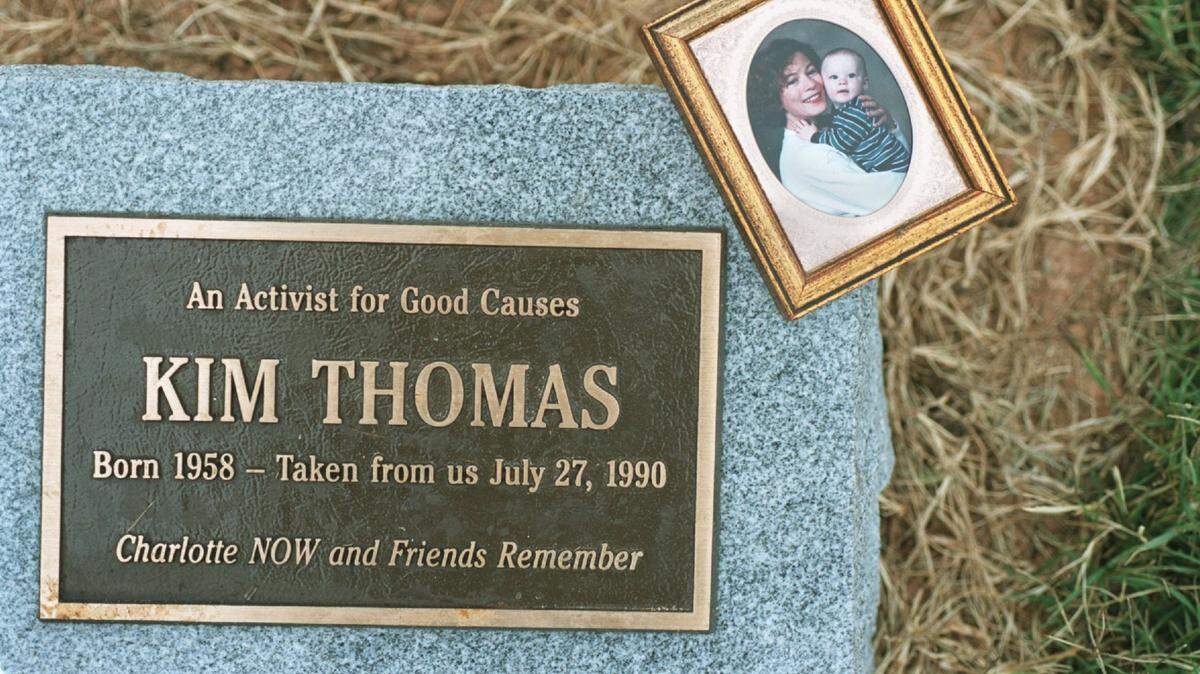
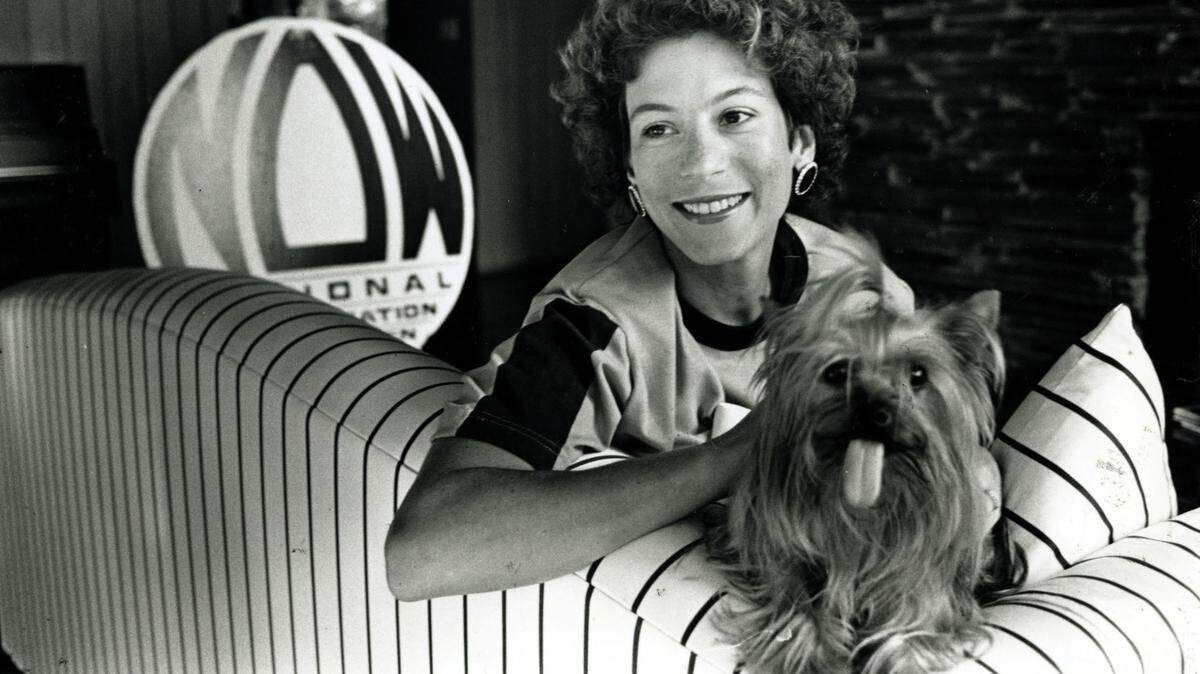
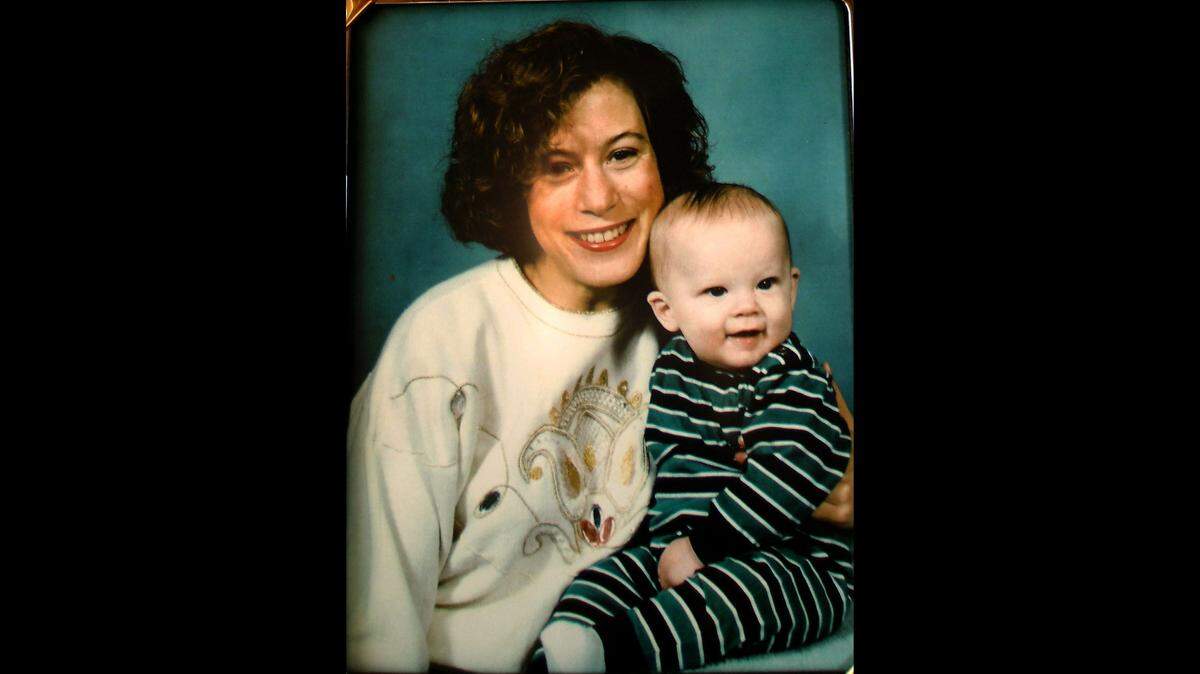
Thomas, a 32-year-old Charlotte activist, doctor’s wife and mother, was found inside her Cotswold home on July 27, 1990, handcuffed, her throat repeatedly slashed, her 10-month-old son in his crib nearby. Her death — and the prolonged failure of CMPD to find her killer — has reverberated through the city for decades.
Thirty-two years after Thomas’ killing, a highly unusual Mecklenburg County court filing on Wednesday offers new hope of closure.
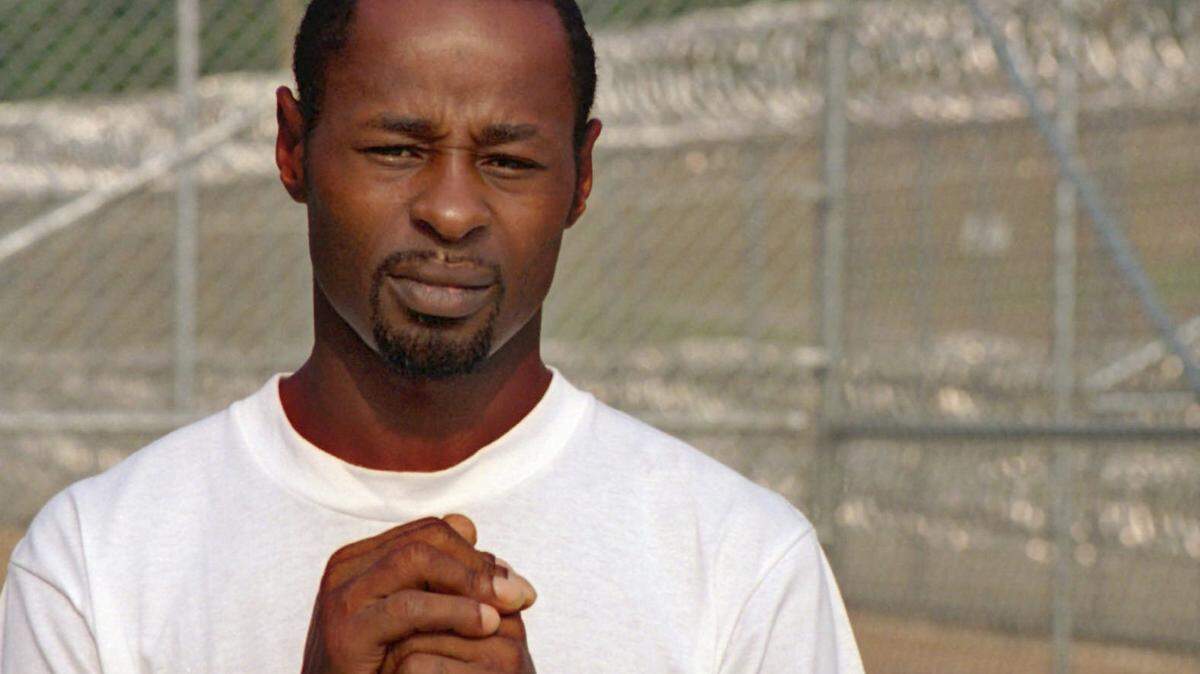
In it, Rudolf reveals that he was recently told by an unnamed CMPD homicide detective that investigators have matched DNA found at the Thomas murder scene with Marion “Pool” Gales, a 60-year-old career criminal long linked to the stabbing, who is now serving a prison sentence for the killing of another woman.
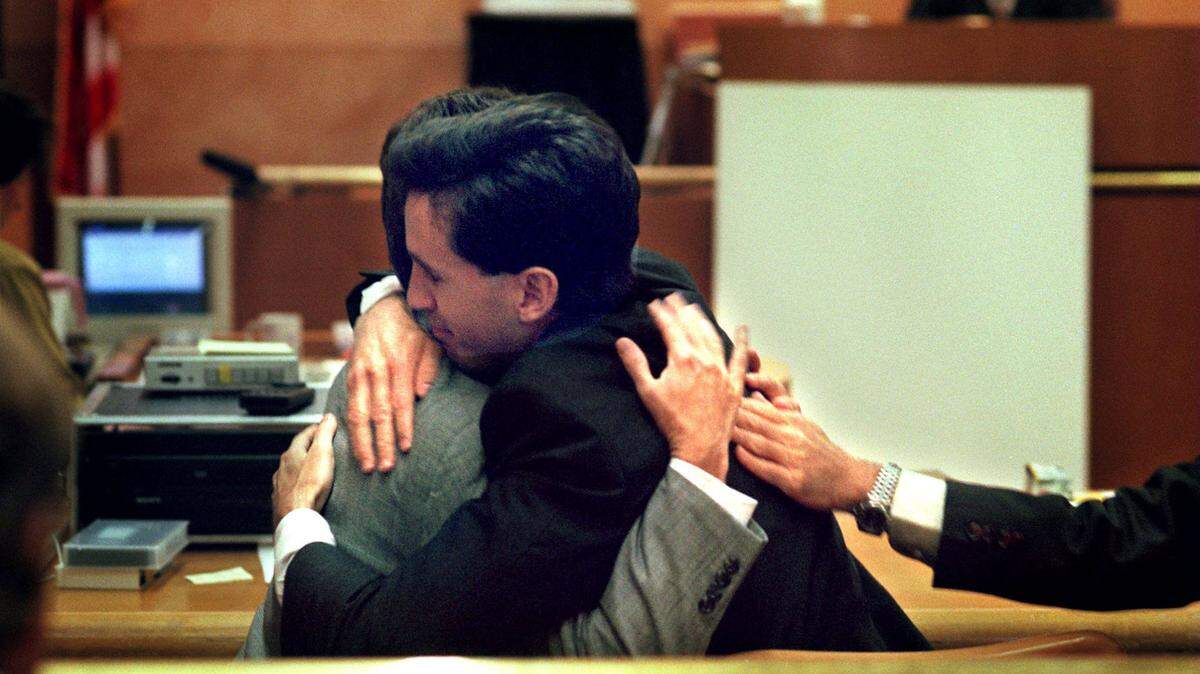
In an effort to protect any ongoing police investigations connected to the Thomas case, Rudolf asked CMPD last month to reveal the new information only to Thomas’ family and her former husband, Ed Friedland. Four years after the killing, Friedland was charged with his wife’s murder. The charges were later dropped and never refiled.
Friedland told The Charlotte Observer this week that he’s been living under the cloud of his wife’s murder for three decades. The new DNA evidence, he said, could at last clear his name.
But according to an email Rudolf shared with the Observer, CMPD has rejected Rudolf’s overture, refusing to disclose any information from what a police attorney describes as a “pending criminal investigative matter” involving Thomas’ death.
Now Rudolf wants the courts to get involved.
“The people of Charlotte and Mecklenburg County deserve to know who actually killed Kim Thomas, and why Marion Gales was permitted by the CMPD to avoid responsibility for the crime, which allowed him to commit additional crimes,” the attorney said in his filing.
Rudolf also singled out Friedland, his former client.
“As Kim Thomas’ husband, and the person who was wrongfully targeted by Charlotte Police for her murder, Dr. Friedland should be provided the evidence he needs to finally clear his name and reputation: the DNA evidence linked to Marion Gales.”
In an exclusive interview with the Observer, Rudolf said he believes DNA evidence placing Gales inside the home could solve the Thomas case once and for all.
“Here’s why: It’s not the sole evidence. It’s the final piece of an almost irrefutable case. So many pieces of circumstantial evidence that have existed before — Gales’ presence on the block, his working at the (Thomas) home ... and on and on and on. All of which police knew,” Rudolf said.
“Put that together with a DNA match (from the murder scene) — and the fact that Gales has denied ever being in the house — I think it’s irrefutable.”
In a Nov. 28 email to Rudolf, CMPD attorney Jessica Battle declined Rudolf’s recommendation to share any new DNA findings with Friedland and Thomas’ family under a joint protective order that would keep the information hidden from the general public.
“CMPD’s cold case unit is still working this case and is currently seeking lab testing of evidence obtained from the scene,” she wrote.
“While we understand your client’s position, the City will not join in a motion to release any potential results. This is consistent with how our office handles other requests for criminal investigative material.
“Again, detectives will contact your client when they receive definitive evidence to close this case.”
Battle did not immediately respond to an Observer email and phone call Wednesday seeking to discuss Rudolf’s filing.
In response to an Observer inquiry, the police department said this:
“This case is assigned to our Cold Case Unit. As with any other case, the Unit continues to utilize new technology to test evidence collected from the scene. As a result of this technology, detectives have developed additional leads to look at in this investigation. Because this case is still open, we cannot comment on what that evidence is at this time. While the department has not been served with a (court) motion, we will respect any order from the Court pertaining to a release of information.”
In his interview, Rudolf says release of the information would not affect a 32-year investigation in which witness testimony and other evidence already has been gathered and a key suspect is behind bars.
“Gales,” he said, “is still in prison for a number of crimes, including a (killing) that he would never have been able to commit if police had done their jobs to begin with.”
Friedland, now 66, remarried for the second time, said he’s spent the past 30 years living under the stain of being indicted for his first wife’s murder and being excluded from any updates by CMPD. Now, he says he deserves answers.
“This new piece of information that could be very, very important has been dropped into our laps,” he told the Observer in a phone interview from Florida, where he has lived since leaving Charlotte in 1998.
“The record needs to be set straight. I’ve had to go through my entire life with this cloud over my head. It’s about solving the crime. But it’s also about me being a crime suspect.”
“... If I sound angry, who wouldn’t be?”
Real life, real loss
Rudolf, who has represented such high-profile murder defendants as former Carolina Panther Rae Carruth and Durham author Michael Peterson, says the Thomas killing ranks among Charlotte’s most iconic criminal cases.
“This was an unsolved murder. Speculation was rampant. You had a doctor and his beautiful vivacious, politically active wife. It was a made-for-TV-movie, but it was real life.”
And real loss.
From the start, the investigation bobbed and weaved between two potential killers: Friedland and Gales.
Despite a history of violence against women and accounts by Thomas’ friends and neighbors that placed Gales at or near the Thomas home on Churchill Road in the days leading up to the killing, CMPD has never charged him in connection with Thomas’ death. Gales has long denied any involvement in the crime.
Instead, detectives said the evidence led them to Friedland. Four years after Thomas’ death, police persuaded prosecutors to indict Friedland on capital murder, putting him in line for a possible death sentence.
The criminal case against the kidney specialist was dropped in March 1995 when the judge and the Mecklenburg County District Attorney’s Office learned that CMPD had collected a significant amount of evidence linking Gales to the crime that detectives had never shared with prosecutors.
The case had been irreparably harmed by a judge’s decision the week before to throw out a disputed out-of-state medical examiner’s report that concluded Thomas died before Friedland left for work the morning of the murder. The judge ruled that the report was not based on science. Rudolf described it to the Observer as “absolute garbage.”
Friedland later sued the police department for wrongful prosecution. His complaint was thrown out in 2001 when a judge ruled that CMPD had “probable cause” to “arrest, indict and prosecute the plaintiff for the murder of his wife.”
Investigative files released to the Observer in 2003 revealed that detectives had gathered significant amounts of circumstantial evidence against Friedland but found no scientific proof linking him to his wife’s murder.
One of the police findings had been that Thomas’ death had been so savage, the wounds so concentrated around her throat, that the attack could not have been the product of a drug-induced rage. Instead, detectives concluded, the nature of the killing suggested a relationship between Thomas and her murderer.
Rudolf says Thomas’ death could just as easily have been the work of a drug-crazed assailant, and that police ignored or concealed reams of evidence that pointed directly at Gales:
That he had a history of attacks on women and police; that he lived a five-minute walk away from the Thomas/Friedland home and had done odd jobs for Thomas in the weeks leading up to her death; that he was burglarizing homes in the area to steal jewelry that he sold to buy cocaine; that he owned a pair of handcuffs identical to the ones found on Thomas’ body; that he was seen on Churchill Road on the morning of Thomas’ death and that his own family suspected from the start that he was the killer.
According to Rudolf, police initially considered Gales a serious suspect. That changed, the attorney says, when detectives received a tip that at the time of Thomas’ killing, Friedland was involved in a two-year affair with a nurse.
“That completely turned the police around. They completely ignored Marion Gales after that. They have mishandled this case ever since,” Rudolf told the Observer. “Having an affair doesn’t make you a murderer. They had all this evidence against Gales. They were pursuing that evidence, and then they just stopped. Why just drop it?”
In 1997, a jury awarded Friedland $8.6 million in his wrongful-death lawsuit against Gales.
“I feel we’ve made an important step forward to set the record straight and get the truth out,” Friedland said at the time.
In 2010, CMPD announced it had discovered new evidence in the case. Later that year, a CMPD attorney acknowledged that the “person of interest” being investigated at that time was not Friedland, and that the investigation “does not involve Dr. Friedland as a suspect.”
The investigation largely has been silent ever since.
In his interview with the Observer, Friedland says he’s been “guilty since day one” in the eyes of the police. But there’s a reason they’ve never been able to make a case: “It’s simple. I’m innocent.”
He says he’s waited long enough for the truth to come out.
“I need help,” he said. “I’ve done all the things that I can do. We’ve got to set the record straight.”
This story was originally published December 8, 2022 at 6:00 AM with the headline "Police have DNA match to killer in notorious Kim Thomas murder, NC attorney says."