Does body language of Murdaugh reveal guilt, lack of grief? Here’s what behaviorists say
READ MORE
Alex Murdaugh Coverage
The Murdaugh family saga has dominated the news after another shooting, a resignation and criminal accusations — with Alex Murdaugh at the center of it all. Here are the latest updates on Alex Murdaugh.
Expand All
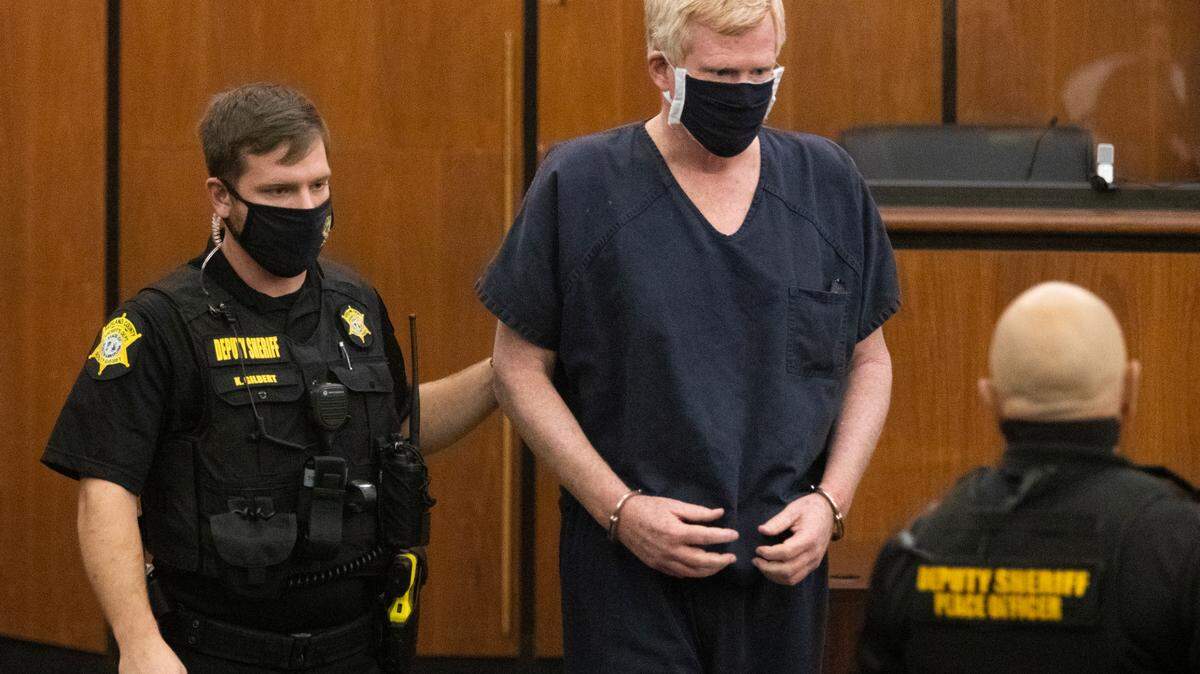
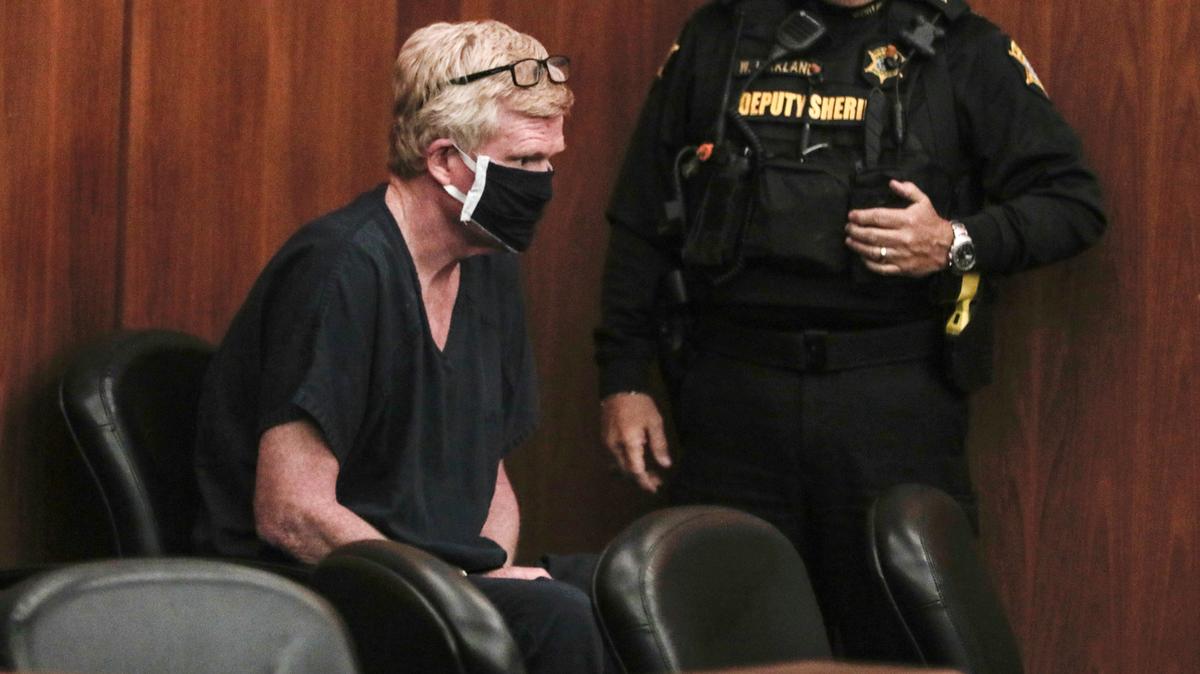
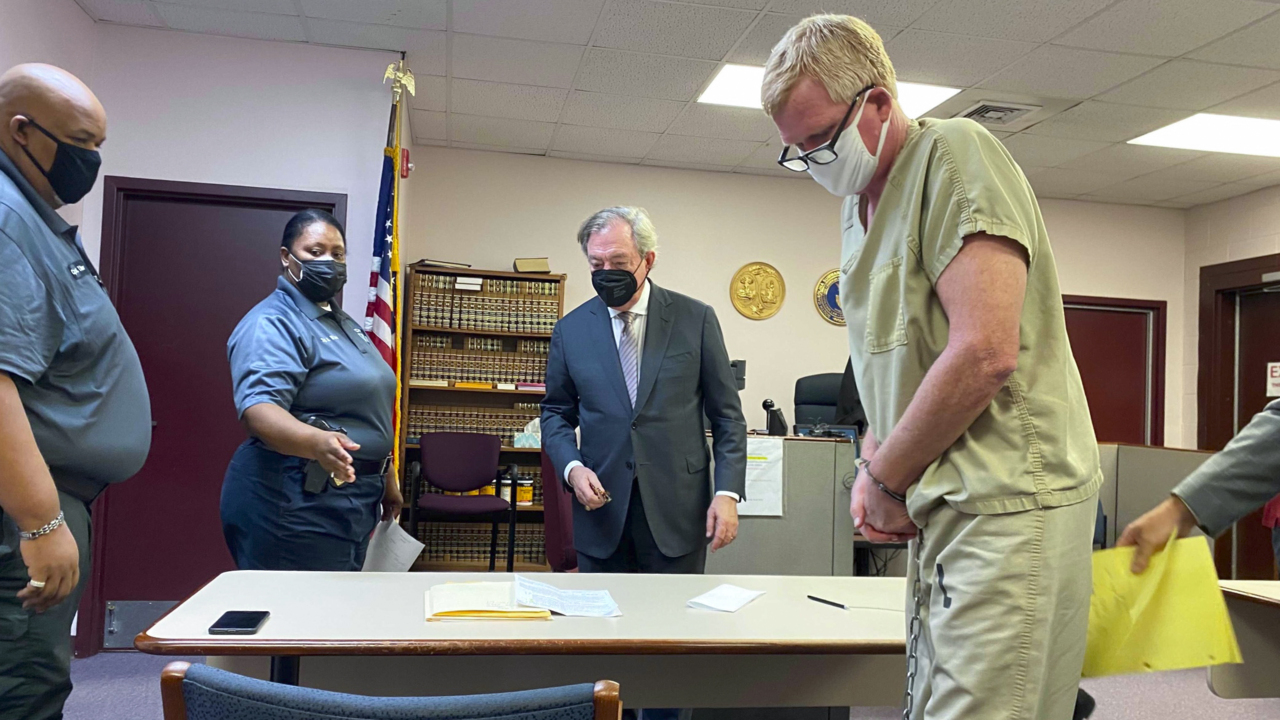
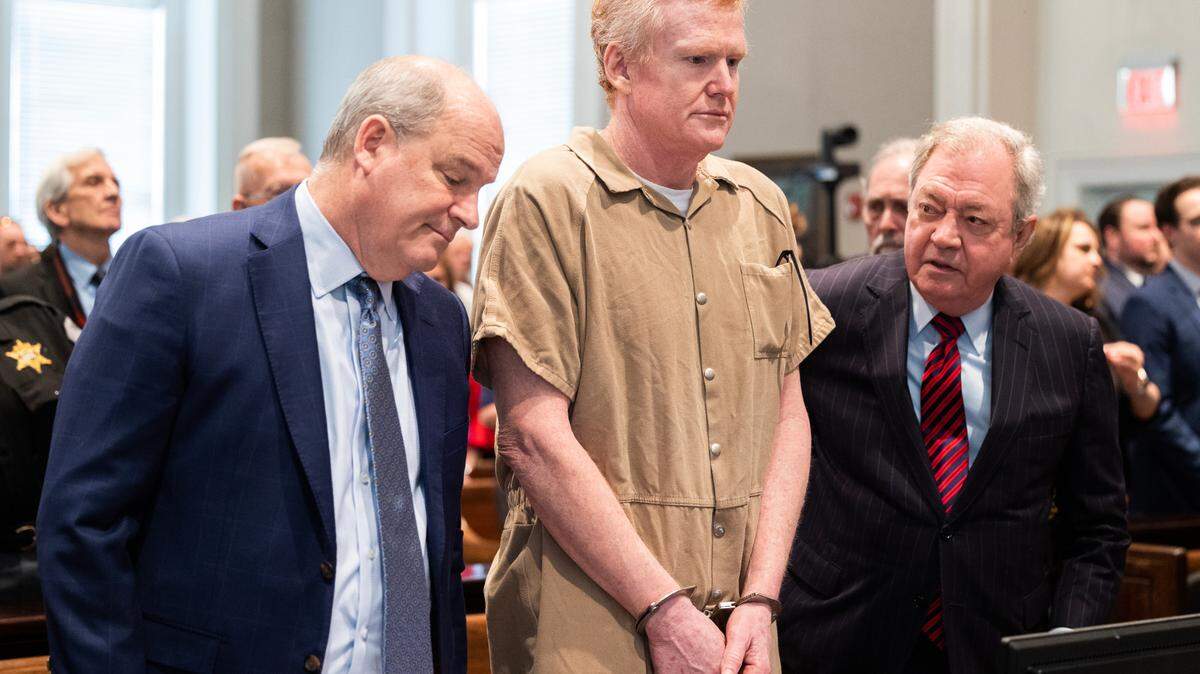
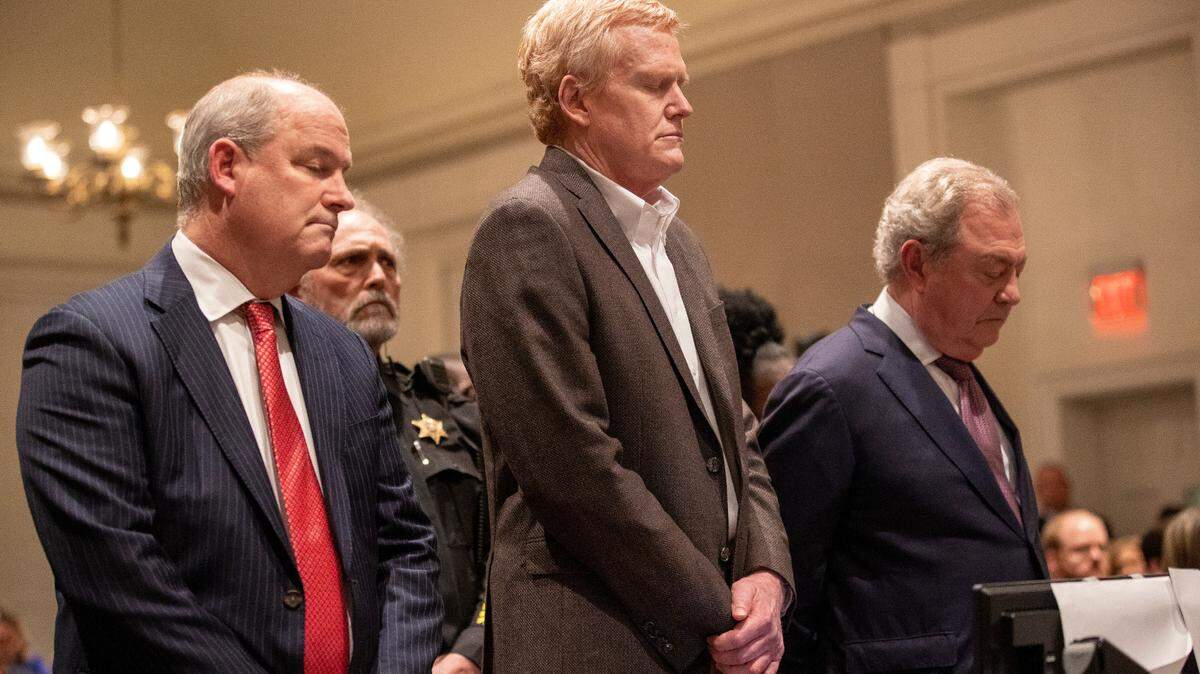
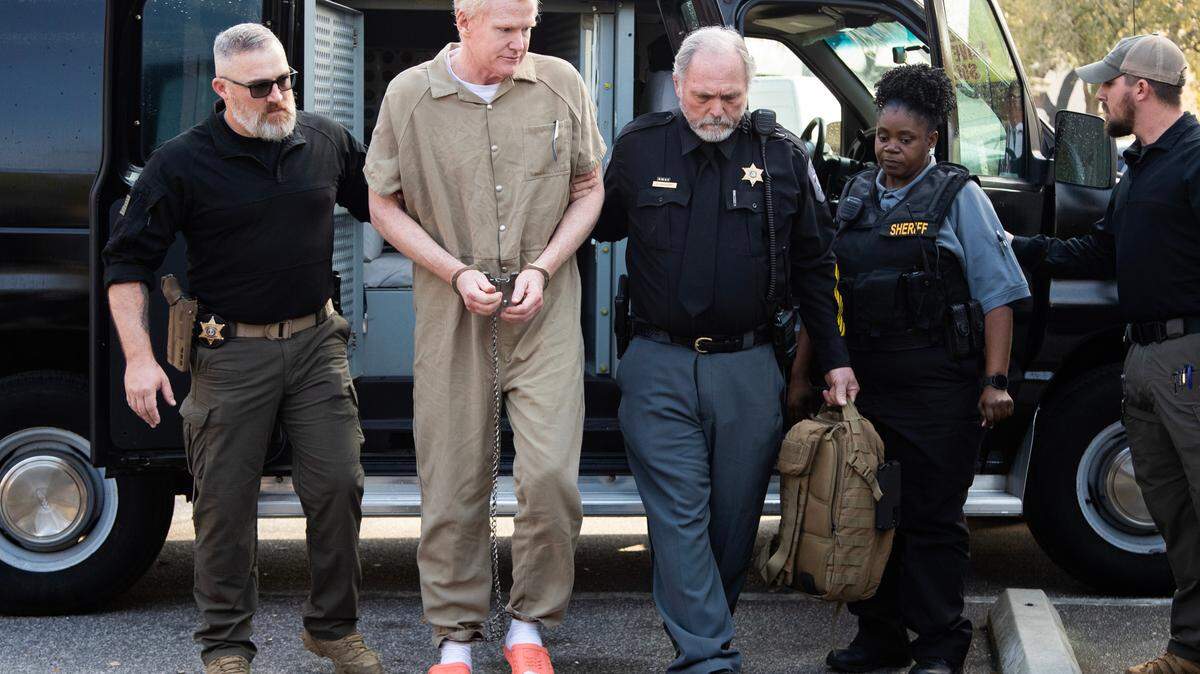
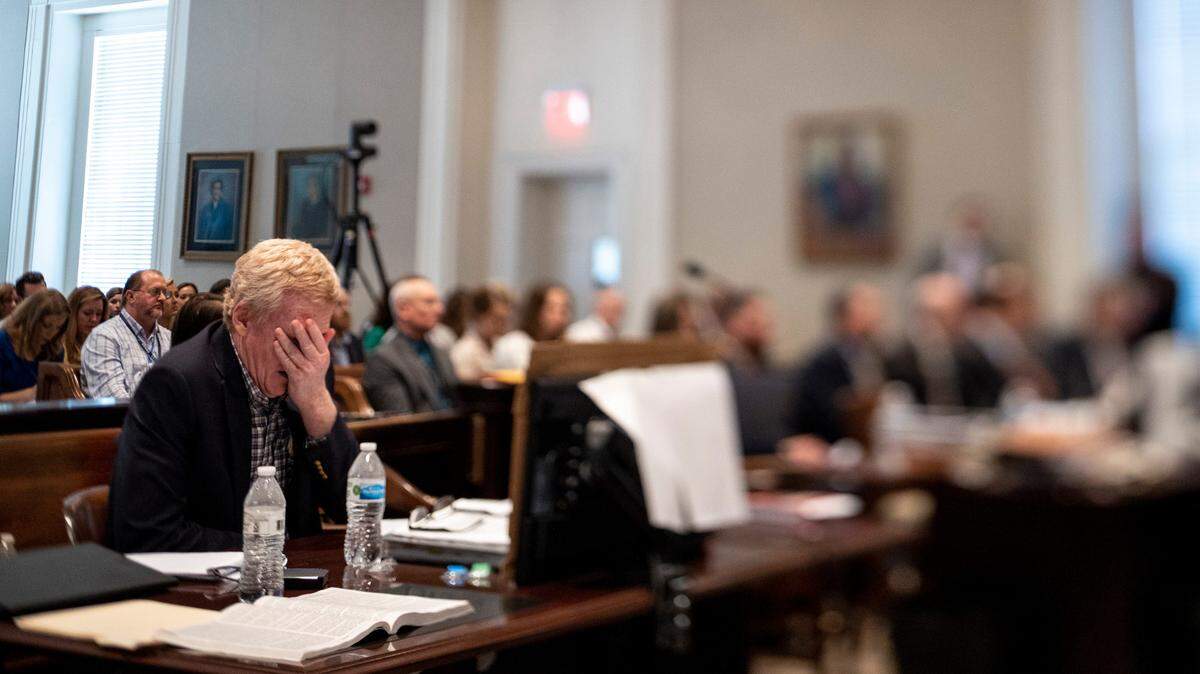
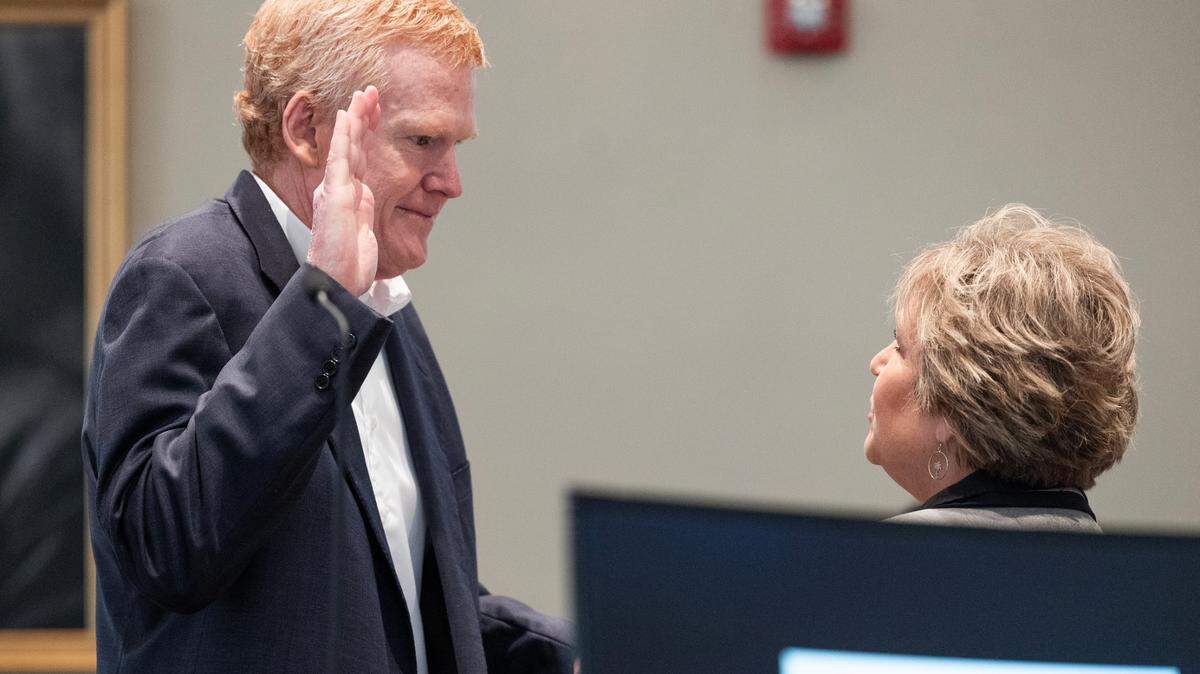
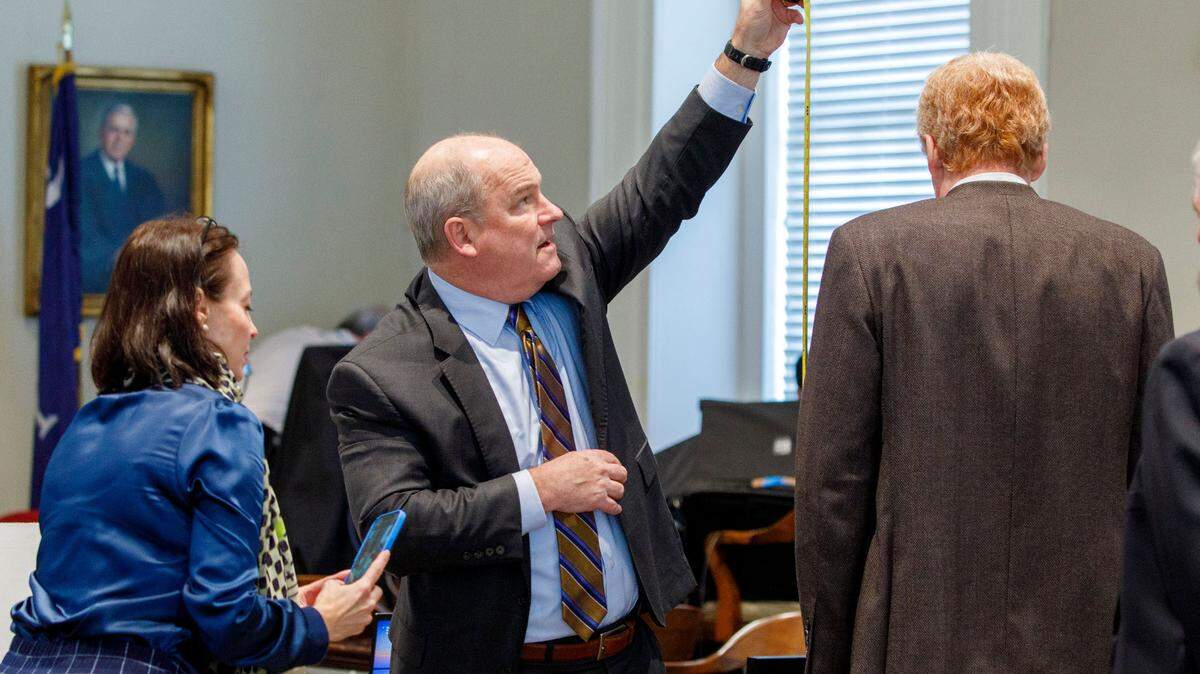
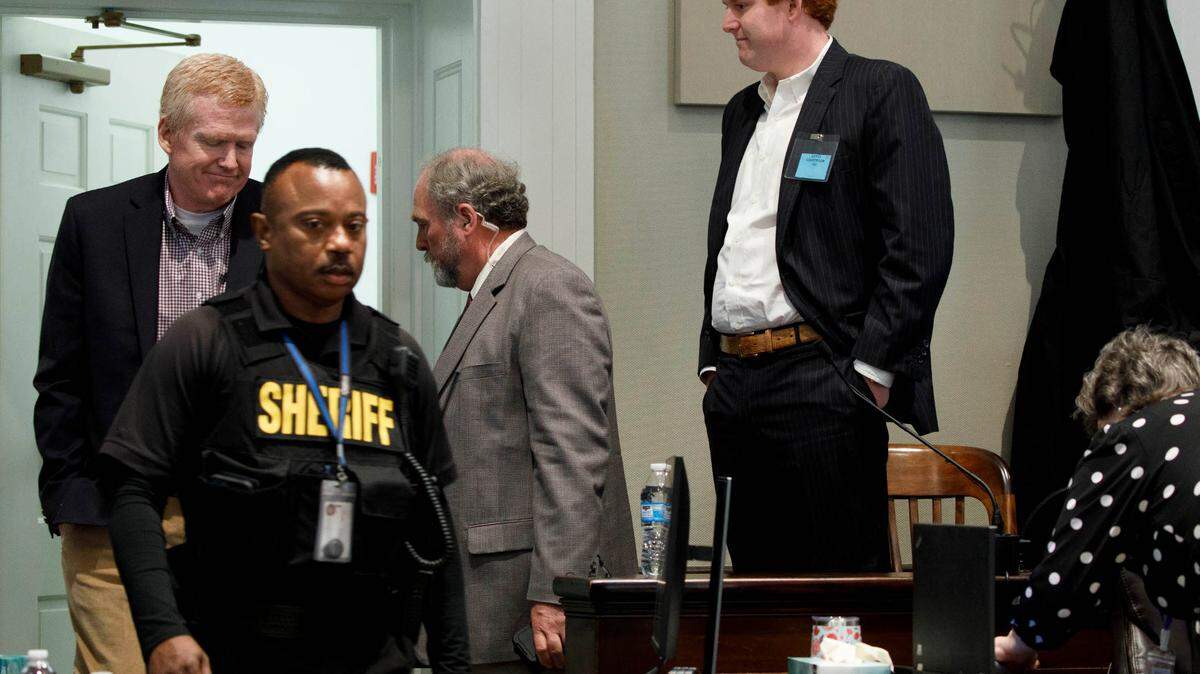
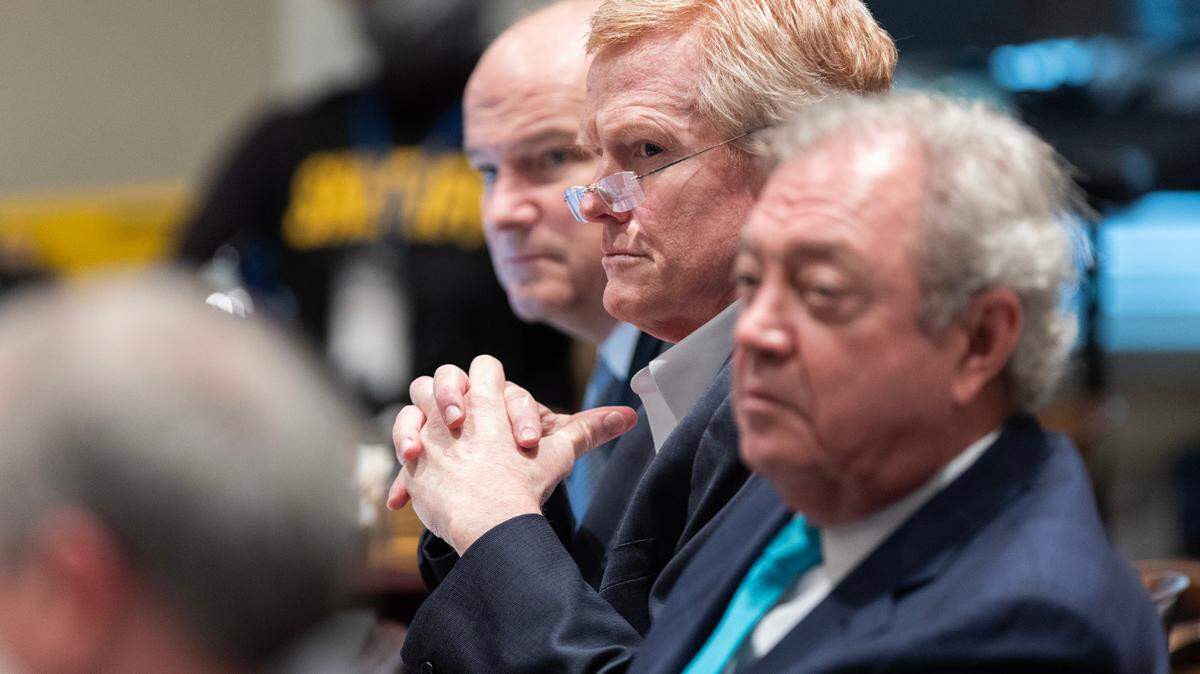
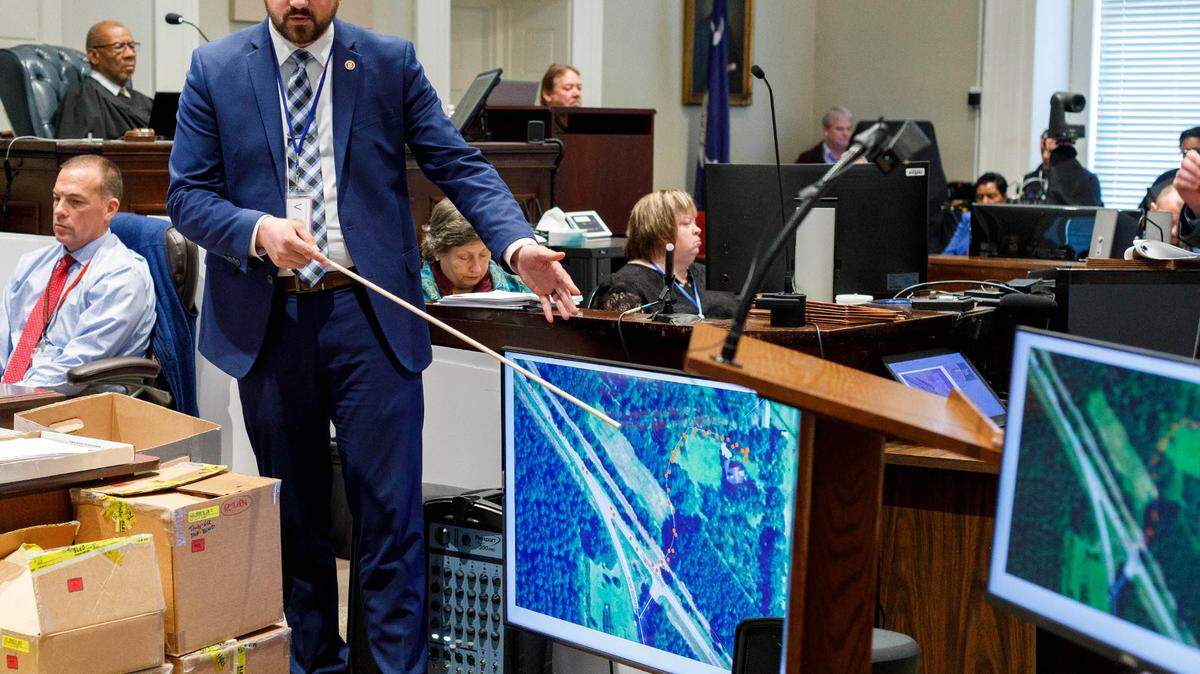
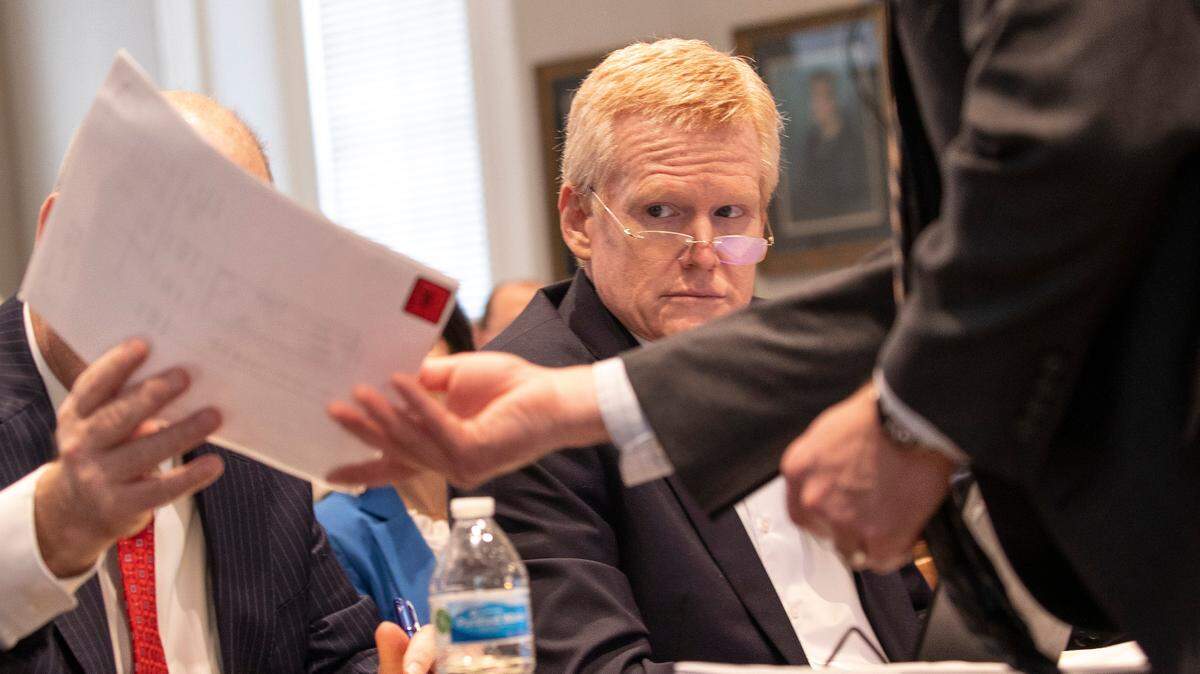
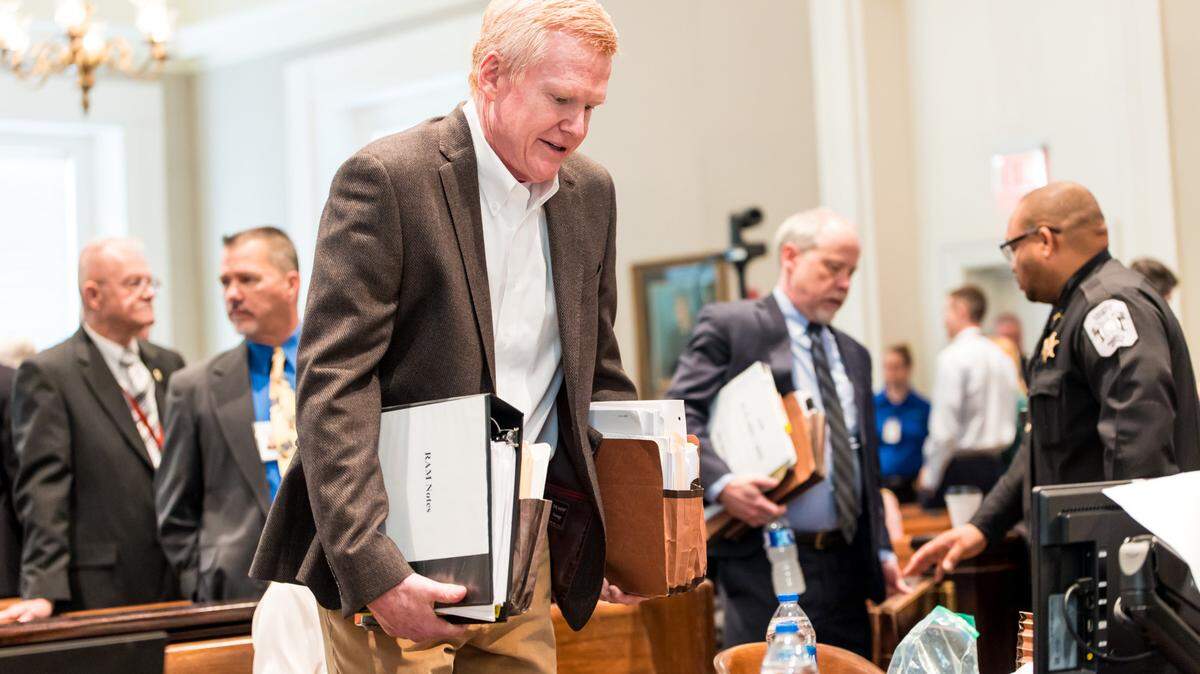
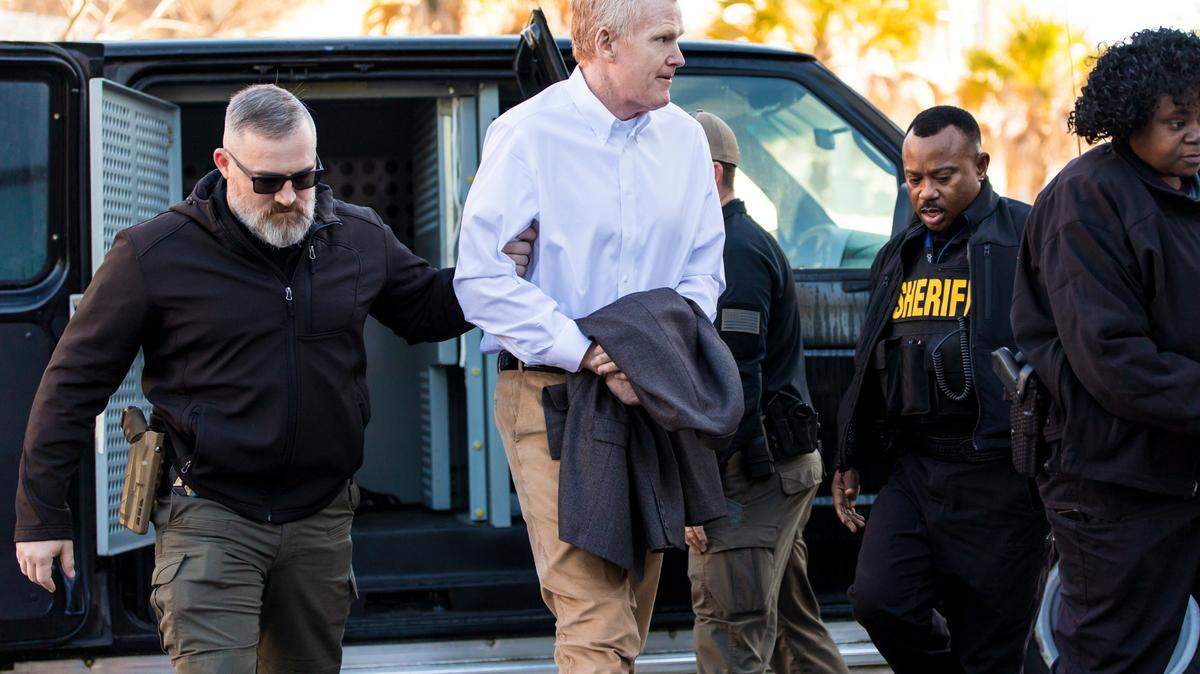
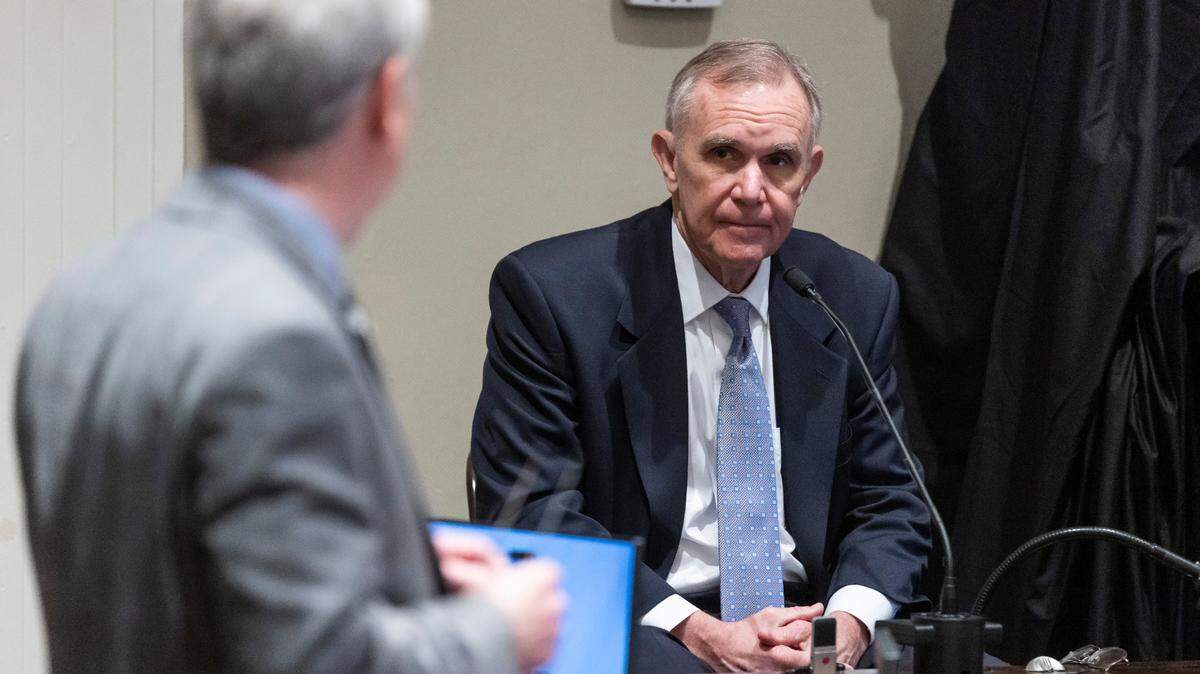
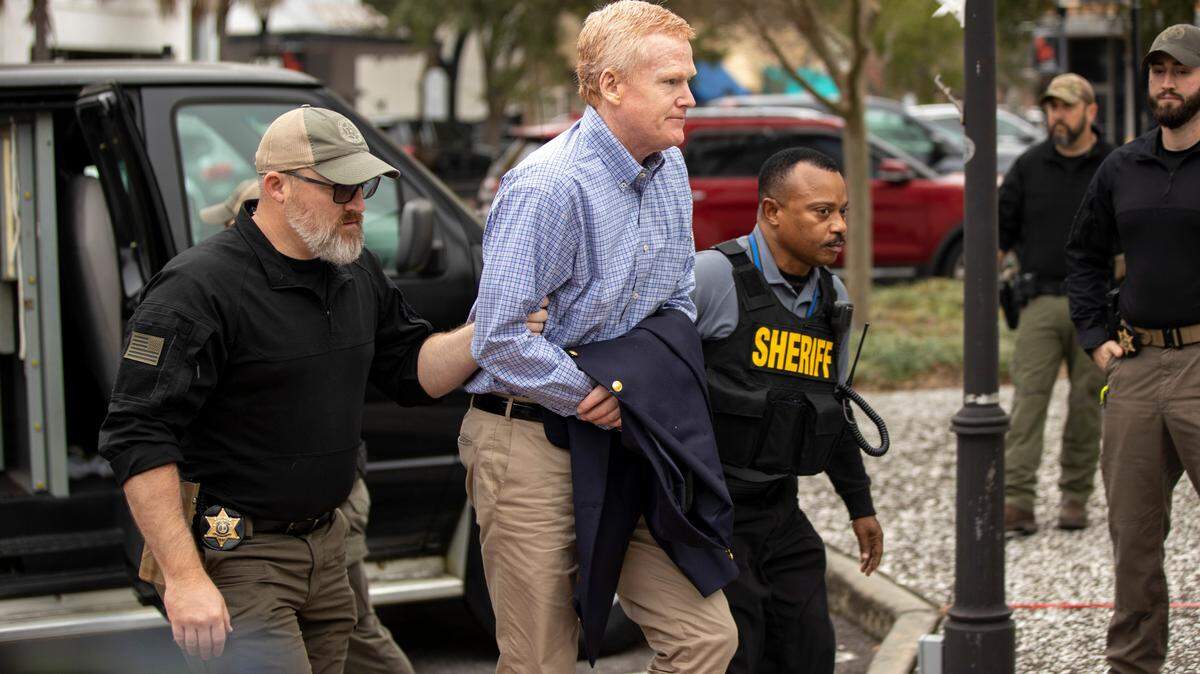
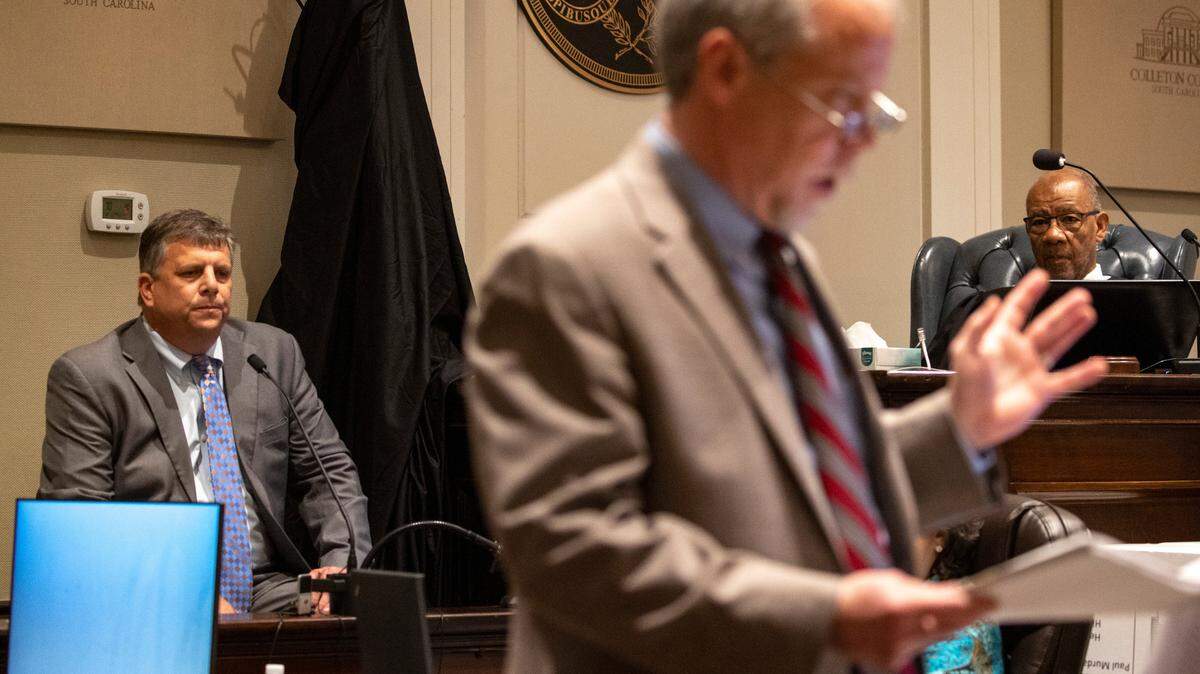
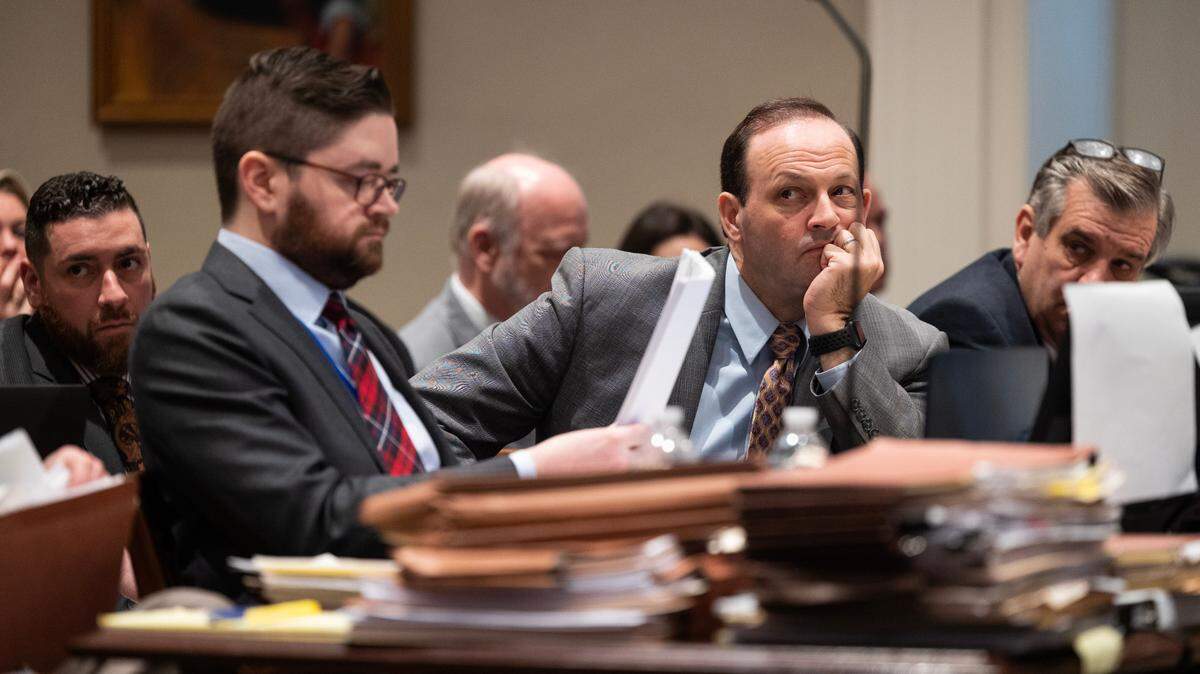
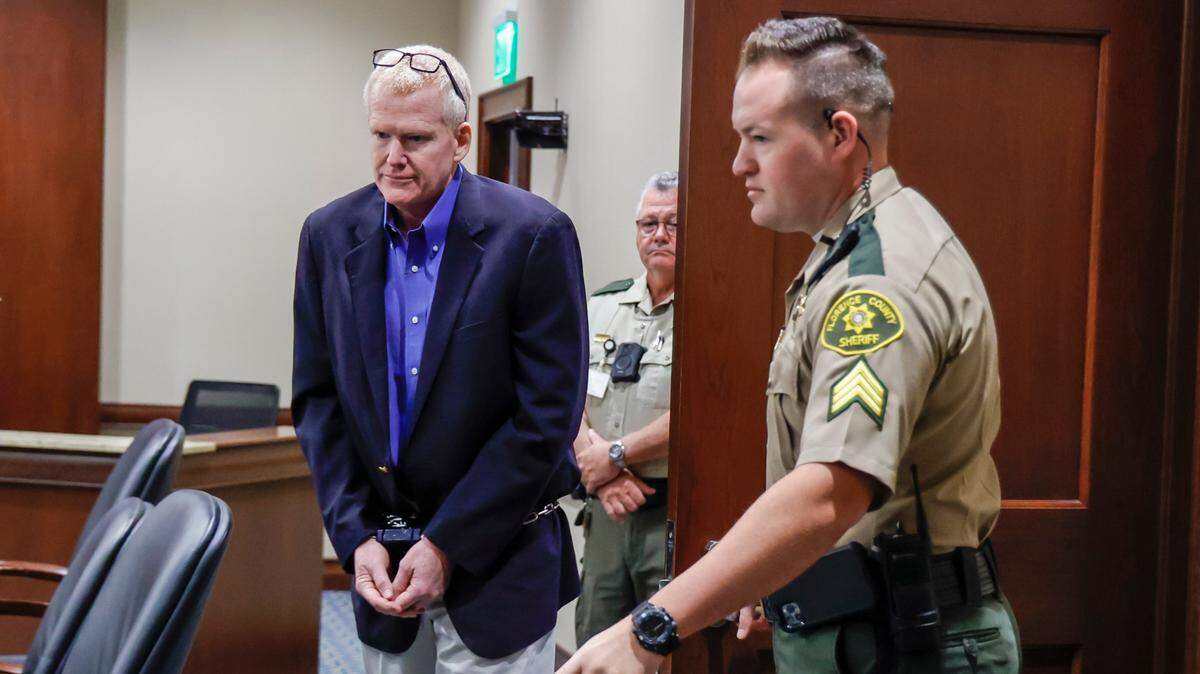
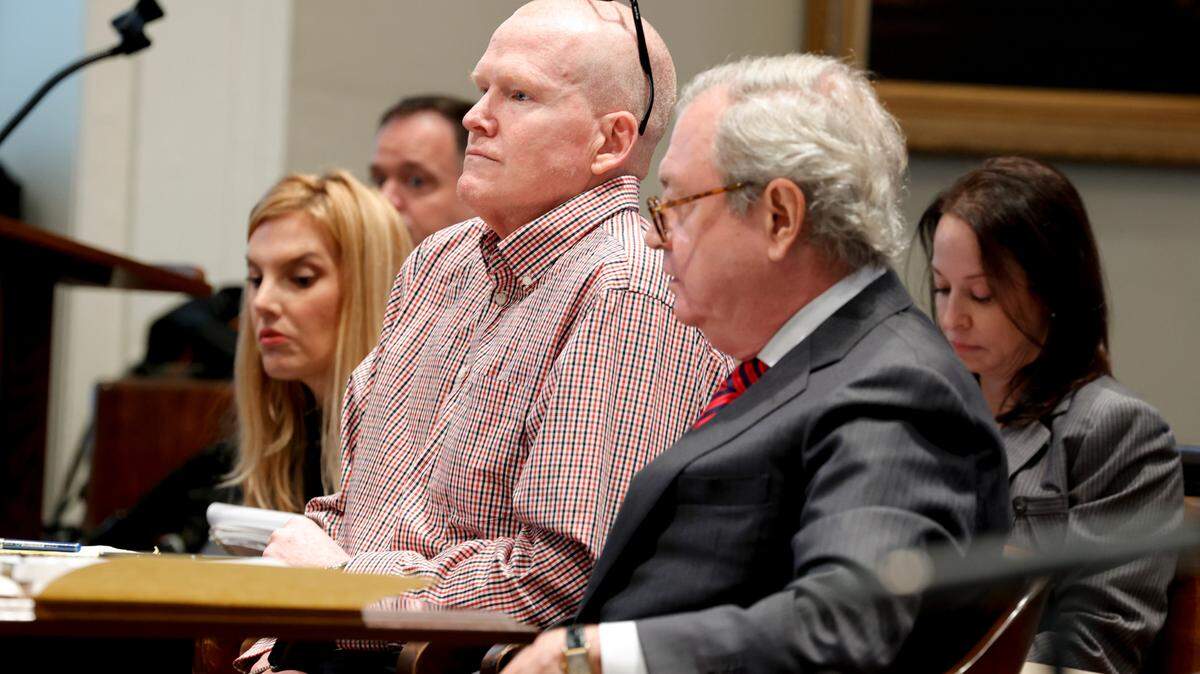
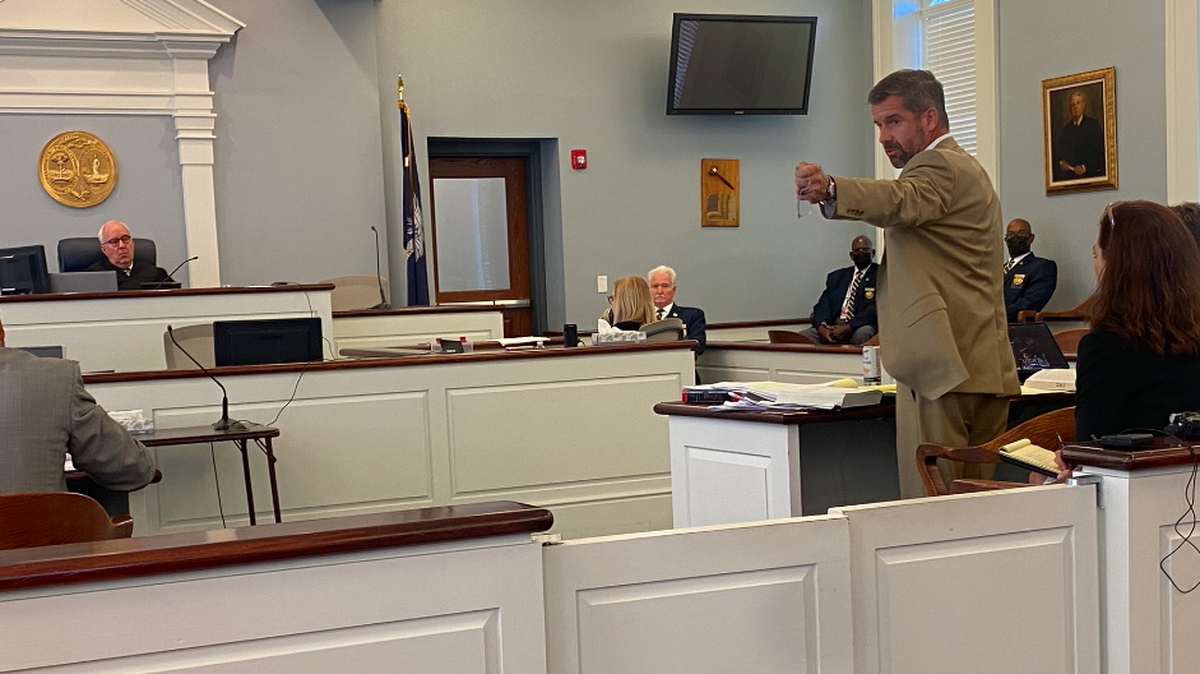
The jury that will decide Alex Murdaugh’s guilt or innocence is on its fourth week of hearing from law enforcement, ballistics experts, people who worked for him and with him and the woman who examined the dead bodies of Murdaugh’s wife and son, who he is charged with killing.
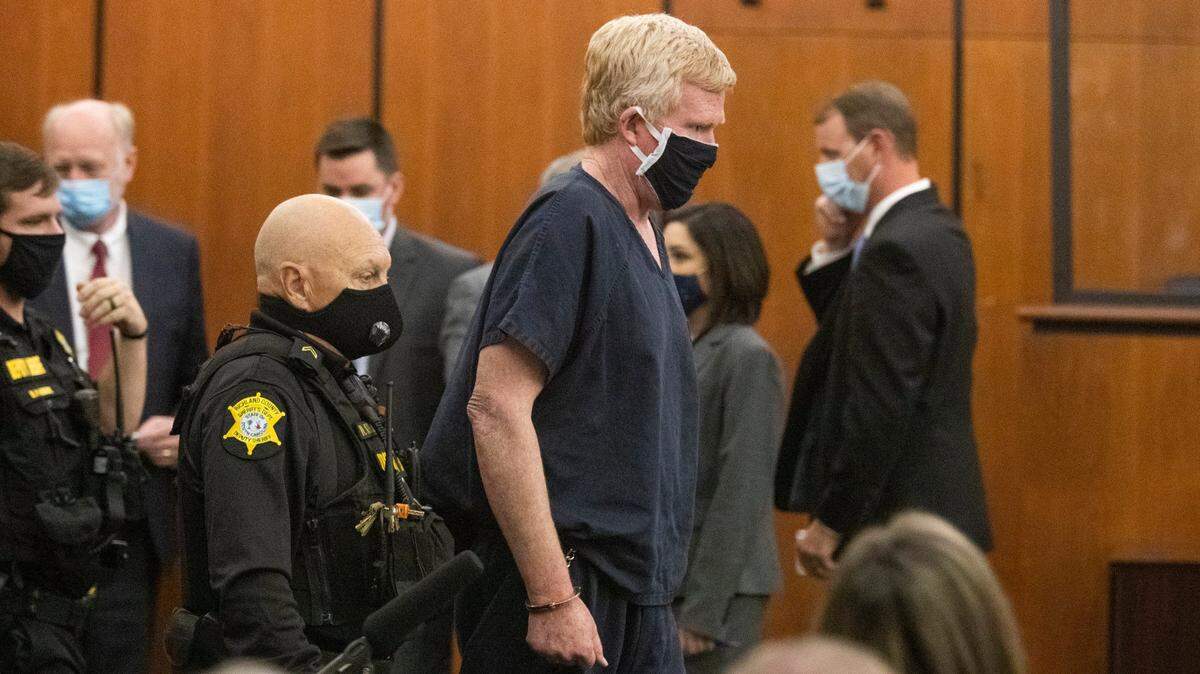
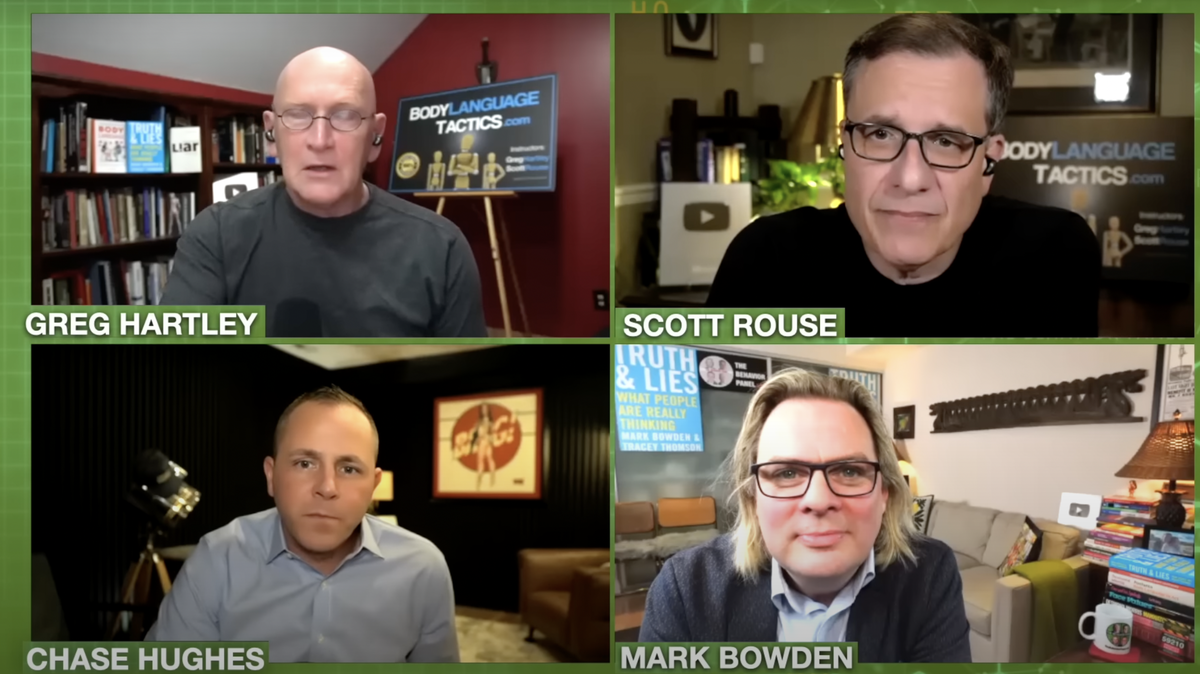
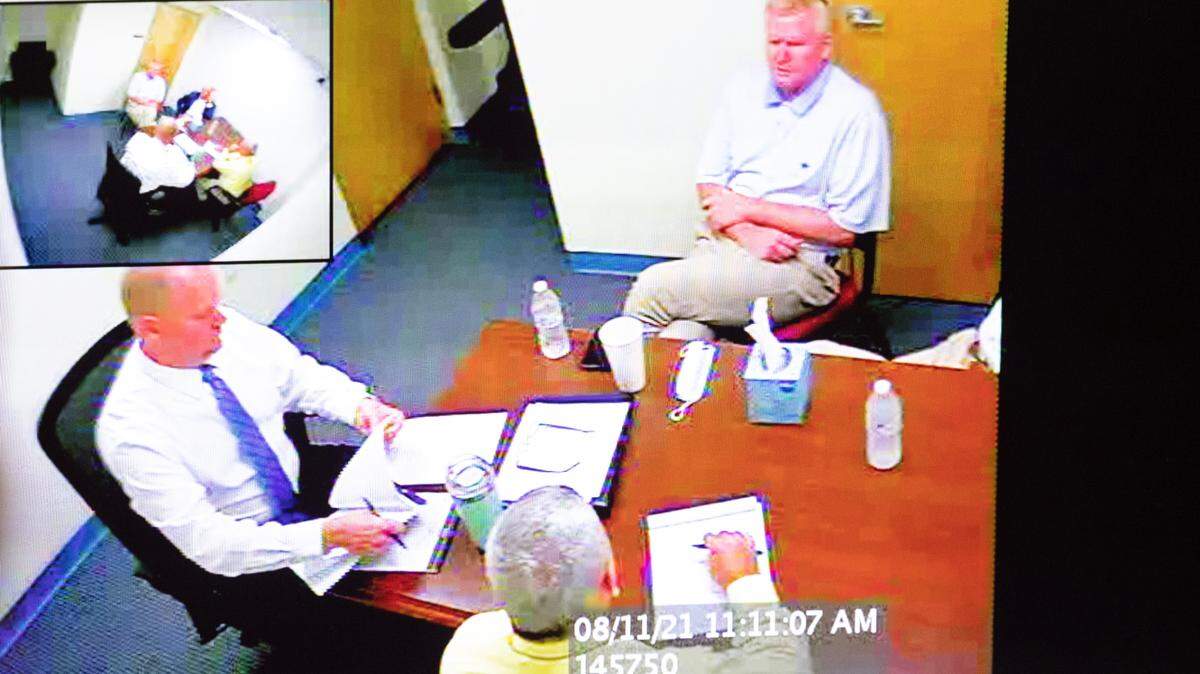
All it took for four behaviorists known collectively as The Behavior Panel was one of the first pieces of evidence prosecutors introduced — a video of the interview with a South Carolina Law Enforcement officer conducted about two hours after Murdaugh called 911 to report he found their bodies.
Guilty. Guilty. Guilty. Guilty.
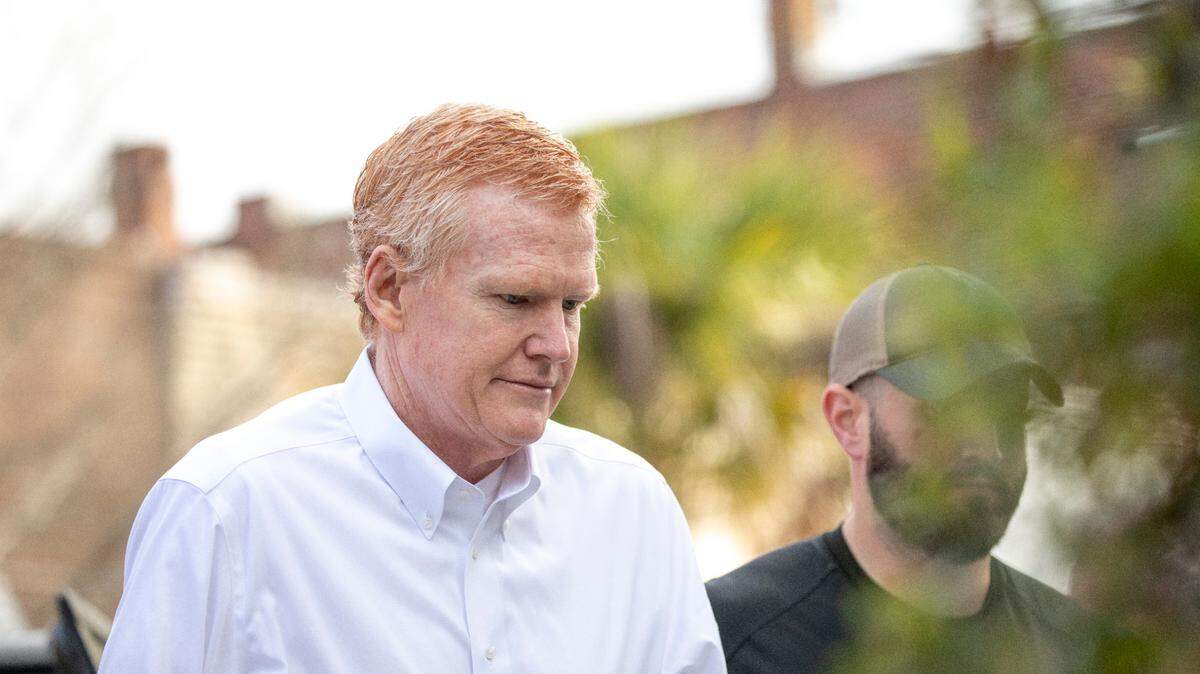
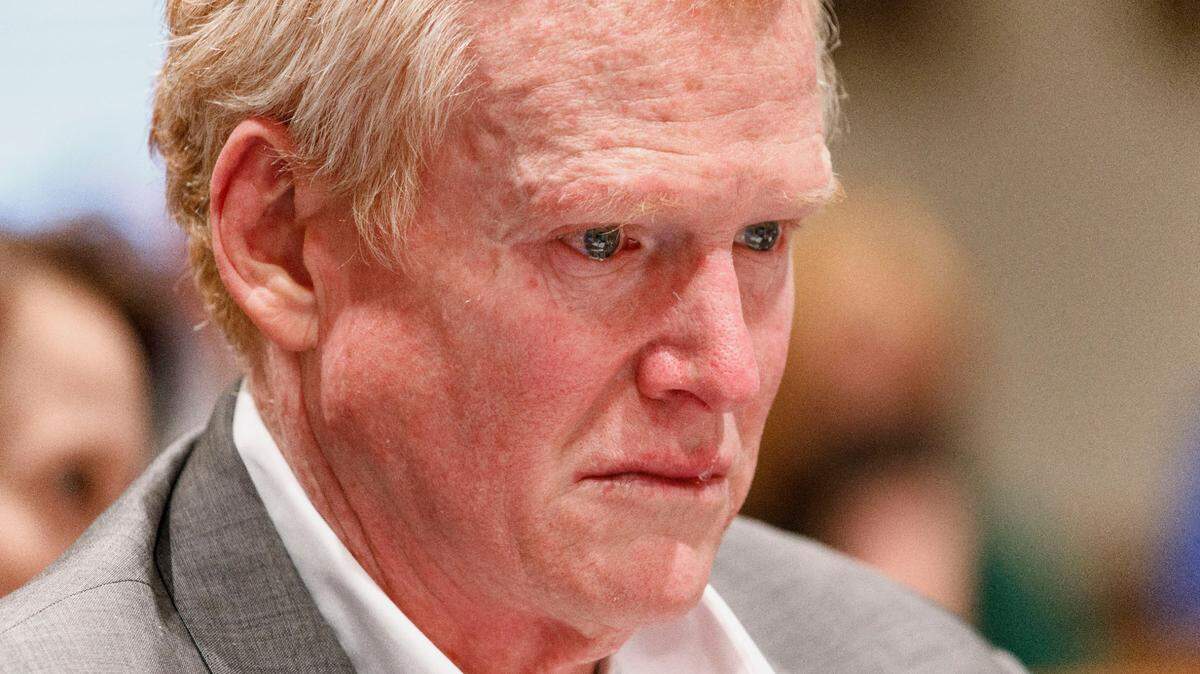
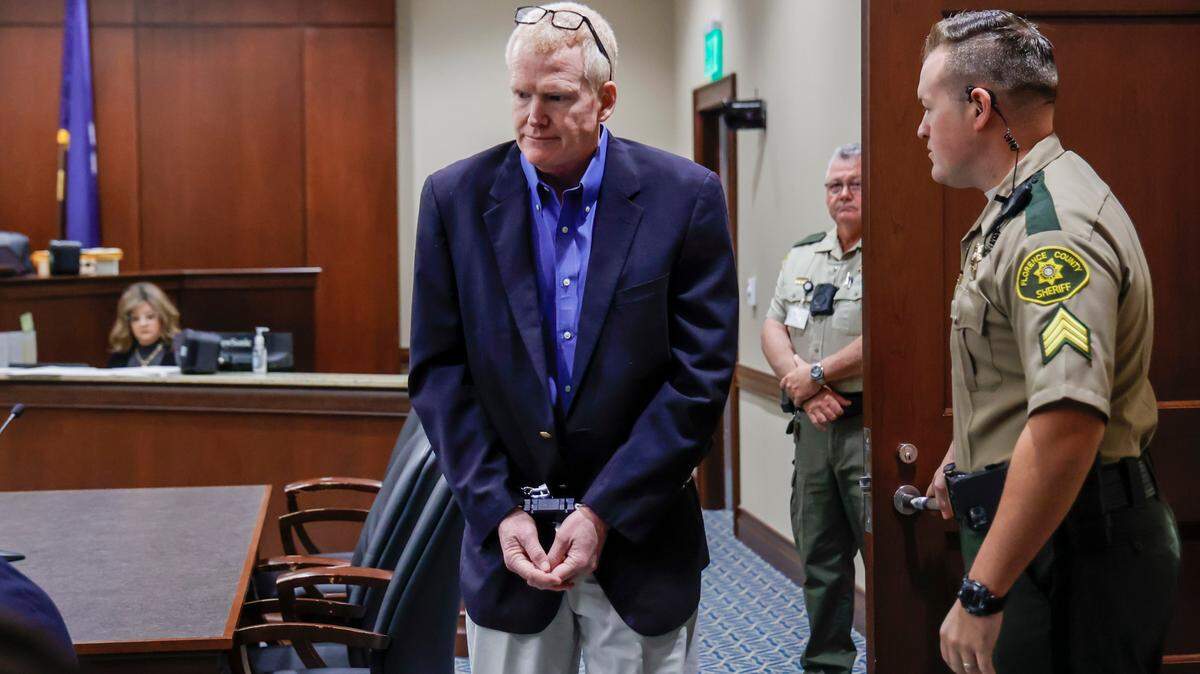
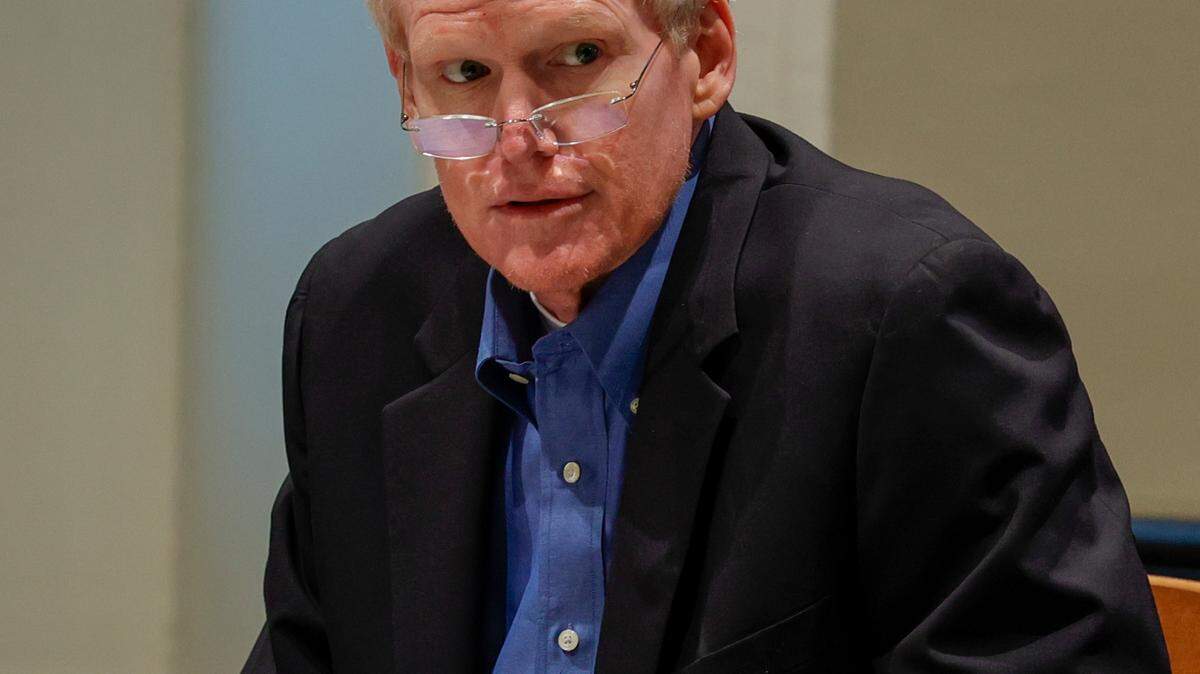
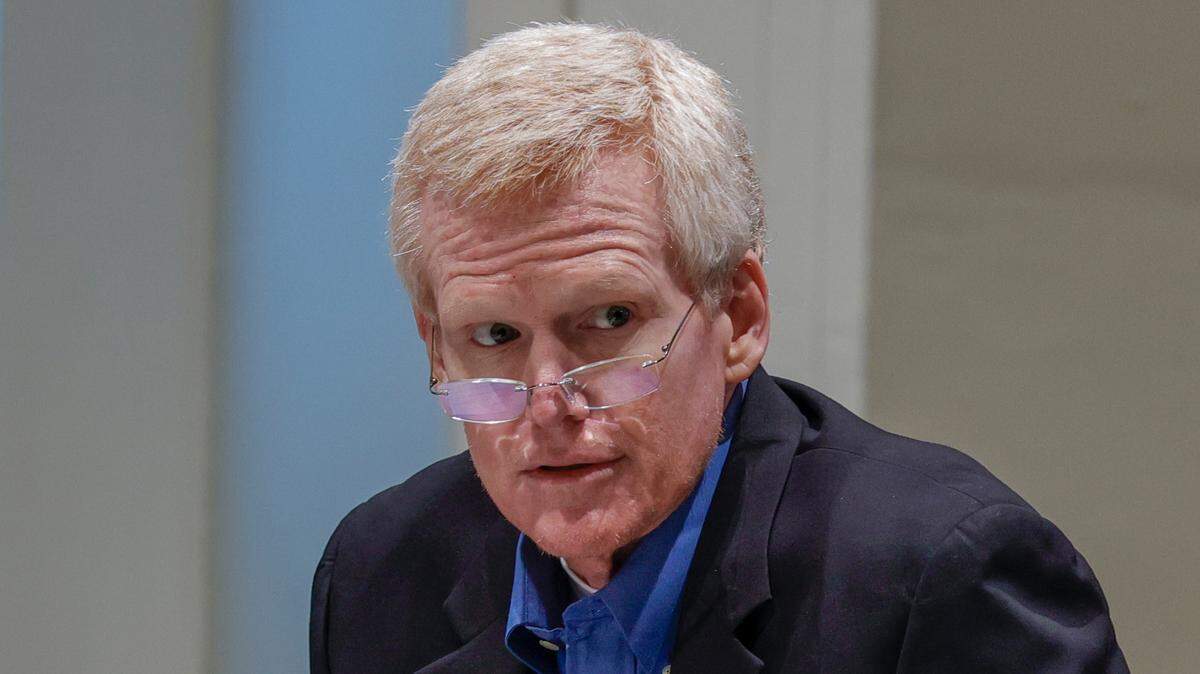
For Scott Rouse, Mark Bowden, Chase Hughes, and Greg Hartley, nothing about Murdaugh’s hour-long interview depicted a man grieving for his wife and son. His body language and behavior showed a man with lots to hide, they said.
Members of the panel have appeared on the Dr. Phil Show to analyze behavior of a man accused of killing his five-week-old son and a teen convicted of killing her mother.
Their YouTube channel takes on such luminaries as Meghan and Harry, Jeffrey Epstein and Patsy Ramsey.
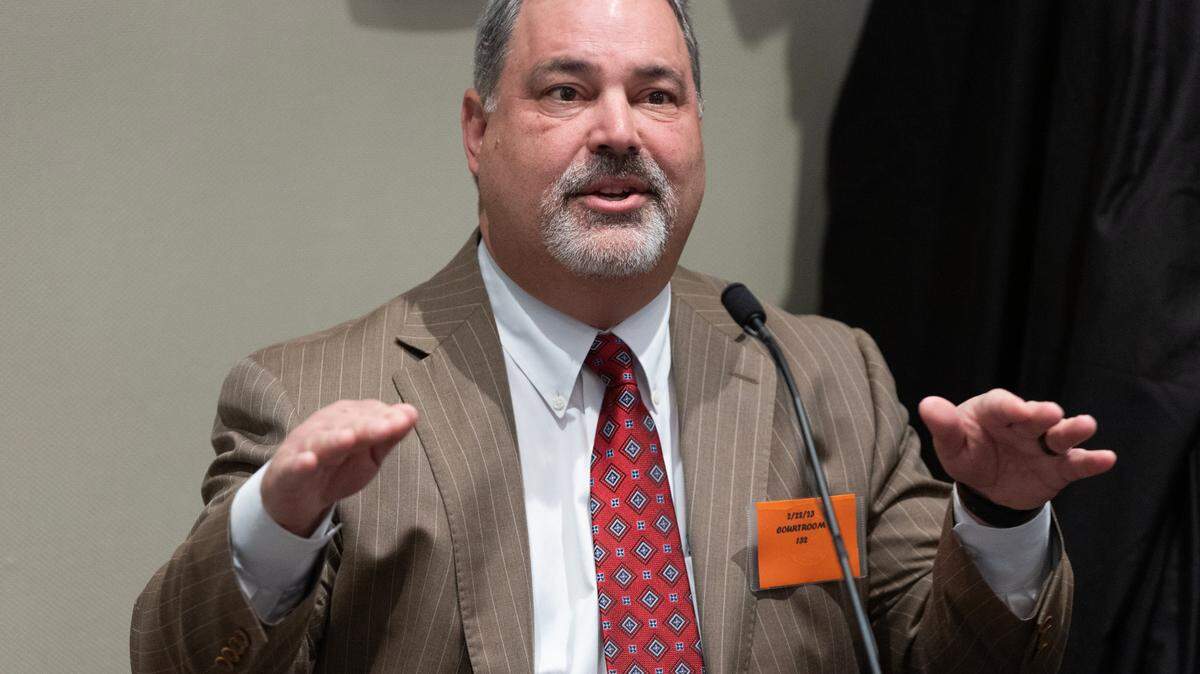
They are Scott Rouse, whose “Body Language Frankenstein” presentations to business leaders and colleges educate and entertain; Mark Bowden, who is credited with pioneering nonverbal analysis of human behavior as it influences and/or persuades; Chase Hughes, who served 20 years in the Navy and teaches interrogation, sales, influence, and persuasion; and Greg Hartley, a former Army interrogator, who teaches not only interrogation but also how to resist it.
They didn’t pull punches.
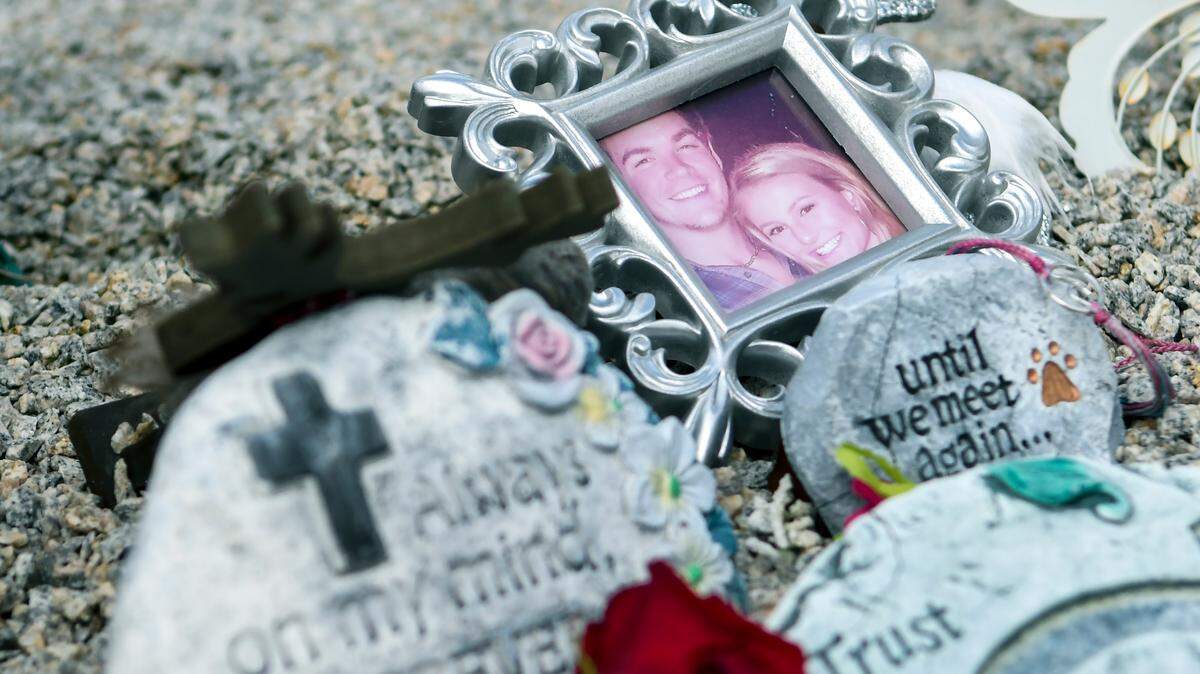
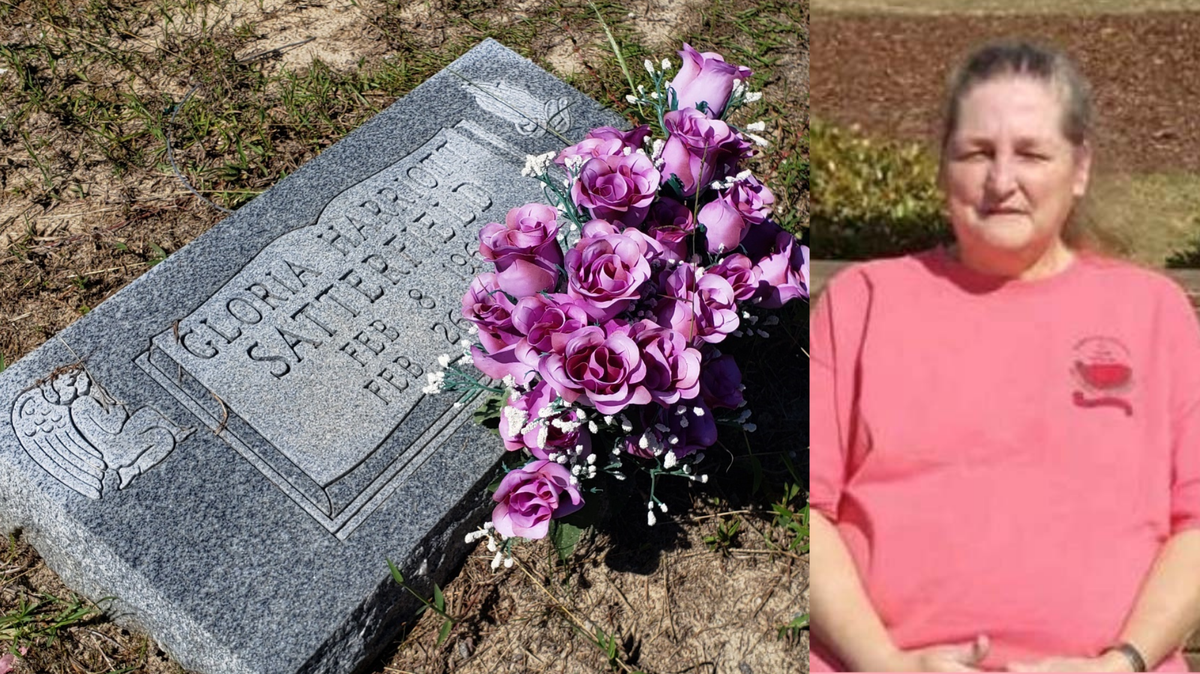
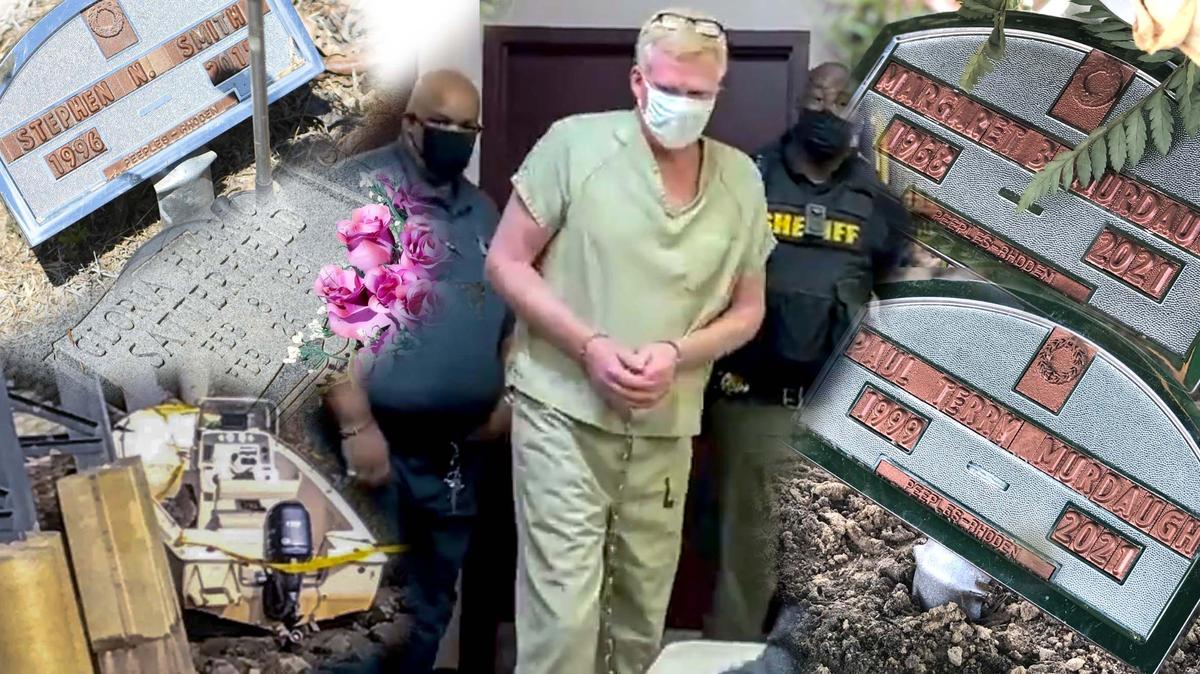
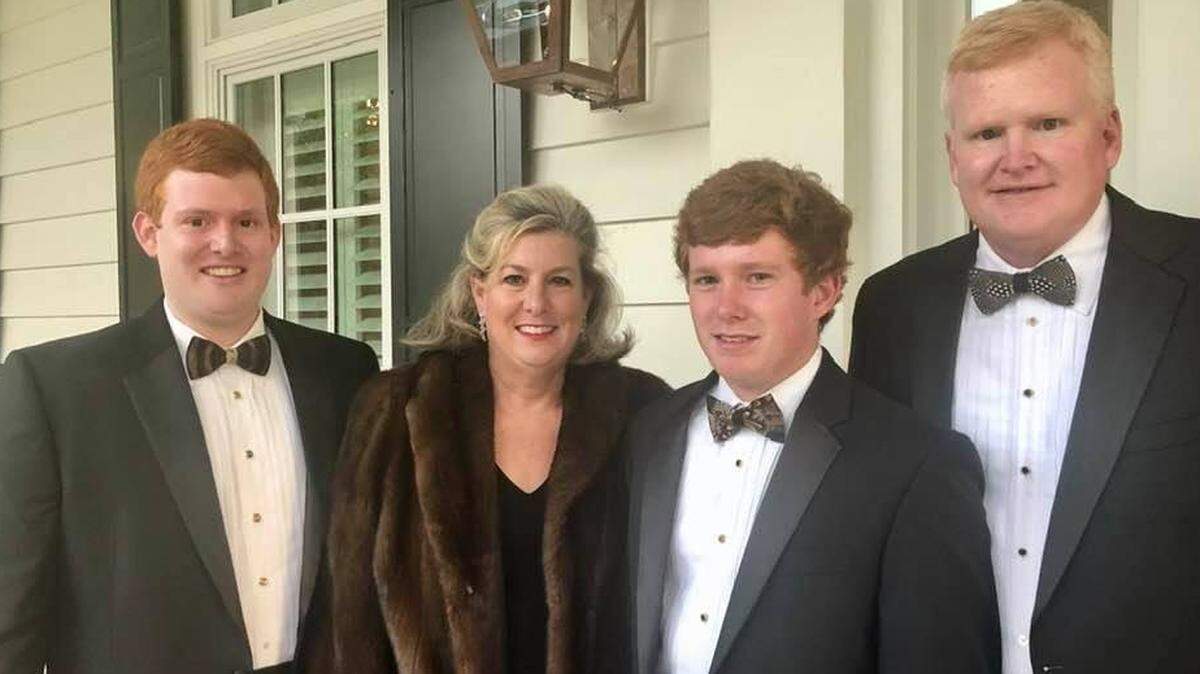
Murdaugh’s wife Maggie and son Paul were found shot to death on the family’s 1,700 acre hunting estate in June 2021.
Hughes said Murdaugh showed “full body fear” in the first 18 seconds of the SLED interview video. Facial muscles don’t show grief. He also pointed out Murdaugh’s shoulder movements and refusal to look at the SLED agent.
He said Murdaugh seemed more like a person trying to sell the SLED agent, rather than tell what happened, as if he had a script.
“It was the most red flags I have ever seen in one individual,” Hughes said.
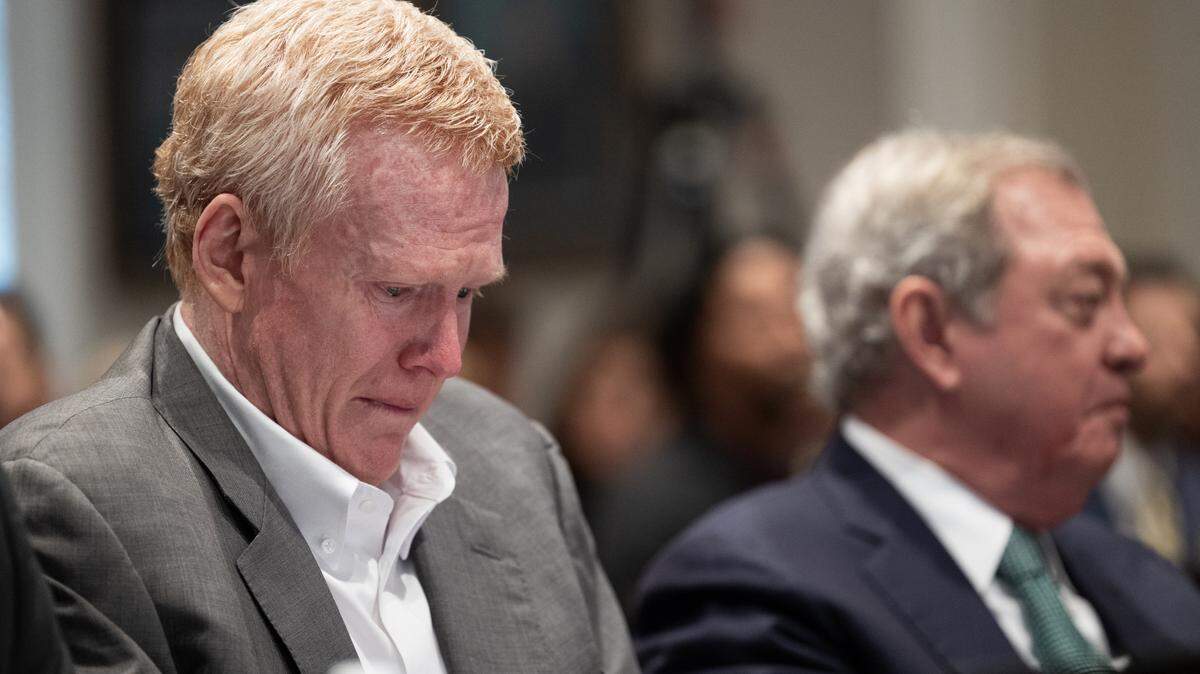
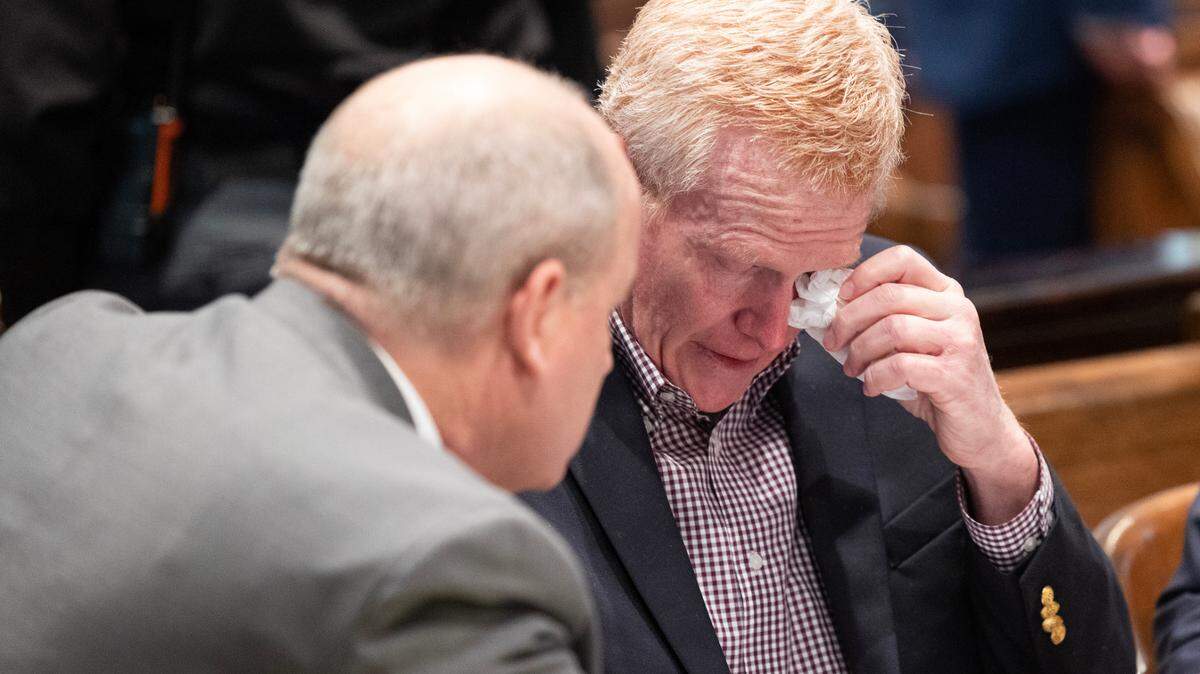
Rouse pointed out that at the beginning of the interview, Murdaugh appears to break down, sobbing. Then the cry face disappears instantly.
“No tears,” he said.
And Murdaugh uses a tissue he is holding as a prop. Not once using it on his eyes.
Bowden said simply, “It’s bonkers.”
He said he noticed Murdaugh wiping his eyes with his hand and then performing a gesture like a chef sprinkling salt on food with his fingers.
“He was checking to see if he had tears,” Bowden said.
Hartley said,”If you stole my bicycle, I’d be more upset than this guy.”
Another red flag for them was that Murdaugh gave way too much detail about things that didn’t matter, such as a story about going to see his mother the night of the murders and her medical diagnosis of Alzheimer’s and another about a new employee who said he was with the CIA investigating the Black Panthers as a teen working from Myrtle Beach to Savannah.
Very little of Murdaugh’s conversation was about the actual murders and nothing about trying to find the killer. He cast aspersions on the employee and on people associated with a boat crash that killed one of Paul Murduagh’s friends. Paul was charged in the 2019 collision and was awaiting trial when he was murdered.
Bowden said Murdaugh basically said about the murders he found the bodies, called 911 and then he praised the 911 operator.
“You’re not giving out medals at that point,” Bowden said and added, there was no need to comment on customer service.
Hughes said people who have just found family members slaughtered do not tell what happened in chronological order, as Murdaugh did. Maggie was shot four or five times with an assault rifle and Paul twice with a shotgun at close range.
People who see such a scene are distraught, crying, jumping from subject to subject and demanding answers. They ask why.
Murdaugh did not.
“He’s storytelling. No sense of urgency. Useless details,” Hughes said.
At one point when Murdaugh was asked whether there was anything around Paul’s body, Murdaugh said without emotion, “body things,” referring to Paul’s brain, which had been blown out of his head and was lying on the ground beside him.
“He’s not doing anything normal humans would do describing a scene,” Rouse said.
This story was originally published February 15, 2023 at 5:30 AM with the headline "Does body language of Murdaugh reveal guilt, lack of grief? Here’s what behaviorists say."




































































_fitted.png)