York County raising fees on Fort Mill homes. How it could affect your next house
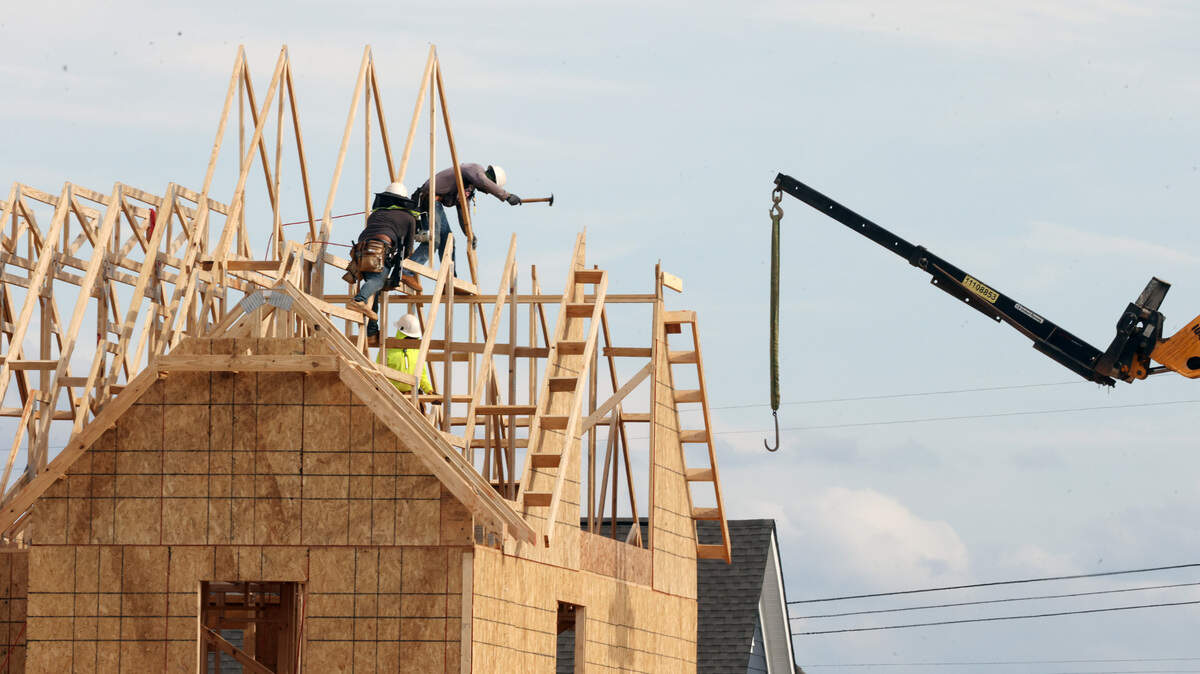
Builders will pay up to $30,000 in fees for new Fort Mill homes as the town’s public school system braces for future growth.
Those costs will likely translate to higher sale prices for homeowners.
A split York County Council voted 4-3 on Monday to implement the increase in school impact fees, which will take effect July 1 for future residential buildings inside Fort Mill School District’s boundaries. Supporters said it will allow transplants to pay for the growth they are part of while critical council members said the amount was too high.
Here’s what these fees mean for Fort Mill residents.
Mortgages will likely increase under new Fort Mill impact fee
School impact fees are a charge on new construction that builders pay when they receive permits. The money helps offset costs associated with growth — and the strain on public services — that come with new developments.
The last time York County increased impact fees was in 2018, when council approved $18,000 per home and $12,000 per apartment. Those fees have generated $73 million, according to county council.
Current impact fees expire on June 30, so the district applied for a higher amount it projects will help maintain the same level of service for facilities and programs amid increased enrollment.
The maximum amounts for impact fees are now set at $29,640 per new home and $20,796 per new apartment. Actual cost varies per development.
A study commissioned by the school district found that, under the maximum allowed fee, a homeowner’s monthly mortgage payment would increase between $117 and $218 per month, depending on the interest rate.
Home values in the Fort Mill School District are already some of the highest in the Charlotte metropolitan area. Median home sales prices were $493,000 in Fort Mill and $495,000 in Tega Cay last year, according to Canopy Realtor Association. The county-wide median was about $394,900.
Existing homeowners won’t be impacted
Only new developments will be subject to these higher one-time charges. Residents who already purchased their houses are exempt.
The ordinance says the district could rely on school bond measures to address growth issues, which would allow residents to vote on whether they want to pay higher property taxes to finance capital projects. But, the law says, that would put the financial burden on existing residents “who have already paid for the public education facilities needed to serve them.”
Impact fees instead generate funds through new home builders, like families moving into the district for the first time who haven’t yet paid into the school facilities their children will use in the future.
Councilmen Tommy Adkins and Bump Roddey, who joined chairwoman Christi Cox in voting against the ordinance, said they wished the fees exempted lifelong residents wanting to build in the area they already live.
The ordinance makes no such provision.
“A lot of people in this county are generational families. We didn’t come in here and build 500-house subdivisions and pile up elbow to elbow,” Adkins said.
Higher fee will help Fort Mill schools
Impact fees won’t pay for existing deficiencies or deferred maintenance projects. Instead, they can fund new facilities, buses or land for expansion so the district can keep pace with its growing student population base.
The school district projects its enrollment will increase by more than 5,200 students by 2035. By 2045, that number will be nearly 12,500 higher.
Current enrollment is at 18,430.
Four schools are already under an enrollment freeze because programming is at or near capacity, district spokesperson Joe Burke said.
The district plans to construct 215,000 square feet of high school facilities in the next decade to increase capacity by 1,600 students. Impact fees will also help finance the construction of new middle and elementary schools.
Those five facility growth-related projects will cost an estimated $396 million.
This story was originally published April 8, 2025 at 6:00 AM.
CORRECTION: A previous version of this story cited an outdated enrollment number and misstated the funding source for an elementary school construction project.