
Ship that exploded in 1748 attack on NC town may have been found, officials say
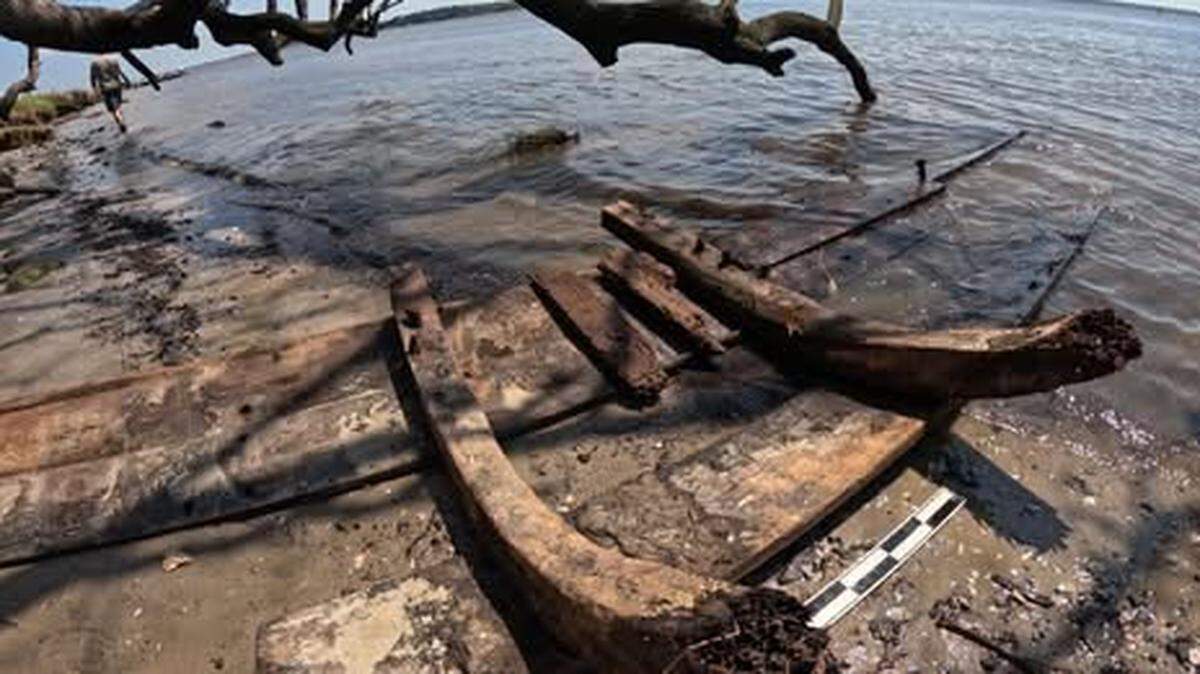
A Spanish warship that famously blew up and sank as it fired cannons at a North Carolina port town may have been located after 277 years, according to archaeologists.
The suspected La Fortuna was discovered by a team of archaeologists surveying the historic waterfront at Brunswick Town in May and June, East Carolina University’s Program of Maritime Studies reported in an Aug. 4 news release.
La Fortuna, Spanish privateer from Cuba, is now an unrecognizable pile of timber, a photo shows.
But specialized tests revealed that pile was made up of either Monterey cypress or Mexican cypress, a detail that brought the wreck’s identity into focus.
“The historical range of this wood species is limited to southern California and Central America, respectively, which suggests that shipbuilders incorporated raw materials from Spanish Caribbean colonies in the 18th century,” officials said.
“As the only historically reported shipwreck of Spanish origin in the area, the remains may be those of La Fortuna. This wreck lies in proximity to where an 18th-century cannon thought to be from La Fortuna was recovered in 1985.”
More than 40 pieces of timber were collected as part of an “emergency recovery” to save the ship’s remains from advancing erosion and other threats, officials said.
“Although the site itself had broken apart, individual shipwreck timbers demonstrated a remarkable degree of preservation with some containing tool markings left by the historic shipwright,” the university said.
“All shipwreck timbers were transferred safely to the N.C. Office of State Archaeology’s Queen Anne’s Revenge Conservation Laboratory at ECU’s West Research Campus in Greenville for storage and eventual conservation treatment.”
The effort to confirm the identity of the ship is ongoing, including a plan to reconstruct the collected timbers, officials said.
“If confirmed, the discovery of La Fortuna would represent a tangible link to an under-emphasized but incredibly interesting chapter in American history — the War of Jenkin’s Ear (1739-1744) and King George’s War (1744-1748),” according to Jeremy Borrelli, a co-leader on the survey project.
“People don’t often know about these conflicts since the North American theater was characterized primarily by the open seas capture of British merchant shipping across the eastern seaboard by Spanish and French privateers, like La Fortuna.”
La Fortuna’s fate
La Fortuna is part of a lesser-known chapter in North Carolina’s history, involving the Spanish attacks on British colonists and shipping.
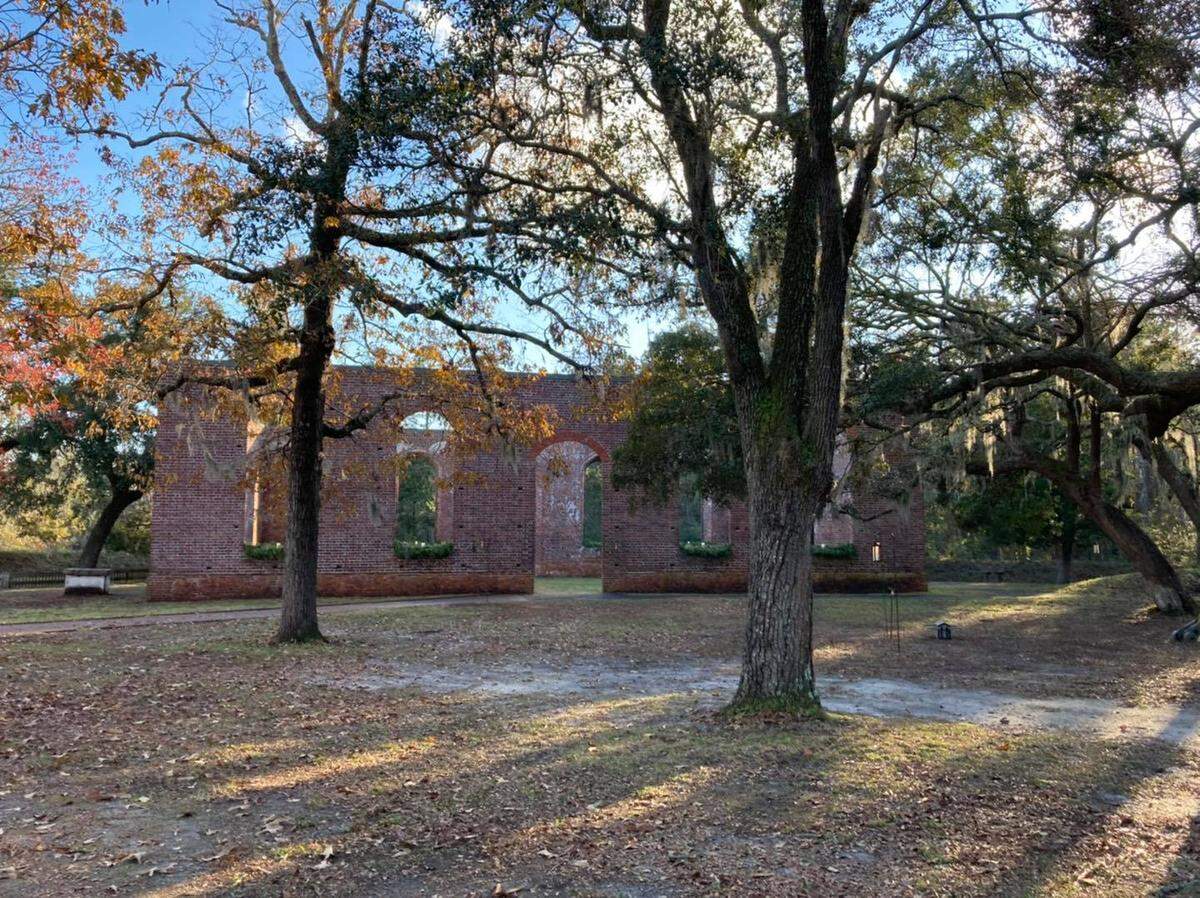
Privately owned Spanish warships preyed on British ships off the coast in the early 1740s, leading to Spaniards landing at Brunswick and taking the town on Sept. 3, 1748, during what is known as King George’s War, the N.C. Department of Cultural Resources says.
“The next day local militia led by Captain William Dry attacked the Spaniards, who fled to the safety of the Fortuna,” the department says.
“In the chaos of the battle, the Fortuna opened fire with her cannons, and then (likely as a result of a fire in the powder magazine) ‘took fire and blew up.’”
The captain, his officers and most of the crew were killed, historians say.
Booty recovered from the wreck helped finance construction of St. Phillips Church in Brunswick and St. James Church in Wilmington, officials say.
Four wrecks found
The wreck is among four shipwrecks found by the team this summer along the shoreline at Brunswick, ECU says.
All are “incredibly well-preserved” in the Cape Fear River, according to team leader Jason Raupp, assistant professor in the Department of History and maritime studies.
Visibility in the river is low, but closer inspection of the wrecks gave historians details that are helping create back stories.
“Preliminary analysis suggests that one was likely used for land reclamation at the waterfront based on its positioning immediately next to a colonial wharf site,” the maritime program says.
“Another is a potential colonial flatboat — a watercraft historically used to transport people and goods between the port and nearby plantations. The fourth was barely exposed and its remains are still unidentified.”
The team also found “colonial port infrastructure,” including two timber-crib wharves and a causeway that once led over a nearby marsh, officials said.
All the discoveries face significant threat from shoreline erosion, larger storms and channel dredging, Raupp said.
This story was originally published August 5, 2025 at 2:30 PM with the headline "Ship that exploded in 1748 attack on NC town may have been found, officials say."