How is the Great Wall of China still standing? A ‘living skin’ is helping, study says
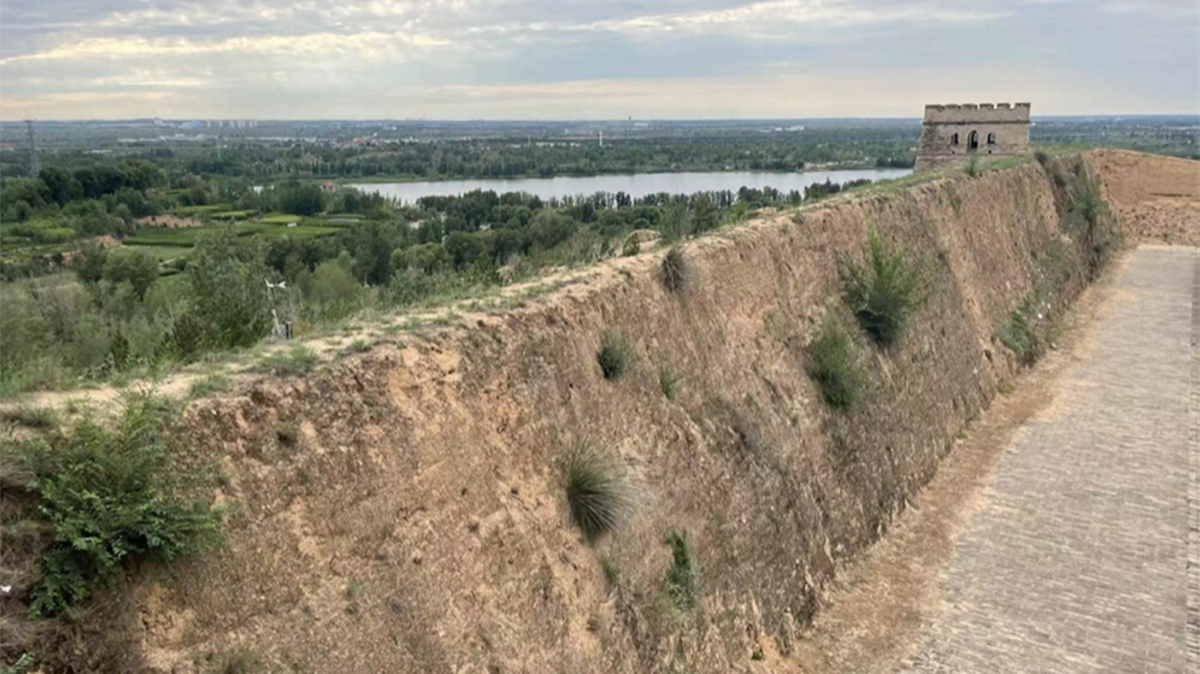
Snaking hundreds of miles across mountains and plains, the Great Wall of China is an iconic and unparalleled historic site. Construction on the vast network of walls, fortresses and other fortifications began in the seventh century B.C. and continued until the 17th century A.D.
The monumental structure has stood the test of time — in part because of a “living skin,” scientists recently found.
Researchers wanted to figure out the best way to help protect the Great Wall of China from wind and erosion, according to a study published Dec. 8 in the journal Science Advances. They noticed that the structure was “largely colonized by biocrusts.”
Biocrusts, or “biological soil crusts,” are thin layers of mosses, lichens, cyanobacteria and other vegetation that function like a “living skin,” according to a 2018 study on the topic.

Researchers wanted to know if the biocrusts growing on the Great Wall of China were helping or hurting the structure. They surveyed about 375 miles of walls and fortresses built about 500 years ago to evaluate the biocrusts, level of preservation and other factors, the study said.
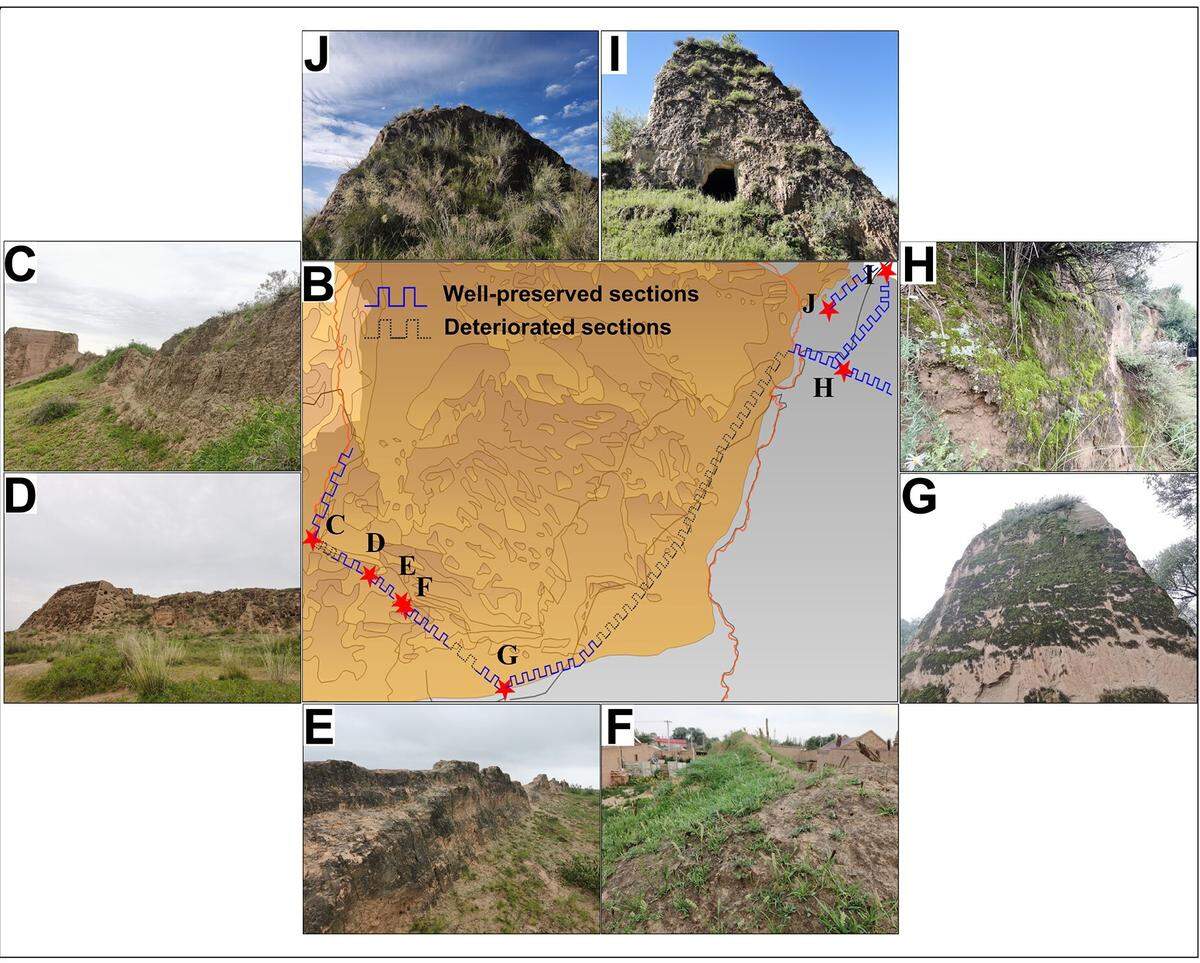
Photos show several of these survey sites and two types of biocrusts that researchers studied.
“We found that biocrusts play an essential role in reducing erosion in the Great Wall compared with bare walls,” researchers said.
Biocrusts helped protect the structure by reducing wind speeds, absorbing raindrops, preventing harmful materials from getting inside, stabilizing the soil within and acting as a temperature buffer, the study said. The overall result is increased stability and decreased risk of erosion.
Researchers said biocrusts were helpful for the Great Wall because, unlike other historic structures, it has many sections built with soil, dirt and “rammed earth.”
Rather than removing biocrust vegetation from the historic structure, researchers argued for allowing it to grow naturally and intentionally introducing the plants to bare areas. The main disadvantage of this approach is it may “disfigure the original appearance and aesthetics,” the study said.
The research team included Yousong Cao, Matthew Bowker, Manuel Delgado-Baquerizo and Bo Xiao.
This story was originally published December 11, 2023 at 4:15 PM with the headline "How is the Great Wall of China still standing? A ‘living skin’ is helping, study says."