
Female sharks separated from males for 13 years give birth annually, scientists say
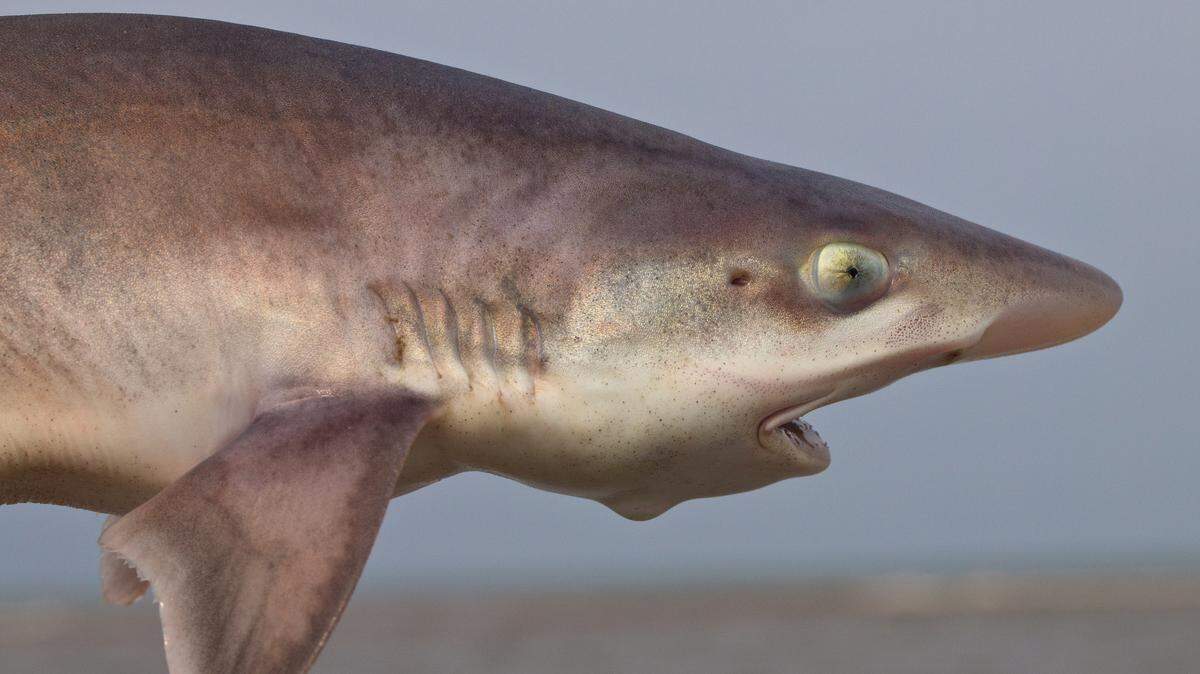
Female sharks at an aquarium in Italy have had recurring virgin births, scientists say.
In a July 26 study published in Scientific Reports, researchers describe the female common smooth-hound sharks as being separated from males of the same species for 13 years. Nevertheless, the two 18-year-old females have given birth every year since 2020.
All of the babies were female as well.
Scientists weighed the possibility of the sharks having somehow stored sperm in their bodies for all those years away from the males. However, genetic testing of the babies helped them disprove this explanation.
There was another plausible explanation, one that scientists had observed in sharks and other species before: parthenogenesis.
Parthenogenesis is the rare process by which an egg turns into a baby without being fertilized by a male. Without the sperm, offspring birthed by parthenogenesis are essentially clones of their mother. This likely explains why all of the sharks’ offspring were female, the researchers say.
While virgin births are well documented in other creatures, this is the first time they have seen it in this species of shark.
The researchers suspect that parthenogenesis is likely an adaptive mechanism to respond to being in an environment with fewer males.
At the time of the study’s publication, only one of the offspring from the sharks’ virgin births was still alive.
Despite this, observing this reproductive phenomenon was a revelation. The common smooth-hound shark is endangered. Understanding the different ways it reproduces is essential to helping it survive, as well as helping support marine ecosystems worldwide.
“Maintaining shark populations is crucial for ecological balance and marine ecosystem stability,” the scientists say.
But relying on parthenogenesis too heavily could crater the species’ genetic diversity, causing new problems.
Researchers say there is more analysis to be done to further understand shark genetics and reproductive behaviors for the sake of conservation of the species.
This story was originally published August 2, 2024 at 1:25 PM with the headline "Female sharks separated from males for 13 years give birth annually, scientists say."