New species discovered flying above Chile mountains. ‘Right under everyone’s noses’

Looking out the window of a skyscraper in Santiago, Chile, the towering, snow-capped Andes mountains look back at the country’s bustling capital city.
Flitting over the skyscrapers and office buildings up to the higher elevations is a small, black bird, flying from the Pacific Ocean to the west up to its mountain breeding grounds.
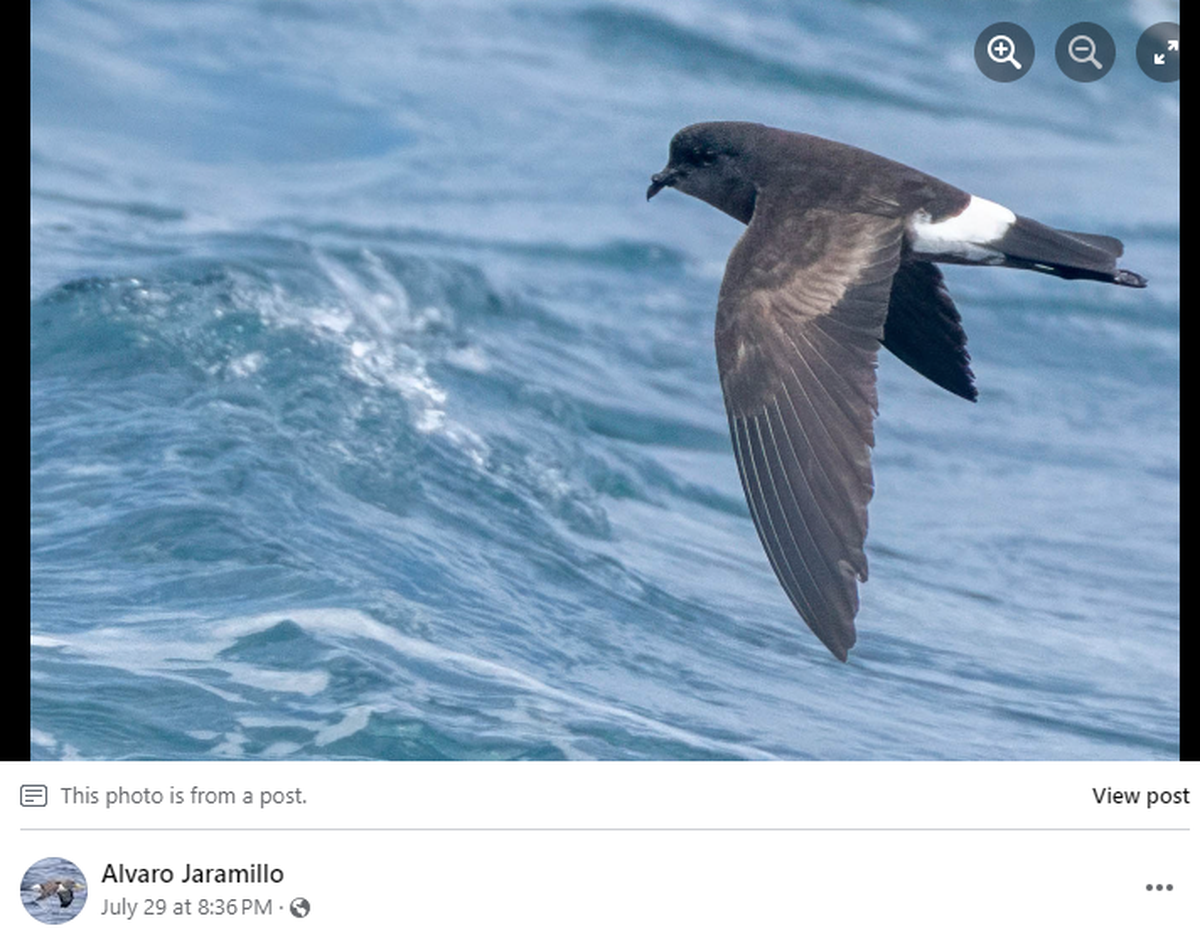
It’s a storm-petrel — and a new species.
“Imagine that high up over one of the largest cities in the southern hemisphere, storm-petrels fly daily from the ocean to the high mountains,” researcher Alvaro Jaramillo said in a July 29 Facebook post. “Birders see them when watching the full moon over the city.”
Jaramillo, along with colleagues from around Chile, Hawaii, New Zealand and Peru, took a closer look at the Santiago natives and discovered some of the birds were different.
They published their findings July 29 in the journal Zootaxa.
“It is amazing that this cryptic species was right under everyones noses during all of this time,” Jaramillo said.
Using mist-nets, the researchers traveled up into the mountains to capture, photograph and sample the birds, according to the study.
When they compared the genetics of the Santiago species to other storm-petrels found in South America, they didn’t match.
“The various taxa we suggest should be elevated to species have substantial genetic differences,” Jaramillo said. “But more importantly, they are ecologically different, with possible breeding areas in very different places.”
Jaramillo said it’s typical for storm-petrels to nest on islands, but others have now been seen at both inland deserts and mountains.
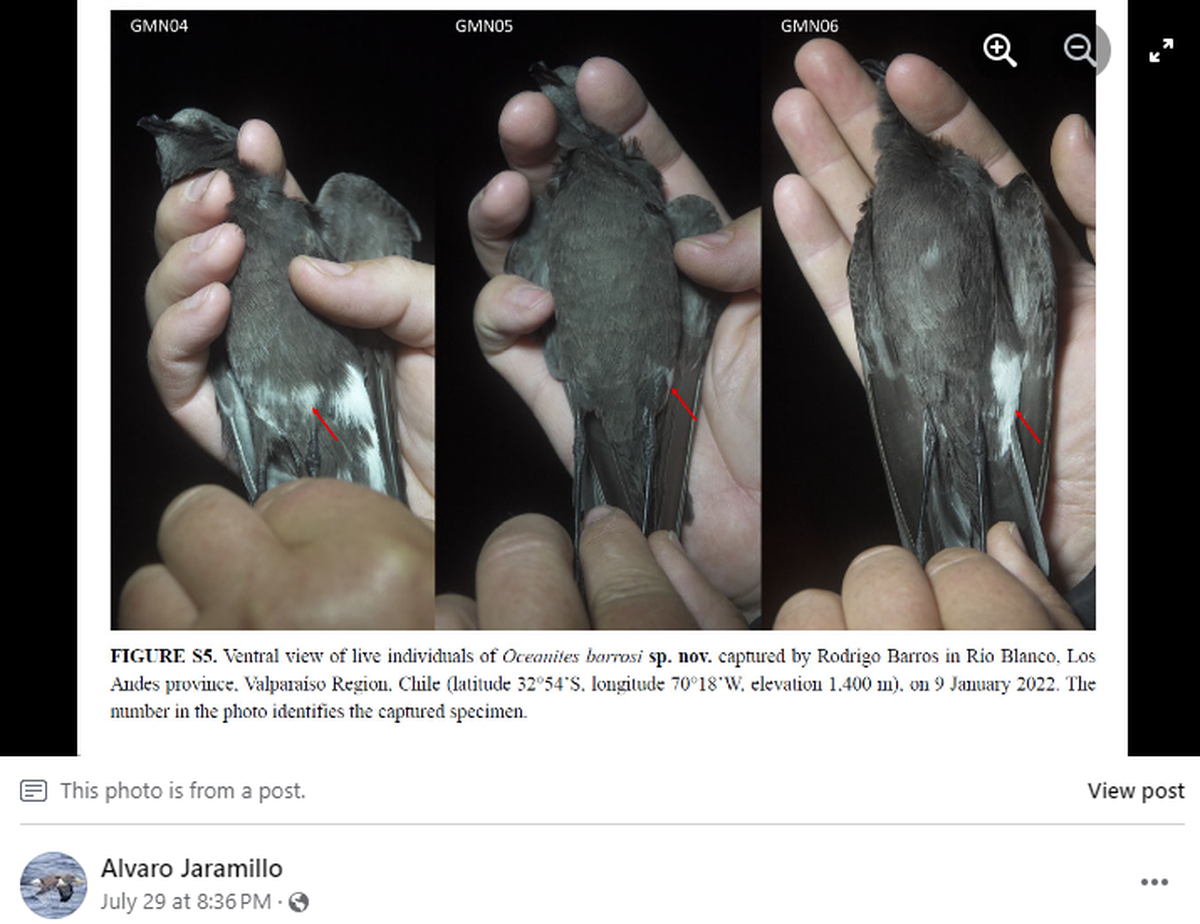
The new species is named Oceanites barrosi, or the Andean storm-petrel. The name honors ornithologist Rafael Barros Valenzuela who first recorded storm-petrels in Chile, and who became “one of the most prolific ornithologists in Chile during the 20th century,” according to the study.
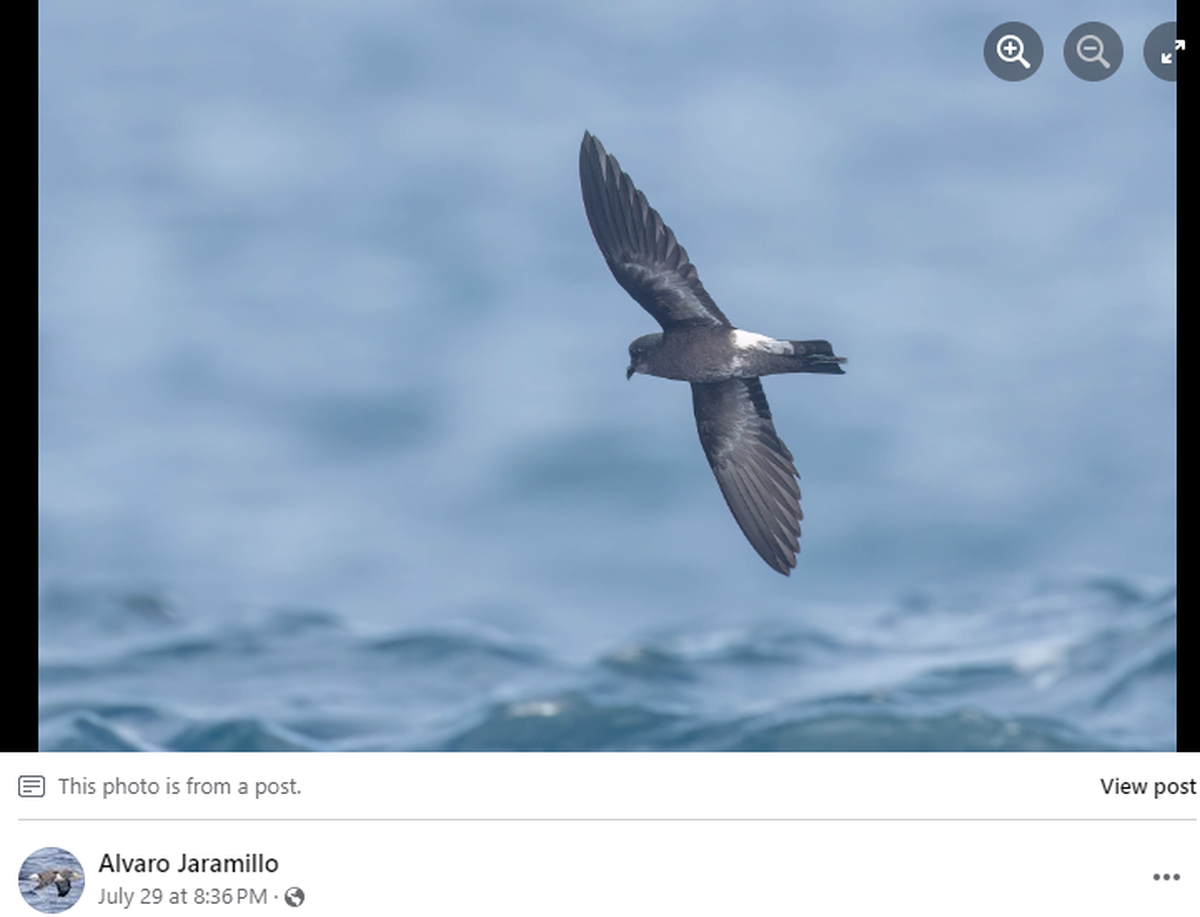
The bird is small — fitting in the palm of the hand — with short, rounded wings and a “square-cut tail,” researchers said.
The head, back, wings and rump are “blackish-brown,” and there is a continuous white “band-shaped” patch on the back feathers, according to the study.
“We propose the name Andean Storm-Petrel due to its unique breeding area. Although a nest has not yet been found, the Andean Storm-Petrel is seen going in and out of high elevation areas during the breeding season, and many recently fledged juveniles have been found in elevations above the city of Santiago,” researchers said.
There were previously three known species in the genus Oceanites, according to the study, but Jaramillo and the research team suggest they actually represent seven distinct species.
Though the individual species are genetically different, morphologically (or on the outside), they look the same, Jaramillo said.
“This will create some identification nightmares unfortunately, as some of the species level taxa we suggest should be elevated are not visually identifiable at this point,” Jaramillo said. “But more importantly, three of these species have not had their nesting areas described yet, and for the other species many of the colonies are unknown so far. The conservation issues are complex when you don’t know where they breed or how many there are!”
The contributing authors include Heraldo V. Norambuena, Rodrigo Barros, Alvaro Jaramillo, Fernando Medrano, Chris Gaskin, Tania King, Karen Baird and Cristian E. Hernandez.
Santiago is located in central Chile, about 70 miles inland of the Pacific Ocean.
This story was originally published August 6, 2024 at 2:51 PM with the headline "New species discovered flying above Chile mountains. ‘Right under everyone’s noses’."