More than 4,500 unmarked graves found at Victorian workhouse in UK. ‘Dark chapter’
Along the River Avon in southwest England, the city of Bristol has centuries of history.
The harbor town was first incorporated in 1155, and soon became a major port through the export of wool from Ireland in exchange for Spanish and Portuguese sherry and wine.
As time went on and Great Britain became engaged in worldwide conflicts, sailors captured on the high seas were brought back to Bristol, then taken to Blackberry Hill.
Now, Blackberry Hill has become a reminder of Britain’s darker history.
Starting in the 1780s, a large prison was built on the hill to house captured sailors from conflicts in France, Spain, Holland and the United States, researchers with private archaeology firm Cotswold Archaeology said in an Oct. 18 news release.
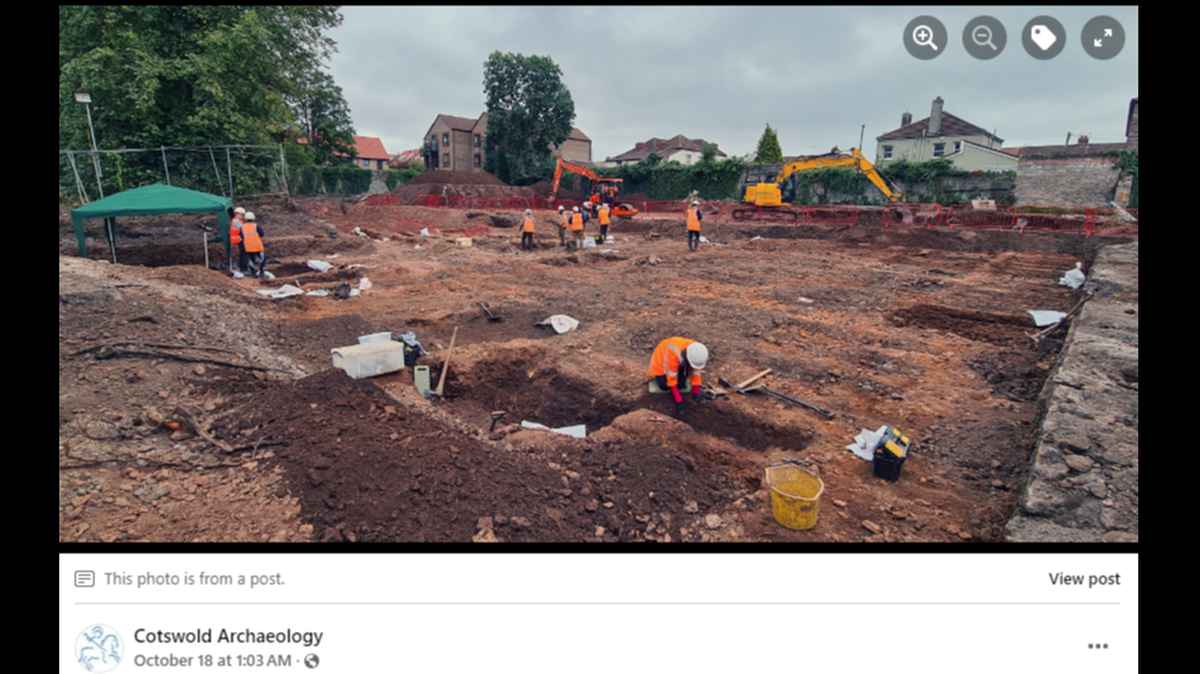
Archaeologists began work on the hill in 2018, in coordination with the Bristol City Council and the Diocese of Bristol, the organization said.
Excavations started in preparation for a future housing development slated for the site, BristolLive reported.
Stapleton Prison, as it was named, was in operation for half a century, according to the release.
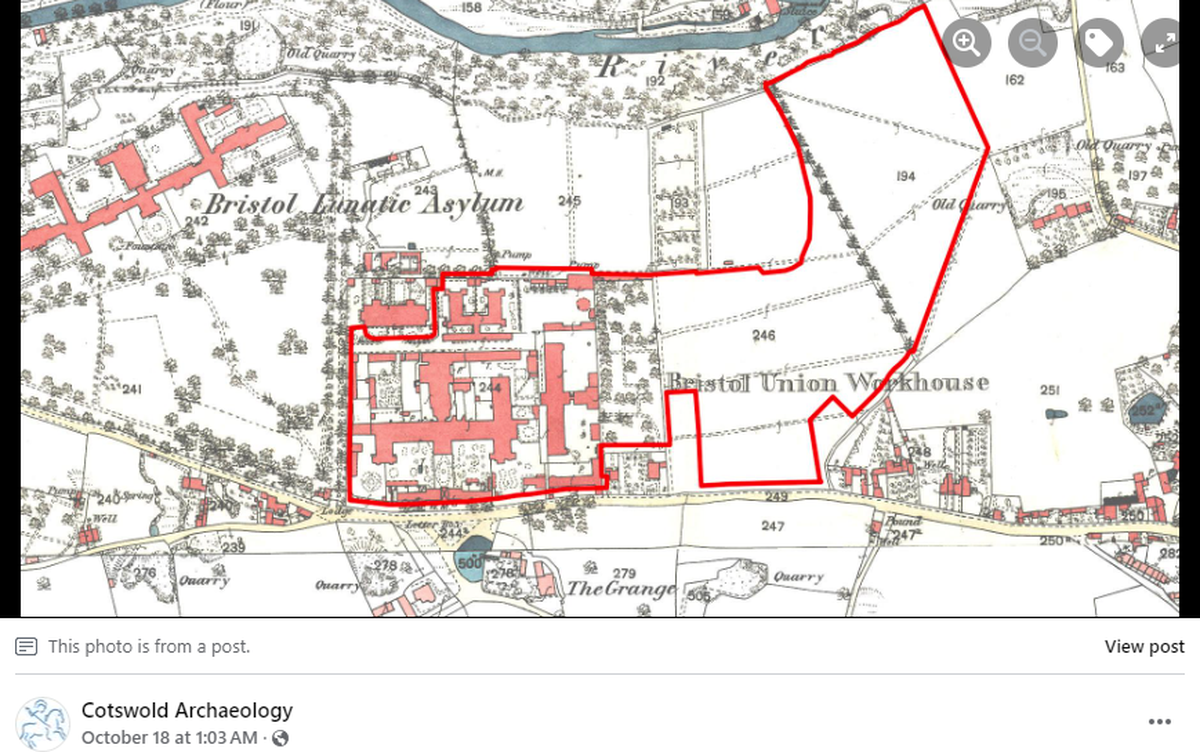
“This makes it one of the earliest examples of a prisoner-of-war camp in Britain, predating even the famous Norman Cross camp,” the organization said.
In 1832, a massive outbreak of cholera hit the United Kingdom, having spread from Russia and across Europe, according to the Sheffield City Council. Called ”King Cholera,” the disease would go on to kill more than 50,000 people.
Bristol transformed the Stapleton prison into a hospital to try and combat the cholera cases, Cotswold archaeologists said, and it remained a hospital for the next five years.
Despite the building being a hub of disease, its most deadly years were still ahead.
In 1837, the beginning of the Victorian era, the building was converted into the Stapleton Workhouse, archaeologists said.
“The workhouse served as a refuge for the city’s poor, offering shelter to those who had fallen on hard times,” Cotswold Archaeology said.
But a “refuge” it was not, and workhouses were overrun with abuse, neglect, poor working conditions, malnutrition and forced child labor, according to Historic UK.
A workhouse was the setting for Charles Dickens’ novel “Oliver Twist,” a story that follows an orphan as he navigates the abusive system.
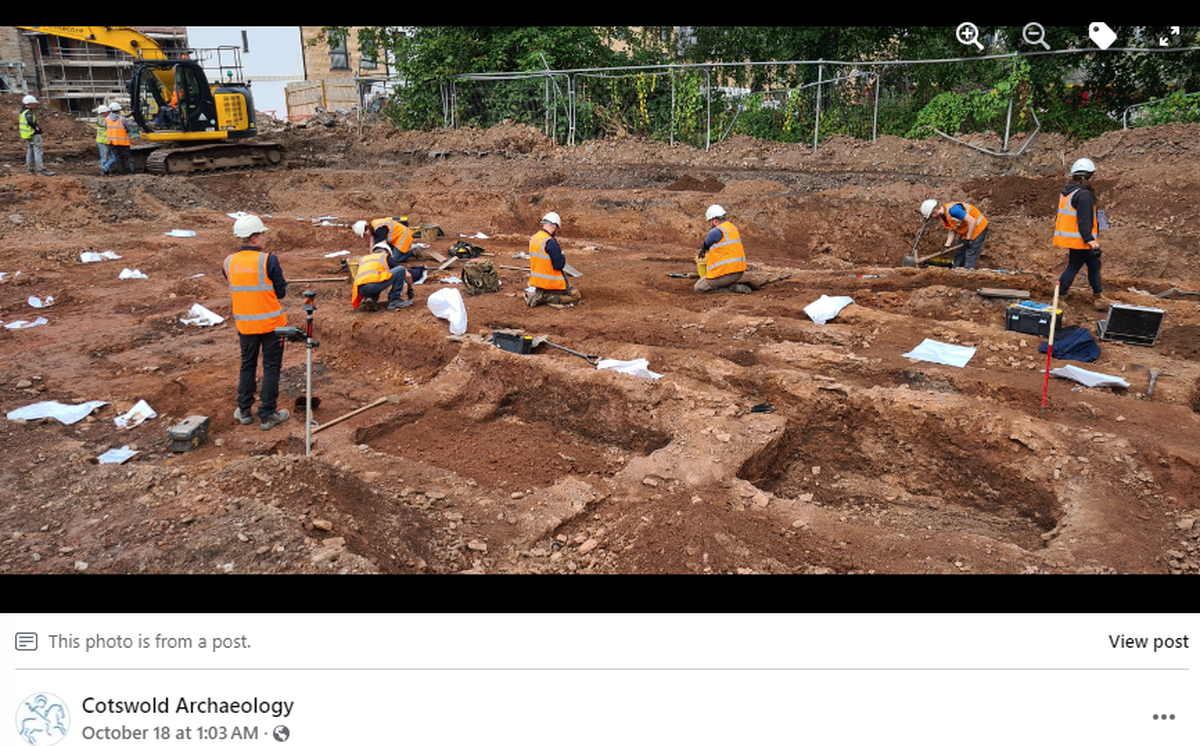
As archaeologists excavated Blackberry Hill, they discovered more than 4,500 unmarked graves, the majority of which could be dated to the height of the workhouse between 1837 and the late 1800s.
“The story behind these burials reflects a dark chapter in Bristol’s social history,” Cotswold Archaeology said. “... Many of the individuals buried here had faced extreme poverty and illness before their deaths.”
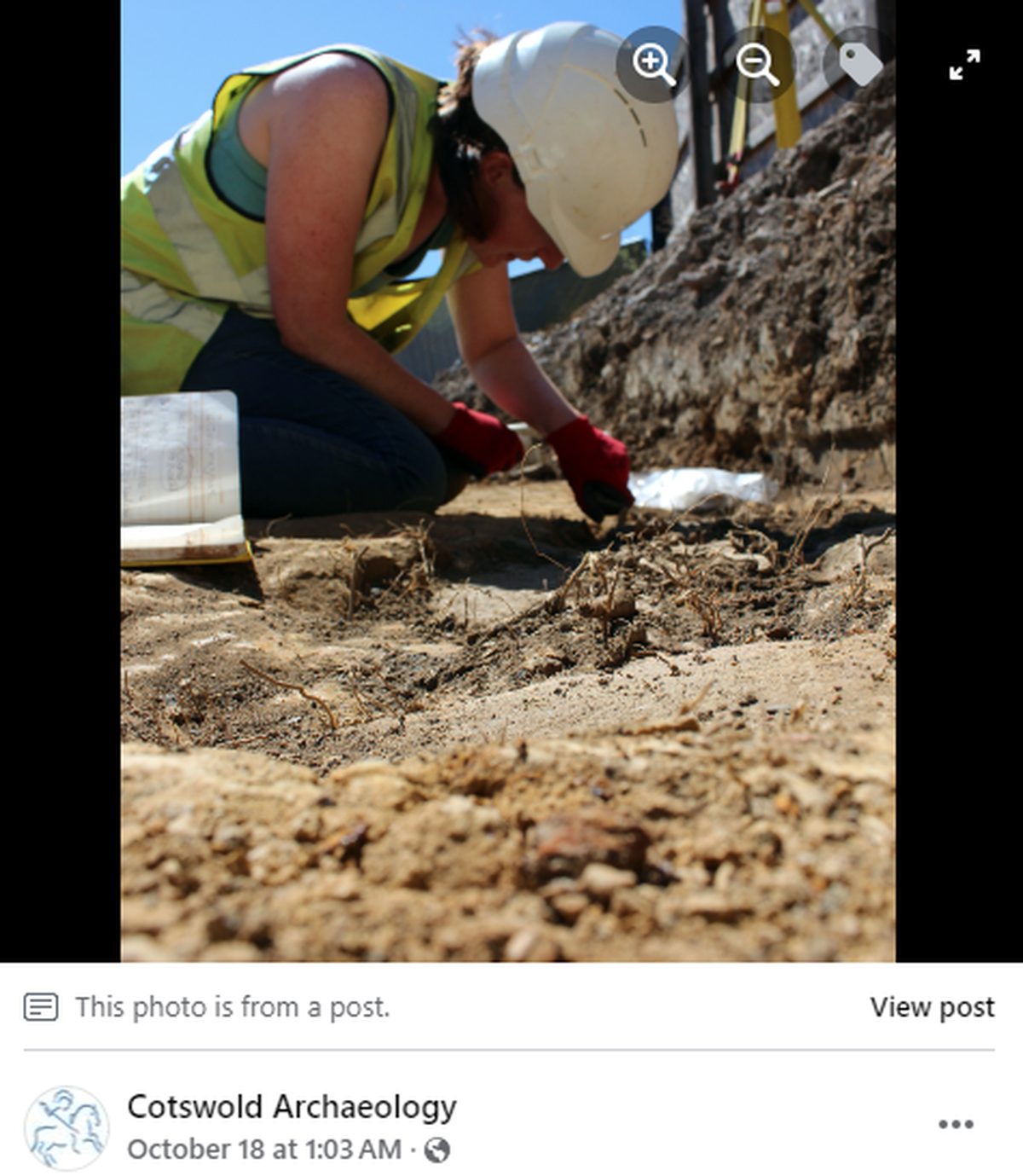
Archaeologists said through analysis of the remains and the items found in the graves, they can learn how the poor lived and died, and better understand the burdens of 19th-century Bristol.
“While most of the remains have already been reinterred at the site in specially constructed vaults, ongoing study of selected remains continues to provide new insights,” Cotswold Archaeology said. “A memorial ceremony is planned to accompany the final reburials, ensuring that those who lived here and died here are honored.”
Research at Blackberry Hill is expected to continue into 2026, and findings from the complete excavation will be published by Cotswold Archaeology and shared with the public.
Bristol is about a 120-mile drive west from London.
This story was originally published October 22, 2024 at 2:07 PM with the headline "More than 4,500 unmarked graves found at Victorian workhouse in UK. ‘Dark chapter’."