Volcanic eruptions darkened ancient Europe’s sky. See ‘sun stones’ people sacrificed
Nearly 5,000 years ago, if the ground rumbled and the sky grew dark, it would be impossible for ancient agricultural communities to know that miles away a volcano had erupted.
Volcanic eruptions were cataclysmic in centuries past, from the 43 B.C. eruption of a volcano in Alaska that caused failed harvests in the Mediterranean for years, to the 79 A.D. eruption of Mount Vesuvius that buried the city of Pompeii.
Now, researchers believe there was another eruption that would have changed life as they knew it for the ancient people of northern Europe in 2900 B.C., and the people of what is now Denmark turned to a unique tactic to bring back the sun.
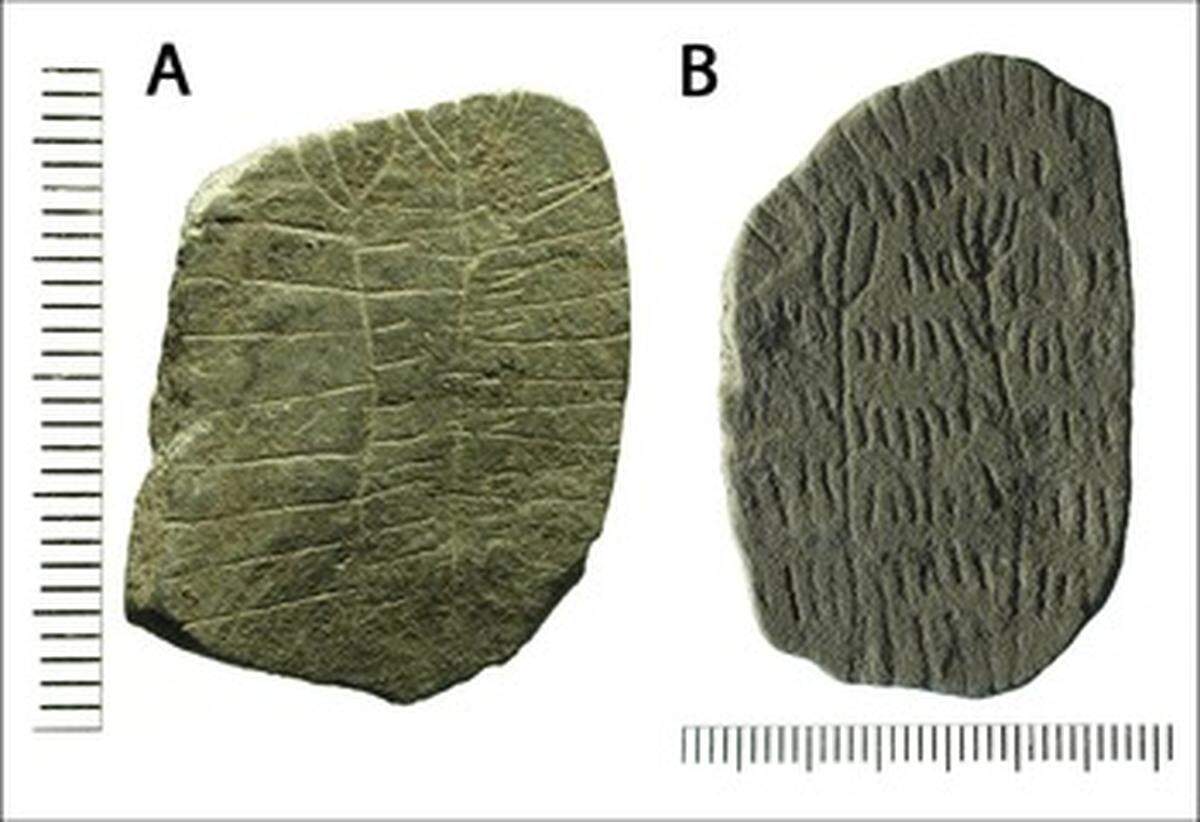
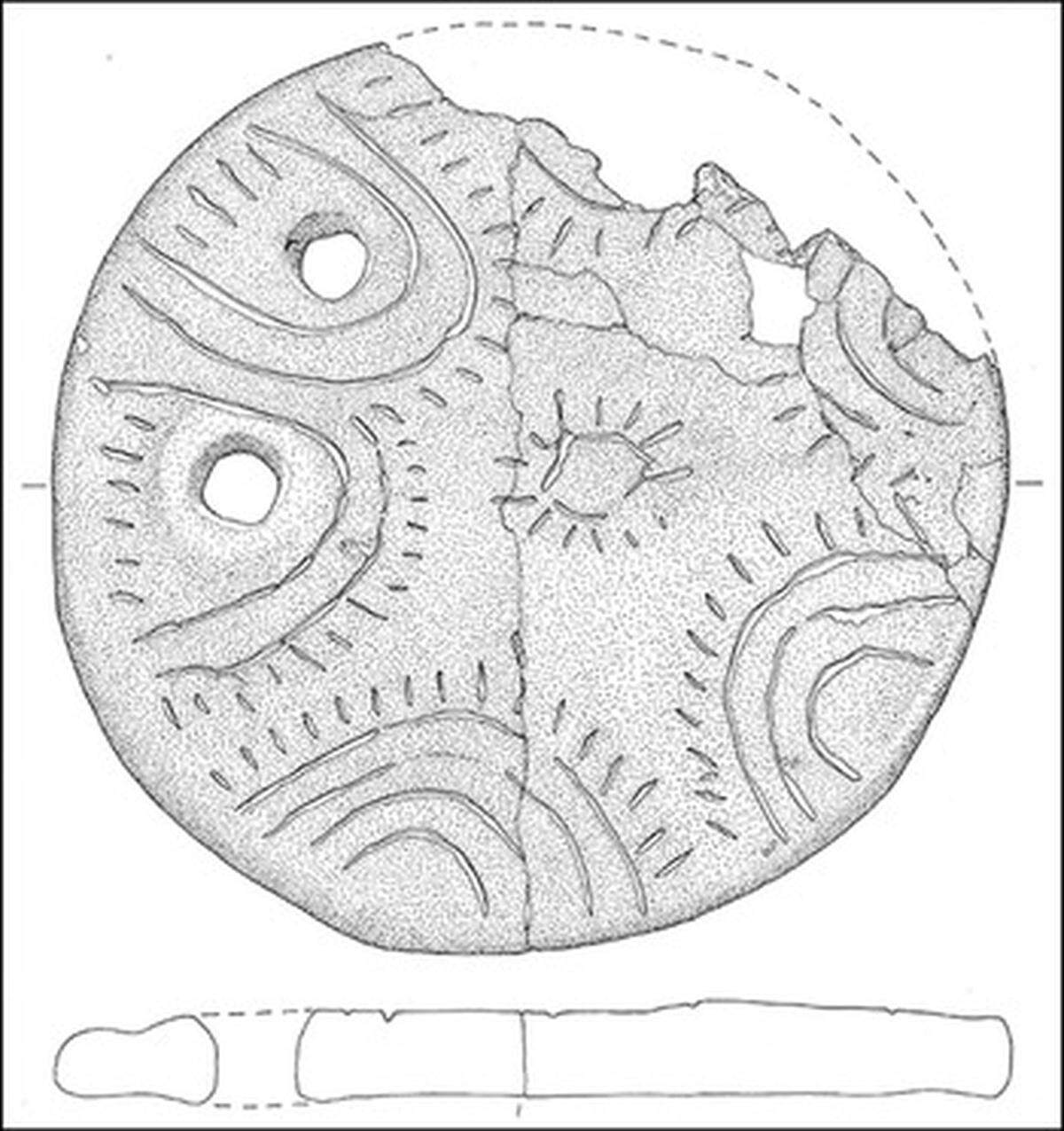
On the island of Bornholm, archaeologists uncovered 614 plaques and plaque fragments between 2013 and 2018 that were decorated with patterns and sun motifs, according to a Jan. 16 study published in the peer-reviewed journal Antiquity.
Most of the pieces date between 2800 and 3000 B.C., according to the study, and 388 of the pieces have identifiable designs carved into their surface.
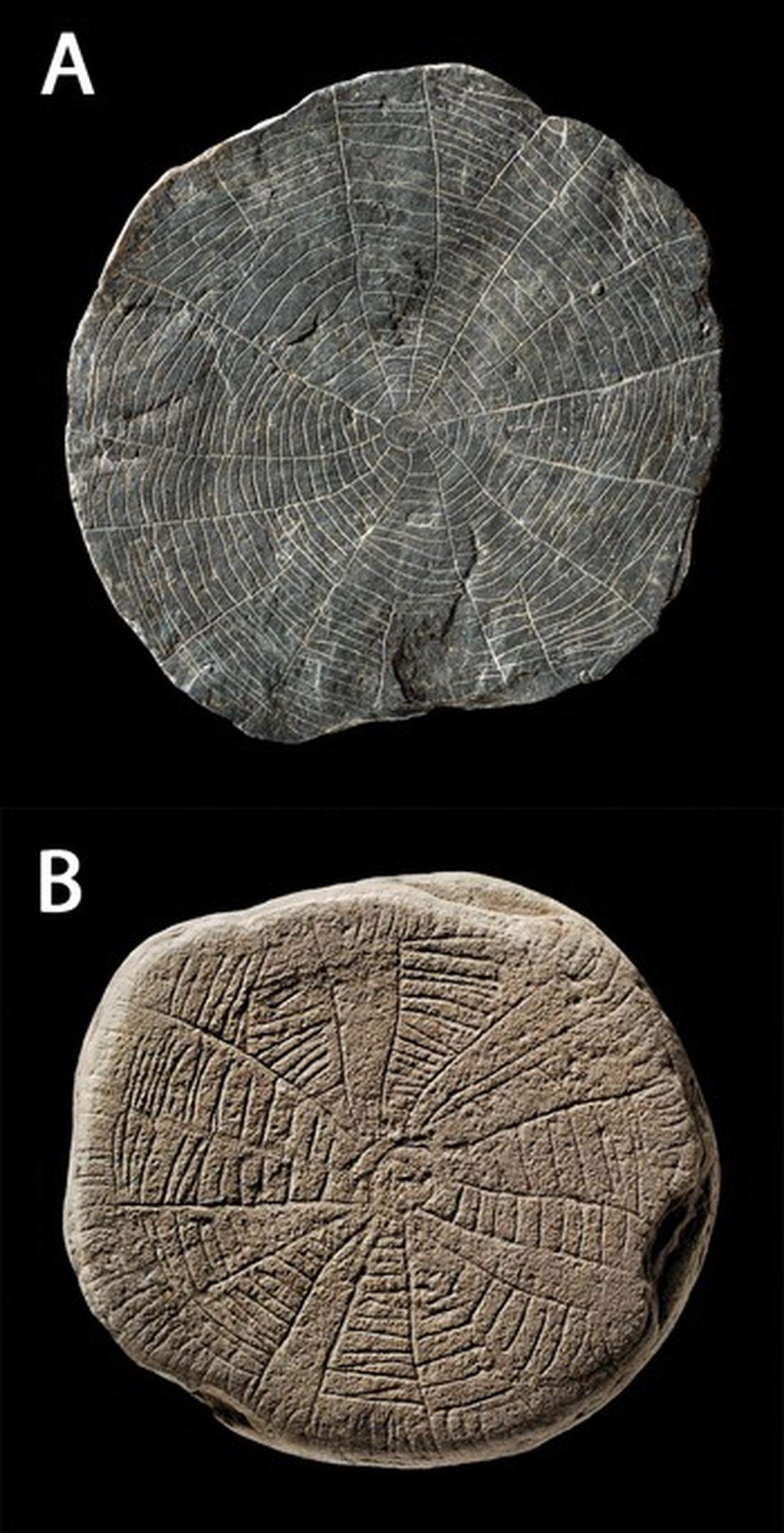
They’ve come to be known as “sun stones,” and because of their situational burial, researchers believe it is likely they were “fertility offerings,” used to invoke and secure a successful crop season.
“The stone plaques engraved with sun and plant motifs were produced and deposited at Vasagård during a short period of time around 2900 B.C.,” researchers said. “At no point before or after this period do engraved stones appear in the archaeological record of either site.”
This suggests the thought to sacrifice these pieces was triggered by a significant event, one that wouldn’t have occurred during a normal year like a natural disaster or climatic event that “affected crop yields or the visibility of the sun,” researchers said.
There were no major solar eclipses observable on the island between 3000 and 2000 B.C., making that an unlikely trigger.
But, there was a significant period of cooling before and after 2900 B.C. that can be confirmed with tree rings in Germany as well as tree rings from the western United States, according to the study. When this period was compared to ice cores from Greenland and Antarctica, it became clear to researchers that there was likely a volcanic eruption in 2910, right when the pieces may have been sacrificed.
“We have known for a long time that the sun was the focal point for the early agricultural cultures we know of in Northern Europe,” archaeologist Rune Iversen said in a Jan. 16 news release from the University of Copenhagen. “If the sun almost disappeared due to mist in the stratosphere for longer periods of time, it would have been extremely frightening for them.”
Researchers said the cooling period likely had more impacts than just the kind of sacrifices the people of Bornholm made.
“It is possible that this 2900 B.C. cooling event also had wider economic and social consequences for the people living in southern Scandinavia at the time, as it coincides with the beginning of the final Funnel Beaker phase,” researchers said. “This phase is characterized by substantial changes in material culture, a break with the classic Funnel Beaker tradition, the cessation of megalithic tomb building and the formation of new networks and influences from the marine oriented Scandinavian Pitted Ware culture, which also affected Bornholm.”
On the Danish island specifically, researchers noticed a change in the architecture of the site after the sun stones were sacrificed, Iversen said, and it’s likely the eruption impacted this in some way.
While it’s impossible to narrow down the exact day a volcano erupted to see if the stones were sacrificed before or after the eruption, it is clear to researchers that the two events are connected.
“It is reasonable to believe that the Neolithic people on Bornholm wanted to protect themselves from further deterioration of the climate by sacrificing sun stones — or perhaps they wanted to show their gratitude that the sun had returned again,” Iversen said.
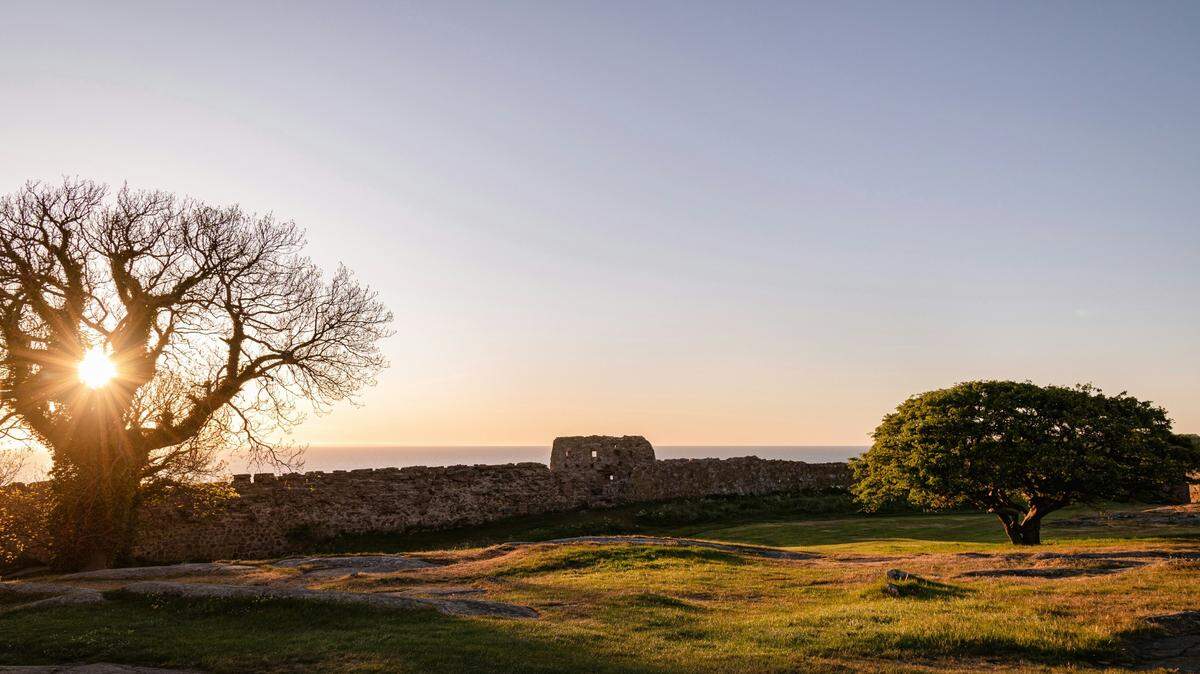
Bornholm is off the eastern coast of Denmark in the Baltic Sea.
The research team includes Iversen, Poul Otto Nielsen, Lasse Vilien Sørensen, Anders Svensson, Jørgen Peder Steffensen, Alexander Land, Michael S. Thorsen and Finn Ole Sonne Nielsen.
This story was originally published January 21, 2025 at 6:03 PM with the headline "Volcanic eruptions darkened ancient Europe’s sky. See ‘sun stones’ people sacrificed."