Rock Hill 2022 city council elections: What to know about both Ward 4 candidates
The two candidates vying for Rock Hill’s most populated voting district have lived in the city for decades, and they’re running to represent Ward 4 to assist in shaping the growing city.
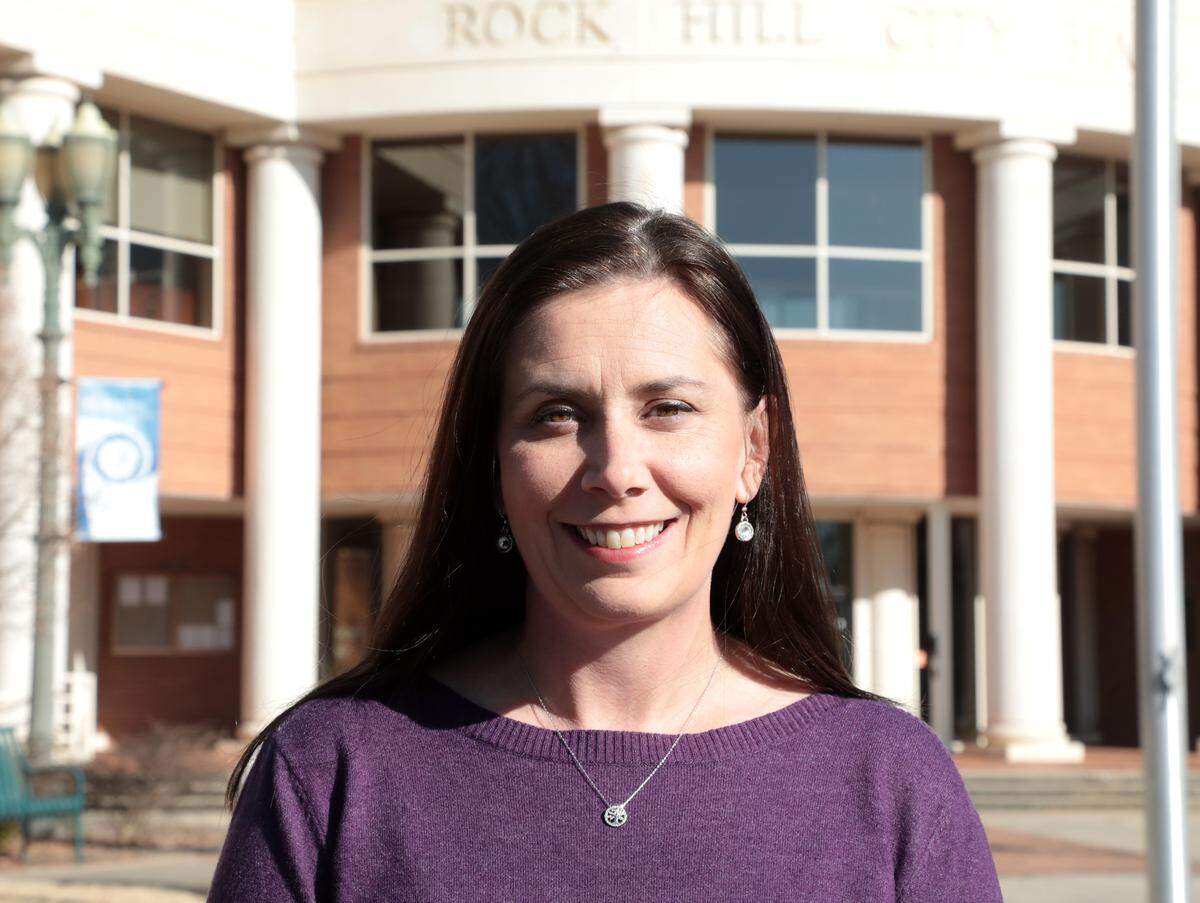
Incumbent John Black, who’s been on council for more than a decade, has never called any other city home. Black, whose great-great-great grandfather is known as the “Founding Father of Rock Hill,” hopes to continue his and his family’s impact.
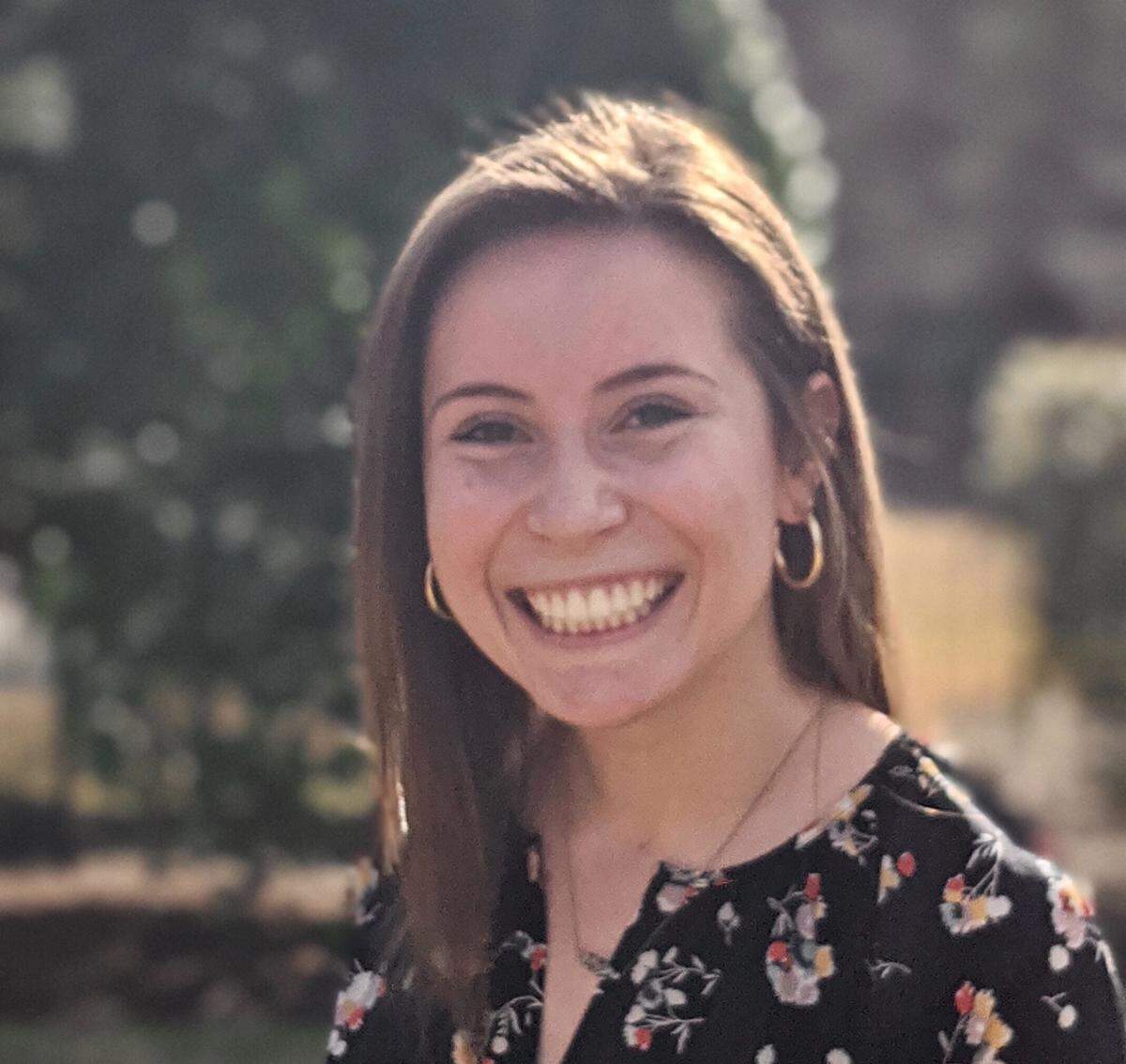
And newcomer Maggie Schwietert has been in Rock Hill for 20 years. She, like Black, went to Winthrop University and didn’t want to leave the city after graduation. Before Schwietert became a candidate, she recently went back to virtual school to get her master’s degree in government from Johns Hopkins University to better understand the role she hopes to fill, she said.
The city will hold elections for Wards 4, 5 and 6 on Feb. 8. Council voted several months ago to delay the ward races, which were originally scheduled for October, until city officials could redraw its six voting districts. Redistricting is required every 10 years based on new census data.
Ward 4 covers the northwestern part of the city. Out of the ward’s 12,537 people, which marks the highest population of the six wards, there are 10,272 registered voters. The ward is made up of about 69% whites and 21% Blacks, according to the city.
The Herald sat down with Black and Schwietert, and asked both candidates the same five questions. Some answers have been edited for brevity.
Polls will open at 7 a.m. and close at 7 p.m. on Feb. 8. Voters can find information on precinct locations on the county’s elections office site. Absentee voting started on Jan. 10 and will end on Feb. 7.
In order to vote in Ward 4, residents must live in the ward. In Ward 5, incumbent Nikita Jackson is running against youth football coach Perry Sutton and newcomer Kenneth Harris. Incumbent Jim Reno is running unopposed for Ward 6.
Residents can find more ward information on the city’s website.
Q: What is the biggest issue facing Ward 4 and how do you plan to address it?
Black: Roads have always been an issue and it’s not just Ward 4. It’s the entire county. You’d probably have some people say it’s the entire state and some others say it’s the entire country. So, roads is a big issue, and the main reason is there’s so many different ownerships and so many different funding sources.
We’ve had a lot of success with (Pennies for Progress). The different Pennies projects really focused on expansion of road for economic development or increasing road sizes. It wasn’t until the most recent Pennies, a few years ago, that they actually added a repaving part in there, so that was a huge benefit. The other way it’s funded is through the gas tax, and so those funds are sent to Columbia and then, back to the county. Most of the decisions are ultimately made by the county.
We do submit a roads list. We grade our roads. That can be found online, and we send a list to the county to say, ‘Hey, this is what we think our priorities are.’ It’s ultimately up to them. The funding goes back to them, so roads are a challenge.
In the past, to some degree, if we don’t own the road, we don’t have rights to it. We don’t have encroachment easements. We have these things where we can’t physically do a lot. The ownership confusion is a big one.
Now, the city does budget and when I got on council, it was only $300,000. I really stressed to push that up and we’re up to $1.25 million for local roads, which they’re really neighborhood and cul-de-sacs — the ones that get left out of the gas tax.
When I first got on council, I had a hard time understanding and accepting, and the residents definitely couldn’t understand, if they’re riding down Rock Hill and this road’s got a pothole, but we can’t fix. It’s not our road. That doesn’t fly with people. ... I really, really pushed very hard for the city to fix these things. Well, there were legal issues. If we started fixing roads, then they would deed them to us and give them to us, which would cause major problems in the future.
I pushed and said, ‘Hey, let’s fix them and bill them. Let’s run a bill. Just keep billing them, billing them and billing them, and maybe we’ll just guilt them into paying back.’ After about a year and a half, the city really did a good job of pushing and we finally came to an agreement with the state that, ‘Hey, we’ll share resources. We can fix these roads. You give us all the material for free.’ Now, we’ve kind of partnered.
That was a huge innovative process that I really pushed for. Now, we’re repairing potholes anywhere in the city — no matter who owns it.
Another issue is protecting existing neighborhoods. As we continue to grow, you’ve got to say, ‘OK, what do we currently look like? How do we want to protect these existing neighborhoods?’ We frequently look at our zoning code and our zoning laws. We’ve had a multifamily moratorium in the past. We’re currently in a single-family moratorium, so we do things to try to give us time to reassess our codes and our zoning requirements.

Schwietert: I think there are a couple issues in Ward 4, but one that’s near and dear to my heart is the lack of a municipal park, playground, gathering area.
It’s the only ward in Rock Hill without a public park.
I live in a neighborhood and we have a small playground. It’s great, but yesterday we were playing out in our cul-de-sac, and a child said that she wished we had a park like Miracle Park close by. And I agree with her.
To me, if a child is saying something like that, the adults need to do something about it.
Additionally, one of the other large issues facing Ward 4 is our rapid growth. We have had a lot of growth in Rock Hill as a whole and in Ward 4, but with that growth, comes congestion. If we don’t look at the impact of the growth on our infrastructure, like roads, water, sewer, electric, we’re going to end up with a larger problem than we had before.
For me, those are the top two — our growth and our lack of public parks for Ward 4.
Q: Why do you think you are the best candidate to represent Ward 4?
Black: One thing I always say is government is a marathon — not a sprint. Nothing happens fast in government. ... It’s way different on the federal level and state level than it is locally, so having consistency in representation, having the experience to keep things moving is really important.
I’m very passionate about Rock Hill. This isn’t a stepping stone for me. This is my community service. This is the way I give back to my community that I’ve grown up in and been in my whole entire life. I’m very responsive to the citizens of Ward 4. I’m available to them.
Look around Rock Hill, we’ve got a lot of great things going, and I can provide the leadership and experience to keep it going.
Schwietert: Well, our city is growing. It’s changing every day. Ward 4 needs a representative on city council who’s willing to bring fresh ideas, a new perspective, innovative solutions to assist in that growth and change.
For me, I feel I’m the best candidate to do that — a fresh voice versus what’s already been on our council.
Now, as a mom — because that’s my number one job in life — is to provide a better future for my daughter, and I want to be able to do that for the rest of the youth of Rock Hill as well. It’s not just about my family. It’s not just about my residential area.
It’s about all of Rock Hill, and I want to make sure we’re looking out for the next generation. I think that, along with the fact that I want to bring new ideas, different solutions, as opposed to what we’ve had, makes me the best candidate.
Q: Rock Hill has experienced significant development, and as a result, there’s a chance the cost of living could increase. How will you work to ensure Ward 4 residents are not displaced?
Black: With Charlotte growing, it was inevitable. As Charlotte continues to grow and boom, it’s here. That train has left the station, so I’ve had some people say, ‘Oh, we want to stop the growth. We want Rock Hill to stay the same.’ ... If you take that approach ... you could wake up 10 years later and not like what you get. I always say, ‘You better embrace it and manage it how we want it as a community.’
That’s very important and I think we’ve done a good job. ... I’ve done a really good job of balancing, not just residential growth, but business. We focus on total growth. There’s other communities around us that have seen significant housing growth, but those people just turn around and commute to Charlotte.
I think if you have good balanced growth that includes businesses and jobs, well, increasing cost of living is not necessarily a bad thing as long as you are increasing the standard of living.
It’s really important to bring jobs here. If you’re increasing the standard of living, then you have a lot less displacement.
I’m passionate about Rock Hill and what I didn’t want was Rock Hill and York County to become another Gwinnett County of Atlanta — where it’s just neighborhood, after neighborhood, after neighborhood and everybody just drives somewhere else to get a job.
I think with a vibrant downtown and a downtown that has an identity, people know ‘OK, that’s Rock Hill.’ That was one of my big things when I first got on council was to really revitalize downtown and look at what’s gone on in the last five, six, 10 years.
Rock Hill is becoming not somewhere just to sleep and go work somewhere else. It’s becoming a destination. People want to live here. They want to work here. They want to play here. From a big picture standpoint, you’ve got to have that mentality as far as balancing everything with jobs and growth and everything. I think you have less of a chance of some of that displacement if you’re increasing the standard living for all.
Schwietert: One of the things I love about Rock Hill is it’s a home town, and I don’t want us to lose that identity. Just because we have major growth doesn’t mean we have to lose a sense of who we are. I mean that’s why I love Rock Hill.
And I think it’s important that going forward, we look at affordable housing, look at our (area median income), really examine what we call affordable housing. We need jobs that pay well.
We don’t want to price out the people who live here for the sake of growth. I don’t think that’s fair. We have to remember and value the people who made Rock Hill the city it is, the home grown town, the neighbors you can talk to.
I want to make sure the city council doesn’t leave the residents who need us behind because they can no longer afford to live here.
Q: What is your vision for Ward 4 over the next four years?
Black: Honestly, Ward 4 succeeds, if Rock Hill succeeds. I represent the citizens of Ward 4 and really all of Rock Hill.
We need to always continue to work on improving roads. We need to protect existing neighborhoods. We need to balance growth and continue to really development the downtown, so that’s the vision and it all impacts Ward 4.
Schwietert: My vision for Ward 4 is mainly responsible growth, not for the sake of growth. Get a park, municipal field, something for families, kids, the community as a whole to gather in Ward 4. Work with county and state leaders on congestion that is building up throughout Ward 4 and the rest of our city because of our growth.
I want to see Rock Hill grow responsibly. Mayor (John) Gettys has done a very good job in trying to move Rock Hill in a positive direction, and I think it’s important that we continue moving in a positive direction.
I have a whole list of things that are important. I would love a performing arts venue because we need one of those. We’ve talked about it for years, and it’s just never come to fruition. ... My background is in the performing arts, so for me, that’s a hot button. I would like to get that moving, but Ward 4 might not be the right spot for that. I think that might be better suited downtown.
Q: How will you address growing concerns over violent crime in the city?
Black: Crime is up, not just in the city, but all over the country. If you just step back and look at what’s gone on in the last couple of years, look at the landscape of law enforcement, it’s bad. How do you attract new people into the profession, to call it a career when there’s a landscape in which they’re vilified? They’re targeted nonstop and their ability to police has been taken away.
You have prosecutors letting repeat offenders out. You’ve got riots, people committing crimes who are being allowed to break the law. You’ve got citizens taking over parts of cities, not allowing people to come in. You’ve got elected officials that are condoning the behavior and they’re defunding the police. ... How do you fill the vacancies in the city of Rock Hill when it’s that kind of climate?
Now, have there been some bad things happen and are there some bad apples? Of course. There’s been bad incidents and bad apples. I’m not downplaying what’s gone on in the last couple years. Every corporation, every business, every organization has that and you can’t vilify a group of people across the country that put their lives on the line every day because of a certain number of incidents.
We’ve got to find people to hire. The hiring issue isn’t new to the last couple of years. We’ve got to attract these men and women to this profession, and give them the tools to be successful.
I pushed management, and I said, ‘In this current climate, when good men and women were getting fired or let go because of mandates and some of these other things, reach out to them.’ We welcome good men and women in this profession in Rock Hill.
The other thing is pay. Over the last couple of years, we’ve done some adjustment to the pay scale. This last budget cycle, we gave them a nice raise and a bonus. So, we’ve got to continue to work on making the pay attractive.
In short, we need good men and women to see this as a good profession and we need people to stand behind them. We need to get back to full employment. ... We also need to allow them to do their job and we need to keep violent criminals off the street. We can’t continue to let them out and have them repeat committing crimes. It’s not just a police issue. It’s solicitors, judges, it’s everybody.
It’s just a very difficult climate right now for the police. We’re very fortunate in Rock Hill that we have not had some of that stuff, but it does affect us locally.
Schwietert: First off, crime is not just a Rock Hill issue. It’s an everywhere issue, but we cannot address crime properly unless we find the root cause. And to do that, it takes community action. It takes working together and it takes honesty.
I want to work with city departments, law enforcement, community organizations, and our youth to find common goals, common issues and work on addressing those to help better our people going forward because violent crime is a horrendous act.
I don’t think we can make changes unless we all work together honestly, and that takes everyone — from the citizens to law enforcement to community organizers across the board. We have to be willing to do that to find where our deficiencies are, where our strengths are, so we can build upon our strengths, fix our deficiencies and decrease crime going forward.
There’s always changes to be made, but we can’t make changes until we know the root cause of it.