SC Senate passes ‘overdue’ charter school reforms
READ MORE
Unchartered Territory
Unchartered Territory is an ongoing series by The State Media Co. about South Carolina’s changing charter school landscape
Expand All
The South Carolina Senate on Tuesday approved a carefully-vetted bill that clarifies charter school transfer procedures, enhances oversight of charter school authorizers and brings additional transparency to financial relationships within the burgeoning sector.
Senators spent less than 90 minutes debating the hefty reform bill before passing it unanimously. It now heads to the House, where it could receive a subcommittee hearing as soon as next week.
Prior to Tuesday, the Senate had failed to approve charter school reform proposals in each of the past three years. The upper chamber prioritized passage of a bill this session in light of continued negative media attention and the release of a legislative audit that recommended numerous changes to the state’s charter schools law.
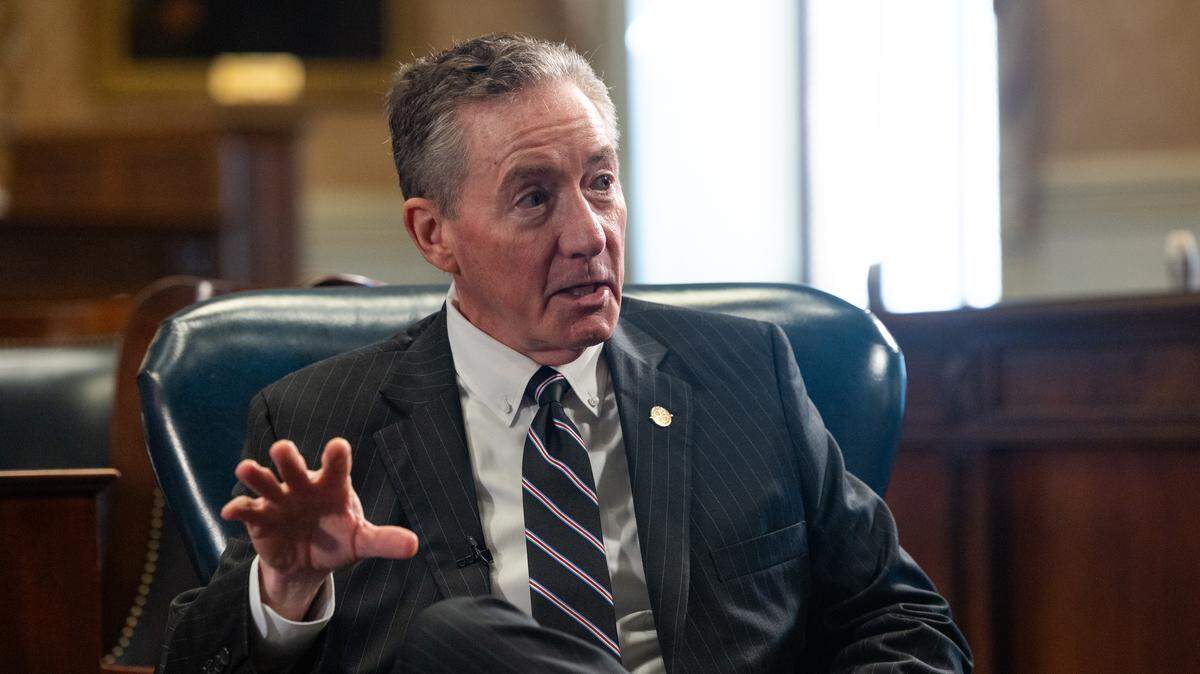
Senate Education Committee Chairman Greg Hembree, the bill’s sponsor, said he thought his legislation enhanced the 30-year-old Charter Schools Act, but stopped short of calling it a “major reform.”
“I think it’s a significant modification that needs to take place, that’s overdue,” said Hembree, an Horry County Republican. “I would say it’s not a complete engine rebuild, but it’s a significant, like 100,000-mile tune-up kind of thing.”
Charter schools, which serve more than 66,000 students in South Carolina, are privately-operated public schools that are afforded additional flexibility in their financial, personnel and curriculum choices to encourage innovation.
Before opening, a charter must be approved by a state-sanctioned authorizer that provides support and oversight in exchange for a portion of the school’s allocated state funding. Authorizers can be either local school districts, the legislatively-created Public Charter School District or institutions of higher education.
Hembree’s bill, which received two readings on the Senate floor last year and thus required only one reading this session, was originally conceived as a check on struggling charter schools that tried to evade accountability by switching authorizers, he said.
Over time, the bill has grown to encompass restrictions on conflicts of interest in the tight-knit sector and increased oversight of authorizers, especially ones affiliated with colleges and universities, which are scarcely addressed in the existing law.
Unlike traditional school districts, or even the Public Charter School District, which was created by the Legislature and is statutorily subject to state ethics and government accountability laws, the state’s current college-affiliated authorizers are private entities aren’t required to abide by anti-nepotism or self-enrichment laws.
Hembree’s bill changes that, giving the S.C. Department of Education a role in overseeing, evaluating and potentially sanctioning, or even terminating, the registration of charter school authorizers.
“You had nobody overseeing the authorizers,” he said. “That was one of the key issues we were looking at.”
The bill senators passed Tuesday largely mirrors one they debated last year, but does include several minor additions that were added as floor amendments.
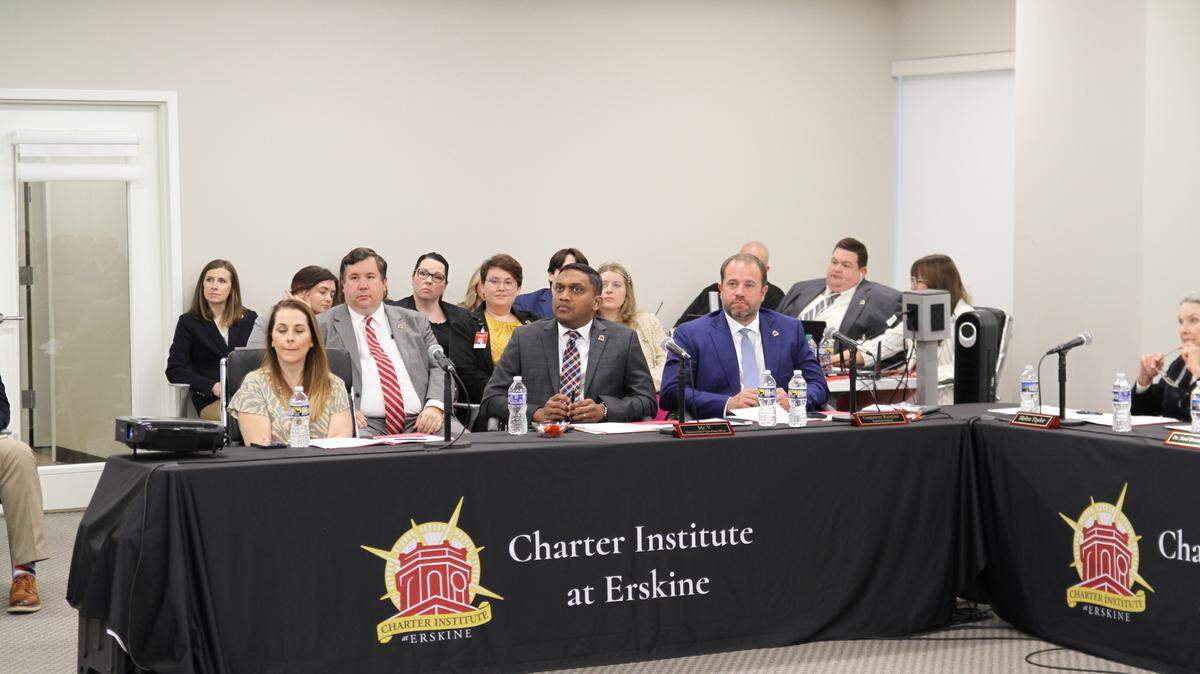
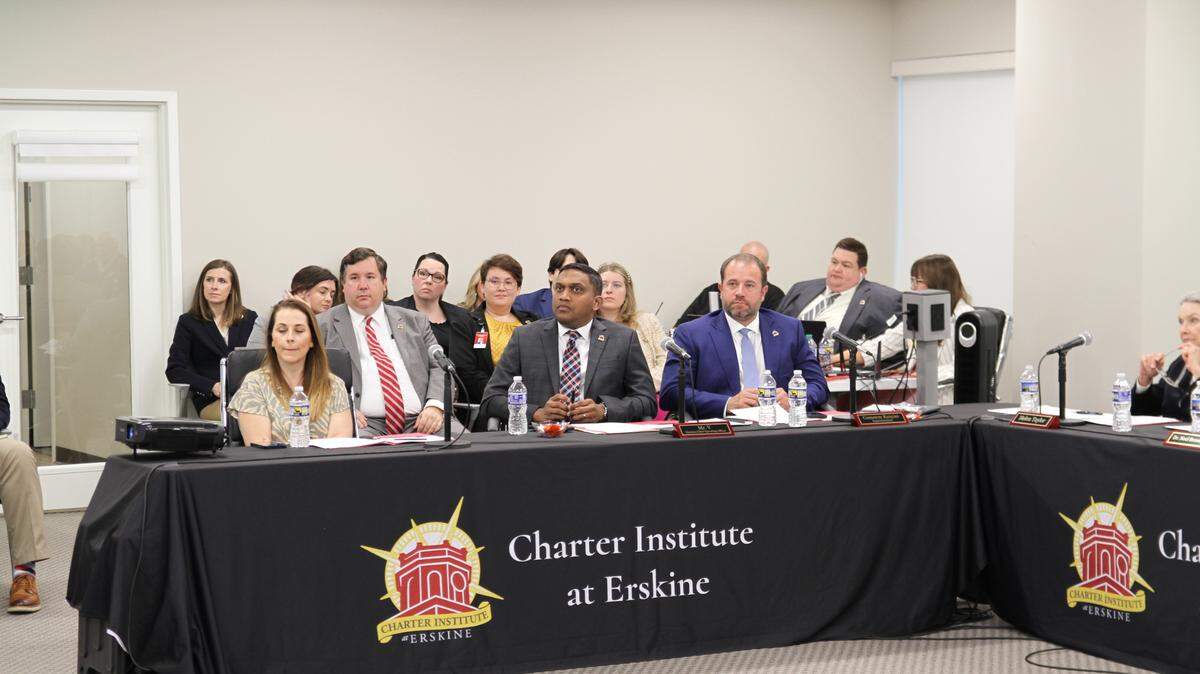
Most of the amendments stem from recommendations offered by the state’s Legislative Audit Council, an independent watchdog agency that last year probed allegations of inappropriate spending and potential conflicts of interest by the Charter Institute at Erskine, South Carolina’s largest authorizer.
Many of the auditors’ recommendations for improving the charter schools law were already included in Hembree’s bill, he said. Recommendations that weren’t previously included were added Tuesday as amendments, with the exception of one budget-related change that Hembree said would be dealt with during the budget process.
Perhaps the most notable amendment to the bill Tuesday involved a prohibition on local school board members opening charter schools.
The amendment, offered by freshman Sen. Jeff Zell, R-Sumter, was inspired by an ongoing situation in his district in which a public school board chairman was approved to open a charter school in the community.
It’s not clear if the amendment will survive in the House version of the bill, at least in its current form.
Kevin Mason, executive director of the Public Charter School Alliance of South Carolina, said that while his organization recommends charter school board members refrain from serving in other elected roles, he’s concerned about overregulation creating barriers to entry in the industry.
This story was originally published February 11, 2026 at 8:46 AM with the headline "SC Senate passes ‘overdue’ charter school reforms."